
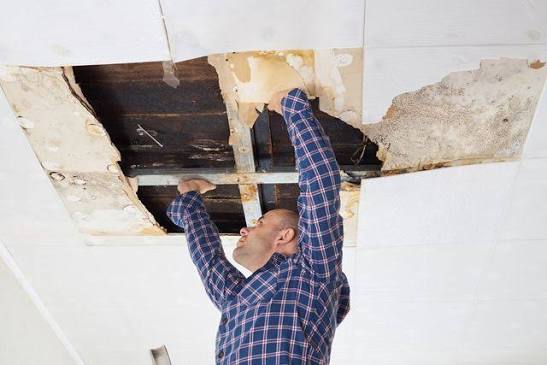
Water damage can affect much more than the visible surface of a home or business. A burst pipe, plumbing leak, roof failure, storm, or flooding event can damage drywall, flooring, insulation, ceilings, cabinetry, framing, and other building materials. Once the water has been removed and the affected areas have been dried, some properties still require professional water damage reconstruction in Augusta, GA to restore damaged sections and make the space functional again.
Blount’s Disaster Restoration provides restoration and reconstruction solutions for properties affected by water, storms, fire, mold, and other disasters. Its published Augusta content specifically describes property reconstruction after floods and other major property damage, including rebuilding walls, floors, roofs, and additional structural components.
Complete Water Damage Reconstruction Solutions
Water mitigation and reconstruction are different stages of property recovery. Mitigation focuses on stopping additional damage, extracting water, and drying affected areas. Reconstruction begins when damaged building materials need to be repaired or replaced.
Professional reconstruction services may include:
- Drywall replacement
- Flooring replacement
- Ceiling repairs
- Wall reconstruction
- Trim and molding replacement
- Painting and finishing
- Cabinet repairs
- Framing repairs
- Structural restoration
- Interior rebuilding
- Roof and exterior repairs
- Complete room reconstruction
Blount’s Disaster Restoration describes its reconstruction work as restoring damaged residential and commercial properties after events such as flooding, storms, and fires.
Start With Water Removal and Drying
Reconstruction should not begin while excess moisture remains inside the building.
Water can travel beneath flooring, behind drywall, into insulation, and through structural materials. Installing new finishes before the affected areas are adequately dried can conceal an unresolved moisture problem.
Professional water damage restoration in Augusta, GA should therefore begin with identifying the water source, removing standing water when necessary, evaluating moisture conditions, and drying affected materials.
Only after the damaged area has been stabilized can contractors determine which materials remain usable and which require replacement.
Rebuilding Water-Damaged Walls
Drywall is particularly vulnerable to significant water exposure.
Depending on the severity and source of the damage, affected drywall may need to be removed so the wall cavity can be evaluated and dried. Insulation, baseboards, and other materials may also require attention.
After the area is dry and suitable for rebuilding, reconstruction can involve replacing damaged wall materials, finishing joints, applying texture when needed, and repainting the restored area.
Professional reconstruction helps the repaired section blend more naturally with the surrounding room instead of leaving an obvious patch.
Flooring Reconstruction After Water Damage
Water can affect several layers of a flooring system.
Carpet and padding may become saturated, laminate can swell, hardwood may warp, and moisture can reach the subfloor underneath the finished surface.
A professional inspection helps determine how far the damage extends before replacement begins.
Water damage reconstruction services in Evans, GA may involve removing damaged flooring, evaluating the subfloor, addressing affected materials, and installing new flooring once the area is ready.
The replacement material should be selected according to the room, moisture exposure, household needs, and surrounding interior finishes.
Repairing Ceilings After Leaks
Roof leaks, plumbing failures, and water from upper floors can damage ceilings below.
Warning signs may include staining, bubbling paint, sagging drywall, or deteriorated ceiling materials. A visibly damaged ceiling should be evaluated carefully because water may have affected areas above the finished surface.
After the source is corrected and the area is dried, damaged sections can be removed and reconstructed.
The final work may include drywall installation, finishing, texture matching, primer, and paint to restore the room’s appearance.
Reconstruction After Major Flooding
More extensive water events can affect several rooms at the same time.
Flooding may damage flooring, walls, cabinets, insulation, trim, and structural materials throughout the property. In these situations, reconstruction requires careful sequencing so each stage is completed in the proper order.
Blount’s Disaster Restoration’s Augusta reconstruction information explains that projects may range from repairing one room to rebuilding larger portions of a home or business after significant property damage.
A coordinated reconstruction plan can help property owners understand which areas need immediate attention and which improvements can follow later.
Why Mold Should Be Considered
Moisture problems that remain unresolved can also create conditions where mold develops.
Blount’s Disaster Restoration provides mold remediation in Augusta and describes its process as identifying moisture sources, locating affected areas, removing contamination, and addressing conditions that can contribute to future growth.
When reconstruction follows water damage, contractors should not simply cover visibly damaged materials. The moisture source and affected areas need to be addressed first.
This approach provides a better foundation for long-term repairs.
Residential and Commercial Reconstruction
Water damage can create different challenges depending on the type of property.
In a home, affected areas may include bedrooms, bathrooms, kitchens, basements, or living spaces. Commercial damage may interrupt operations and affect offices, flooring, inventory areas, ceilings, or customer spaces.
Professional property reconstruction in Augusta, GA can be adapted according to the extent of damage and the way the building is used.
Blount’s Disaster Restoration states that its reconstruction services are available for both residential and commercial properties.
What Affects Water Damage Reconstruction Cost?
Reconstruction costs depend on the amount and type of damage rather than one standard price.
Important factors can include the number of affected rooms, damaged materials, flooring type, structural repairs, drywall replacement, painting, cabinetry, demolition, and finish selections.
A small plumbing leak affecting one wall may involve a very different scope from flooding that reaches several rooms.
A professional evaluation helps establish which materials need replacement and provides a clearer basis for planning the project.
Choosing a Reconstruction Contractor
Property owners should look for a company that understands both restoration and rebuilding.
This is important because successful reconstruction begins with understanding what caused the damage and what happened during the mitigation stage.
A qualified contractor should clearly explain the affected areas, proposed repairs, reconstruction sequence, material choices, and final finishing work.
Blount’s Disaster Restoration provides water mitigation, mold remediation, disaster restoration, and property reconstruction services in and around Augusta, helping property owners move from initial damage toward complete repairs.
Conclusion
Professional Water mitigation services near me Augusta, GA helps restore homes and commercial properties after leaks, floods, storms, and other water-related events. The process may involve repairing drywall, flooring, ceilings, framing, cabinetry, and other damaged building materials after the moisture problem has been properly addressed.
Blount’s Disaster Restoration provides restoration and reconstruction solutions designed to take damaged properties from cleanup and stabilization through rebuilding and finishing. Addressing both the original water problem and the resulting construction damage can help create a safer, cleaner, and more complete property recovery.
FAQs
What is water damage reconstruction?
Water damage reconstruction is the repair and rebuilding stage that follows water extraction and drying. It may include replacing drywall, flooring, ceilings, trim, cabinetry, and structural materials.
Does reconstruction begin immediately after flooding?
Usually, damaged areas first need to be assessed, stabilized, and adequately dried before rebuilding begins.
Can water-damaged drywall be replaced?
Yes. Drywall that cannot be appropriately restored may be removed and replaced after the wall cavity and surrounding materials are ready for reconstruction.
Can flooring be replaced after water damage?
Yes. Damaged flooring can be removed and replaced after the underlying area has been evaluated and sufficiently dried.
Does Blount’s Disaster Restoration handle mold after water damage?
Yes. The company publishes mold remediation services for Augusta and surrounding Georgia communities in addition to water mitigation and restoration work.