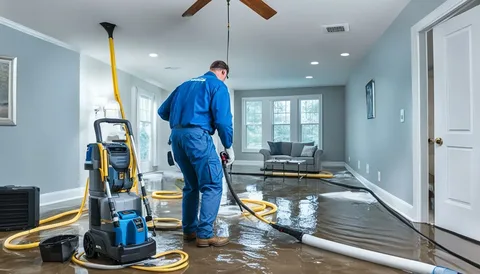
Water damage can disrupt your home without warning. A burst pipe, leaking appliance, roof leak, or severe storm can allow moisture to spread through flooring, drywall, insulation, and other building materials. Acting quickly helps limit further damage and makes the recovery process more manageable. Blount’s Complete Home Services provides disaster restoration services throughout the Augusta and CSRA region, including water damage restoration, fire damage restoration, mold remediation, and reconstruction.
Whether you discover standing water in a room or notice signs of a hidden leak, understanding the restoration process can help you make informed decisions. Prompt assessment, appropriate water removal, thorough drying, and necessary repairs are essential steps toward restoring a property.
Common Causes of Residential Water Damage
Water can enter a home through several different sources. Identifying the cause is important because cleanup alone will not resolve the problem if water continues to enter the building.
Common causes include:
- Burst or leaking plumbing pipes
- Washing machine and dishwasher failures
- Water heater leaks
- Roof damage and rainwater intrusion
- Storm-related flooding
- Overflowing sinks, tubs, or toilets
- Drain and sewage backups
Even a small leak can affect more than the visible area. Water may travel underneath flooring, into wall cavities, or through ceilings before the damage becomes obvious. Discoloration, bubbling paint, soft flooring, and persistent musty odors can indicate moisture problems that need further investigation.
If it is safe to do so, stop the water source and avoid electrical equipment in wet areas. Contaminated water and extensive flooding should be handled by qualified restoration professionals.
Why Fast Water Damage Restoration Matters
Water damage becomes more complicated when moisture remains inside building materials. Wood can swell, drywall can deteriorate, and flooring may warp. Persistent dampness can also create conditions that support mold growth.
Professional restoration helps address the damage systematically rather than simply removing visible water.
Reduce the Spread of Moisture
Standing water should be removed as soon as it is safe to begin cleanup. Professional extraction equipment can remove water from affected surfaces and reduce the amount of moisture that must subsequently be dried.
The restoration team should also assess nearby rooms and concealed spaces to determine whether water has spread beyond the obvious damage.
Identify Hidden Water Damage
Walls and floors can retain moisture even when their surfaces appear dry. Moisture meters and other suitable inspection tools help restoration professionals evaluate affected materials and identify areas that need additional attention.
This assessment helps determine the appropriate drying strategy and whether damaged materials can be restored or need replacement.
Limit Secondary Damage
Prompt water removal and controlled drying help reduce the risk of additional deterioration. The appropriate response depends on the source of the water, how long materials have remained wet, and the extent of contamination.
Water from sewage backups or other contaminated sources presents additional health risks and requires specialized handling. Avoid attempting cleanup without appropriate training and protective equipment.
What Does Professional Water Damage Restoration Involve?
A complete restoration project usually includes several stages. The exact process depends on the property’s condition and the type of water damage.
Inspection and Damage Assessment
The first stage is determining the source of the water and assessing the affected areas. The restoration team evaluates visible damage, checks for hidden moisture, and develops a plan for extraction, drying, and repairs.
Photographs and written documentation can also help property owners keep records for insurance purposes.
Water Extraction and Cleanup
Standing water is removed using equipment appropriate for the volume of water and the affected materials. Furniture and belongings may need to be moved or protected, while heavily damaged materials may require removal.
The cleanup approach depends on whether the water is clean, contaminated, or associated with sewage or flooding. These differences affect safety precautions, disposal, and sanitation procedures.
Structural Drying and Dehumidification
After extraction, the drying process addresses moisture remaining in floors, walls, and other building materials. Professional air movers and dehumidifiers help manage airflow and humidity while moisture levels are monitored.
Drying times vary according to the extent of saturation, the materials involved, and environmental conditions. Materials should not be considered dry simply because they feel dry to the touch.
Mold Prevention and Remediation
Excess moisture can create conditions for mold growth. Thorough drying and correction of the original moisture problem are important parts of preventing further issues.
If mold is already present, the appropriate response depends on the affected materials and the extent of contamination. Professional remediation may involve containment, removal of affected materials, cleaning, and addressing the moisture source.
Repairs and Reconstruction
Once the property has been properly dried and the affected areas are ready for repairs, reconstruction can begin. Depending on the damage, this may involve replacing drywall, repairing flooring, repainting, or restoring other building components.
Coordinating cleanup and reconstruction can help property owners manage the recovery process more efficiently.
Choosing a Water Damage Restoration Contractor
Selecting the right restoration provider can make a difference in how well the project is managed. Look for clear communication, a detailed assessment, appropriate equipment, and a written explanation of the recommended work.
Before approving a project, ask the contractor to explain:
- Which areas and materials have been affected
- How hidden moisture will be identified
- What equipment and drying methods will be used
- How progress and moisture levels will be monitored
- Whether damaged materials need to be removed
- Which repairs and reconstruction services are included
- How project documentation and insurance communication will be handled
Water damage restoration and reconstruction are related but distinct stages. Confirm which services are included in the estimate so you understand the expected costs and responsibilities.
Water Damage Restoration Services in Hephzibah, GA
Homes in Hephzibah can experience water damage from plumbing failures, heavy rainfall, roof leaks, and appliance malfunctions. When moisture enters a property, prompt assessment helps determine whether the damage is limited to one area or has spread into surrounding building materials.
Property owners seeking water damage restoration in Hephzibah should pay attention to visible warning signs such as stained ceilings, damp flooring, peeling paint, and musty odors. These symptoms may indicate a leak or hidden moisture that requires professional inspection.
A suitable restoration plan should address both the immediate damage and its underlying cause. Removing standing water without correcting a leaking pipe, roof defect, or drainage problem can allow the issue to return.
Homeowners should also keep records of the damage and contact their insurance provider when appropriate. Coverage varies by policy and the source of the water, so avoid assuming every type of flooding or moisture damage is covered.
Water Damage Cleanup for Properties in Evans, GA
Water damage can affect homes and commercial properties in Evans in different ways, depending on the source of the water and the construction materials involved. A small plumbing leak may affect cabinets and flooring, while storm-related water intrusion can involve multiple rooms or exterior openings.
For property owners researching emergency water damage cleanup in Evans, the first priority is to ensure the area is safe and stop the water source if possible. Electrical hazards, sewage contamination, and extensive flooding require particular caution.
Professional cleanup may involve water extraction, moisture detection, structural drying, sanitation when necessary, and repairs to damaged materials. A contractor should explain the proposed work and provide realistic expectations about the drying and reconstruction schedule.
Taking action early can help reduce further deterioration and support a more organized recovery. However, the final scope of work should always be based on an assessment of the actual damage rather than assumptions about what can be seen on the surface.
How to Reduce the Risk of Future Water Damage
Although some water emergencies are unavoidable, routine maintenance can help identify certain problems before they become extensive.
Consider these preventive measures:
- Inspect exposed plumbing connections and hoses periodically.
- Check ceilings and walls for new stains or signs of leakage.
- Maintain gutters and downspouts to direct rainwater away from the property.
- Repair damaged roofing and exterior seals promptly.
- Monitor appliances that use water for leaks or unusual operation.
- Address drainage problems and persistent indoor humidity.
- Investigate musty odors instead of masking them with air fresheners.
If a leak or flooding event occurs, document the visible damage and arrange an appropriate assessment as soon as it is safe. Avoid covering up damp materials or starting reconstruction before the drying requirements have been addressed.
Conclusion
Water damage can affect a property’s structure, finishes, and everyday usability, but a prompt and well-organized response can help limit further deterioration. Water extraction, moisture assessment, structural drying, mold remediation when needed, and appropriate repairs all contribute to a more complete recovery.
Whether your property is in Hephzibah or Evans, begin by identifying the water source, prioritizing safety, and arranging a professional assessment when necessary. Review the proposed restoration process, understand the scope of work, and keep documentation for your records. Addressing both the visible damage and the underlying moisture problem is essential to restoring your property responsibly.
Frequently Asked Questions
How quickly should water damage be addressed?
As soon as possible. Delays can allow moisture to spread into building materials and increase the risk of additional damage. Safety should come first, particularly when electricity or contaminated water is involved.
How long does water damage restoration take?
The timeline depends on the amount of water, affected materials, contamination, and extent of repairs. Drying may take several days, while extensive reconstruction can require additional time.
Can water damage cause mold?
Yes. Persistent moisture can create conditions that support mold growth. Prompt drying and correction of the original water problem help reduce the risk.
Does homeowners insurance cover water damage restoration?
Coverage depends on the policy and the cause of the damage. Some sudden plumbing leaks may be covered, while external flooding may require separate coverage. Contact your insurer to understand the terms of your policy.
Can I clean up water damage myself?
Minor spills may be manageable when the water is clean and the area is safe. Extensive flooding, sewage backups, contaminated water, hidden moisture, or damage near electrical systems should be assessed by qualified professionals.