Water damage can develop quickly after a plumbing leak, burst pipe, appliance failure, roof problem, or severe weather event. Even a small amount of standing water can spread into flooring, drywall, insulation, cabinets, and other building materials if it is not addressed promptly. Property owners looking for water damage repair services in Evans, GA can turn to Blount Disaster for professional cleanup, drying, and restoration support. Understanding how water damage is evaluated and repaired can help homeowners make better decisions when an unexpected problem occurs.
What Causes Water Damage Inside a Property?
Water can enter residential and commercial buildings from many different sources. Some problems happen suddenly, while others develop gradually and remain hidden for days or weeks.
Common causes include:
- Burst or leaking pipes
- Overflowing sinks or toilets
- Appliance supply-line failures
- Water heater leaks
- Roof leaks
- Storm-related water intrusion
- Drain backups
- Foundation moisture
- Flooding
The source of the water should be identified before restoration begins. Removing standing water without correcting the underlying leak may allow the same problem to return.
Why Is Fast Water Extraction Important?
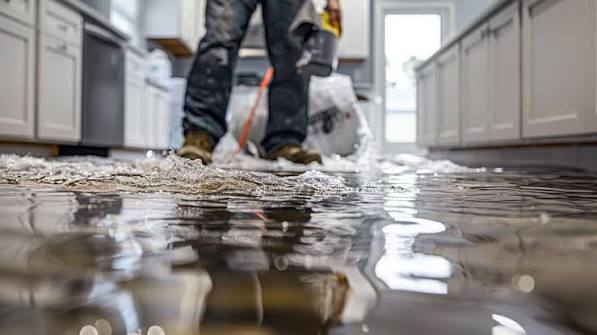
Standing water can move through porous materials and reach areas that are not immediately visible. Carpet padding, subflooring, drywall, and insulation can absorb moisture quickly.
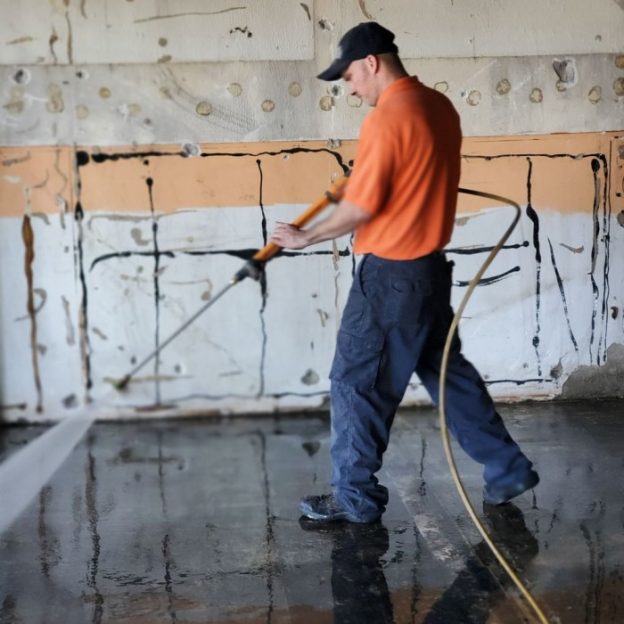
Professional water extraction services in Hephzibah, GA help remove excess water before the drying process begins. Specialized equipment may be used to extract water from floors, carpets, and other affected areas.
The amount of water, how long it has been present, and the materials involved all influence the cleanup approach. Faster removal can help limit the area affected and reduce the amount of material that may require replacement.
How Does Structural Drying Work?
Removing visible water is only part of water damage restoration. Moisture can remain inside walls, under flooring, and within other building materials after the surface appears dry.
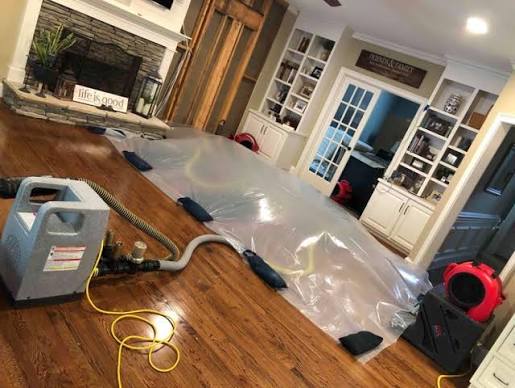
Professional structural drying services in Evans, GA may involve air movers, dehumidifiers, moisture meters, and other equipment designed to reduce remaining moisture.
Technicians may monitor affected areas throughout the drying process to determine whether moisture levels are decreasing. This step is important because hidden moisture can contribute to odors, material deterioration, and conditions that support mold growth.
What Happens After Flooding?
Flood damage can affect several areas of a property at the same time. Water may carry dirt, debris, or contaminants depending on its source, making proper cleanup especially important.
Professional flood damage restoration in Evans, GA may involve water removal, damaged-material evaluation, cleaning, sanitizing, drying, and restoration.
Items that cannot be safely dried or cleaned may need to be removed. Flooring, drywall, insulation, cabinets, and personal belongings should be assessed individually rather than assuming everything must automatically be discarded.
The goal is to determine what can be restored and what needs replacement.
Why Is Moisture Detection Necessary?
Water frequently travels beyond the area where the original leak is visible. For example, a plumbing problem inside a wall may allow moisture to spread into insulation, flooring, or nearby rooms.
Moisture detection equipment can help restoration professionals identify areas that still contain elevated moisture.
This information can guide drying equipment placement and help determine whether additional materials need to be inspected. Without proper moisture testing, hidden wet areas may remain untreated even after the visible water has been removed.
When Is Emergency Water Removal Needed?
Some water damage situations require immediate attention because water is actively spreading through the property.
Professional emergency water removal in Evans, GA may be appropriate after burst pipes, major appliance leaks, storm intrusion, overflowing plumbing fixtures, or other sudden events.
Before cleanup begins, homeowners should take appropriate safety precautions. Water near electrical equipment, damaged ceilings, contaminated water, or unstable building materials may create additional hazards.
When conditions appear unsafe, affected areas should be avoided until they have been professionally evaluated.
How Does Water Mitigation Reduce Further Damage?
Water mitigation focuses on controlling the immediate effects of water intrusion before full repairs or reconstruction take place.
Professional water mitigation services in Evans, GA can include stopping additional water entry, extraction, removing damaged materials, drying the structure, and controlling indoor moisture.
Mitigation is different from cosmetic repair. Repainting a stained wall or replacing flooring without addressing moisture underneath can hide the visible damage while leaving the original problem unresolved.
Proper mitigation creates better conditions for later repair work.
Can Water Damage Lead to Mold?
Mold growth is associated with excess moisture, making prompt drying an important part of water damage restoration.
Wet drywall, carpet, insulation, wood, and other materials can create conditions where mold may develop if moisture remains for an extended period.
Restoration professionals can focus on drying affected materials and controlling humidity. If visible mold or suspected contamination is already present, additional remediation procedures may be required.
Homeowners should also address the original moisture source to reduce the chance of the problem returning.
What Should Homeowners Do After Discovering Water Damage?
The first priority is identifying whether the area is safe to enter. Electrical risks, contaminated water, and structural damage should be taken seriously.
When it is safe to do so, homeowners can document visible damage, stop the water source if possible, move unaffected belongings away from the area, and contact a restoration professional.
Avoid assuming that a surface is completely dry based only on appearance. Moisture can remain beneath flooring and inside walls even when the visible area looks normal.
Conclusion
Water damage repair services in Evans, GA help property owners respond to leaks, flooding, burst pipes, appliance failures, and other moisture-related problems. Effective restoration involves more than removing visible water. Extraction, moisture detection, structural drying, cleaning, and careful evaluation all contribute to the recovery process.
Blount Disaster provides water damage cleanup and restoration support for property owners in Evans. Prompt attention to water intrusion can help limit additional damage and provide a clearer path toward restoring affected areas of a home or business.
FAQs
What should I do first after discovering water damage?
Stop the water source if it is safe to do so, avoid electrical hazards, protect unaffected belongings, and arrange professional evaluation and water removal.
How is hidden moisture detected?
Restoration professionals may use moisture meters and other specialized equipment to identify moisture inside walls, floors, and other building materials.
Can wet drywall always be dried?
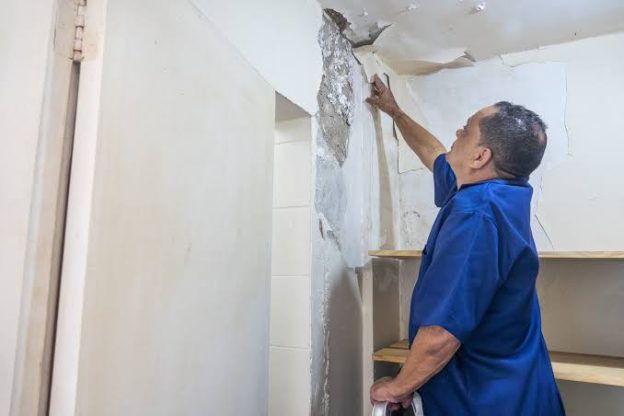
It depends on the amount of water, contamination level, length of exposure, and condition of the material. Some drywall can be dried, while heavily damaged sections may require removal.
Why are dehumidifiers used after water damage?
Dehumidifiers help remove excess moisture from the air and support the drying of affected building materials.
Does Blount Disaster serve Evans, GA?
Yes. Blount Disaster provides water damage cleanup and restoration services for property owners in Evans and surrounding Georgia communities.