
Tag Archives: Water Damage Reconstruction

Water Damage Reconstruction

How Water Damage Reconstruction Restores Augusta Properties

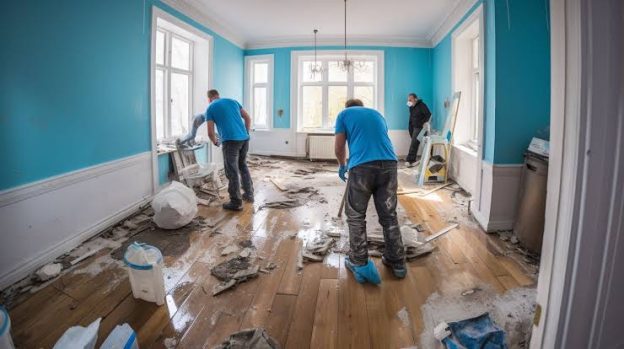
Water damage can continue affecting a property long after standing water is gone. Drywall may remain damaged, flooring can swell or separate, cabinets may deteriorate, ceilings can stain or sag, and structural materials may require repair. Once the affected areas have been properly dried and stabilized, professional water damage reconstruction in Augusta, GA can help rebuild the parts of the home or business that cannot be restored through drying alone.

Blount’s Disaster Restoration provides restoration and reconstruction services for properties affected by water, storms, fire, mold, and other damaging events. Reconstruction focuses on returning damaged areas to usable condition through repair, replacement, and finishing work after the initial water problem has been controlled.

Moving From Water Cleanup to Reconstruction

Water mitigation and reconstruction are connected, but they are not the same stage of recovery.

Mitigation generally focuses on stopping additional water intrusion, removing standing water, monitoring moisture, and drying affected areas. Reconstruction begins when damaged building materials need to be repaired or replaced.

Depending on the extent of the damage, reconstruction may involve drywall, flooring, ceilings, trim, cabinets, framing, painting, roofing, and other structural or interior components.

Starting the rebuilding process only after moisture conditions have been addressed helps reduce the risk of covering up unresolved water damage.

Why Drying Must Come Before Rebuilding

Water can move into areas that are not immediately visible. It may travel underneath flooring, behind drywall, into insulation, or along framing.

Professional water damage restoration in Augusta, GA can help determine which areas have been affected before reconstruction starts.

Installing new drywall, flooring, or cabinetry over damp materials can create additional problems later. The damaged area should first be evaluated and dried to an appropriate condition.

Once the environment is stable, contractors can determine which materials can remain and which need to be removed and rebuilt.

Restoring Walls After Water Damage

Walls are commonly affected by plumbing leaks, flooding, roof problems, and water traveling from upper levels.

Drywall may develop stains, softness, bubbling, or visible deterioration after prolonged moisture exposure. In some situations, damaged sections must be removed to allow the wall cavity to dry and to evaluate insulation or framing.

After the area has been prepared, reconstruction may include new drywall installation, joint finishing, texture work, primer, and paint.

A carefully completed repair should blend with the surrounding room instead of leaving the restored section looking unfinished or noticeably different.

Rebuilding Floors After Water Intrusion

Flooring can react differently to moisture depending on the material.

Carpet and padding may become saturated, laminate can swell, wood flooring may warp, and water can reach the subfloor beneath the visible surface.

Water damage reconstruction services in Evans, GA can involve removing damaged flooring, examining the underlying materials, and preparing the area before new flooring is installed.

The replacement material should be selected based on the room, household needs, appearance, and the condition of neighboring flooring.

Inspecting the subfloor is important because replacing only the visible surface may not address damage below.

Repairing Ceilings Affected by Water

Ceiling damage may result from roof leaks, plumbing failures, overflowing fixtures, or water coming from another floor.

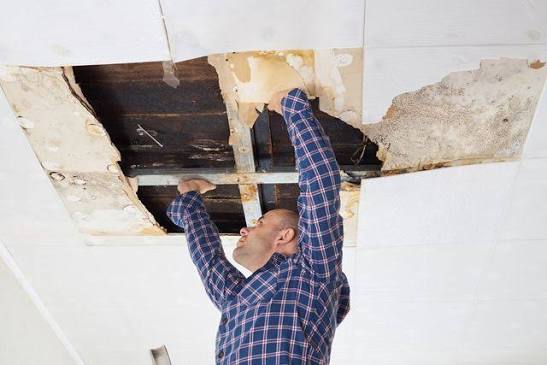
Common warning signs include brown stains, peeling paint, bubbling surfaces, sagging drywall, or visible cracking.

Before ceiling repairs begin, the source of the water should be corrected and the affected area should be sufficiently dry.

Reconstruction may then include removing damaged material, installing replacement drywall, matching the existing texture, and repainting the repaired area.

The space above the ceiling should also be considered when moisture may have reached insulation, framing, or other materials.

Reconstructing Multiple Rooms After Flooding

Larger water events can affect several areas of a building at the same time.

Flooding may damage floors, walls, cabinets, baseboards, insulation, doors, trim, and structural components throughout the property. In these situations, reconstruction requires organized sequencing.

Some areas may need demolition first, while others can move directly into repairs once drying is complete.

Blount’s Disaster Restoration provides reconstruction services that can range from focused repairs to broader rebuilding after substantial property damage.

A coordinated plan helps property owners understand which areas will be repaired first and how different phases of the project will connect.

Addressing Cabinets and Built-In Features

Kitchen and bathroom cabinets can be especially vulnerable to prolonged water exposure.

Moisture may cause cabinet materials to swell, separate, stain, or lose structural strength. Lower cabinets are often affected first when water spreads across flooring.

Some components may be repairable, while others may require replacement depending on the amount of damage.

During reconstruction, cabinet repairs should be coordinated with flooring, countertops, walls, and plumbing so the finished space fits together properly.

Built-in shelving, vanities, and other fixed features may require similar evaluation.

Considering Mold Before Reconstruction

Water damage and mold can sometimes occur together, particularly when moisture remains for an extended period.

Rebuilding over contaminated or damp materials can conceal the problem rather than solve it.

Blount’s Disaster Restoration also provides mold remediation services in the Augusta area. When mold is present, affected conditions should be addressed before new walls, flooring, or finishes are installed.

The original moisture source should also be identified so the same problem does not continue after reconstruction.

Proper preparation creates a better foundation for long-term repairs.

Factors That Influence Reconstruction Costs

Water damage reconstruction does not have one standard price because every property is affected differently.

Costs may depend on the number of rooms, amount of demolition, type of flooring, drywall replacement, cabinet damage, painting, structural repairs, and finish selections.

A small leak that damages part of one wall usually requires a very different project scope from flooding that affects several rooms.

The condition discovered after damaged materials are removed can also influence the final amount of work.

A detailed inspection provides better information for budgeting than relying on a general estimate without seeing the property.

Choosing a Water Damage Reconstruction Contractor

Property owners should look for a contractor who understands both the cleanup and rebuilding stages of water damage recovery.

This helps create continuity between drying, demolition, repairs, material replacement, and final finishing.

Ask which areas need reconstruction, which materials can remain, how moisture conditions were evaluated, and how the repair sequence will be organized.

Clear communication is especially useful when several rooms or different building components require work.

Blount’s Disaster Restoration provides restoration, mitigation, mold remediation, and reconstruction services designed to help properties move from initial damage through the rebuilding stage.

Conclusion

Water damage recovery does not always end once the water has been extracted. Damaged walls, flooring, ceilings, cabinets, framing, and other materials may still require repair or replacement before a property can return to normal use.

Homeowners and businesses searching for Water mitigation services near me Augusta, GA can work with Blount’s Disaster Restoration for assistance from cleanup and drying through reconstruction.

A well-planned recovery process addresses the moisture problem first and then rebuilds damaged areas in the correct sequence, helping restore both the appearance and functionality of the property.

Frequently Asked Questions

When does water damage reconstruction begin?

Reconstruction generally begins after standing water has been removed, affected areas have been evaluated, and moisture levels are suitable for rebuilding.

Which parts of a property may need reconstruction?

Walls, ceilings, flooring, cabinets, trim, insulation, framing, roofing, and other building materials may require repair or replacement depending on the damage.

Can only part of a damaged wall be replaced?

Yes. When damage is localized, only the affected drywall or wall section may need replacement, depending on the condition of surrounding materials.

Does flooring always need replacement after water damage?

Not always. The decision depends on the flooring material, duration of water exposure, amount of damage, and condition of the subfloor.

Why should mold be addressed before rebuilding?

Mold and unresolved moisture should be handled before new materials are installed so damaged or contaminated areas are not concealed behind finished surfaces.
 

Water Restoration

Water Damage Repair Helps Protect Properties in Evans, GA

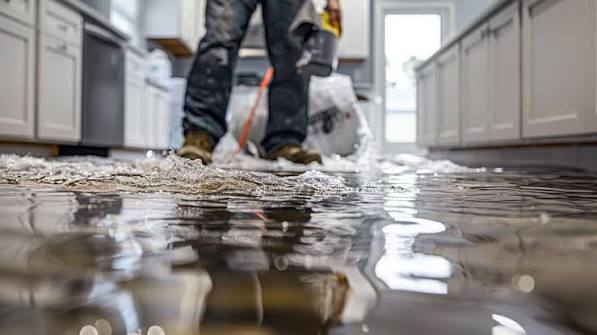
Water damage can develop quickly after a plumbing leak, burst pipe, appliance failure, roof problem, or severe weather event. Even a small amount of standing water can spread into flooring, drywall, insulation, cabinets, and other building materials if it is not addressed promptly. Property owners looking for water damage repair services in Evans, GA can turn to Blount Disaster for professional cleanup, drying, and restoration support. Understanding how water damage is evaluated and repaired can help homeowners make better decisions when an unexpected problem occurs.

What Causes Water Damage Inside a Property?

Water can enter residential and commercial buildings from many different sources. Some problems happen suddenly, while others develop gradually and remain hidden for days or weeks.

Common causes include:

  • Burst or leaking pipes
  • Overflowing sinks or toilets
  • Appliance supply-line failures
  • Water heater leaks
  • Roof leaks
  • Storm-related water intrusion
  • Drain backups
  • Foundation moisture
  • Flooding

The source of the water should be identified before restoration begins. Removing standing water without correcting the underlying leak may allow the same problem to return.

Why Is Fast Water Extraction Important?

Standing water can move through porous materials and reach areas that are not immediately visible. Carpet padding, subflooring, drywall, and insulation can absorb moisture quickly.

Professional water extraction services in Hephzibah, GA help remove excess water before the drying process begins. Specialized equipment may be used to extract water from floors, carpets, and other affected areas.

The amount of water, how long it has been present, and the materials involved all influence the cleanup approach. Faster removal can help limit the area affected and reduce the amount of material that may require replacement.

How Does Structural Drying Work?

Removing visible water is only part of water damage restoration. Moisture can remain inside walls, under flooring, and within other building materials after the surface appears dry.

Professional structural drying services in Evans, GA may involve air movers, dehumidifiers, moisture meters, and other equipment designed to reduce remaining moisture.

Technicians may monitor affected areas throughout the drying process to determine whether moisture levels are decreasing. This step is important because hidden moisture can contribute to odors, material deterioration, and conditions that support mold growth.

What Happens After Flooding?

Flood damage can affect several areas of a property at the same time. Water may carry dirt, debris, or contaminants depending on its source, making proper cleanup especially important.

Professional flood damage restoration in Evans, GA may involve water removal, damaged-material evaluation, cleaning, sanitizing, drying, and restoration.

Items that cannot be safely dried or cleaned may need to be removed. Flooring, drywall, insulation, cabinets, and personal belongings should be assessed individually rather than assuming everything must automatically be discarded.

The goal is to determine what can be restored and what needs replacement.

Why Is Moisture Detection Necessary?

Water frequently travels beyond the area where the original leak is visible. For example, a plumbing problem inside a wall may allow moisture to spread into insulation, flooring, or nearby rooms.

Moisture detection equipment can help restoration professionals identify areas that still contain elevated moisture.

This information can guide drying equipment placement and help determine whether additional materials need to be inspected. Without proper moisture testing, hidden wet areas may remain untreated even after the visible water has been removed.

When Is Emergency Water Removal Needed?

Some water damage situations require immediate attention because water is actively spreading through the property.

Professional emergency water removal in Evans, GA may be appropriate after burst pipes, major appliance leaks, storm intrusion, overflowing plumbing fixtures, or other sudden events.

Before cleanup begins, homeowners should take appropriate safety precautions. Water near electrical equipment, damaged ceilings, contaminated water, or unstable building materials may create additional hazards.

When conditions appear unsafe, affected areas should be avoided until they have been professionally evaluated.

How Does Water Mitigation Reduce Further Damage?

Water mitigation focuses on controlling the immediate effects of water intrusion before full repairs or reconstruction take place.

Professional water mitigation services in Evans, GA can include stopping additional water entry, extraction, removing damaged materials, drying the structure, and controlling indoor moisture.

Mitigation is different from cosmetic repair. Repainting a stained wall or replacing flooring without addressing moisture underneath can hide the visible damage while leaving the original problem unresolved.

Proper mitigation creates better conditions for later repair work.

Can Water Damage Lead to Mold?

Mold growth is associated with excess moisture, making prompt drying an important part of water damage restoration.

Wet drywall, carpet, insulation, wood, and other materials can create conditions where mold may develop if moisture remains for an extended period.

Restoration professionals can focus on drying affected materials and controlling humidity. If visible mold or suspected contamination is already present, additional remediation procedures may be required.

Homeowners should also address the original moisture source to reduce the chance of the problem returning.

What Should Homeowners Do After Discovering Water Damage?

The first priority is identifying whether the area is safe to enter. Electrical risks, contaminated water, and structural damage should be taken seriously.

When it is safe to do so, homeowners can document visible damage, stop the water source if possible, move unaffected belongings away from the area, and contact a restoration professional.

Avoid assuming that a surface is completely dry based only on appearance. Moisture can remain beneath flooring and inside walls even when the visible area looks normal.

Conclusion

Water damage repair services in Evans, GA help property owners respond to leaks, flooding, burst pipes, appliance failures, and other moisture-related problems. Effective restoration involves more than removing visible water. Extraction, moisture detection, structural drying, cleaning, and careful evaluation all contribute to the recovery process.

Blount Disaster provides water damage cleanup and restoration support for property owners in Evans. Prompt attention to water intrusion can help limit additional damage and provide a clearer path toward restoring affected areas of a home or business.

FAQs

What should I do first after discovering water damage?

Stop the water source if it is safe to do so, avoid electrical hazards, protect unaffected belongings, and arrange professional evaluation and water removal.

How is hidden moisture detected?

Restoration professionals may use moisture meters and other specialized equipment to identify moisture inside walls, floors, and other building materials.

Can wet drywall always be dried?

It depends on the amount of water, contamination level, length of exposure, and condition of the material. Some drywall can be dried, while heavily damaged sections may require removal.

Why are dehumidifiers used after water damage?

Dehumidifiers help remove excess moisture from the air and support the drying of affected building materials.

Does Blount Disaster serve Evans, GA?

Yes. Blount Disaster provides water damage cleanup and restoration services for property owners in Evans and surrounding Georgia communities.


Water Damage Reconstruction

Who Provides Water Damage Reconstruction in Augusta, GA?

Water damage can affect much more than the visible surface of a home or business. A burst pipe, plumbing leak, roof failure, storm, or flooding event can damage drywall, flooring, insulation, ceilings, cabinetry, framing, and other building materials. Once the water has been removed and the affected areas have been dried, some properties still require professional water damage reconstruction in Augusta, GA to restore damaged sections and make the space functional again.

Blount’s Disaster Restoration provides restoration and reconstruction solutions for properties affected by water, storms, fire, mold, and other disasters. Its published Augusta content specifically describes property reconstruction after floods and other major property damage, including rebuilding walls, floors, roofs, and additional structural components.

Complete Water Damage Reconstruction Solutions

Water mitigation and reconstruction are different stages of property recovery. Mitigation focuses on stopping additional damage, extracting water, and drying affected areas. Reconstruction begins when damaged building materials need to be repaired or replaced.

Professional reconstruction services may include:

  • Drywall replacement
  • Flooring replacement
  • Ceiling repairs
  • Wall reconstruction
  • Trim and molding replacement
  • Painting and finishing
  • Cabinet repairs
  • Framing repairs
  • Structural restoration
  • Interior rebuilding
  • Roof and exterior repairs
  • Complete room reconstruction

Blount’s Disaster Restoration describes its reconstruction work as restoring damaged residential and commercial properties after events such as flooding, storms, and fires.

Start With Water Removal and Drying

Reconstruction should not begin while excess moisture remains inside the building.

Water can travel beneath flooring, behind drywall, into insulation, and through structural materials. Installing new finishes before the affected areas are adequately dried can conceal an unresolved moisture problem.

Professional water damage restoration in Augusta, GA should therefore begin with identifying the water source, removing standing water when necessary, evaluating moisture conditions, and drying affected materials.

Only after the damaged area has been stabilized can contractors determine which materials remain usable and which require replacement.

Rebuilding Water-Damaged Walls

Drywall is particularly vulnerable to significant water exposure.

Depending on the severity and source of the damage, affected drywall may need to be removed so the wall cavity can be evaluated and dried. Insulation, baseboards, and other materials may also require attention.

After the area is dry and suitable for rebuilding, reconstruction can involve replacing damaged wall materials, finishing joints, applying texture when needed, and repainting the restored area.

Professional reconstruction helps the repaired section blend more naturally with the surrounding room instead of leaving an obvious patch.

Flooring Reconstruction After Water Damage

Water can affect several layers of a flooring system.

Carpet and padding may become saturated, laminate can swell, hardwood may warp, and moisture can reach the subfloor underneath the finished surface.

A professional inspection helps determine how far the damage extends before replacement begins.

Water damage reconstruction services in Evans, GA may involve removing damaged flooring, evaluating the subfloor, addressing affected materials, and installing new flooring once the area is ready.

The replacement material should be selected according to the room, moisture exposure, household needs, and surrounding interior finishes.

Repairing Ceilings After Leaks

Roof leaks, plumbing failures, and water from upper floors can damage ceilings below.

Warning signs may include staining, bubbling paint, sagging drywall, or deteriorated ceiling materials. A visibly damaged ceiling should be evaluated carefully because water may have affected areas above the finished surface.

After the source is corrected and the area is dried, damaged sections can be removed and reconstructed.

The final work may include drywall installation, finishing, texture matching, primer, and paint to restore the room’s appearance.

Reconstruction After Major Flooding

More extensive water events can affect several rooms at the same time.

Flooding may damage flooring, walls, cabinets, insulation, trim, and structural materials throughout the property. In these situations, reconstruction requires careful sequencing so each stage is completed in the proper order.

Blount’s Disaster Restoration’s Augusta reconstruction information explains that projects may range from repairing one room to rebuilding larger portions of a home or business after significant property damage.

A coordinated reconstruction plan can help property owners understand which areas need immediate attention and which improvements can follow later.

Why Mold Should Be Considered

Moisture problems that remain unresolved can also create conditions where mold develops.

Blount’s Disaster Restoration provides mold remediation in Augusta and describes its process as identifying moisture sources, locating affected areas, removing contamination, and addressing conditions that can contribute to future growth.

When reconstruction follows water damage, contractors should not simply cover visibly damaged materials. The moisture source and affected areas need to be addressed first.

This approach provides a better foundation for long-term repairs.

Residential and Commercial Reconstruction

Water damage can create different challenges depending on the type of property.

In a home, affected areas may include bedrooms, bathrooms, kitchens, basements, or living spaces. Commercial damage may interrupt operations and affect offices, flooring, inventory areas, ceilings, or customer spaces.

Professional property reconstruction in Augusta, GA can be adapted according to the extent of damage and the way the building is used.

Blount’s Disaster Restoration states that its reconstruction services are available for both residential and commercial properties.

What Affects Water Damage Reconstruction Cost?

Reconstruction costs depend on the amount and type of damage rather than one standard price.

Important factors can include the number of affected rooms, damaged materials, flooring type, structural repairs, drywall replacement, painting, cabinetry, demolition, and finish selections.

A small plumbing leak affecting one wall may involve a very different scope from flooding that reaches several rooms.

A professional evaluation helps establish which materials need replacement and provides a clearer basis for planning the project.

Choosing a Reconstruction Contractor

Property owners should look for a company that understands both restoration and rebuilding.

This is important because successful reconstruction begins with understanding what caused the damage and what happened during the mitigation stage.

A qualified contractor should clearly explain the affected areas, proposed repairs, reconstruction sequence, material choices, and final finishing work.

Blount’s Disaster Restoration provides water mitigation, mold remediation, disaster restoration, and property reconstruction services in and around Augusta, helping property owners move from initial damage toward complete repairs.

Conclusion

Professional Water mitigation services near me Augusta, GA helps restore homes and commercial properties after leaks, floods, storms, and other water-related events. The process may involve repairing drywall, flooring, ceilings, framing, cabinetry, and other damaged building materials after the moisture problem has been properly addressed.

Blount’s Disaster Restoration provides restoration and reconstruction solutions designed to take damaged properties from cleanup and stabilization through rebuilding and finishing. Addressing both the original water problem and the resulting construction damage can help create a safer, cleaner, and more complete property recovery.

FAQs

What is water damage reconstruction?

Water damage reconstruction is the repair and rebuilding stage that follows water extraction and drying. It may include replacing drywall, flooring, ceilings, trim, cabinetry, and structural materials.

Does reconstruction begin immediately after flooding?

Usually, damaged areas first need to be assessed, stabilized, and adequately dried before rebuilding begins.

Can water-damaged drywall be replaced?

Yes. Drywall that cannot be appropriately restored may be removed and replaced after the wall cavity and surrounding materials are ready for reconstruction.

Can flooring be replaced after water damage?

Yes. Damaged flooring can be removed and replaced after the underlying area has been evaluated and sufficiently dried.

Does Blount’s Disaster Restoration handle mold after water damage?

Yes. The company publishes mold remediation services for Augusta and surrounding Georgia communities in addition to water mitigation and restoration work.