
Author Archives: Web Seo

Construction Services

Professional Construction Services in Augusta, GA

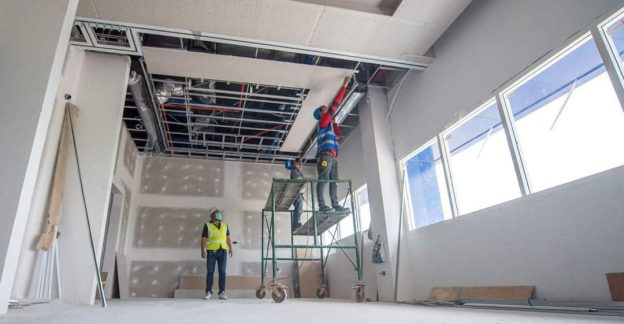
Planning a home improvement project requires more than choosing attractive finishes or creating a list of upgrades. Successful construction begins with careful planning, realistic expectations, durable materials, and skilled workmanship. Homeowners investing in Expert Construction Services can improve the comfort, functionality, and long-term usefulness of their property while avoiding many common renovation problems. Whether you are improving an existing home in North Augusta, SC or planning a larger project in Evans, GA, understanding the construction process helps you make better decisions. Blount’s Complete Home Services provides construction solutions for homeowners planning remodeling, additions, repairs, and new construction projects.

Every construction project has different requirements. An older home may need layout improvements and structural repairs, while another property may require additional living space or a completely new design. Establishing clear priorities before construction begins makes it easier to control costs, select materials, coordinate work, and create a finished space that meets your household’s needs.

Why Professional Construction Planning Mattersc

A successful construction project starts long before workers begin building. Planning determines how the available space will be used, what materials are appropriate, which improvements should receive priority, and how different stages of the project will work together.

Creating a Clear Plan Before Construction Starts

Homeowners should first identify the main purpose of the project. Some renovations focus on improving outdated rooms, while others create more space for growing families or improve the overall flow of the home.

Professional Construction Services can help homeowners plan improvements involving:

  • Residential remodeling
  • Home additions
  • Interior upgrades
  • Property repairs
  • New construction
  • Layout improvements

A clear plan also reduces the chance of making expensive changes after construction has already started. Choosing layouts, materials, fixtures, and major design elements early allows different parts of the project to move forward more efficiently.

Homeowners should also consider how their needs may change over time. Additional storage, flexible rooms, improved accessibility, and practical layouts can make a home more useful for many years rather than solving only immediate concerns.

Improving Existing Homes Through Remodeling

Many homes have strong structures but outdated layouts, worn surfaces, or spaces that no longer match the way families live today. Remodeling allows homeowners to update these areas without replacing everything.

Home Remodeling Services in North Augusta, SC

Professional Home Remodeling Services in Augusta, GA can address both appearance and functionality. A thoughtful renovation may improve how rooms connect, create additional storage, update aging materials, or make better use of available square footage.

Before beginning a remodel, homeowners should consider:

  • Which rooms create the most daily inconvenience
  • Whether additional storage is necessary
  • Which existing materials should be replaced
  • How lighting can be improved
  • Whether the current layout works efficiently

Kitchen and bathroom improvements are common, but remodeling can also involve living rooms, bedrooms, hallways, utility areas, and other parts of the property.

A renovation should not focus only on current design trends. Materials need to withstand everyday use, while layouts should remain convenient as household needs change.

Good planning also helps homeowners determine which existing features can remain. Keeping useful components when appropriate may reduce unnecessary work while allowing the budget to focus on improvements that provide greater practical value.

Choosing Materials for Long-Term Performance

Materials influence how a completed construction project looks, performs, and ages. Selecting products based only on appearance can create maintenance problems later.

Balancing Appearance, Durability, and Maintenance

Every part of a home experiences different conditions. Flooring must tolerate foot traffic, kitchens need surfaces that handle frequent cleaning, bathrooms require moisture-resistant materials, and exterior components must withstand changing weather.

When comparing construction materials, consider:

  • Expected lifespan
  • Maintenance requirements
  • Moisture resistance
  • Daily wear and traffic
  • Ease of cleaning
  • Compatibility with surrounding materials

Durability becomes especially important in areas used every day. Spending more on the right product can sometimes reduce future repair and replacement expenses.

Homeowners should also think about consistency. Flooring, cabinetry, trim, fixtures, and wall finishes should work together rather than appearing like unrelated improvements completed at different times.

Professional construction planning helps homeowners compare materials based on both appearance and performance so the finished project remains practical after the initial renovation is complete.

Planning Additional Living Space

Families often discover that their existing home no longer provides enough usable space. Moving is not always the preferred solution, especially when homeowners already like their property and neighborhood.

Designing an Addition Around Everyday Needs

A home addition can provide extra bedrooms, expanded living areas, home offices, larger kitchens, or other useful spaces. However, adding square footage requires careful planning because the new area should connect naturally with the existing structure.

Important considerations include:

  • How the new room connects to existing spaces
  • Natural lighting and window placement
  • Heating and cooling needs
  • Electrical and plumbing requirements
  • Storage and furniture placement
  • Exterior appearance

A well-planned addition should feel like part of the original house instead of a separate structure added later.

Homeowners should also avoid building more space than they realistically need. The goal should be to solve specific functional problems rather than simply increasing square footage.

Careful planning helps ensure that every new area serves a clear purpose and supports the way the household lives.

Understanding New Home Construction

Building a new home provides greater control over layout, room sizes, materials, storage, and other important details. However, it also requires more decisions than renovating an existing property.

New Home Construction in Evans, GA

Planning New Home Construction in Evans, GA should begin with lifestyle needs rather than decorative selections. Homeowners should think about how they use their home each day and design spaces around those routines.

Important early decisions may include:

  • Number and size of bedrooms
  • Kitchen and dining layout
  • Bathroom placement
  • Storage requirements
  • Home office needs
  • Laundry location
  • Indoor and outdoor connections

Future needs should also influence the design. A flexible room might serve as an office today and a bedroom later. Additional storage can help keep frequently used areas organized as a household grows.

New construction also gives homeowners the opportunity to coordinate materials, fixtures, finishes, and layouts from the beginning. This creates a more consistent design and reduces the need for major changes soon after moving into the property.

The strongest home designs balance appearance with everyday convenience.

Making Your Construction Budget Work Effectively

Construction costs can increase when homeowners begin adding features after the project starts. Establishing priorities early makes budgeting easier and helps prevent unnecessary changes.

Focus Spending on Improvements That Matter Most

Start by separating essential improvements from optional upgrades. Structural work, plumbing, electrical needs, and other fundamental components should generally receive attention before decorative extras.

A practical construction budget should consider:

  • Labor
  • Materials
  • Fixtures
  • Design decisions
  • Necessary repairs
  • Unexpected conditions
  • Final finishing work

Homeowners should also leave some flexibility for unforeseen issues, particularly when remodeling older properties. Existing walls or floors may hide conditions that are not visible until work begins.

Comparing only the initial price of a material can also be misleading. A lower-cost product that requires frequent repairs or replacement may cost more over time than a durable alternative.

Clear communication throughout the project helps homeowners understand where the budget is being used and whether requested changes will affect costs.

Preparing Your Home Before Remodeling Begins

Construction can temporarily change daily routines. Preparing the household before work starts makes the process easier to manage.

Simple Steps That Reduce Construction Disruptions

Homeowners can prepare by moving furniture, valuable items, decorations, and other belongings away from the work area. Creating a temporary kitchen or alternative living space may also help during larger remodeling projects.

Before construction begins:

  • Clear the work zone.
  • Protect valuable belongings.
  • Discuss access areas with the contractor.
  • Plan around temporary utility interruptions.
  • Keep children and pets away from active work areas.

It is also helpful to discuss the expected sequence of work. Knowing which rooms will be affected and when major stages are expected to occur allows homeowners to organize their routines more effectively.

Good preparation does not eliminate every inconvenience, but it can reduce unnecessary stress during the project.

Why Skilled Construction Work Matters

Quality construction involves more than assembling materials. Contractors must understand how different building components work together and how one change may affect another part of the property.

Coordinating the Entire Project

Remodeling may involve framing, flooring, cabinetry, electrical work, plumbing, painting, and finishing. Without proper coordination, delays in one stage can affect several others.

Experienced professionals help coordinate these different elements and keep the work aligned with the overall project plan.

Blount’s Complete Home Services works as a general contractor for remodeling, repairs, additions, and new construction. Careful project coordination can help homeowners move from the early planning stages through construction with a clearer understanding of the work being completed.

Professional guidance is especially useful when a project involves several rooms or major changes to an existing home.

Maintaining Your Home After Construction

Finishing construction does not mean homeowners should stop paying attention to the improved areas. Regular care helps protect materials and identify small problems before they become larger repairs.

Protecting Your Construction Investment

After a remodeling or construction project, homeowners should follow recommended care instructions for flooring, countertops, cabinets, paint, exterior materials, and fixtures.

Simple maintenance practices include:

  • Cleaning surfaces with appropriate products
  • Checking plumbing fixtures for leaks
  • Inspecting caulking and seals
  • Addressing minor damage quickly
  • Keeping exterior drainage areas clear
  • Following manufacturer maintenance recommendations

Keeping records of installed products can also be useful when replacement parts or maintenance information is needed later.

Regular inspections help protect both the appearance and functionality of newly completed improvements.

Conclusion

A successful construction project begins with clear goals, careful planning, durable materials, and professional coordination. Whether you are changing an existing layout, expanding your living space, repairing an aging property, or building something new, understanding each stage of the process helps prevent unnecessary problems.

Homeowners in North Augusta, SC and Evans, GA should consider both current needs and long-term plans before making major construction decisions. Practical layouts, quality materials, useful storage, and well-planned living spaces can improve everyday comfort while helping the property remain functional for years.

Choosing professional Home Remodeling Services in North Augusta, SC or planning New Home Construction in Evans, GA should begin with a clear understanding of your goals. With thoughtful preparation and experienced construction support, homeowners can create spaces that are attractive, durable, comfortable, and suited to everyday life.

FAQs

What should I do before starting a home remodeling project?

Start by identifying the problems you want the renovation to solve, establishing a realistic budget, deciding which improvements have the highest priority, and discussing the project scope with an experienced contractor.

Can remodeling improve the functionality of an older home?

Yes. Remodeling can improve room layouts, storage, lighting, accessibility, and the way different areas of the home connect while allowing useful existing features to remain.

What should I consider when planning a home addition?

Consider how much space you actually need, how the addition will connect to the existing house, utility requirements, natural lighting, storage, and how the new exterior will coordinate with the original structure.

How should I choose materials for a construction project?

Compare materials based on durability, maintenance, moisture resistance, daily use, appearance, and long-term value rather than selecting products based only on initial price.

Why is planning important for new home construction?

Early planning helps coordinate room layouts, storage, utilities, materials, and future needs before construction begins. This reduces unnecessary design changes and helps create a home that supports everyday routines.
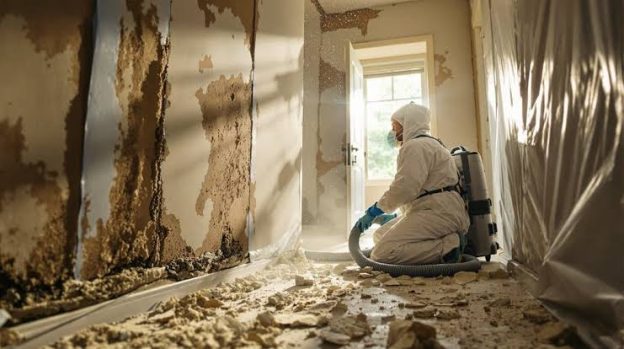
 

Fast Flood Cleanup Helps to Protect Evans, GA

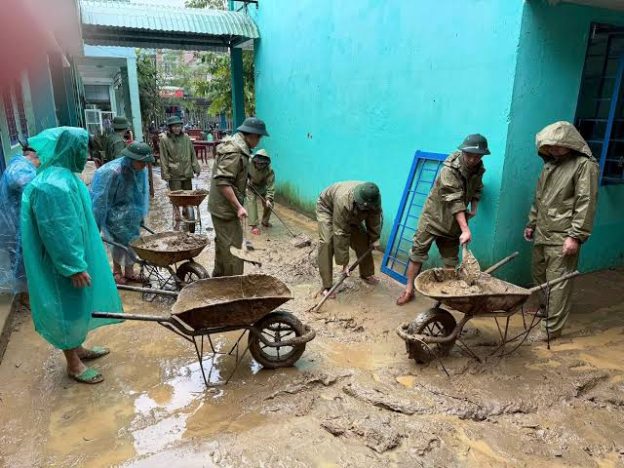
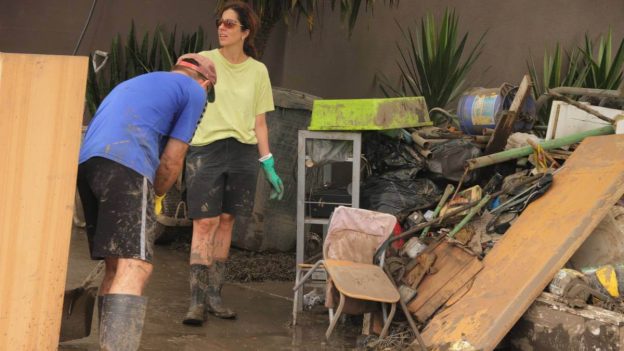
Flooding can affect a property within minutes, especially when water spreads through flooring, walls, cabinets, furniture, and other building materials. Even after visible water is removed, moisture can remain hidden beneath surfaces and continue causing problems.

Professional emergency flood cleanup services in Evans, GA help homeowners and businesses respond quickly after water damage. The process may involve water extraction, moisture detection, drying, cleaning, damaged-material removal, and restoration depending on the severity of the loss.

Blount’s Disaster Restoration provides disaster restoration services for residential and commercial properties affected by water and other unexpected damage. A structured cleanup approach can help property owners move from the initial emergency toward a cleaner, drier, and more usable space.

What Should You Do First After a Flood?

The first priority is safety.

If flooding is associated with electrical hazards, contaminated water, structural damage, or severe weather, occupants should avoid entering unsafe areas until professionals determine that access is appropriate.

When possible, the source of incoming water should also be controlled.

For example, a leaking appliance or broken plumbing line may need to be shut off before cleanup begins. Stormwater or exterior flooding may require a different response.

Once the immediate source has been addressed, professional flood damage cleanup in Evans, GA can begin with an assessment of how far the water has traveled.

Water Extraction Helps Start the Recovery Process

Removing standing water is one of the first major steps after flooding.

Restoration crews may use professional extraction equipment to remove water from flooring and other affected areas more efficiently than household equipment.

Emergency water removal in Blythe, GA demonstrates the importance of removing excess water before moving to the drying and cleaning stages.

Extraction alone does not complete the restoration process.

Once visible water has been removed, the property still needs to be evaluated for moisture remaining inside building materials.

Why Drywall Often Needs Careful Evaluation

Drywall absorbs water quickly.

When flooding reaches the lower portion of a wall, moisture may travel upward through the material even if staining appears limited to one area.

Some drywall can potentially dry depending on the circumstances, while heavily saturated or contaminated sections may need removal.

Restoration professionals can evaluate moisture levels and determine the appropriate response.

Removing damaged materials when necessary also allows wall cavities to dry properly before reconstruction begins.

Cleaning and Sanitizing Flood-Affected Areas

Flood cleanup involves more than drying.

Water can leave behind dirt, residue, odors, and contaminants depending on its source.

Professional cleaning may involve surfaces, floors, walls, fixtures, furniture, and other affected items.

The appropriate cleaning process depends heavily on the water category.

For example, clean water from a supply line creates different concerns than sewage-contaminated water or exterior floodwater.

Restoration professionals should evaluate the source before determining which materials can be cleaned and which may need disposal.

Flood Cleanup for Homes in Evans

Residential flooding can disrupt bedrooms, kitchens, bathrooms, basements, living rooms, and other areas of the home.

Professional residential flood cleanup in Evans, GA can help homeowners organize the recovery process from water extraction through drying and repairs.

Depending on the damage, services may include:

  • Water removal
  • Moisture inspection
  • Structural drying
  • Cleaning
  • Odor management
  • Removal of damaged materials
  • Repairs
  • Reconstruction

A coordinated approach can make it easier to address multiple damaged areas without treating each issue separately.

Commercial Flood Restoration

Flooding can be especially disruptive for businesses because water damage can affect operations, equipment, inventory, offices, customer areas, and employee workspaces.

Professional commercial flood cleanup in Evans, GA should consider both the physical damage and the need to restore usable portions of the property as efficiently as possible.

Large commercial spaces may require multiple extraction units, drying equipment, and a more detailed restoration plan.

Blount’s Disaster Restoration works with both residential and commercial properties, allowing cleanup strategies to be adjusted according to the building and scope of damage.

Storm Damage Can Affect Multiple Areas at Once

Heavy rain and severe weather can allow water to enter through roofs, exterior openings, damaged building materials, or overwhelmed drainage systems.

Unlike a small plumbing leak, storm-related flooding may affect several rooms or levels at the same time.

Restoration professionals should therefore inspect beyond the most visibly damaged location.

Water may travel along walls, beneath flooring, or into adjoining rooms before it becomes obvious.

A complete assessment can help identify affected areas early in the restoration process.

When Should Damaged Materials Be Removed?

Not every wet material automatically requires replacement.

Some items may be dried and restored depending on how long they were exposed to water, the material involved, and the water source.

Other materials may be too damaged to save.

Common factors that influence removal decisions include:

  • Swelling
  • Warping
  • Separation
  • Heavy saturation
  • Contamination
  • Loss of structural integrity
  • Persistent odors
  • Inability to dry properly

Professional evaluation helps property owners avoid both unnecessary demolition and attempts to save materials that are no longer suitable.

Why Fast Response Matters

The longer moisture remains inside a building, the more opportunities it has to spread into additional materials.

Prompt action can help limit the extent of the damage and make the drying process easier to manage.

This does not mean property owners should enter unsafe areas or attempt hazardous cleanup themselves.

Instead, the goal is to contact qualified restoration professionals quickly once the property can be accessed safely.

Emergency flood cleanup services in Evans, GA can provide an organized response when water damage requires more than basic household cleanup.

Start Restoring Your Evans Property

Flooding can feel overwhelming, but a step-by-step restoration process can help bring order to the situation.

Professional emergency flood cleanup services in Evans, GA can address standing water, hidden moisture, wet building materials, cleaning needs, and necessary repairs.

Blount’s Disaster Restoration provides disaster recovery services for residential and commercial properties affected by flooding and other water-related emergencies.

Whether the problem begins with a plumbing failure, appliance leak, storm, drainage issue, or another source, quick professional evaluation can help determine the safest and most practical path toward recovery.

Frequently Asked Questions

How quickly should flood cleanup begin?

Cleanup should begin as soon as conditions are safe. Prompt water removal and drying can help reduce the amount of time building materials remain wet.

Can water remain hidden after the floor looks dry?

Yes. Moisture can remain beneath flooring, behind walls, inside cabinets, and within other porous materials even after visible water has disappeared.

Does professional flood cleanup include drying?

Yes. Water extraction is typically followed by structural drying and moisture monitoring when building materials have absorbed water.

Does all wet drywall need to be removed?

Not necessarily. The decision depends on the amount of saturation, water source, material condition, and whether the wall can be dried effectively.

Can businesses use professional flood restoration services?

Yes. Commercial flood restoration can address offices, retail properties, warehouses, and other business spaces depending on the restoration company’s capabilities.


Mold Remediation

How Mold Remediation Helps Protect Properties in Wrens, GA

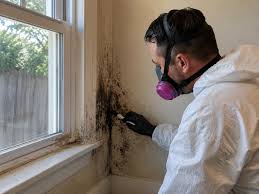
Moisture problems can quickly create the conditions mold needs to grow. Roof leaks, plumbing failures, flooding, poor ventilation, and high humidity can all leave building materials damp for extended periods. When mold develops, it may affect drywall, insulation, flooring, ceilings, framing, and other parts of the property.

Professional Mold Remediation and Mitigation focuses on identifying affected areas, addressing moisture sources, removing contaminated materials when necessary, and preparing the property for restoration. Blount’s Disaster Restoration provides mold cleanup and property restoration services for residential and commercial buildings dealing with water-related damage and indoor mold concerns.

Why Mold Problems Should Be Addressed Early

Mold does not always remain limited to the area where it first becomes visible. Moisture can move behind walls, underneath flooring, into insulation, and through crawl spaces before homeowners notice a problem.

Visible staining may therefore represent only one part of a larger moisture issue.

Professional Mold Remediation in Wrens, GA should begin by determining why moisture is present. Cleaning the visible surface without correcting the source may allow the same conditions to return.

Common moisture sources can include:

  • Plumbing leaks
  • Roof damage
  • Storm-related water intrusion
  • Flooding
  • HVAC condensation
  • Poor ventilation
  • Persistent indoor humidity

Addressing the water source first provides a better foundation for mold cleanup and restoration.

Inspecting the Property for Moisture and Mold

A mold remediation project normally starts with an assessment of the affected property.

Technicians may inspect walls, ceilings, flooring, attics, crawl spaces, basements, cabinets, and other areas where moisture can collect. The objective is to understand how far the problem extends and whether building materials remain damp.

Moisture-detection tools may be used to help locate areas that are not visibly wet.

A detailed inspection can also help determine whether the project involves surface cleaning, removal of damaged materials, drying, or broader restoration work.

Creating Containment Around Affected Areas

When mold is concentrated in a particular section of the property, containment may be used to separate that space from unaffected rooms.

This can help limit unnecessary movement of dust and disturbed material during cleanup.

Containment requirements depend on the size and location of the affected area. Smaller residential projects may require a different approach than larger commercial spaces or properties with contamination across several rooms.

The remediation plan should be based on actual site conditions rather than using the same process for every property.

Removing Materials That Cannot Be Restored

Some porous building materials may become too damaged to clean effectively after prolonged moisture or mold exposure.

Depending on the condition of the property, this can include drywall, insulation, carpeting, ceiling materials, or other absorbent products.

Professional Black Mold Removal and general mold remediation may involve removing affected materials while protecting surrounding areas.

The decision to remove a material should depend on contamination, moisture exposure, material condition, and whether the surface can be cleaned appropriately.

After removal, the underlying area can be inspected and prepared for drying and reconstruction.

Cleaning Remaining Surfaces

Not every material in a mold-affected area needs to be removed.

Some surfaces may be suitable for professional cleaning after the contaminated or damaged materials have been taken out.

Cleaning can involve HEPA vacuuming, surface treatment, and other methods selected according to the affected material.

The goal is to address remaining residue while preparing the space for drying and later restoration.

Air-filtration equipment may also be used during the project depending on conditions inside the property.

Drying the Building Before Reconstruction

Mold remediation is closely connected to moisture control.

Even after contaminated materials are removed, damp framing, flooring systems, walls, or other components may still need time to dry.

Air movers, dehumidification equipment, and moisture monitoring may be used to support the drying process.

Installing new drywall, flooring, insulation, or finishes before the building is sufficiently dry can hide an unresolved moisture problem.

Drying should therefore be completed before reconstruction begins.

Mold Problems in Residential Properties

Homes can develop mold in many locations, especially where water or humidity is common.

Bathrooms, kitchens, attics, crawl spaces, basements, laundry areas, and rooms near plumbing lines may all experience moisture concerns.

Residential Mold Remediation in Wrens, GA can be adapted around the location and extent of the problem.

A small leak affecting one wall may require a relatively focused cleanup, while flooding or long-term water intrusion can affect several rooms.

Homeowners should also consider whether damaged finishes, cabinetry, flooring, or insulation will need restoration after remediation is complete.

Mold Cleanup for Commercial Buildings

Commercial properties can present different challenges because the spaces may be larger and more complex.

Commercial Mold Remediation in Thomson, GA may involve offices, retail spaces, warehouses, multifamily buildings, healthcare properties, or other commercial environments.

The remediation process may need to consider building access, operating hours, HVAC systems, employee areas, and customer spaces.

Clear scheduling and containment can be especially important when sections of the property remain occupied during cleanup.

The Difference Between Mold Mitigation and Restoration

Mold mitigation focuses on controlling the immediate problem and reducing additional spread.

Restoration deals with repairing or replacing building materials after the mold and moisture issues have been addressed.

For example, drywall may need removal during mitigation, followed later by new drywall installation, finishing, and painting.

Flooring, trim, cabinets, insulation, and other materials may also require reconstruction depending on the level of damage.

Working with a company that handles both cleanup and restoration can help create continuity between the two stages.

Factors That Can Affect Mold Remediation Cost

Mold remediation costs vary because no two properties have exactly the same conditions.

Project scope can depend on:

  • Size of the affected area
  • Number of rooms involved
  • Moisture source
  • Accessibility
  • Amount of material removal required
  • Drying needs
  • Containment requirements
  • Structural damage
  • Restoration work after cleanup

A small localized mold issue generally requires a different level of work than widespread moisture damage affecting walls, floors, and framing.

An on-site evaluation can provide a clearer understanding of what the property actually needs.

Preventing Mold From Returning

The most important part of long-term mold control is addressing the moisture source.

If a roof continues leaking, plumbing remains damaged, or indoor humidity stays excessively high, mold may return even after cleanup.

Property owners should watch for water stains, musty odors, condensation, damp building materials, and recurring leaks.

Ventilation and moisture management may also be important in areas such as bathrooms, kitchens, crawl spaces, and attics.

Professional Mold Mitigation Services should focus not only on removing affected materials but also on identifying conditions that contributed to the problem.

Choosing a Mold Remediation Company

Property owners should look for a contractor that can clearly explain the inspection, containment, removal, drying, and restoration process.

Ask which materials can be cleaned, which may need replacement, how moisture will be monitored, and how the underlying water source will be addressed.

Good communication is especially important when several rooms or building components are affected.

Blount’s Disaster Restoration provides mold remediation and property restoration services for homes and businesses in and around Wrens, GA.

Conclusion

Mold problems often begin with moisture, which is why successful remediation involves more than cleaning visible growth. The affected area should be inspected, the moisture source identified, damaged materials addressed, and the building dried before reconstruction begins.

Professional Mold Remediation and Mitigation can help property owners manage mold while protecting surrounding building materials from continued moisture damage.

For homeowners and businesses in Wrens, GA, Blount’s Disaster Restoration can assist with mold cleanup, drying, restoration, and related property recovery services.

Frequently Asked Questions

What is included in mold remediation?

Mold remediation may include inspection, containment, removal of damaged materials, surface cleaning, air filtration, drying, and preparation for restoration.

Does visible mold always mean there is hidden mold?

Not always, but visible mold can sometimes be connected to moisture behind walls, under flooring, or in other concealed areas. An inspection can help determine the extent of the problem.

Can mold return after cleanup?

Yes. Mold can return when the original moisture source remains. Correcting leaks, humidity, or water intrusion is an important part of prevention.

Is mold testing required for every property?

No. Testing may be helpful in some situations, but not every remediation project requires laboratory testing. The need depends on the property and project conditions.

Can damaged drywall and flooring be restored after mold remediation?

Yes. Materials that cannot be cleaned or restored may be replaced after the affected area has been properly remediated and dried.


Water Damage Reconstruction

How Water Damage Reconstruction Restores Augusta Properties

Water damage can continue affecting a property long after standing water is gone. Drywall may remain damaged, flooring can swell or separate, cabinets may deteriorate, ceilings can stain or sag, and structural materials may require repair. Once the affected areas have been properly dried and stabilized, professional water damage reconstruction in Augusta, GA can help rebuild the parts of the home or business that cannot be restored through drying alone.

Blount’s Disaster Restoration provides restoration and reconstruction services for properties affected by water, storms, fire, mold, and other damaging events. Reconstruction focuses on returning damaged areas to usable condition through repair, replacement, and finishing work after the initial water problem has been controlled.

Moving From Water Cleanup to Reconstruction

Water mitigation and reconstruction are connected, but they are not the same stage of recovery.

Mitigation generally focuses on stopping additional water intrusion, removing standing water, monitoring moisture, and drying affected areas. Reconstruction begins when damaged building materials need to be repaired or replaced.

Depending on the extent of the damage, reconstruction may involve drywall, flooring, ceilings, trim, cabinets, framing, painting, roofing, and other structural or interior components.

Starting the rebuilding process only after moisture conditions have been addressed helps reduce the risk of covering up unresolved water damage.

Why Drying Must Come Before Rebuilding

Water can move into areas that are not immediately visible. It may travel underneath flooring, behind drywall, into insulation, or along framing.

Professional water damage restoration in Augusta, GA can help determine which areas have been affected before reconstruction starts.

Installing new drywall, flooring, or cabinetry over damp materials can create additional problems later. The damaged area should first be evaluated and dried to an appropriate condition.

Once the environment is stable, contractors can determine which materials can remain and which need to be removed and rebuilt.

Restoring Walls After Water Damage

Walls are commonly affected by plumbing leaks, flooding, roof problems, and water traveling from upper levels.

Drywall may develop stains, softness, bubbling, or visible deterioration after prolonged moisture exposure. In some situations, damaged sections must be removed to allow the wall cavity to dry and to evaluate insulation or framing.

After the area has been prepared, reconstruction may include new drywall installation, joint finishing, texture work, primer, and paint.

A carefully completed repair should blend with the surrounding room instead of leaving the restored section looking unfinished or noticeably different.

Rebuilding Floors After Water Intrusion

Flooring can react differently to moisture depending on the material.

Carpet and padding may become saturated, laminate can swell, wood flooring may warp, and water can reach the subfloor beneath the visible surface.

Water damage reconstruction services in Evans, GA can involve removing damaged flooring, examining the underlying materials, and preparing the area before new flooring is installed.

The replacement material should be selected based on the room, household needs, appearance, and the condition of neighboring flooring.

Inspecting the subfloor is important because replacing only the visible surface may not address damage below.

Repairing Ceilings Affected by Water

Ceiling damage may result from roof leaks, plumbing failures, overflowing fixtures, or water coming from another floor.

Common warning signs include brown stains, peeling paint, bubbling surfaces, sagging drywall, or visible cracking.

Before ceiling repairs begin, the source of the water should be corrected and the affected area should be sufficiently dry.

Reconstruction may then include removing damaged material, installing replacement drywall, matching the existing texture, and repainting the repaired area.

The space above the ceiling should also be considered when moisture may have reached insulation, framing, or other materials.

Reconstructing Multiple Rooms After Flooding

Larger water events can affect several areas of a building at the same time.

Flooding may damage floors, walls, cabinets, baseboards, insulation, doors, trim, and structural components throughout the property. In these situations, reconstruction requires organized sequencing.

Some areas may need demolition first, while others can move directly into repairs once drying is complete.

Blount’s Disaster Restoration provides reconstruction services that can range from focused repairs to broader rebuilding after substantial property damage.

A coordinated plan helps property owners understand which areas will be repaired first and how different phases of the project will connect.

Addressing Cabinets and Built-In Features

Kitchen and bathroom cabinets can be especially vulnerable to prolonged water exposure.

Moisture may cause cabinet materials to swell, separate, stain, or lose structural strength. Lower cabinets are often affected first when water spreads across flooring.

Some components may be repairable, while others may require replacement depending on the amount of damage.

During reconstruction, cabinet repairs should be coordinated with flooring, countertops, walls, and plumbing so the finished space fits together properly.

Built-in shelving, vanities, and other fixed features may require similar evaluation.

Considering Mold Before Reconstruction

Water damage and mold can sometimes occur together, particularly when moisture remains for an extended period.

Rebuilding over contaminated or damp materials can conceal the problem rather than solve it.

Blount’s Disaster Restoration also provides mold remediation services in the Augusta area. When mold is present, affected conditions should be addressed before new walls, flooring, or finishes are installed.

The original moisture source should also be identified so the same problem does not continue after reconstruction.

Proper preparation creates a better foundation for long-term repairs.

Factors That Influence Reconstruction Costs

Water damage reconstruction does not have one standard price because every property is affected differently.

Costs may depend on the number of rooms, amount of demolition, type of flooring, drywall replacement, cabinet damage, painting, structural repairs, and finish selections.

A small leak that damages part of one wall usually requires a very different project scope from flooding that affects several rooms.

The condition discovered after damaged materials are removed can also influence the final amount of work.

A detailed inspection provides better information for budgeting than relying on a general estimate without seeing the property.

Choosing a Water Damage Reconstruction Contractor

Property owners should look for a contractor who understands both the cleanup and rebuilding stages of water damage recovery.

This helps create continuity between drying, demolition, repairs, material replacement, and final finishing.

Ask which areas need reconstruction, which materials can remain, how moisture conditions were evaluated, and how the repair sequence will be organized.

Clear communication is especially useful when several rooms or different building components require work.

Blount’s Disaster Restoration provides restoration, mitigation, mold remediation, and reconstruction services designed to help properties move from initial damage through the rebuilding stage.

Conclusion

Water damage recovery does not always end once the water has been extracted. Damaged walls, flooring, ceilings, cabinets, framing, and other materials may still require repair or replacement before a property can return to normal use.

Homeowners and businesses searching for Water mitigation services near me Augusta, GA can work with Blount’s Disaster Restoration for assistance from cleanup and drying through reconstruction.

A well-planned recovery process addresses the moisture problem first and then rebuilds damaged areas in the correct sequence, helping restore both the appearance and functionality of the property.

Frequently Asked Questions

When does water damage reconstruction begin?

Reconstruction generally begins after standing water has been removed, affected areas have been evaluated, and moisture levels are suitable for rebuilding.

Which parts of a property may need reconstruction?

Walls, ceilings, flooring, cabinets, trim, insulation, framing, roofing, and other building materials may require repair or replacement depending on the damage.

Can only part of a damaged wall be replaced?

Yes. When damage is localized, only the affected drywall or wall section may need replacement, depending on the condition of surrounding materials.

Does flooring always need replacement after water damage?

Not always. The decision depends on the flooring material, duration of water exposure, amount of damage, and condition of the subfloor.

Why should mold be addressed before rebuilding?

Mold and unresolved moisture should be handled before new materials are installed so damaged or contaminated areas are not concealed behind finished surfaces.


Water Restoration

Water Damage Repair Helps Protect Properties in Evans, GA

Water damage can develop quickly after a plumbing leak, burst pipe, appliance failure, roof problem, or severe weather event. Even a small amount of standing water can spread into flooring, drywall, insulation, cabinets, and other building materials if it is not addressed promptly. Property owners looking for water damage repair services in Evans, GA can turn to Blount Disaster for professional cleanup, drying, and restoration support. Understanding how water damage is evaluated and repaired can help homeowners make better decisions when an unexpected problem occurs.

What Causes Water Damage Inside a Property?

Water can enter residential and commercial buildings from many different sources. Some problems happen suddenly, while others develop gradually and remain hidden for days or weeks.

Common causes include:

  • Burst or leaking pipes
  • Overflowing sinks or toilets
  • Appliance supply-line failures
  • Water heater leaks
  • Roof leaks
  • Storm-related water intrusion
  • Drain backups
  • Foundation moisture
  • Flooding

The source of the water should be identified before restoration begins. Removing standing water without correcting the underlying leak may allow the same problem to return.

Why Is Fast Water Extraction Important?

Standing water can move through porous materials and reach areas that are not immediately visible. Carpet padding, subflooring, drywall, and insulation can absorb moisture quickly.

Professional water extraction services in Hephzibah, GA help remove excess water before the drying process begins. Specialized equipment may be used to extract water from floors, carpets, and other affected areas.

The amount of water, how long it has been present, and the materials involved all influence the cleanup approach. Faster removal can help limit the area affected and reduce the amount of material that may require replacement.

How Does Structural Drying Work?

Removing visible water is only part of water damage restoration. Moisture can remain inside walls, under flooring, and within other building materials after the surface appears dry.

Professional structural drying services in Evans, GA may involve air movers, dehumidifiers, moisture meters, and other equipment designed to reduce remaining moisture.

Technicians may monitor affected areas throughout the drying process to determine whether moisture levels are decreasing. This step is important because hidden moisture can contribute to odors, material deterioration, and conditions that support mold growth.

What Happens After Flooding?

Flood damage can affect several areas of a property at the same time. Water may carry dirt, debris, or contaminants depending on its source, making proper cleanup especially important.

Professional flood damage restoration in Evans, GA may involve water removal, damaged-material evaluation, cleaning, sanitizing, drying, and restoration.

Items that cannot be safely dried or cleaned may need to be removed. Flooring, drywall, insulation, cabinets, and personal belongings should be assessed individually rather than assuming everything must automatically be discarded.

The goal is to determine what can be restored and what needs replacement.

Why Is Moisture Detection Necessary?

Water frequently travels beyond the area where the original leak is visible. For example, a plumbing problem inside a wall may allow moisture to spread into insulation, flooring, or nearby rooms.

Moisture detection equipment can help restoration professionals identify areas that still contain elevated moisture.

This information can guide drying equipment placement and help determine whether additional materials need to be inspected. Without proper moisture testing, hidden wet areas may remain untreated even after the visible water has been removed.

When Is Emergency Water Removal Needed?

Some water damage situations require immediate attention because water is actively spreading through the property.

Professional emergency water removal in Evans, GA may be appropriate after burst pipes, major appliance leaks, storm intrusion, overflowing plumbing fixtures, or other sudden events.

Before cleanup begins, homeowners should take appropriate safety precautions. Water near electrical equipment, damaged ceilings, contaminated water, or unstable building materials may create additional hazards.

When conditions appear unsafe, affected areas should be avoided until they have been professionally evaluated.

How Does Water Mitigation Reduce Further Damage?

Water mitigation focuses on controlling the immediate effects of water intrusion before full repairs or reconstruction take place.

Professional water mitigation services in Evans, GA can include stopping additional water entry, extraction, removing damaged materials, drying the structure, and controlling indoor moisture.

Mitigation is different from cosmetic repair. Repainting a stained wall or replacing flooring without addressing moisture underneath can hide the visible damage while leaving the original problem unresolved.

Proper mitigation creates better conditions for later repair work.

Can Water Damage Lead to Mold?

Mold growth is associated with excess moisture, making prompt drying an important part of water damage restoration.

Wet drywall, carpet, insulation, wood, and other materials can create conditions where mold may develop if moisture remains for an extended period.

Restoration professionals can focus on drying affected materials and controlling humidity. If visible mold or suspected contamination is already present, additional remediation procedures may be required.

Homeowners should also address the original moisture source to reduce the chance of the problem returning.

What Should Homeowners Do After Discovering Water Damage?

The first priority is identifying whether the area is safe to enter. Electrical risks, contaminated water, and structural damage should be taken seriously.

When it is safe to do so, homeowners can document visible damage, stop the water source if possible, move unaffected belongings away from the area, and contact a restoration professional.

Avoid assuming that a surface is completely dry based only on appearance. Moisture can remain beneath flooring and inside walls even when the visible area looks normal.

Conclusion

Water damage repair services in Evans, GA help property owners respond to leaks, flooding, burst pipes, appliance failures, and other moisture-related problems. Effective restoration involves more than removing visible water. Extraction, moisture detection, structural drying, cleaning, and careful evaluation all contribute to the recovery process.

Blount Disaster provides water damage cleanup and restoration support for property owners in Evans. Prompt attention to water intrusion can help limit additional damage and provide a clearer path toward restoring affected areas of a home or business.

FAQs

What should I do first after discovering water damage?

Stop the water source if it is safe to do so, avoid electrical hazards, protect unaffected belongings, and arrange professional evaluation and water removal.

How is hidden moisture detected?

Restoration professionals may use moisture meters and other specialized equipment to identify moisture inside walls, floors, and other building materials.

Can wet drywall always be dried?

It depends on the amount of water, contamination level, length of exposure, and condition of the material. Some drywall can be dried, while heavily damaged sections may require removal.

Why are dehumidifiers used after water damage?

Dehumidifiers help remove excess moisture from the air and support the drying of affected building materials.

Does Blount Disaster serve Evans, GA?

Yes. Blount Disaster provides water damage cleanup and restoration services for property owners in Evans and surrounding Georgia communities.


Water Restoration

Reliable Water Restoration Contractors in Evans, GA

Water damage can happen without warning and quickly affect floors, walls, ceilings, cabinets, insulation, and other parts of a property. A burst pipe, overflowing appliance, plumbing failure, roof leak, storm, or flooding event can leave behind moisture that continues causing problems even after visible water has been removed.

For property owners searching for dependable water restoration contractors in Evans, GA, Blount’s Disaster Restoration provides professional water damage cleanup and restoration services for residential and commercial properties. Prompt professional assistance can help identify affected areas, remove excess water, dry building materials, and determine what repairs may be necessary.

Why Professional Water Restoration Matters

Water can move farther than expected once it enters a building. Moisture may travel underneath flooring, inside walls, beneath cabinets, or into insulation and structural materials. Areas that appear dry on the surface may still contain hidden moisture.

Professional water damage restoration in Evans, GA focuses on more than visible cleanup. Restoration professionals assess the affected property, identify moisture, remove standing water, and dry materials before permanent repairs are completed.

Acting quickly can also help property owners better understand the extent of the damage and determine which materials may be restored instead of unnecessarily replacing everything.

Emergency Water Extraction

Standing water should be removed as soon as possible after a significant water intrusion. The longer water remains on floors and other materials, the greater the potential for deterioration.

Emergency water extraction in Evans, GA can help remove accumulated water from affected areas and prepare the property for the drying process.

Professional restoration equipment can be used according to the amount of water and the materials involved. Technicians can also evaluate areas where water may have traveled beyond the visibly affected space.

Removing standing water is only the beginning. Flooring, walls, subfloors, and other materials may continue holding moisture after extraction, making thorough drying essential.

Structural Drying Services

After excess water has been removed, affected building materials need to be properly dried. Structural drying can involve floors, walls, framing, subfloors, ceilings, and other areas exposed to moisture.

Professional structural drying services in Grovetown, GA can help address moisture that remains after water extraction.

The drying process depends on the type of building materials, the amount of water involved, the affected areas, and the source of the damage.

Proper drying is especially important before reconstruction begins. Installing new flooring, drywall, or other materials over areas that remain excessively damp can create additional problems later.

What Affects Water Restoration Costs?

The cost of water restoration varies from one property to another. A small localized leak generally requires a different scope of work than widespread flooding.

Factors that may affect the project include:

  • Size of the affected area
  • Amount of standing water
  • Source of the water
  • Duration of exposure
  • Type of flooring
  • Drywall condition
  • Subfloor damage
  • Structural concerns
  • Required demolition
  • Drying requirements
  • Reconstruction needs

A professional inspection can provide a better understanding of the work required and help establish an appropriate restoration plan.

Why Choose Experienced Restoration Contractors?

Water restoration involves more than removing visible water. Proper assessment, extraction, drying, cleaning, and reconstruction all contribute to the final result.

When comparing water restoration contractors in Evans, GA, property owners should consider experience, response capabilities, range of services, communication, and the contractor’s ability to handle both restoration and necessary repairs.

Blount’s Disaster Restoration provides restoration services for residential and commercial properties and can assist property owners dealing with water-related damage.

Choosing a professional restoration company can make the recovery process more organized and help ensure important moisture-related issues are not overlooked.

How to Reduce the Risk of Water Damage

Although not every water emergency can be prevented, routine property maintenance can help reduce certain risks.

Homeowners can:

  • Inspect plumbing connections regularly
  • Check appliances for leaks
  • Maintain gutters and downspouts
  • Inspect the roof for damage
  • Know where the main water shutoff is located
  • Address plumbing leaks promptly
  • Monitor areas around water heaters
  • Check basements and crawl spaces for moisture
  • Maintain proper drainage around the property

Early attention to small leaks can sometimes prevent more extensive damage.

Get Professional Water Restoration Help in Evans, GA

Water damage can quickly turn into a larger property problem when moisture is left untreated. Professional restoration helps property owners move from emergency cleanup toward a complete recovery.

If your home or business has experienced flooding, a burst pipe, appliance leak, storm damage, or another water-related emergency, Blount’s Disaster Restoration can provide professional water damage cleanup and restoration services.

Prompt action can help limit the spread of moisture, protect affected materials, and provide a clearer path toward restoring your property.

Conclusion

Water damage can affect much more than what is immediately visible. Moisture may spread beneath flooring, behind walls, and into structural materials, making professional assessment and drying important parts of the restoration process.

For property owners searching for reliable water restoration contractors in Evans, GA, Blount’s Disaster Restoration provides water extraction, structural drying, cleanup, and restoration solutions for residential and commercial properties. Whether the damage comes from plumbing problems, flooding, storms, or appliance leaks, professional restoration can help return the property to a cleaner, safer, and more functional condition.

Frequently Asked Questions

What do water restoration contractors do?

Water restoration contractors assess water damage, remove standing water, identify affected materials, dry the property, clean damaged areas, and coordinate repairs or reconstruction when necessary.

How quickly should water damage be addressed?

Water damage should be addressed as soon as possible. Prompt extraction and drying can help limit moisture exposure and reduce the possibility of additional damage.

Can water damage exist behind walls?

Yes. Water can travel into wall cavities, insulation, flooring systems, and other concealed areas. Professional moisture evaluation can help identify areas that may not be visible.

Does every water-damaged material need to be replaced?

No. Some materials may be cleaned and dried successfully, while others may be too damaged to restore. The appropriate decision depends on the material, extent of damage, and condition after drying.

Can water restoration include reconstruction?

Yes. Depending on the contractor and project, restoration services may include repairs or reconstruction such as drywall, flooring, trim, and subfloor replacement.

mold remediation

Residential Mold Remediation in Hephzibah, GA

Mold growth inside your home should never be ignored. A musty odor, visible discoloration, damp walls, or recurring moisture can indicate a mold problem that requires professional attention. If you’re searching for residential mold remediation, getting the problem assessed early can help prevent further property damage.

Mold commonly develops when moisture remains present after leaks, flooding, plumbing problems, roof damage, or excessive humidity. Simply cleaning visible mold may not address the underlying moisture source, allowing the problem to return.

Blount Disaster provides restoration services in Hephzibah and the greater CSRA, including mold remediation, mold damage repair, water restoration, and structural drying. The company states that its technicians are IICRC certified and trained in restoration techniques.

Signs Your Home May Need Mold Remediation

Mold is not always immediately visible. It can develop behind walls, beneath flooring, in crawl spaces, around plumbing, or in other areas where moisture accumulates.

Common warning signs include:

  • Musty or earthy odors
  • Visible mold growth
  • Water stains on ceilings or walls
  • Persistent dampness
  • Previous flooding or water damage
  • Condensation around windows or pipes
  • Discolored drywall or flooring
  • Recurring moisture problems

A musty smell can sometimes indicate hidden moisture or mold growth even when no visible mold is present. Professional assessment can help determine whether additional investigation or remediation is appropriate.

For homeowners looking for mold removal services in Hephzibah, GA, identifying the source of moisture is an important part of addressing the problem.

Professional Mold Remediation for Homes

Mold remediation involves more than wiping down affected surfaces. A professional restoration team can assess the affected area, identify moisture sources, contain the affected space when appropriate, remove damaged materials, and clean the area using suitable restoration methods.

Blount’s mold remediation information describes the process as identifying and addressing mold issues, isolating affected areas, removing impacted materials, and eliminating moisture sources to help prevent continued spread.

The exact process depends on the size and location of the affected area, the type of materials involved, and the source of moisture.

Water Damage and Mold Growth

Water damage and mold problems often go hand in hand. A leaking pipe, roof leak, flooding event, or appliance failure can introduce moisture into building materials. If those materials remain damp, mold may develop.

That’s why addressing water damage quickly can be an important step in reducing the possibility of future mold growth.

Blount Disaster offers water damage restoration and structural drying in addition to mold remediation. Its Hephzibah service information emphasizes moisture control and drying after water-related damage.

If your home has recently experienced water damage, professional evaluation can help determine whether hidden moisture remains.

Crawl Space and Basement Mold

Basements and crawl spaces can be particularly vulnerable to moisture. Poor ventilation, plumbing leaks, groundwater, condensation, and humidity can contribute to conditions favorable for mold growth.

If you notice a persistent odor coming from a basement or crawl space, it may be worth having the area evaluated. Addressing moisture problems can be just as important as removing visible mold.

For homeowners comparing basement mold remediation in Evans, GA, the contractor should consider both the visible contamination and the conditions that allowed the mold to develop.

Why Professional Mold Remediation Matters

Attempting to handle extensive mold contamination without appropriate knowledge or equipment can potentially spread contamination to other areas of the home. Professional remediation allows the affected area to be approached systematically.

A restoration professional can also determine whether porous building materials need to be removed and whether additional drying or reconstruction is required.

Blount’s Complete Home Services describes itself as an insurance restoration company serving the Augusta/CSRA area and states that its restoration technicians are IICRC certified.

When comparing professional mold remediation in Hephzibah, GA, homeowners should ask about the remediation process, moisture control, affected-material removal, cleanup, documentation, and any reconstruction that may be required.

Mold Remediation After a Home Emergency

Mold may appear following significant water-related events, including storms, flooding, plumbing failures, or other property emergencies. In these situations, acting quickly can help limit the amount of secondary damage.

Blount Disaster provides emergency restoration services and lists water, fire, and mold restoration among its capabilities. The company also states that it is available 24 hours a day for emergency restoration needs.

If your home has experienced major water damage and you notice signs of mold, contact a restoration professional for an assessment.

Choose Mold Remediation Services in Hephzibah

Choosing the right restoration company is an important part of addressing a mold problem. Look for a provider with appropriate restoration experience, trained technicians, clear communication, and the ability to address related water damage when necessary.

Blount Disaster is located in Hephzibah at 2907 C Old Tobacco Rd and lists 706-793-9080 as its restoration/construction contact number.

Before work begins, ask for an explanation of the affected areas, recommended remediation steps, moisture-control plan, expected timeline, and project costs.

Schedule Residential Mold Remediation Today

Mold and moisture problems can become more difficult to manage when left unresolved. If you have noticed visible mold, persistent odors, or signs of water damage, professional remediation can help determine the appropriate next steps.

Contact Blount Disaster to discuss your home’s mold concerns and schedule residential mold remediation services in Hephzibah, GA.

Conclusion

Mold can affect homes after leaks, flooding, excess humidity, and other moisture problems. Professional remediation focuses not only on removing affected materials but also on identifying and addressing the moisture conditions that contributed to the growth. With trained restoration professionals and appropriate remediation methods, homeowners can work toward restoring affected areas and preventing continued damage. If you need residential mold remediation in Hephzibah, GA, contact Blount Disaster to discuss your property and request professional restoration assistance.

Frequently Asked Questions

What causes mold to grow inside a home?

Mold can develop when moisture remains present because of plumbing leaks, flooding, roof damage, condensation, poor ventilation, or elevated humidity. Controlling the moisture source is an important part of remediation.

How do I know if I have hidden mold?

Musty odors, unexplained moisture, water stains, recurring discoloration, or previous water damage may indicate hidden mold. A professional assessment can help determine whether further investigation is needed.

Does mold remediation include removing damaged materials?

It can. Depending on the extent of contamination and the type of material affected, some porous building materials may need to be removed and replaced as part of the restoration process.

Can mold return after remediation?

Mold can return if the underlying moisture problem is not corrected. Effective remediation should address moisture sources and conditions that contributed to the original growth.

How quickly should I address mold after water damage?

It is best to address moisture and water damage as soon as possible. Prompt drying and professional evaluation can help reduce the opportunity for mold growth and secondary property damage.


mold inspection

How Can Mold Inspection Protect Your Martinez Property?

Mold can become a serious property concern when moisture is allowed to remain indoors. Leaking pipes, roof damage, flooding, condensation, and high humidity can create conditions where mold begins growing in hidden areas. Once established, mold may spread behind walls, beneath flooring, inside crawl spaces, and around other damp materials.

For homeowners and businesses searching for mold inspection and removal in Martinez, Blount Disaster provides professional restoration services designed to identify moisture problems, locate mold growth, and address affected areas.

Early inspection can help property owners understand the extent of a mold problem before it becomes more difficult and expensive to address.

What Causes Mold to Grow Indoors?

Mold requires moisture and a suitable environment to grow. Even a relatively small water problem can create conditions for mold if affected materials are not dried properly.

Common causes include:

  • Plumbing leaks
  • Roof leaks
  • Flooding
  • Appliance leaks
  • Poor ventilation
  • Condensation
  • High indoor humidity
  • Previous water damage
  • Damp crawl spaces

After a water event, property owners should pay attention to areas that remain damp or develop unusual odors. Addressing moisture quickly can reduce the opportunity for mold to establish itself.

Why Is Professional Mold Inspection Important?

Visible mold is not always an indication of the full extent of a problem. Mold may develop in concealed locations where it cannot be easily seen during a normal inspection.

Professional mold inspection services in Martinez can help identify visible and potentially hidden areas of concern. An inspection can also help determine whether moisture has affected drywall, insulation, flooring, ceilings, crawl spaces, or other building materials.

Understanding where the moisture originated is equally important. Removing visible mold without addressing the underlying moisture problem can allow the issue to return.

What Are the Warning Signs of Mold?

Property owners may notice several signs before discovering visible mold. Recognizing these indicators early can make it easier to investigate a potential problem.

Watch for:

  • Persistent musty odors
  • Dark or discolored spots
  • Water stains
  • Peeling or bubbling paint
  • Damp walls or floors
  • Recurring condensation
  • Unexplained moisture
  • A history of flooding or leaks

If these signs appear after water damage, a professional assessment can help determine whether further investigation is necessary.

How Does Professional Mold Remediation Work?

Mold remediation involves more than wiping down affected surfaces. The process should address the source of moisture and the extent of contamination.

Depending on the property, remediation may include an initial inspection, containment of affected areas, removal of contaminated materials, cleaning, drying, and restoration.

Professional mold remediation in Evans, GA is designed to control the spread of mold during cleanup and address affected materials appropriately.

The exact process depends on the size of the affected area, the materials involved, the source of moisture, and the condition of the property.

Can Water Damage Lead to Mold?

Yes. Water damage is one of the most common conditions associated with indoor mold growth. Materials such as drywall, carpeting, wood, and insulation can retain moisture after a leak or flood.

This is why prompt water damage restoration in Martinez can be an important step following a significant water event. Removing standing water and thoroughly drying affected areas can help reduce the conditions that support mold growth.

Homeowners should not assume that a room is completely dry simply because visible water has disappeared. Moisture can remain inside building materials or hidden spaces.

What Areas of a Property Can Mold Affect?

Mold can develop in many locations where moisture accumulates. Common problem areas include bathrooms, kitchens, basements, attics, crawl spaces, utility rooms, and areas around leaking plumbing.

Mold may also be found behind drywall, beneath flooring, around windows, or inside other concealed areas.

Professional evaluation can help determine whether contamination is limited to a visible surface or extends into surrounding materials.

How Can You Prevent Mold From Returning?

Moisture control is one of the most important parts of mold prevention. Once remediation is complete, property owners should address the conditions that contributed to the original growth.

Helpful measures include:

  • Repairing leaks promptly
  • Keeping gutters and drainage systems maintained
  • Improving bathroom and kitchen ventilation
  • Controlling indoor humidity
  • Drying wet materials quickly
  • Inspecting areas after flooding
  • Maintaining plumbing systems
  • Checking crawl spaces for moisture

If a property has experienced repeated water problems, identifying the source can be just as important as cleaning the affected area.

When Should You Consider Black Mold Removal?

Dark-colored mold growth should not automatically be identified as a specific type of mold based only on its appearance. Any suspected mold growth should be professionally evaluated when it is extensive, recurring, or associated with significant moisture damage.

Property owners seeking black mold removal in Martinez should focus on professional assessment, safe containment, moisture control, and appropriate removal or remediation rather than attempting to identify mold solely by its color.

Why Choose Blount Disaster?

Blount Disaster provides restoration and remediation services for property owners dealing with mold and water-related damage. Its services are designed around evaluating affected areas, controlling moisture, cleaning or removing damaged materials when appropriate, and restoring the property.

Professional remediation can be particularly valuable when mold is extensive, hidden, recurring, or associated with previous water damage.

Homeowners and businesses can contact Blount Disaster to discuss their property concerns and determine whether an inspection or remediation service is appropriate.

How Can Early Detection Reduce Property Damage?

Waiting to address a moisture or mold problem can allow affected materials to deteriorate further. Moisture may move into surrounding areas, while mold can spread to additional materials under favorable conditions.

Scheduling an inspection when you notice musty odors, visible growth, unexplained stains, or recurring moisture can help identify the issue sooner.

Early action does not guarantee that extensive remediation will be avoided, but it can help property owners understand the problem and determine the appropriate next steps.

Get Professional Mold Inspection and Removal in Martinez

Mold problems should be approached by addressing both the visible growth and the moisture conditions that allowed it to develop. A professional inspection can help property owners understand the affected areas and determine what remediation steps may be necessary.

Blount Disaster provides mold and restoration services for homeowners and businesses in Martinez and surrounding areas. If your property has experienced flooding, leaks, persistent humidity, or suspected mold growth, professional evaluation can help you move toward a cleaner and properly restored space.

Conclusion

Mold can develop quickly when moisture is left untreated, particularly after flooding, plumbing failures, roof leaks, or prolonged humidity. Professional inspection and remediation can help identify affected areas, address moisture sources, and restore damaged portions of a property.

For mold inspection and removal in Martinez, Blount Disaster offers professional restoration solutions designed to address mold and moisture-related property concerns. Acting promptly when you notice signs of mold or water damage can help protect your property and prevent a small problem from becoming more extensive.

Frequently Asked Questions

How quickly can mold develop after water damage?

Mold can begin developing relatively quickly when materials remain wet. The exact timeframe depends on temperature, humidity, the type of material, and the amount of moisture present.

Can mold grow in hidden areas?

Yes. Mold can grow behind drywall, beneath flooring, inside insulation, crawl spaces, attics, and other areas where moisture becomes trapped.

Does removing visible mold solve the problem?

Not necessarily. If moisture remains or mold has spread to hidden materials, simply cleaning the visible surface may not address the entire problem.

Should I have my property inspected after a flood?

A professional inspection can be useful after significant water damage, particularly if materials remained wet, drying was incomplete, or musty odors and discoloration develop afterward.

How can I schedule mold remediation in Martinez?

Contact Blount Disaster to discuss the condition of your property, the suspected source of moisture, and any visible signs of mold. A professional evaluation can help determine the appropriate restoration approach.


Water Damage Restoration

24/7 Water Damage Restoration in Jackson, SC

Water damage can happen unexpectedly at any time. A burst pipe, leaking appliance, overflowing toilet, roof leak, or severe storm can quickly leave your home or business with standing water and moisture problems. When an emergency occurs, fast action can help limit property damage and make the restoration process easier.

Blount Disaster provides dependable 24/7 water damage restoration in Jackson, SC, helping property owners respond quickly when water emergencies occur. From emergency water removal to structural drying and cleanup, professional restoration can help return your property to a safe and comfortable condition.

What Causes Water Damage in Jackson, SC?

Water damage can result from many different situations. Plumbing failures, damaged water heaters, appliance leaks, clogged drains, roof problems, and storms are common causes. Even a small leak can become a larger problem when water travels beneath flooring, behind walls, or into insulation.

For Jackson homeowners and businesses, recognizing water damage early is important. Wet drywall, warped flooring, musty odors, discoloration, and unexplained moisture can all indicate a problem that requires attention.

Why Fast Water Removal Matters

The longer water remains inside a property, the greater the opportunity for moisture to spread. Standing water can affect flooring, walls, cabinets, furniture, and other building materials. Persistent moisture can also contribute to mold growth and unpleasant odors.

Professional water extraction services in Jackson, SC can help remove standing water quickly. Restoration technicians use specialized extraction equipment to collect water and prepare affected areas for the drying process.

After extraction, affected areas should be thoroughly dried. Air movers and dehumidification equipment can help reduce remaining moisture and support a more complete restoration.

Our Water Damage Restoration Process

A professional restoration process typically begins with an inspection of the affected property. Technicians identify visible and hidden moisture and determine which areas require immediate attention.

The next step is emergency water removal. Standing water is extracted from floors and other affected areas. Once the bulk of the water has been removed, professional drying equipment is used to reduce moisture in building materials.

Depending on the situation, restoration may also include cleaning, sanitizing, odor control, damaged-material removal, and repairs.

For properties affected by contaminated water, additional safety precautions may be necessary. Sewage backups and other potentially hazardous water sources should be handled by trained professionals rather than treated as a standard cleanup project.

Emergency Water Damage Cleanup in Jackson, SC

Water emergencies do not follow a convenient schedule. A pipe can burst overnight, an appliance can leak while you are away, or a storm can cause water intrusion during the weekend.

That is why having access to emergency water damage cleanup in Jackson, SC can make a difference. A prompt response helps property owners begin addressing the source of the problem instead of allowing moisture to remain for an extended period.

Blount Disaster focuses on practical restoration solutions designed to help homeowners and businesses move from emergency cleanup toward full property recovery.

Flood Damage Restoration in Jackson, SC

Flooding can affect more than just the visible surface of a floor. Water can move into drywall, insulation, crawl spaces, subfloors, and other hidden areas. Professional flood damage restoration in Jackson, SC can help identify affected materials and establish an appropriate cleanup and drying plan.

Flood-related water may also contain contaminants, particularly when it comes into contact with sewage or outdoor materials. Proper assessment and safe cleanup are important before affected areas are considered restored.

Protect Your Property From Secondary Damage

Quick restoration is about more than removing visible water. Hidden moisture can continue affecting a property after standing water has disappeared.

Professional structural drying services in Jackson, SC help target moisture in floors, walls, ceilings, and other building components. Proper drying can reduce the likelihood of ongoing moisture-related problems and help determine whether materials can be restored or need replacement.

Property owners should also document damage with photographs, keep records of restoration work, and contact their insurance provider when appropriate.

Why Choose Blount Disaster?

Choosing a restoration company after water damage can feel overwhelming. Look for a provider that emphasizes rapid response, careful assessment, professional equipment, clear communication, and a complete restoration approach.

Blount Disaster is committed to helping Jackson-area property owners respond to water emergencies with dependable restoration services. Whether the problem involves a plumbing leak, flooding, appliance failure, or storm-related water intrusion, professional assistance can help make the recovery process more manageable.

Conclusion

Water damage can escalate quickly, but immediate professional attention can help reduce the impact on your property. From emergency water extraction and flood cleanup to structural drying and restoration, each stage is important for getting a damaged property back into usable condition.

If you need 24/7 water damage restoration in Beech Island, SC, Blount Disaster can help you take the next step toward recovering your home or business. Acting quickly after a water emergency can help protect your property and support a smoother restoration process.

FAQs

How quickly should water damage be cleaned up?

Water damage should be addressed as soon as possible. Prompt extraction and drying can help limit the spread of moisture and reduce the potential for additional property damage.

Can water damage cause mold?

Yes. Excess moisture can create conditions that support mold growth. Quickly removing water and thoroughly drying affected materials can help reduce moisture-related risks.

What does water damage restoration include?

Depending on the situation, restoration can include inspection, water extraction, structural drying, dehumidification, cleaning, sanitization, odor control, damaged-material removal, and repairs.

Can all water-damaged materials be saved?

Not always. Some materials can potentially be cleaned and dried, while severely damaged or contaminated materials may require removal and replacement. The decision depends on the type and extent of damage.

Does Blount Disaster provide emergency restoration?

Blount Disaster promotes emergency restoration services designed to help property owners respond to unexpected water damage and begin the recovery process quickly.


Flood Cleanup

Professional Emergency Flood Cleanup Services in Evans, GA

Flooding can create serious problems for a home or business in a short amount of time. Whether water enters because of heavy storms, plumbing failures, appliance leaks, or drainage issues, quick cleanup is important to prevent damage from spreading. Property owners searching for emergency flood cleanup services in Evans, GA need a restoration team that can respond quickly, assess the affected areas, and begin the recovery process.

Blount’s Disaster Restoration provides professional disaster restoration services for residential and commercial properties. With the right cleanup approach, affected spaces can be dried, cleaned, and repaired while reducing the potential for additional property damage.

Why Emergency Flood Cleanup Matters

Floodwater can move into flooring, drywall, cabinets, insulation, furniture, and other building materials. Even when standing water has been removed, moisture may remain underneath surfaces or inside wall cavities.

Professional flood damage cleanup in Evans, GA focuses on identifying the affected areas and addressing moisture rather than simply drying visible surfaces.

Acting quickly can also make it easier to determine which materials may be restored and which ones have sustained damage that requires removal or replacement.

Common Causes of Residential Flooding

Flooding can happen for many different reasons. Some incidents develop suddenly, while others begin with a small problem that becomes more serious over time.

Common causes include:

  • Burst or leaking pipes
  • Water heater failures
  • Washing machine leaks
  • Dishwasher or appliance problems
  • Heavy rainfall
  • Storm damage
  • Drainage issues
  • Sewer or plumbing backups
  • Roof leaks

Identifying the source of the water is an important first step. The water source should be controlled whenever it can be done safely before restoration work begins.

Professional Water Removal

Standing water should be removed as quickly as practical after a flood. Professional restoration teams use specialized extraction equipment to remove larger amounts of water from affected areas.

Emergency water removal in Blythe, GA can help prepare the property for the next stages of restoration. Technicians can evaluate affected flooring, walls, furnishings, and structural materials to determine where water has traveled.

Water removal should be followed by appropriate drying and moisture evaluation. Simply extracting visible water may not address moisture trapped beneath flooring or behind walls.

Structural Drying and Moisture Control

After water extraction, affected materials need to be thoroughly dried. Wood, drywall, carpeting, insulation, and other materials can retain moisture long after standing water disappears.

Professional structural drying services may involve air movement, dehumidification, moisture measurements, and continued monitoring.

The drying strategy depends on the extent of the flood, building materials, indoor conditions, and areas affected. Proper drying helps prepare the property for cleaning, repairs, and reconstruction.

Cleaning After a Flood

Flooding can leave behind dirt, debris, stains, and unpleasant odors. Professional cleanup helps restore affected areas after excess water has been removed.

Depending on the circumstances, cleanup may involve affected floors, walls, furniture, fixtures, and other contents.

The appropriate cleaning process depends on the type of water involved and the materials that have been affected. Restoration professionals can evaluate the situation and determine which items can be cleaned and which may need to be discarded.

Flood Damage to Flooring and Drywall

Flooring and drywall are particularly vulnerable to water exposure. Carpet may absorb significant amounts of water, while wood flooring and subfloors can swell or become damaged.

Drywall can also absorb moisture and may require removal if it has sustained significant damage.

Flood damage restoration in Evans may include removing unsalvageable materials and preparing the affected areas for reconstruction.

Replacement decisions should be based on the condition of the material rather than appearance alone. Materials that look acceptable on the surface may still contain excessive moisture.

Commercial Flood Cleanup Services

Flooding can be especially disruptive for businesses. Water can affect offices, retail areas, warehouses, equipment, inventory, and customer spaces.

Commercial restoration requires an organized approach that considers the size of the building and the need to restore usable areas.

Professional commercial flood cleanup services can help business owners address water removal, drying, cleaning, and necessary repairs.

Restoration professionals can evaluate the property and develop a plan based on the extent and location of the damage.

Storm-Related Flood Damage

Severe weather can cause flooding when heavy rain overwhelms drainage systems or allows water to enter through damaged roofs, doors, windows, or other openings.

Storm-related flooding may affect several areas of a property at once. Water can also spread from one room into adjoining spaces.

Quick assessment helps determine where moisture has traveled and which parts of the building require immediate attention.

For homeowners dealing with storm-related water intrusion, professional restoration can provide a structured path from emergency cleanup through necessary repairs.

Conclusion

Flooding can damage a property quickly, but prompt professional action can help limit the effects and begin the recovery process. Emergency flood cleanup services in Evans, GA can address standing water, hidden moisture, damaged materials, cleaning needs, and necessary restoration work.

Blount’s Disaster Restoration provides professional disaster restoration solutions for residential and commercial properties. If your property has experienced flooding from a storm, plumbing failure, appliance leak, or another water-related emergency, professional evaluation and timely cleanup can help move your property toward recovery.

Frequently Asked Questions

How soon should flood cleanup begin?

Flood cleanup should begin as soon as it is safe to do so. Prompt water removal and drying can help limit the amount of time building materials remain exposed to moisture.

Can floodwater damage areas that are not visibly wet?

Yes. Water can travel underneath flooring, inside walls, and into other concealed areas. Professional moisture evaluation can help identify affected materials.

What happens during professional flood cleanup?

The process may include inspection, water extraction, moisture assessment, structural drying, cleaning, removal of damaged materials, and reconstruction when necessary.

Can damaged drywall and flooring be restored?

Some materials may be restorable depending on their condition and the type of water involved. Severely damaged materials may need to be removed and replaced.

Does flood cleanup include commercial properties?

Yes. Professional restoration companies can provide flood cleanup for businesses, offices, retail spaces, warehouses, and other commercial properties depending on the scope of services offered.