
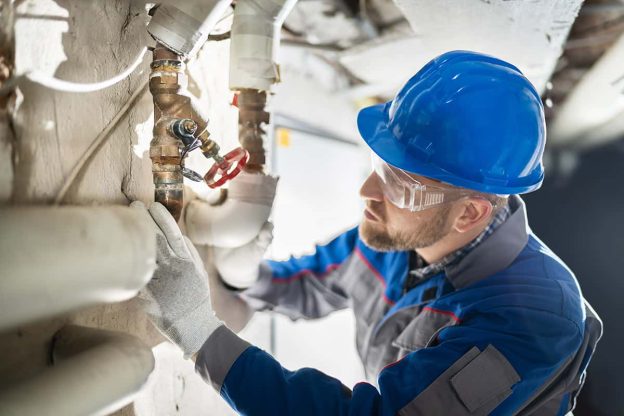
Water damage can spread quickly through floors, walls, cabinets, insulation, and other building materials. A leaking pipe, appliance failure, storm, or plumbing overflow can create serious problems without fast action. Professional water mitigation helps control the damage, remove excess water, and dry affected areas before conditions worsen. Blount Disaster provides dependable water mitigation services in Evans, GA, helping homeowners and businesses protect their properties after unexpected water-related emergencies.
Why Water Mitigation Matters
Water mitigation focuses on reducing the immediate impact of water damage before restoration and repairs begin.
Standing water and trapped moisture can weaken materials and spread into areas that are difficult to see. Water may travel beneath flooring, behind drywall, or inside cabinets.
Professional water damage mitigation in Evans, GA helps identify affected areas and control moisture as quickly as possible.
Fast action can reduce additional damage and improve the chances of saving flooring, drywall, furniture, and other materials.
Common Causes of Water Damage
Water damage can happen suddenly or develop slowly over time.
Common causes include:
- Burst pipes
- Plumbing leaks
- Toilet overflows
- Water heater failures
- Appliance leaks
- Roof leaks
- Storm damage
- Clogged drains
- HVAC condensation
- Washing machine failures
Professional water mitigation services can help address damage from many different sources.
Identifying the source is an important first step because the water problem must be controlled before drying and cleanup can move forward effectively.
Emergency Water Extraction
Removing standing water is one of the first priorities during a water damage emergency.
Water extraction equipment can remove large amounts of water more efficiently than household tools.
Professional water extraction services in Evans, GA help reduce the amount of moisture that continues soaking into building materials.
Technicians may also inspect nearby rooms and hidden spaces where water has traveled.
Quick extraction can help limit damage to floors, baseboards, drywall, cabinets, and other materials throughout the property.
Structural Drying Services
Removing visible water does not mean the property is completely dry.
Moisture can remain trapped inside drywall, subfloors, wood framing, insulation, and other porous materials.
Professional structural drying uses specialized equipment to remove remaining moisture from affected areas.
Air movers and dehumidifiers may be used to support the drying process.
Technicians can also monitor moisture levels to determine when affected materials have reached appropriate drying conditions.
Thorough drying helps reduce long-term moisture problems after the initial water is removed.
Moisture Detection and Monitoring
Hidden moisture can create problems even when surfaces appear dry.
Professional restoration teams may use moisture detection equipment to identify damp areas behind walls, beneath flooring, or around affected building materials.
Accurate moisture detection helps determine how far the water has spread.
Monitoring moisture levels during drying also helps technicians evaluate whether the process is working effectively.
Finding hidden moisture early can prevent damaged areas from being covered before they are properly dried.
Protecting Floors After Water Damage
Flooring materials respond differently to water exposure.
Carpet may absorb large amounts of moisture, while hardwood can swell or warp. Laminate flooring may separate, and tile installations can be affected when moisture reaches the materials underneath.
Professional water damage cleanup in Grovetown, GA includes evaluating the condition of affected flooring.
Some materials may be dried and saved, while severely damaged sections may require removal.
Fast mitigation can improve the chances of protecting flooring before water causes permanent deterioration.
Drywall and Wall Damage
Drywall absorbs water quickly and can become soft, stained, or damaged.
Water may also travel inside wall cavities where it remains hidden from view.
Professional water mitigation specialists can inspect walls and determine which areas require drying or removal.
Damaged sections may need to be opened so trapped moisture can escape.
Proper water damage drying helps ensure moisture does not remain behind newly repaired or painted surfaces.
Addressing wall damage early can also help reduce further deterioration throughout the surrounding structure.
Reducing Mold Risks
Persistent moisture creates conditions that can support mold growth.
Wet drywall, carpet, insulation, and wood can remain damp long after standing water disappears.
Professional water mitigation services help reduce this risk by removing water and drying affected materials promptly.
Technicians can also inspect areas where moisture commonly becomes trapped.
If mold growth is already present, additional remediation may be needed depending on the extent of the problem.
Controlling moisture quickly remains one of the most important steps after water enters a property.
Cleaning and Sanitizing Affected Areas
Some water damage situations require additional cleaning after extraction and drying.
The level of cleaning depends on the source of the water and the materials affected.
Water from certain plumbing backups or outdoor flooding may contain contaminants that require careful handling.
Professional water cleanup services may include cleaning, sanitizing, and removing materials that cannot be safely restored.
A thorough cleanup helps prepare the property for repairs while creating a cleaner environment after the emergency.
Residential Water Mitigation
Water damage can disrupt every part of a home, including kitchens, bathrooms, bedrooms, basements, and living spaces.
Even relatively small leaks can cause significant damage when they remain unnoticed.
Professional residential water mitigation helps homeowners control water spread, remove moisture, and identify damaged materials.
Technicians can also help determine which areas may require repair after the property is dry.
Quick action can make the recovery process more organized while reducing unnecessary damage.
Commercial Water Mitigation
Businesses may experience water damage from plumbing failures, roof leaks, equipment problems, or storms.
Water can affect offices, flooring, inventory, furniture, equipment, and work areas.
Professional commercial water mitigation helps businesses address the immediate damage and begin drying affected spaces.
An organized response can also help reduce downtime and protect important business areas.
The mitigation process should focus on stopping the source, removing water, drying materials, and preparing damaged areas for restoration.
Water Mitigation After Storm Damage
Heavy rain and severe weather can allow water to enter properties through roofs, windows, doors, or damaged exterior areas.
Storm-related water may spread through several rooms before property owners notice the full extent of the damage.
Professional storm water mitigation helps remove water and identify hidden moisture after severe weather.
Technicians may inspect walls, ceilings, floors, and other affected areas.
Prompt attention can help minimize damage while allowing property owners to begin repairs sooner.
What Happens After Mitigation?
Water mitigation focuses on preventing additional damage, while restoration focuses on repairing and rebuilding affected areas.
After the property is dried, repairs may include replacing drywall, flooring, trim, insulation, cabinets, or paint.
Professional property restoration services can help return damaged spaces to usable condition.
The amount of repair depends on how far the water traveled and how quickly mitigation began.
Completing drying before reconstruction is important because moisture should not remain trapped beneath new materials.
Benefits of Professional Water Mitigation
Professional mitigation provides a structured response during stressful water emergencies.
Benefits may include:
- Fast water removal
- Hidden moisture detection
- Structural drying
- Reduced property damage
- Better moisture control
- Mold risk reduction
- Professional cleanup
- Improved restoration planning
Working with experienced professionals can help homeowners and businesses understand which areas need immediate attention.
A careful approach can also reduce unnecessary removal of materials that may still be salvageable.
Water Mitigation in Evans, GA
Property owners in Evans may experience water damage from plumbing failures, storms, appliance leaks, roof problems, and other unexpected events.
Blount Desister provides water mitigation in Evans, GA, helping residential and commercial customers address water damage with extraction, drying, moisture control, and cleanup services.
Fast professional attention can help reduce damage and prepare affected areas for restoration.
Whether the problem involves one room or several areas of a property, proper mitigation can provide a clear path toward recovery.
Conclusion
Professional water mitigation in Evans, GA can help limit property damage, remove excess water, control hidden moisture, and prepare affected areas for restoration.
Blount Desister provides dependable water mitigation solutions for homes and businesses dealing with unexpected water emergencies. Fast water extraction, careful drying, moisture monitoring, and professional cleanup can help protect your property and reduce further damage.
Taking action quickly after water intrusion can make the restoration process easier and improve the chances of saving affected materials.
FAQ’s
What is water mitigation?
Water mitigation focuses on reducing immediate damage by stopping the water source, extracting standing water, drying affected areas, and controlling moisture.
How quickly should water mitigation begin?
Mitigation should begin as soon as possible. Fast action can reduce damage to floors, walls, furniture, and other building materials.
Is water mitigation the same as water restoration?
No. Mitigation focuses on preventing additional damage, while restoration involves repairing or replacing damaged materials after drying is complete.
Can water hide behind walls?
Yes. Water can travel behind drywall, beneath flooring, inside cabinets, and into insulation. Professional moisture detection can help locate hidden areas.
Can quick water mitigation reduce mold risks?
Yes. Removing water and drying affected materials quickly can reduce the conditions that support mold growth.