
Category Archives: Water Damage Restoration Services

Why Water Damage Restoration in Gibson, GA Demands Immediate Professional Action

Water damage doesn’t wait for a convenient moment. One burst pipe, one overnight storm, or one slow leak behind a wall can quietly destroy the structural integrity of your home or business in ways that take months or even years to fully reveal. That’s why homeowners and business owners across Glascock County trust Blount’s Disaster Restoration when water turns their property upside down.

The small town of Gibson, GA is no stranger to significant water events due to its storm corridor status, aging infrastructure, and weather conditions. Whether it’s floodwaters into basements following a rainfall or sewage-backed into a business building, the requirement for urgent, specialist water damage restoration in Gibson, GA is as legitimate as anywhere else in the state. 

How Much Does Water Damage Restoration Cost in Martinez, GA? 

What Happens to a Property When Water Damage Goes Untreated

Water damage can rapidly become a major issue for most people. In less than an hour, water is permeating the floor, causing warping in wood, and wicking into drywall. After 24 hours, the spores of mold that are present in most indoor environments begin to grow on damp surfaces. The EPA reports that under the proper temperature conditions, mold can start to grow in damp building materials within 24 to 48 hours. 

The Hidden Cost of Waiting

Water will absorb more as it sits longer. The initial carpet drying process turns into a sub floor replacement when the carpet continues to dry without the help of wet carpet drying machines. A small water-stain on the ceiling turns into a water loss in the drywall that goes behind the wall in the insulation. Correct drying of structure needs commercial grade drying equipment and moisture detection equipment – not fans and open windows.

Delayed action also makes insurance claims difficult. Insurers commonly refuse or limit coverage when they feel that the homeowner has not taken quick mitigation measures. When the damage occurs, it is important to document it as soon as possible, and to contact a professional water restoration company to protect your property and your claim. 

How Water Travels Through a Building

Water takes the path of least resistance, and it is hardly ever where you think it is. If the bathroom is leaking on the 2nd floor, it can drip through the wall cavities and accumulate in the basement without being noticed until a single wet spot is found. The only way to map water movement is with moisture detection using thermal imaging and a professional moisture meter. The problem is only discovered during surface level inspection 50% of the time. 

Water Damage Restoration Services Available in Gibson, GA

Property restoration is not a one-size-fits-all process; it’s a series of activities that must take place in a particular order, using the right equipment, and performed by trained professionals. 

Emergency Water Extraction

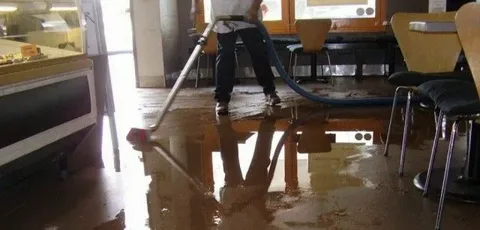
The first thing that is always needed is water extraction. Water standing must be removed prior to anything else. Professional extraction equipment truck mounted units and submersible pumps and wet vacuums can extract hundreds of gallons of water very quickly and efficiently. This is not a “shop-vac” job. An overrun basement and a basement with water in it because of a storm will need industrial equipment to deal with safely.

Water events don’t come with an 8 to 5 schedule, which is why Blount’s Disaster Restoration has 24/7 water damage restoration services available in Gibson, GA. A burst pipe at 2 am is the same as one that occurs on a Tuesday afternoon.A 2AM burst pipe is the same as a burst pipe on Tuesday afternoon. 

Structural Drying and Dehumidification

If water removal is finished then structural drying starts. In this stage, high velocity air movers and commercial dehumidifiers are strategically placed to remove moisture from walls, floors and ceilings. The aim is to re-establish the moisture content of building materials to acceptable standards, normally measured with a pin or pinless moisture meter.

This stage requires some time. Drying typically takes place in most residential restoration jobs for 3-5 days with daily monitoring. One of the most common errors made in do-it-yourself restoration efforts is haste, and one of the fastest paths to mold remediation calls is haste. 

Mold Remediation and Prevention

Mold starts to grow wherever water is present. A key part of a full flood damage restoration is mold remediation. Certified technologists identify contaminated areas, extract contaminated materials, treat them with an antimicrobial agent and restore air quality by applying HEPA filters. IICRC (Institute of Inspection, Cleaning and Restoration Certification) establishes the mold remediation industry standard and reputable restoration firms do exactly that.

Mold prevention services don’t end with cleaning. The only way to prevent a recurrence is to solve the root cause of the moisture issue, such as a leaky pipe, poor drainage or a failing vapor barrier. If mold grows back after remediation, it’s a sign that the moisture issue was not addressed. 

Sewage Cleanup and Contaminated Water Removal

Not all water damage involves clean water. Sewage backup cleanup is one of the most hazardous restoration scenarios a property owner can face. Category 3 water the industry term for water contaminated with sewage, chemicals, or biological hazards requires full protective equipment, specialized disinfection protocols, and proper disposal procedures.

Attempting to clean up sewage backup without professional training puts you at serious health risk. It also risks cross-contaminating other areas of the home if containment barriers aren’t established correctly.

Residential and Commercial Water Damage Restoration in Gibson, GA

The restoration process looks different depending on whether you’re dealing with a single-family home or a commercial building, and experienced restoration companies treat these scenarios differently.

Residential Water Damage Restoration

When working at home, it is important to keep the family as little disturbed as possible and to work efficiently to restore the home. The most prevalent water removal services offered on a residential level are carpet water removal, drywall water damage repair, ceiling water damage repair, and wet carpet drying. Technicians dry and restore, as much as possible, room by room.

Homeowners with basement water damage restoration in Gibson, GA, may discover that the damage goes beyond what they expected after spring rains, for example. Basement flooding is more likely to be expansive. Water will seep into concrete block walls, flow under the finished floor and may damage HVAC systems situated at floor level. 

Commercial Water Damage Repair

For commercial properties, speed is revenue. A flooded office, retail space, or warehouse costs money every hour it sits out of operation. Commercial flood restoration requires more equipment, larger crews, and a structured project management approach to restore operations as quickly as possible. It also involves more complex insurance documentation and may require coordination with building management, tenants, and local authorities.

Storm Damage and Burst Pipe Repair in Gibson, GA

Georgia’s storm season brings heavy rainfall, high winds, and — occasionally — winter ice events that stress aging plumbing systems. Storm water damage restoration in Gibson, GA is a recurring need, particularly for properties with older roofing, inadequate gutters, or low-lying foundations.

Burst pipe water damage repair is especially common in winter. When temperatures drop quickly, pipes in uninsulated exterior walls or crawl spaces can freeze and rupture. A single half-inch pipe can release hundreds of gallons in just a few hours. Fast leak detection, shutoff, and water mitigation services are essential to limiting the damage.

Storm damage repair goes beyond water removal. Roof damage that allows water intrusion, window failures during high winds, and compromised exterior walls all create entry points for moisture. A full property damage restoration plan addresses the water damage and the structural vulnerabilities that caused it.

Navigating Insurance Claims After Water Damage

Filing a water damage insurance claim is stressful enough without also managing an active restoration project. Insurance claims assistance from an experienced restoration company makes the process significantly more manageable.

Restoration professionals document damage thoroughly with photos, moisture readings, and detailed scope-of-work reports in the format insurers need. This documentation speeds up claim approval and reduces disputes about what was damaged and what repairs will cost.

Understanding your policy matters too. Most homeowner policies cover sudden and accidental water damage, a burst pipe, an appliance failure, storm-driven rain intrusion but exclude flooding from external sources. Flood damage typically requires separate NFIP (National Flood Insurance Program) coverage. Knowing which policy applies before you call your adjuster saves time and prevents costly confusion.

Choosing a Water Restoration Company in Gibson, GA

Not all water damage restoration companies are equal, and the difference shows up in outcomes. When choosing a local water damage specialist in Gibson, GA, look for IICRC certification, the gold standard for restoration training. Confirm the company carries both general liability and workers’ compensation insurance, uses commercial-grade equipment, and provides written estimates with daily drying logs.

Response time matters enormously. The best affordable water damage restoration services don’t cut corners on equipment or training 

they simply have the operational infrastructure to respond quickly without inflating costs unnecessarily. Fast water damage cleanup done properly the first time is always less expensive than remediation that has to be repeated.

Conclusion 

Blount’s Disaster Restoration brings experienced technicians, proper certification, and the right equipment to every job in Gibson, GA and the surrounding areas. Whether you’re managing emergency water cleanup at midnight or coordinating a multi-week commercial restoration project, the approach is the same: thorough, professional, and focused on returning your property to pre-loss condition.

Frequently Asked Questions

How quickly should I call for water damage restoration after a flood or leak?

 Call immediately 

within the first hour if possible. Every hour of delay allows water to penetrate deeper into building materials. Mold can begin growing within 24 to 48 hours of initial saturation.

Does homeowner’s insurance cover water damage restoration in Gibson, GA? Most homeowner policies cover sudden and accidental water damage from internal sources like burst pipes or appliance failures. Flood damage from external water sources typically requires separate flood insurance. Your restoration company can help document the damage properly for your claim.

How long does the structural drying process take? 

Most residential structural drying takes three to five days with professional equipment. The timeline depends on the extent of saturation, the materials involved, and ambient conditions. Technicians monitor moisture levels daily to track drying progress accurately.

Can I stay in my home during water damage restoration? 

It depends on the scope. Minor water damage in one room often allows normal occupancy elsewhere in the home. Extensive damage, active mold remediation, or sewage cleanup situations may require temporary relocation for health and safety.

What is Category 3 water damage? 

Category 3 refers to grossly contaminated water sewage backup, floodwater from rivers or streams, or water containing biological or chemical hazards. It requires specialized cleanup protocols and professional protective equipment. This is not safe to handle without trained personnel on site.

How do I know if there’s hidden water damage behind my walls?

 Signs include musty odors, bubbling or staining on walls or ceilings, soft spots in flooring, and unexplained spikes in your water bill. Professional technicians use thermal imaging cameras and moisture meters to find hidden moisture without unnecessary demolition.

What’s the difference between water mitigation and water restoration?

 Water mitigation is the emergency phase stopping the damage from worsening through extraction, drying, and containment. Water restoration is the repair phase replacing or repairing damaged materials to return the property to pre-loss condition. Both are essential parts of a complete disaster recovery process.

How Much Does Water Damage Restoration Cost in Martinez, GA? 

How Much Does Water Damage Restoration Cost in Martinez, GA? 

Need water damage restoration services in Martinez GA? Learn what restoration involves, realistic costs, warning signs, and how to choose the right contractor.

Water damage has a way of making itself known at the worst possible moment. A pipe lets go at two in the morning. You come home to a wet carpet after a hard afternoon rain. The washing machine hose that’s been quietly failing for months finally gives out while you’re at work. By the time most Martinez homeowners discover the problem, it’s already moved well past the point of a simple cleanup.

Martinez, GA sits in Columbia County along the Augusta metro, and the homes here range from well-established neighborhoods to newer developments that have grown with the area over the past decade. What they all have in common is that water damage can happen to any of them without warning — and in Georgia’s warm, humid climate, the consequences of delayed action compound quickly.

The families who come through water damage situations with the least disruption and the best outcomes are the ones who acted quickly and worked with a contractor who knew what they were doing. At Blount’s Disaster Restoration, we’ve worked with Martinez homeowners through water damage situations of every size, and we put this guide together to give you the practical knowledge to handle it well if it ever happens to you.

Why Georgia’s Climate Makes Water Damage Worse

Martinez sits in a part of Georgia that gets genuine weather. Columbia County averages around 44 inches of rain annually, and the summer months bring high humidity that keeps indoor moisture levels elevated even when there isn’t active water intrusion. That climate context matters a great deal for how water damage develops in residential properties here.

When water gets into a home — whether from a plumbing failure, a storm, an appliance leak, or a foundation issue — it doesn’t stop where it lands. Water follows gravity and moves along the path of least resistance through flooring, wall assemblies, and structural framing. In Georgia’s warm summer temperatures, wet organic materials create the ideal conditions for mold growth. The Environmental Protection Agency has documented that mold can begin developing on wet surfaces within 24 to 48 hours under favorable temperature and humidity conditions — and Martinez’s summer climate meets those conditions consistently from May through September.

The other factor that affects Martinez homes specifically is the age and construction style of many properties in the area. Older homes often have crawl spaces with inadequate vapor barriers, plumbing systems with aging supply and drain lines, and HVAC systems that can create condensation in wall cavities during humid months. Each of these is a potential slow water intrusion source that can remain undetected for extended periods before visible damage appears above grade.

Acting quickly when water damage is discovered — and choosing a contractor who understands the full scope of what needs to happen — is what separates a manageable recovery from a prolonged, expensive one.

How to Tell How Bad Water Damage Actually Is

One of the most common misunderstandings homeowners have is thinking they can accurately assess the extent of water damage by looking at what’s visible. Surface water and visible staining tell part of the story. What moisture meters and thermal imaging reveal inside walls and under floors tells the rest.

The Institute of Inspection Cleaning and Restoration Certification classifies water damage by class based on how far moisture has spread:

Class 1 damage is the least extensive — limited moisture absorption in one area, affecting materials with low porosity. This is the best-case scenario and typically the fastest to resolve.

Class 2 damage involves a full room with moisture absorbed into walls and floors. Carpet and cushion are typically affected. This is the most common class for appliance-related leaks caught within a day or two.

Class 3 damage means moisture has saturated walls, ceilings, and insulation — often the result of a pipe failure inside a wall or a roof leak that went undetected. This class requires the most equipment and the longest drying times.

Class 4 damage involves specialty drying situations — concrete, hardwood, plaster, or materials with very low permeance that require specific equipment and extended drying times.

A professional assessment that accurately identifies the class of damage from the start determines the right equipment plan, the realistic drying timeline, and the true scope of material removal needed. Getting that assessment right from day one is one of the most important things a water damage restoration contractor does.

What Professional Water Damage Restoration Involves

Here’s what a complete professional restoration looks like from start to finish — and what each phase is actually accomplishing.

Emergency water extraction removes standing water and surface saturation from floors and affected materials using industrial-grade extractors. This phase happens first and reduces overall drying time significantly by removing the bulk of the moisture before structural drying begins.

Structural drying uses commercial air movers and dehumidifiers placed strategically throughout the affected areas to pull moisture from building materials — not just the air. This equipment runs continuously, typically for three to five days or longer depending on the class of damage and the materials involved. This is not something household fans and dehumidifiers can replicate. The capacity difference between consumer-grade and commercial equipment is substantial.

Daily moisture monitoring tracks readings in affected materials each day throughout the drying process. Drying is not complete when things feel dry to the touch — it’s complete when moisture meter readings in the affected materials reach target levels for that material type. A contractor who pulls equipment before those targets are reached leaves moisture in the structure that leads to mold growth and odor months later.

Material removal addresses drywall, flooring, insulation, and other porous materials that cannot be dried in place — either because the contamination level requires it or because moisture has penetrated too deeply. Clean cuts of drywall, professional removal of flooring, and documentation of everything removed supports the insurance claim and allows for accurate reconstruction scoping.

Antimicrobial treatment is applied to structural materials after drying to reduce the risk of mold growth in the period between drying completion and reconstruction.

Common Causes of Water Damage in Martinez Homes

Understanding the most frequent causes helps Martinez homeowners know what to watch for in their own properties.

Cause Risk Level in Martinez Warning Signs Prevention
Burst or leaking supply lines High — aging plumbing in many homes Water stains, low pressure, cabinet dampness Annual plumbing inspection
Appliance failures (washer, dishwasher, ice maker) High — common in all home ages Puddles near appliances, slow drains Replace hoses every 5 years
Roof leaks Moderate to high — heavy summer storms Ceiling stains, attic moisture Annual roof inspection
HVAC condensation Moderate — especially in humid months Stains near vents, musty odors Regular drain pan inspection
Crawl space moisture High in older homes Musty smell on first floor, soft flooring Vapor barrier installation
Foundation seepage Moderate Wet basement walls, efflorescence Grading and drainage improvements

Homeowners looking for the best water restoration near me in Martinez GA should pay particular attention to appliance supply lines and crawl space moisture — two of the most common and most preventable water damage sources in the area.

Water damage restoration services in Martinez GA that include a full moisture assessment using professional equipment — not just a visual inspection — catch problems that surface-level checks miss and give homeowners an accurate picture of what needs to be done.

What Water Damage Restoration Costs in Martinez GA

Having realistic cost expectations helps you evaluate estimates fairly and recognize both overpriced and suspiciously cheap bids.

A minor water damage event — a small appliance leak caught quickly, affecting a limited section of flooring and drywall — typically runs between $1,500 and $4,000 for professional restoration including extraction, drying, and limited material removal.

A mid-range event — a washing machine overflow that saturated a laundry room and adjacent hallway, or a supply line failure that affected a bathroom and the subfloor below — generally runs between $4,000 and $10,000 depending on the extent of material removal and drying time required.

A significant event — a burst pipe inside a wall that went undetected for days, a roof leak that saturated insulation and ceiling framing across a room, or basement flooding — can run from $10,000 to $30,000 or more when structural material removal and reconstruction are factored in.

According to the Insurance Information Institute, water damage and freezing events represent nearly one in four homeowner insurance claims by dollar value in the United States. For Martinez homeowners with water damage coverage, thorough documentation from the first hour — photos, written contractor assessments, daily moisture logs — forms the foundation of a fair insurance settlement.

The National Roofing Contractors Association’s research on delayed repair costs shows that secondary damage from water intrusion that goes unaddressed multiplies total repair costs by two to four times over a single year. In practical terms for Martinez homeowners, a $2,500 repair addressed in week one becomes a $7,000 to $10,000 project if left for months. Calling a professional promptly is almost always the lower-cost decision.

How to Choose a Water Damage Restoration Contractor in Martinez

The quality range among contractors offering restoration services is wide. Knowing what to look for protects you from poor outcomes and unnecessary expense.

IICRC certification — specifically the Water Restoration Technician (WRT) credential from the Institute of Inspection Cleaning and Restoration Certification — is the professional standard for this work. Technicians who hold current IICRC WRT certification have been trained in the standards and procedures that produce complete, properly documented restoration results. Ask any contractor you’re considering whether their field technicians hold this certification.

Twenty-four hour emergency availability is a practical necessity for water damage response. A contractor who only operates during business hours cannot provide the response speed that water damage situations require. Ask specifically whether they offer genuine 24/7 emergency response with crews available — not just an answering service that calls back the next morning.

Insurance claim experience matters enormously. A contractor who has worked alongside adjusters, documents damage in the format insurers use, and understands how to submit supplemental claims when additional damage is found during restoration will get your claim processed faster and more accurately. Ask directly how many insurance claims they’ve handled in the past year.

Written documentation throughout the project — daily moisture logs, equipment placement records, material removal documentation, and a written drying report at completion — protects you in any insurance dispute and confirms the work was completed to professional standards.

Closing Thoughts

Water damage restoration is one of those situations where doing it right the first time matters more than almost any other home repair. Moisture that isn’t fully removed from a structure doesn’t just go away — it stays in the walls and floors, creating conditions for mold growth, structural deterioration, and persistent odor that are far more expensive to address after the fact than they would have been to prevent with a proper restoration from the start.

For any homeowner in Martinez who has discovered water damage — or noticed signs like musty odors, stained ceilings, soft flooring, or unexplained increases in humidity — the right move is getting a professional assessment quickly. Early action consistently produces better outcomes and lower total costs.

Blount’s Disaster Restoration serves Martinez and the surrounding Columbia County area with professional water damage restoration including 24-hour emergency response, full insurance documentation support, and thorough structural drying to professional standards. Call us today for a free assessment.

FAQs

How quickly do I need to call a water damage contractor in Martinez GA? Speed matters more in water damage than almost any other home repair situation. Within the first 24 hours, water continues to spread and absorb into building materials. Between 24 and 48 hours, mold development becomes a real risk in Georgia’s warm, humid climate — and once mold is established in wall cavities or under flooring, the restoration scope and cost increase substantially. Getting professional extraction equipment on-site within the first few hours of discovery limits how far water travels through the structure and reduces the total drying time needed. Most reputable restoration companies offer 24-hour emergency response specifically because response time has a direct, measurable effect on outcomes. If you discover significant water damage after hours, call immediately rather than waiting until the next business day.

Will my homeowner’s insurance cover water damage restoration in Georgia? Standard homeowner’s insurance policies in Georgia cover sudden and accidental water damage — a burst pipe, an appliance failure, or a roof leak caused by a covered storm event. What most policies exclude is gradual damage from a slow leak that was left unaddressed over time, damage from poor maintenance, or flooding from external sources like rising groundwater or overflowing rivers, which requires separate flood insurance. Contact your insurer promptly after discovering damage — most policies have reporting requirements — and document everything thoroughly before any cleanup or material removal begins. A restoration contractor with insurance claim experience can help make sure the scope of damage is properly documented for your adjuster and that any additional damage found during the restoration is submitted as a supplemental claim.

How long does water damage restoration take in Martinez GA? For a minor event with limited material absorption, extraction and drying typically complete within three to five days. Larger events with deeper moisture penetration into wall assemblies and structural framing can require five to ten days of continuous drying before materials reach target moisture levels. Reconstruction after drying — replacing drywall, flooring, and affected materials — adds additional time depending on scope. A straightforward single-room event can be fully restored within two to three weeks total. A larger event involving multiple rooms and structural material replacement can take four to eight weeks from first response to final walkthrough. Your contractor should give you a realistic timeline estimate after the initial assessment and update you promptly if anything changes during the project.

Can wet hardwood floors be saved after water damage? Hardwood floors can sometimes be saved after water damage, but the outcome depends on several factors: how long the floor was exposed to water, the type of finish on the wood, whether the subfloor below is also wet, and whether the wood has already begun to cup or buckle. Solid hardwood has more potential for successful drying and refinishing than engineered hardwood, which tends to delaminate when moisture reaches the core. A professional restoration contractor will assess the floor’s condition, place drying equipment specifically to address the wood, and monitor moisture levels daily to track progress. If the wood has been wet for more than 48 hours or has already developed significant cupping or buckling, replacement is often the more cost-effective path — but a professional assessment gives you a clear picture of which approach makes sense for your specific situation.

What is the difference between water mitigation and water restoration? These terms describe two distinct phases of the recovery process. Water mitigation is the emergency response — stopping the source of water, extracting standing water, removing materials that cannot be dried in place, setting up drying equipment, and stabilizing the structure to prevent further damage. The goal of mitigation is to stop the situation from getting worse. Water restoration is everything that brings the home back to normal after mitigation is complete — replacing drywall, flooring, cabinetry, and any other materials that were removed, and restoring the home to its pre-damage condition. Some contractors handle only mitigation and refer the reconstruction phase to separate companies. Others, like full-service restoration companies, handle both phases under one roof, which simplifies coordination and typically produces a faster overall timeline for the homeowner.

Who Offers Reliable Water Damage Restoration in Hephzibah, GA? 

Who Offers Reliable Water Damage Restoration in Hephzibah, GA? 


Water damage doesn’t give you a warning. One morning you wake up to a ceiling stain. A pipe bursts while you’re at work. A heavy Georgia rainstorm finds the weak spot in your foundation you didn’t know existed. And just like that, you’re dealing with something that feels overwhelming before you’ve had your first cup of coffee.

Hephzibah, GA is a growing community in Richmond County, and the homes here range from newer construction to older properties that have been in families for generations. What they all have in common is that water damage can happen to any of them at any time — and how fast you respond determines a lot about how much damage you’re left dealing with.

We work with Hephzibah homeowners on water damage situations every week, and the single biggest factor in how well a recovery goes is response time. The longer water sits in floors, walls, and structural framing, the worse the damage gets and the more complicated the restoration becomes. At Blount Services, we want every homeowner in the area to understand what water restoration actually involves before they’re in the middle of an emergency. That knowledge helps you act faster and make better decisions when it counts.
Why Water Damage in Hephzibah Homes Spreads So Fast

Georgia’s climate doesn’t make water damage easier to manage. The combination of summer humidity, seasonal heavy rain, and the temperature swings between winter and summer all create conditions where moisture problems can develop quickly and spread even faster.

When water gets into a home — whether from a burst pipe, a roof leak, flooding, or a malfunctioning appliance — it doesn’t stay where it lands. Water moves along the path of least resistance. It soaks into drywall, travels along floor joists, and wicks up into wall cavities. Within 24 to 48 hours of water exposure, mold can begin to develop in warm, humid conditions. In Georgia’s summer climate, that timeline can be even shorter.

According to the Institute of Inspection Cleaning and Restoration Certification (IICRC), water damage categorized as Class 3 — where absorption has spread to walls, ceilings, and insulation — can require significantly more time and equipment to dry properly than a straightforward surface spill. Understanding the class and category of water damage helps a restoration contractor set the right drying plan from day one.

The faster Expert water restoration contractors in Hephzibah GA are called in, the more of the original structure can typically be saved rather than replaced. That matters not just for cost, but for the timeline of getting your home back to normal.

What Water Restoration Contractors Actually Do

A lot of homeowners aren’t sure what professional water restoration involves beyond “drying things out.” The actual process is more thorough than that, and understanding it helps you evaluate whether a contractor is doing the job properly.

The first step is assessment. A professional restoration contractor inspects the full extent of the damage using moisture meters and thermal imaging equipment. These tools detect moisture in walls and floors that isn’t visible to the eye. An honest assessment at this stage is the foundation of the entire restoration plan — if moisture is missed, it stays in the structure and leads to mold growth or structural problems months later.

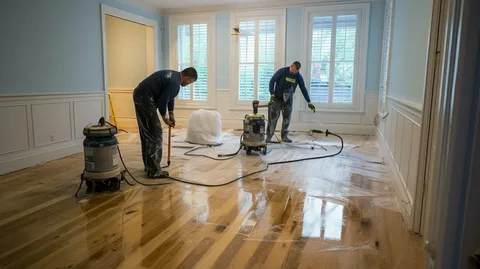
Water extraction follows the assessment. Industrial-grade water extractors pull standing water and surface moisture from floors, carpet, and other affected materials quickly. This step significantly reduces overall drying time.

Structural drying is where most of the work happens. High-capacity air movers and commercial dehumidifiers are placed strategically throughout the affected areas to pull moisture out of materials and maintain controlled drying conditions. This equipment runs continuously — often for three to five days or longer depending on the extent of the damage and the materials involved.

Monitoring happens daily throughout the drying process. A qualified technician checks moisture readings in the affected materials each day to track progress and adjust equipment placement as needed. Drying is not complete until materials reach acceptable moisture levels, not just until things feel dry to the touch.

Removal of unsalvageable materials — damaged drywall, flooring, insulation — happens where necessary to allow proper drying of the underlying structure and to prevent mold growth. After drying is confirmed complete, reconstruction work begins to restore the home to its pre-damage condition.

Types of Water Damage and What Each One Means

Not all water damage is the same, and the source of the water affects how the restoration is handled. Here’s a straightforward breakdown:

Water Category Source Health Risk Restoration Approach
Category 1 (Clean Water) Broken supply lines, faucets, rain Low Standard drying and restoration
Category 2 (Gray Water) Washing machines, dishwashers, sink overflow Moderate Antimicrobial treatment + drying
Category 3 (Black Water) Sewage backup, floodwater, toilet overflow High Full protective protocols, material removal

Homeowners searching for the best water restoration in Hephzibah GA should understand that Category 3 water damage requires a much more involved response than a clean-water pipe burst. Any materials that contacted black water — drywall, carpet, padding, insulation — are typically removed rather than dried in place because the contamination risk cannot be eliminated through drying alone.

Water restoration contractors in Hephzibah GA who properly identify the water category from the start handle the job safely and prevent cross-contamination to unaffected areas of the home. A contractor who doesn’t differentiate between water categories or who treats all damage the same way regardless of source is taking shortcuts that can affect your family’s health and your home’s long-term condition.

How Much Does Water Restoration Cost in Hephzibah GA

Cost is one of the first questions, and a realistic range helps you evaluate estimates fairly.

For a minor water damage event — a small supply line leak caught quickly, affecting a limited area of flooring and drywall — professional restoration typically runs between $1,500 and $4,000. This covers extraction, drying equipment, monitoring, and minor material removal.

A mid-range event — a washing machine overflow or slow roof leak that affected a larger floor area and one or two walls — generally runs between $4,000 and $10,000 depending on the materials involved and the drying time required.

Significant water damage events — a burst pipe in a wall that went undetected for an extended period, basement flooding, or a sewage backup — can run from $10,000 to $30,000 or more when structural material removal and full reconstruction are factored in.

According to the Insurance Information Institute, water damage and freezing events account for nearly one in every four homeowner insurance claims filed in the United States, with an average claim cost of around $11,000. For Hephzibah homeowners with water damage coverage, filing a claim and working with a restoration contractor who documents everything properly from the start is the most effective path to a fair settlement.

One cost variable that surprises many homeowners is mold remediation. If water damage isn’t addressed promptly or completely, mold growth in walls and under flooring can add significant cost to a project that started smaller. Calling a professional restoration contractor quickly after water damage is discovered almost always reduces the total cost compared to waiting.

What to Do in the First Hour After Water Damage

The first sixty minutes after discovering water damage set the tone for everything that follows. Here’s what to focus on immediately.

Stop the water source if you can. For a burst pipe, locate and turn off the main water shutoff. For an appliance overflow, turn off the appliance. For a roof leak, get a bucket or tarp in place. Stopping ongoing water entry is the first priority.

Document everything before any cleanup begins. Take photos and video of all affected areas, including materials that are visibly saturated, any standing water, and damage to personal property. This documentation is your insurance claim evidence, and the more thorough it is, the smoother the claim process goes.

Remove valuables, furniture, and personal items from affected areas carefully. Don’t try to dry carpet or flooring with household fans — moving air over wet materials without professional dehumidification equipment just spreads moisture to adjacent areas rather than removing it from the structure.

Call a professional restoration contractor as quickly as possible. Most reputable restoration companies offer 24-hour emergency response for exactly this reason. Getting extraction equipment in place within the first few hours of a water event makes a measurable difference in drying time and the amount of material that can be saved.

Avoid turning on your HVAC system if sewage or floodwater is involved. Running forced air through a home with contaminated water can spread pathogens through the ductwork to unaffected areas. Wait for a professional assessment before running the system.

How to Choose a Water Restoration Contractor in Hephzibah

Georgia has no shortage of restoration contractors, and the quality range is wide. Knowing what to look for helps you find someone who will do the job correctly, not just quickly.

IICRC certification is the industry standard for water damage restoration. The Institute of Inspection Cleaning and Restoration Certification sets the training and procedural standards that professional restoration technicians follow. Ask any contractor you’re considering whether their technicians hold IICRC WRT (Water Restoration Technician) certification. It’s a meaningful indicator of proper training.

Licensing and insurance are non-negotiable. Georgia requires contractors performing certain types of restoration and reconstruction work to be properly licensed. Ask for proof of licensing and confirm the contractor carries both general liability and workers’ compensation coverage before any work begins.

24-hour emergency availability matters in water damage situations. A contractor who can have equipment on-site within hours of your call produces significantly better outcomes than one with a standard business-hours-only schedule. Ask specifically whether they offer true 24/7 emergency response or just an answering service.

Written documentation throughout the project is a mark of a professional operation. Daily moisture readings, equipment logs, and written drying reports protect you if an insurance dispute arises and give you a clear record that the drying was completed properly. A contractor who doesn’t keep written records during a restoration project is not operating to industry standard.

Closing Thoughts

Water damage is one of those situations where the difference between a manageable recovery and a prolonged, expensive ordeal comes down almost entirely to how quickly and correctly the response happens. For Hephzibah homeowners, having a trusted restoration contractor’s number saved before an emergency gives you a meaningful head start when something goes wrong.

For any homeowner in Hephzibah who is dealing with water damage right now or has recently noticed signs of moisture problems — stains, musty odors, soft flooring, or bubbling paint — the right move is getting a professional assessment before the situation develops further.

Blount Services serves Hephzibah and the surrounding Richmond County area with professional water damage restoration, including 24-hour emergency response. Call us today for a free assessment and a straightforward plan to get your home back to normal.

FAQs

How quickly do water restoration contractors need to respond in Hephzibah GA? Speed matters enormously in water damage situations. Within the first 24 hours, water continues to spread into walls, flooring, and structural materials. Between 24 and 48 hours, mold can begin developing in warm, humid conditions — and Georgia’s climate accelerates that timeline during the warmer months. Getting professional extraction equipment on-site within the first few hours of a water event reduces both drying time and the amount of material that needs to be removed and replaced. Most reputable water restoration companies offer 24-hour emergency response specifically because response time has such a direct impact on outcomes. If a contractor you’re considering can only schedule during regular business hours, it’s worth finding one with true emergency availability.

Will my homeowner’s insurance cover water restoration in Hephzibah GA? Most standard homeowner’s insurance policies cover sudden and accidental water damage — a burst pipe, an appliance malfunction, or a roof leak caused by a storm event. What most policies do not cover is gradual damage from a slow leak that was left unaddressed over time, or flooding from external sources like rising groundwater or overflowing rivers, which requires separate flood insurance. After a water damage event, document everything thoroughly before any cleanup begins, then contact your insurer to start the claims process. A restoration contractor experienced with insurance claims can help make sure the scope of damage is properly documented for your adjuster. Keep all written reports, moisture logs, and contractor invoices throughout the process.

What is the difference between water mitigation and water restoration? These two terms get used interchangeably but they describe different phases of the process. Water mitigation is the immediate emergency response — stopping the water, extracting standing water, setting up drying equipment, and removing materials that can’t be saved. The goal of mitigation is to stop the damage from getting worse. Water restoration is the reconstruction phase — repairing or replacing drywall, flooring, insulation, and any other materials that were removed during mitigation, and returning the home to its pre-damage condition. A full-service restoration contractor handles both phases, which simplifies the process for homeowners and ensures the reconstruction work accounts for exactly what was removed during mitigation.

How long does water damage restoration take in a Hephzibah home? The mitigation and drying phase typically takes three to five days for a standard water damage event, though larger events or damage that affected multiple rooms can take longer. Daily moisture monitoring determines when drying is complete — materials need to reach target moisture levels, not just feel dry to the touch. The reconstruction phase — replacing drywall, flooring, and other materials — depends on the extent of the damage and material availability. A straightforward single-room event might be fully reconstructed within a week of drying completion. A larger event involving multiple rooms and structural material replacement can take two to four weeks for reconstruction. Your contractor should give you a realistic timeline estimate based on the actual scope of damage, not a generic answer.

Can water damage cause mold even if the area looks dry? Yes, and this is one of the most common misconceptions about water damage. Materials that feel dry to the touch can still hold moisture levels high enough to support mold growth inside wall cavities, under flooring, and behind baseboards. Mold grows where moisture, organic material, and warm temperatures meet — conditions that exist inside most residential wall assemblies. Professional moisture meters and thermal imaging detect moisture that isn’t visible, which is why they’re part of every professional assessment and daily monitoring routine during a restoration project. A restoration that stops drying equipment before materials reach acceptable moisture levels creates conditions for hidden mold growth that may not become visible for weeks or months. Always ask your contractor to provide written moisture readings at the start and completion of drying to confirm the job was completed to proper standards.
Water Damage Restoration Services in Martinez GA

Reliable Water Damage Restoration Services in Martinez, GA

Dealing with a burst pipe or a sudden storm flood can feel overwhelming for any property owner in Columbia County. Seeking professional water damage restoration services in Martinez, GA remains the most effective way to prevent long-term structural rot and hazardous mold growth. Our local climate often brings heavy seasonal rain that can stress older roofing systems and basement foundations. Blount’s Disaster Restoration provides the high-powered extraction equipment and rapid response times necessary to save your flooring and drywall from permanent destruction.

Leaving standing water in your living space for more than twenty-four hours allows secondary damage to take hold quickly. Investing in expert water damage restoration services in Martinez, GA helps you return your home to a pre-loss condition while protecting your family from allergens. Local technicians understand the specific building materials found in Georgia homes, from crawl space vents to hardwood subfloors. Rapid intervention by a skilled team stops moisture from migrating into wall cavities where it can weaken your home’s structural frame.

Identifying the Scope of Liquid Intrusion

Homeowners frequently experience diverse categories of contamination based on the leak or flood’s source. Professional water damage repair services in Martinez, GA differentiate between clean water from a supply line and grey water from a backup as black water. It identifies the cleaning products and control measures for sanitising your surfaces correctly. If you don’t respond to a small damp area on the ceiling, the heavy drywall up the ceiling would come crashing down.

Choosing the best water damage repair services in Martinez, GA involves finding the right moisture meters. These help locate hidden pockets of moisture. Water often travels along the floor joists, collecting in places that look dry to the untrained eye. As a result, the use of thermal imaging cameras enables restorers to see through walls and verify the drying process is occurring. If just one piece of wood is wet, wood-destroying fungi could take hold and create a safety issue in your house over time.

Categorizing Restoration and Mitigation Methods

Material Type Recovery Potential Drying Time Best Cleanup Method Risk of Mold
Hardwood Floor High (if fast) 72–96 Hours Specialized Mats Medium
Concrete Slab Very High 24–48 Hours Air Movers Low
Padded Carpet Low to Medium 48–72 Hours Pad Replacement Very High
Drywall/Gypsum Medium 36–48 Hours Perimeter Venting High

The Physical Steps of Structural Drying

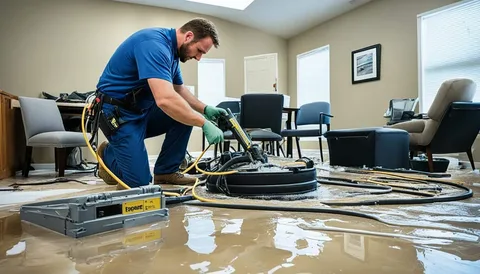
Restoring a saturated building follows a logical sequence to ensure that humidity levels drop before microbial growth begins. Technicians start by removing the bulk of the liquid with industrial truck-mounted vacuum systems. This initial phase of Reliable water damage restoration services in Martinez, GA removes the majority of the weight from your flooring. After the standing water is gone, the crew sets up a balanced system of dehumidifiers and high-velocity fans to pull moisture out of porous materials.

Controlled Demolition and Material Removal

Damaged materials like saturated insulation or warped baseboards must come out to allow the structural wood to breathe. Technicians perform a “flood cut” twelve inches above the water line to inspect the interior of the wall cavity. This step in water damage restoration services in Martinez, GA prevents moisture from being trapped behind the paint layer. Removing these barriers allows dry air to circulate around the studs and prevents the sills from rotting.

Antimicrobial Sanitization and Odor Control

Once the surfaces are accessible, the team applies botanical or chemical disinfectants to kill bacteria and mold spores. This sanitization process is a standard part of water damage repair services in Martinez, GA for any category two or three intrusion. Because floodwater often carries silt and pathogens, deep cleaning is required to make the space safe for children and pets. Deodorization equipment then neutralizes the musty smells that often linger after a major leak.

Monitoring and Moisture Mapping

Crews return daily to take readings and adjust the placement of fans to optimize the evaporation rate. This data-driven approach to water damage repair services in Martinez, GA ensures that the drying goals are met according to industry standards. If the humidity in the room remains too high, the risk of warped cabinets and peeling wallpaper increases significantly. Final reports provide the documentation you need for insurance claims to prove the home is dry.

Analyzing Factors That Change Project Costs

Regional prices for home recovery depend heavily on how long the water sat before a team arrived on site. High-humidity days in Georgia can slow down natural evaporation, requiring more mechanical dehumidification equipment to compensate. Reliable water damage restoration services in Martinez, GA provide a transparent breakdown of labor and equipment usage during the mitigation phase. Furthermore, the type of water involved dictates whether technicians must wear full protective gear and dispose of all porous items.

Complexity of the Structural Layout

When a house with more than one storey experiences water flowing from the bathroom on the upper floor. Their clearance requires extra work to dry the cavities between floors. If the liquid reaches the kitchen, it may be necessary to remove the heavy stone countertops to dry the cabinets below. Expert flood restoration service companies Martinez, GA strategically plan these removals in order to lower the expense of future rebuilds.

Affected Areas Access

Restoration crews face challenges in crawl spaces with limited clearance and attics with blown insulation. The use of specialized ducting will force dry air into those tight corners. Businesses like Blount’s Disaster Restoration have the specialized tools to dry these difficult-to-reach parts of the home.

Presence of Dangerous Products

Some of the older homes in the area house materials like lead paint and asbestos flooring which require special handling when being demolished. As reported by the Environmental Protection Agency (2023), disturbing these materials can pose serious health hazards if containment is not in place. Trusted water damage repair services in Martinez, GA perform testing for these hazards as a basic precaution before they begin tearing out walls.

How to Select a Qualified Local Provider

Finding a team you can trust during a crisis means looking for specific industry certifications and local references. A firm that specializes in property recovery — like Blount’s Disaster Restoration — will have the specialized training that a general handyman lacks. These specialists understand the psychrometric science behind drying, which involves managing air temperature and vapor pressure to remove water effectively. Did you know that improper drying can lead to “dry rot” that eats away at your home’s foundation without any visible signs?

Check for companies that offer a twenty-four-hour emergency response because water does not wait for business hours to start damaging your home. Most professional water damage restoration services in Martinez, GA maintain direct communication with insurance adjusters to simplify the paperwork for you. They should provide a written estimate and a clear timeline for the drying and repair phases. Have you confirmed that the contractor carries both general liability and pollution insurance for mold-related work?

Choosing a provider with a local physical office ensures they can get to your street quickly before the damage doubles in size. National franchises often have longer wait times during major storm events compared to dedicated local teams. Companies like Blount’s Disaster Restoration prioritize local residents because they understand the urgency of protecting our community’s housing stock. Their technicians know the local building codes and permit requirements for Columbia County, which prevents legal delays during the reconstruction phase.

Long Term Property Protection Strategies

Although the drying process must be completed, the homeowner must discover the cause of the failure to prevent a repeat. When a pipe begins to leak under the sink, a smart leak detection system can notify your phone instantly. According to experts in Martinez, GA, water damage repair services, it’s best to switch to braided stainless steel hoses for washing machines. By making these small changes, you can avoid the flood and the huge headache.

By keeping your gutters clear and ensuring that the soil slopes away from your foundation, rainwater cannot get into your basement. The origin of many cases handled by water damage restoration services in Martinez, GA is a clogged downspout during a summer thunderstorm. By keeping your roof inspected regularly, you can catch missing shingles before a leak becomes a ceiling collapse. Do you know that your homeowner’s insurance may not cover a leaking toilet if they determine it is due to lack of maintenance?

Conclusion

Following a flood, the availability of machines and engineers becomes crucial for relief and rehabilitation work. The recovery will, of course, necessitate this. Having your home dried out professionally by water damage restoration services in Martinez, GA makes it safe.  If you live in Martinez, GA, the water damage repair experts will prevent mold from hidden places that can cause respiratory disease in your family. With promptness, you can often salvage expensive materials, such as cabinetry and hardwood that would have otherwise needed complete replacement.

Property owners must never wait on a wet spot in our humid Georgia climate to dry on its own.  If you proactively work towards your property recovery, you will save money as well as the structure itself.  When moisture suddenly gets into your home or workplace, call Blount’s Disaster Restoration.  Their experts can offer you a complimentary assessment and guide you through your options without pressure.                                                 

FAQ’s

How soon can I expect to call for water damage restoration services in Martinez, GA after a leak?

It is advisable to reach out to a professional within a few hours of discovery. Mold spores typically start to grow on damp surfaces such as drywall and carpet padding in twenty-four to forty-eight hours.

Will insurance pay for water damage repair in Martinez, GA?

Standard policies often cover sudden and accidental discharges of liquids from plumbing like burst pipes and water heaters. This type of damage usually requires either flood insurance coverage or other riders, as it’s due to prevailing groundwater rises.

Can I use home fans and a shop vac to dry out my house?

The pressure of a residential fan is not greater enough to push air through dense building materials or a subfloor. Water damage restoration services in Martinez, GA use industrial dehumidifiers that can pull gallons of moisture from the air every day.

Are there local regulations concerning mold after water damage restoration services in Martinez, GA?

Georgia lacks a mold license but professional restorers follow the IICRC S500 standards for professional water damage restoration. Adhering to the guidelines ensures that the work gets done safely and the indoor air quality gets restored.

How long will it take for the materials to dry during water damage restoration services in Martinez, GA?

Most residential buildings require 3 to 5 days of consistent mechanical drying to meet dry standards. Several factors like the number of layers in the flooring and humidity of the region can affect the final time.