
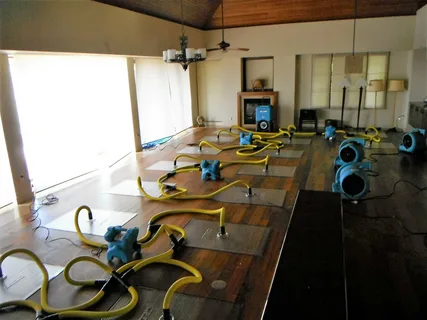
Water damage can disrupt daily life and cause serious problems for homes and businesses. A leaking pipe, overflowing appliance, heavy rainfall, or plumbing failure can allow water to spread quickly. Consequently, damaged floors, wet drywall, and damp insulation may become major concerns. Quick action helps limit these problems and protects the property’s structure.
Professional reliable Water Mitigation helps property owners manage water damage before it spreads further. The process involves identifying moisture, removing standing water, drying affected materials, and checking for hidden damage. Moreover, proper cleanup helps reduce conditions that may lead to mold growth.
Blount Services helps property owners understand the steps involved in water damage recovery. From the first inspection to the drying process, experienced restoration professionals can help determine the right approach. Property owners in Beech Island, SC, and Gibson, GA, can benefit from understanding these services before an emergency occurs. Therefore, knowing what to expect can make a stressful situation easier to manage.
Understanding Water Damage and Its Early Warning Signs
Water damage does not always appear as a large puddle or visible leak. Sometimes, moisture collects behind walls, beneath flooring, or inside ceilings. These hidden issues can weaken building materials over time. Therefore, recognizing early warning signs helps property owners respond before damage becomes more extensive.
Common Causes of Water Damage
Several everyday problems can introduce unwanted water into a property. Some develop suddenly, while others happen gradually.
Common causes include:
- Plumbing leaks: Damaged pipes, loose connections, and worn fittings can release water inside walls or cabinets.
- Appliance failures: Washing machines, dishwashers, and water heaters may leak because of damaged hoses or faulty components.
- Roof leaks: Missing shingles and damaged flashing can allow rainwater to enter the building.
- Heavy rainfall: Poor drainage and overwhelmed gutters can contribute to indoor water intrusion.
- Overflow incidents: Bathtubs, sinks, and toilets can overflow when drains become blocked.
Signs That Your Property Needs Attention
Discoloration on ceilings or walls often signals moisture problems. Similarly, bubbling paint, warped flooring, and peeling wallpaper may indicate water exposure.
A persistent musty smell also deserves attention. However, the absence of visible damage does not always mean the area is dry. Moisture can remain trapped inside building materials. Therefore, a professional inspection can help identify affected areas and determine the next steps.
How Professional Water Mitigation Protects Your Property
When water enters a building, the response should focus on stopping the source and limiting further damage. Professional technicians assess the affected areas before selecting suitable cleanup methods. Furthermore, they consider the building materials, moisture levels, and extent of water exposure.
Reliable Water Mitigation for Different Types of Damage
Reliable expert Water Mitigation begins with a careful assessment. Technicians identify where water entered, how far it traveled, and which materials need attention. This information helps create a practical recovery plan.
The process generally includes five important steps:
- Initial inspection: Technicians examine visible damage and look for moisture in nearby areas.
- Water removal: Appropriate equipment removes standing water from affected spaces.
- Moisture detection: Specialized meters help identify moisture inside floors, walls, and other materials.
- Structural drying: Air movers and dehumidifiers help remove remaining moisture.
- Final assessment: Technicians review drying progress and determine whether additional work is necessary.
Why Professional Equipment Matters
Household fans and open windows may help with minor moisture. However, they rarely provide the same level of control as professional drying equipment. Moreover, hidden moisture can remain inside materials even after surfaces appear dry.
Professional equipment helps technicians monitor drying conditions. As a result, they can make better decisions about the recovery process and reduce the risk of overlooked moisture.
Emergency Water Mitigation and Immediate Response
Water emergencies require quick attention because moisture can spread into nearby rooms and building materials. However, property owners should prioritize safety before attempting cleanup. Electrical hazards, contaminated water, and unstable surfaces can create additional risks.
When to Arrange Emergency Water Mitigation
Reliable emergency water mitigation service may become necessary after a burst pipe, major leak, appliance overflow, or storm-related water intrusion. The response depends on the water source and the amount of damage.
Property owners can take five practical steps while waiting for professional assistance:
- Stop the water source: Shut off the main water supply if a plumbing leak causes the problem.
- Avoid electrical hazards: Stay away from wet electrical outlets, appliances, and wiring.
- Keep people away: Restrict access to rooms with standing water or unsafe flooring.
- Document visible damage: Take photographs from a safe location for insurance records.
- Contact qualified professionals: Arrange an assessment to determine the safest cleanup approach.
Understanding Different Water Categories
Not all water damage presents the same level of concern. Clean water from a supply pipe differs from water containing household waste or outdoor contaminants.
The cleanup method must match the water source. For example, contaminated water may require specialized protective equipment and disposal procedures. Therefore, property owners should avoid handling potentially unsafe water without proper guidance.
The Importance of Proper Drying and Moisture Control
Removing visible water is only one part of the recovery process. Building materials can absorb moisture, especially drywall, wood, carpet padding, and insulation. Consequently, proper drying plays a major role in preventing further problems.
How Drying Equipment Supports Recovery
Professional drying equipment helps remove moisture from indoor spaces and affected materials. Air movers improve airflow, while dehumidifiers collect moisture from the surrounding air.
Technicians may also use moisture meters to monitor progress. Additionally, they can check areas behind furniture, beneath flooring, and inside wall cavities when necessary.
Five important drying considerations include:
- Air circulation: Proper airflow helps moisture evaporate from damp surfaces.
- Humidity control: Dehumidifiers reduce excess moisture in indoor air.
- Material inspection: Different materials require different drying approaches.
- Moisture monitoring: Regular measurements help track drying progress.
- Ventilation planning: Technicians consider airflow without spreading contaminants into unaffected spaces.
Preventing Mold-Related Problems
Therefore, property owners should address leaks promptly and arrange proper drying. If mold is already present, qualified professionals can assess the affected area and recommend suitable remediation.
Choosing Water Mitigation Services in Beech Island and Gibson
Choosing the right restoration provider can make the recovery process more organized. Property owners should look for clear communication, suitable equipment, and a detailed assessment. Furthermore, a dependable provider should explain the work before starting major restoration activities.
What to Look for in a Restoration Company
Reliable water mitigation services in Gibson, GA should address the actual source and extent of the damage. A professional assessment helps determine which materials can be dried and which may require replacement.
Consider these five practical points when comparing providers:
- Relevant experience: Ask about experience with residential and commercial water damage.
- Inspection methods: Confirm that technicians assess hidden moisture when necessary.
- Equipment availability: Ask whether professional drying and moisture detection equipment is available.
- Clear communication: Request an explanation of the recommended work and expected stages.
- Documentation: Keep inspection reports, photographs, and service records for future reference.
Preparing for the Restoration Process
Property owners should gather relevant information about the incident. For example, note when the damage started and whether the water source has been stopped.
Additionally, keep insurance details and photographs available. These records can help when discussing the situation with an insurance provider. Blount Services can help property owners understand the restoration process and the practical steps involved in addressing water damage.
Maintaining a Property After Water Damage
Once the immediate cleanup and drying work ends, regular maintenance can help reduce future water problems. Property owners should inspect vulnerable areas throughout the year. Moreover, routine checks can identify small issues before they develop into costly repairs.
Practical Ways to Reduce Future Water Damage
Preventive maintenance does not eliminate every risk. However, it can help property owners identify common problems early.
Consider these five maintenance practices:
- Inspect plumbing connections: Check visible pipes, faucets, and appliance hoses for signs of leakage.
- Maintain gutters: Remove leaves and debris to support proper rainwater drainage.
- Check roof conditions: Look for damaged shingles and signs of water intrusion.
- Monitor appliances: Review washing machine hoses and water heater connections periodically.
- Improve drainage: Ensure that outdoor water flows away from the building rather than collecting near its foundation.
Build a Simple Emergency Plan
A basic response plan can help household members act calmly during unexpected water incidents. Identify the main water shutoff location and keep important contact details accessible.
Furthermore, understand which areas may present electrical or structural hazards. Avoid entering unsafe spaces until qualified professionals confirm that access is safe.
Regular inspections also help maintain the property’s condition. Consequently, small maintenance tasks can support long-term protection and reduce the likelihood of preventable water damage.
Conclusion
Water damage can affect several parts of a property, from flooring and drywall to insulation and structural materials. Therefore, a quick and organized response helps limit additional problems. Identifying the water source, removing standing water, and checking hidden moisture are important parts of the recovery process.
Property owners should also understand that visible cleanup does not always mean the building has dried completely. Professional inspections and moisture monitoring can reveal issues that ordinary cleaning methods may miss. Moreover, proper drying helps reduce the conditions that encourage mold growth.
For homeowners and businesses, preparation is equally valuable. Routine plumbing inspections, clean gutters, roof maintenance, and proper drainage can help prevent common water problems. However, unexpected leaks and flooding can still happen, making professional assistance useful when damage becomes difficult to manage.
Property owners looking for reliable water mitigation services in Beech Island, SC, can explore the available restoration options through Blount Services. The same practical approach can help property owners in Gibson, GA, understand their recovery needs. Ultimately, informed decisions, timely inspections, and proper moisture control can help protect a property’s condition and support a more effective restoration process.
FAQs
What is water mitigation?
Water mitigation involves reducing the impact of water damage through inspection, water removal, moisture detection, and structural drying.
How quickly should I respond to water damage?
You should respond as soon as you discover the problem. Quick action can help limit moisture spread and reduce additional damage.
Can water damage cause mold growth?
Yes. Persistent moisture can create conditions that support mold growth. Proper drying and moisture control help reduce this risk.
Does water mitigation include structural repairs?
Not always. Mitigation focuses on controlling water damage and drying affected areas. Repairs and reconstruction may require separate services.
How can I prevent future water damage?
Inspect plumbing, maintain gutters, check roof conditions, monitor appliances, and ensure proper drainage around your property.

