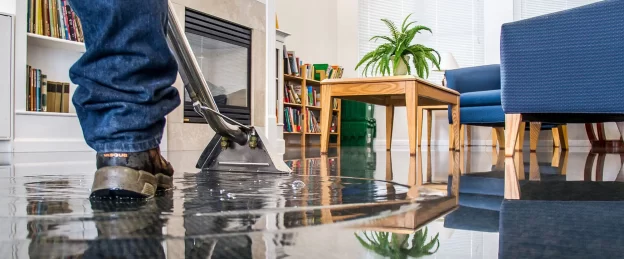
Unexpected water damage can spread quickly through flooring, drywall, cabinets, and other building materials. Whether the problem comes from a plumbing failure, appliance leak, storm, or another source, acting quickly can help limit additional damage. Professional water restoration in Augusta, GA focuses on removing excess water, drying affected areas, controlling moisture, and helping restore the property to a usable condition.
Blount Disaster provides water mitigation and property restoration solutions for homeowners and businesses dealing with moisture-related damage. A professional restoration process helps address both visible water and moisture that may remain hidden inside building materials.
Why Is Fast Water Restoration Important?
Water can travel beyond the area where damage is first visible. Moisture may move underneath flooring, behind drywall, into insulation, and around structural materials.
Waiting too long to begin cleanup can allow damage to become more extensive. Damp conditions may also create an environment where mold can develop.
Professional water damage restoration in Evans, GA helps identify affected areas and begins the drying process before moisture creates additional problems.
Common causes of water damage include:
- Broken or leaking pipes
- Appliance leaks
- Plumbing overflows
- Roof leaks
- Storm-related water intrusion
- Water heater problems
- Drainage issues
- Flooding
- HVAC-related moisture
Finding and addressing the water source is an important first step before restoration can move forward effectively.
Emergency Water Damage Cleanup
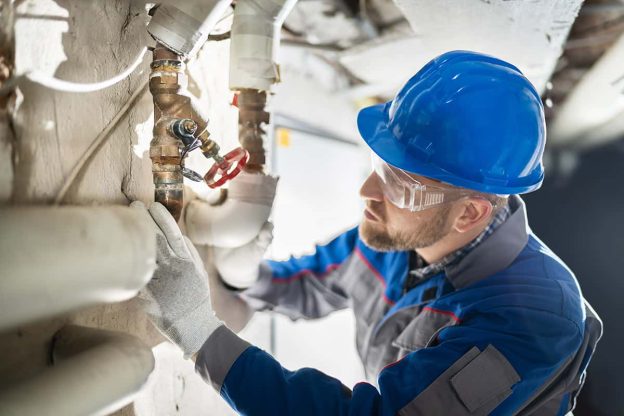
Water emergencies rarely happen at convenient times. A sudden pipe failure or major leak may require immediate attention to stop water from spreading into additional rooms.
Professional emergency water damage cleanup in Augusta, GA begins with evaluating the affected areas and determining how much water is present.
Standing water should be removed as soon as practical. After extraction, technicians can begin drying surfaces and materials that have absorbed moisture.
Rapid action can help reduce the amount of material that requires removal and make the overall recovery process more manageable.
Property owners should also avoid entering areas where water may have affected electrical systems or created other safety concerns until conditions have been properly evaluated.
Professional Water Extraction
Removing visible standing water is one of the first major stages of restoration.
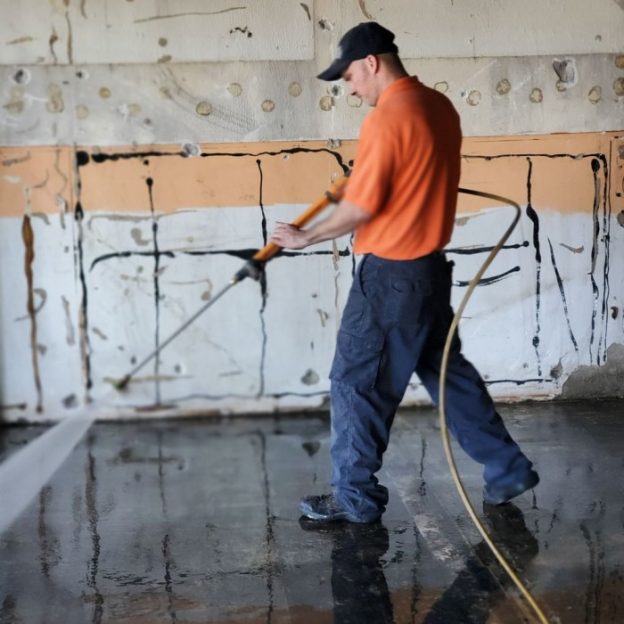
Professional water extraction services use specialized equipment to remove larger amounts of water efficiently. Extraction can be required around carpeting, flooring, basements, rooms affected by plumbing failures, and other damaged areas.
However, removing standing water does not mean the property is completely dry.
Building materials can retain moisture even after the surface looks normal. That is why extraction is typically followed by additional drying and moisture monitoring.
A complete approach helps address water that cannot be seen easily.
Structural Drying and Dehumidification
After standing water has been removed, affected materials need sufficient time and airflow to dry.
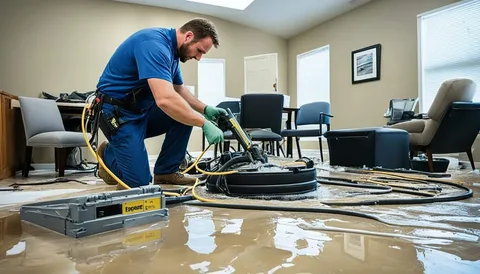
Professional restoration equipment may include air movers and dehumidification systems designed to reduce moisture from the surrounding environment and building materials.
Structural drying services can be important for:
- Walls
- Subfloors
- Wood materials
- Carpeting
- Framing
- Cabinets
- Other moisture-affected surfaces
Drying conditions should be monitored instead of relying only on visual appearance.
Materials may feel dry on the surface while moisture remains deeper inside. Careful monitoring helps determine whether additional drying is needed before repairs or reconstruction begin.
Preventing Mold After Water Damage
Moisture and mold are closely connected.
When building materials remain damp, mold may begin developing in affected areas. This makes moisture control an important part of the restoration process.
Professional water cleanup should focus on removing water thoroughly and drying hidden areas instead of simply cleaning the visible surface.
If mold is already present, additional remediation may be necessary.
Prompt water damage cleanup in Augusta, GA can reduce the amount of time moisture remains inside the property and help limit conditions that encourage further microbial growth.
Homeowners should pay attention to musty odors, discoloration, damp materials, or continued humidity after a water event.
Restoring Water-Damaged Building Materials
Not every material affected by water automatically requires replacement.
The appropriate solution depends on the type of material, amount of water exposure, contamination level, and how quickly drying begins.
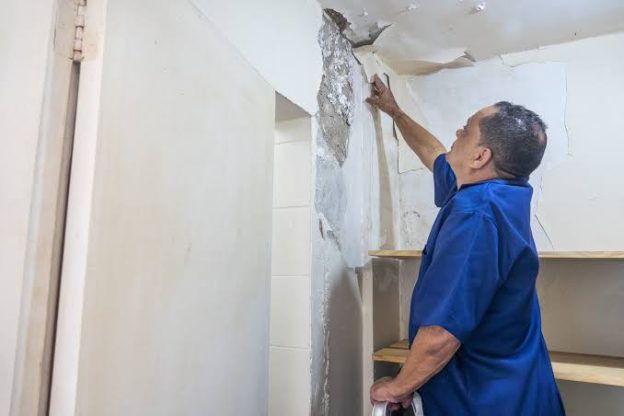
Some flooring, walls, and structural materials may be dried successfully. Other materials may be too damaged to restore and need removal or replacement.
A professional assessment can help determine which areas can remain and which require additional work.
Blount Disaster also provides reconstruction-related services, allowing cleanup and necessary repairs to be coordinated as part of the overall recovery process.
Residential Water Restoration
Water damage inside a home can interrupt daily routines and affect important living areas.
Bathrooms, kitchens, laundry rooms, basements, and spaces around water heaters are common locations for moisture problems.
Professional residential water restoration helps homeowners move through the recovery process systematically rather than trying to dry significant water damage with household equipment alone.
The process may involve:
- Inspecting the damaged area
- Identifying the water source
- Extracting standing water
- Drying affected materials
- Controlling humidity
- Monitoring moisture
- Cleaning affected areas
- Completing necessary repairs
The exact steps depend on the condition of each property.
Commercial Water Damage Restoration
Businesses can also experience significant disruption when water enters offices, retail areas, rental properties, storage rooms, or other commercial spaces.
Fast response becomes especially important when water damage interferes with normal business operations.
Commercial restoration may require removing water from larger areas, drying multiple rooms, evaluating flooring and walls, and coordinating repairs.
Professional restoration contractors can develop a cleanup approach based on the size and severity of the affected property.
Choosing a Water Restoration Company in Augusta, GA
Property owners should choose a restoration company capable of handling more than visible water removal.
A complete restoration approach should consider moisture detection, extraction, drying, damage assessment, mold concerns, and any repairs that may be needed afterward.
Blount Disaster provides water mitigation and restoration services for Augusta, GA and surrounding Georgia communities. Working with a company that can coordinate multiple stages of recovery can make it easier to move from emergency cleanup toward property restoration.
Conclusion
Professional water restoration in Augusta, GA is important when leaks, flooding, plumbing failures, or other water emergencies affect a home or commercial property. Prompt extraction, structural drying, dehumidification, and moisture monitoring can help limit additional damage and support a more complete recovery.
Blount Disaster provides water mitigation, cleanup, drying, and restoration solutions for property owners dealing with unexpected water damage. Taking action quickly can help protect affected building materials and make the restoration process more manageable.
FAQs
How quickly should water damage restoration begin?
Water damage should be addressed as quickly as practical because moisture can continue spreading into flooring, walls, and other building materials.
What happens during professional water restoration?
The process can include inspection, water extraction, structural drying, dehumidification, moisture monitoring, cleanup, and repairs when necessary.
Can water damage cause mold?
Yes. Materials that remain damp can create conditions that support mold growth, which is why thorough drying is an important part of restoration.
Does removing standing water completely dry a property?
No. Moisture can remain inside walls, flooring, framing, and other materials after visible water has been removed, so additional drying may be necessary.
Can water-damaged materials be restored?
Some materials can potentially be dried and restored, while severely damaged or unsuitable materials may require replacement. The decision depends on their condition and level of water exposure.
Does Blount Disaster provide water restoration in Augusta, GA?
The company publishes water damage and restoration content specifically for Augusta, GA and provides water mitigation, drying, restoration, and related property recovery services in the area.