

Water damage doesn’t wait for a convenient moment. One burst pipe, one overnight storm, or one slow leak behind a wall can quietly destroy the structural integrity of your home or business in ways that take months or even years to fully reveal. That’s why homeowners and business owners across Glascock County trust Blount’s Disaster Restoration when water turns their property upside down.
The small town of Gibson, GA is no stranger to significant water events due to its storm corridor status, aging infrastructure, and weather conditions. Whether it’s floodwaters into basements following a rainfall or sewage-backed into a business building, the requirement for urgent, specialist water damage restoration in Gibson, GA is as legitimate as anywhere else in the state.
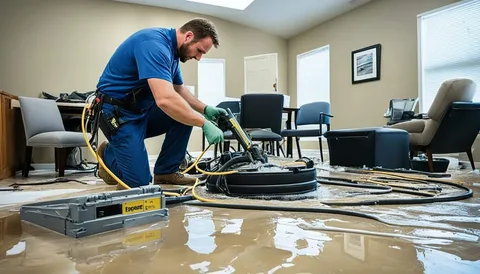
What Happens to a Property When Water Damage Goes Untreated
Water damage can rapidly become a major issue for most people. In less than an hour, water is permeating the floor, causing warping in wood, and wicking into drywall. After 24 hours, the spores of mold that are present in most indoor environments begin to grow on damp surfaces. The EPA reports that under the proper temperature conditions, mold can start to grow in damp building materials within 24 to 48 hours.
The Hidden Cost of Waiting
Water will absorb more as it sits longer. The initial carpet drying process turns into a sub floor replacement when the carpet continues to dry without the help of wet carpet drying machines. A small water-stain on the ceiling turns into a water loss in the drywall that goes behind the wall in the insulation. Correct drying of structure needs commercial grade drying equipment and moisture detection equipment – not fans and open windows.
Delayed action also makes insurance claims difficult. Insurers commonly refuse or limit coverage when they feel that the homeowner has not taken quick mitigation measures. When the damage occurs, it is important to document it as soon as possible, and to contact a professional water restoration company to protect your property and your claim.
How Water Travels Through a Building
Water takes the path of least resistance, and it is hardly ever where you think it is. If the bathroom is leaking on the 2nd floor, it can drip through the wall cavities and accumulate in the basement without being noticed until a single wet spot is found. The only way to map water movement is with moisture detection using thermal imaging and a professional moisture meter. The problem is only discovered during surface level inspection 50% of the time.
Water Damage Restoration Services Available in Gibson, GA
Property restoration is not a one-size-fits-all process; it’s a series of activities that must take place in a particular order, using the right equipment, and performed by trained professionals.
Emergency Water Extraction
The first thing that is always needed is water extraction. Water standing must be removed prior to anything else. Professional extraction equipment truck mounted units and submersible pumps and wet vacuums can extract hundreds of gallons of water very quickly and efficiently. This is not a “shop-vac” job. An overrun basement and a basement with water in it because of a storm will need industrial equipment to deal with safely.
Water events don’t come with an 8 to 5 schedule, which is why Blount’s Disaster Restoration has 24/7 water damage restoration services available in Gibson, GA. A burst pipe at 2 am is the same as one that occurs on a Tuesday afternoon.A 2AM burst pipe is the same as a burst pipe on Tuesday afternoon.
Structural Drying and Dehumidification
If water removal is finished then structural drying starts. In this stage, high velocity air movers and commercial dehumidifiers are strategically placed to remove moisture from walls, floors and ceilings. The aim is to re-establish the moisture content of building materials to acceptable standards, normally measured with a pin or pinless moisture meter.
This stage requires some time. Drying typically takes place in most residential restoration jobs for 3-5 days with daily monitoring. One of the most common errors made in do-it-yourself restoration efforts is haste, and one of the fastest paths to mold remediation calls is haste.
Mold Remediation and Prevention
Mold starts to grow wherever water is present. A key part of a full flood damage restoration is mold remediation. Certified technologists identify contaminated areas, extract contaminated materials, treat them with an antimicrobial agent and restore air quality by applying HEPA filters. IICRC (Institute of Inspection, Cleaning and Restoration Certification) establishes the mold remediation industry standard and reputable restoration firms do exactly that.
Mold prevention services don’t end with cleaning. The only way to prevent a recurrence is to solve the root cause of the moisture issue, such as a leaky pipe, poor drainage or a failing vapor barrier. If mold grows back after remediation, it’s a sign that the moisture issue was not addressed.
Sewage Cleanup and Contaminated Water Removal
Not all water damage involves clean water. Sewage backup cleanup is one of the most hazardous restoration scenarios a property owner can face. Category 3 water the industry term for water contaminated with sewage, chemicals, or biological hazards requires full protective equipment, specialized disinfection protocols, and proper disposal procedures.
Attempting to clean up sewage backup without professional training puts you at serious health risk. It also risks cross-contaminating other areas of the home if containment barriers aren’t established correctly.
Residential and Commercial Water Damage Restoration in Gibson, GA
The restoration process looks different depending on whether you’re dealing with a single-family home or a commercial building, and experienced restoration companies treat these scenarios differently.
Residential Water Damage Restoration
When working at home, it is important to keep the family as little disturbed as possible and to work efficiently to restore the home. The most prevalent water removal services offered on a residential level are carpet water removal, drywall water damage repair, ceiling water damage repair, and wet carpet drying. Technicians dry and restore, as much as possible, room by room.
Homeowners with basement water damage restoration in Gibson, GA, may discover that the damage goes beyond what they expected after spring rains, for example. Basement flooding is more likely to be expansive. Water will seep into concrete block walls, flow under the finished floor and may damage HVAC systems situated at floor level.
Commercial Water Damage Repair
For commercial properties, speed is revenue. A flooded office, retail space, or warehouse costs money every hour it sits out of operation. Commercial flood restoration requires more equipment, larger crews, and a structured project management approach to restore operations as quickly as possible. It also involves more complex insurance documentation and may require coordination with building management, tenants, and local authorities.
Storm Damage and Burst Pipe Repair in Gibson, GA
Georgia’s storm season brings heavy rainfall, high winds, and — occasionally — winter ice events that stress aging plumbing systems. Storm water damage restoration in Gibson, GA is a recurring need, particularly for properties with older roofing, inadequate gutters, or low-lying foundations.
Burst pipe water damage repair is especially common in winter. When temperatures drop quickly, pipes in uninsulated exterior walls or crawl spaces can freeze and rupture. A single half-inch pipe can release hundreds of gallons in just a few hours. Fast leak detection, shutoff, and water mitigation services are essential to limiting the damage.
Storm damage repair goes beyond water removal. Roof damage that allows water intrusion, window failures during high winds, and compromised exterior walls all create entry points for moisture. A full property damage restoration plan addresses the water damage and the structural vulnerabilities that caused it.
Navigating Insurance Claims After Water Damage
Filing a water damage insurance claim is stressful enough without also managing an active restoration project. Insurance claims assistance from an experienced restoration company makes the process significantly more manageable.
Restoration professionals document damage thoroughly with photos, moisture readings, and detailed scope-of-work reports in the format insurers need. This documentation speeds up claim approval and reduces disputes about what was damaged and what repairs will cost.
Understanding your policy matters too. Most homeowner policies cover sudden and accidental water damage, a burst pipe, an appliance failure, storm-driven rain intrusion but exclude flooding from external sources. Flood damage typically requires separate NFIP (National Flood Insurance Program) coverage. Knowing which policy applies before you call your adjuster saves time and prevents costly confusion.
Choosing a Water Restoration Company in Gibson, GA
Not all water damage restoration companies are equal, and the difference shows up in outcomes. When choosing a local water damage specialist in Gibson, GA, look for IICRC certification, the gold standard for restoration training. Confirm the company carries both general liability and workers’ compensation insurance, uses commercial-grade equipment, and provides written estimates with daily drying logs.
Response time matters enormously. The best affordable water damage restoration services don’t cut corners on equipment or training
they simply have the operational infrastructure to respond quickly without inflating costs unnecessarily. Fast water damage cleanup done properly the first time is always less expensive than remediation that has to be repeated.
Conclusion
Blount’s Disaster Restoration brings experienced technicians, proper certification, and the right equipment to every job in Gibson, GA and the surrounding areas. Whether you’re managing emergency water cleanup at midnight or coordinating a multi-week commercial restoration project, the approach is the same: thorough, professional, and focused on returning your property to pre-loss condition.
Frequently Asked Questions
How quickly should I call for water damage restoration after a flood or leak?
Call immediately
within the first hour if possible. Every hour of delay allows water to penetrate deeper into building materials. Mold can begin growing within 24 to 48 hours of initial saturation.
Does homeowner’s insurance cover water damage restoration in Gibson, GA? Most homeowner policies cover sudden and accidental water damage from internal sources like burst pipes or appliance failures. Flood damage from external water sources typically requires separate flood insurance. Your restoration company can help document the damage properly for your claim.
How long does the structural drying process take?
Most residential structural drying takes three to five days with professional equipment. The timeline depends on the extent of saturation, the materials involved, and ambient conditions. Technicians monitor moisture levels daily to track drying progress accurately.
Can I stay in my home during water damage restoration?
It depends on the scope. Minor water damage in one room often allows normal occupancy elsewhere in the home. Extensive damage, active mold remediation, or sewage cleanup situations may require temporary relocation for health and safety.
What is Category 3 water damage?
Category 3 refers to grossly contaminated water sewage backup, floodwater from rivers or streams, or water containing biological or chemical hazards. It requires specialized cleanup protocols and professional protective equipment. This is not safe to handle without trained personnel on site.
How do I know if there’s hidden water damage behind my walls?
Signs include musty odors, bubbling or staining on walls or ceilings, soft spots in flooring, and unexplained spikes in your water bill. Professional technicians use thermal imaging cameras and moisture meters to find hidden moisture without unnecessary demolition.
What’s the difference between water mitigation and water restoration?
Water mitigation is the emergency phase stopping the damage from worsening through extraction, drying, and containment. Water restoration is the repair phase replacing or repairing damaged materials to return the property to pre-loss condition. Both are essential parts of a complete disaster recovery process.