
Category Archives: Mold Remediation and Mitigation

Professional Water Mitigation Solutions in Thomson, GA

Professional Water Mitigation Solutions in Thomson, GA


Water damage can affect a property in minutes, but the problems may continue long after the water disappears. A leaking pipe, overflowing appliance, damaged roof, or severe storm can leave floors, walls, and personal belongings exposed to moisture. Therefore, quick action helps reduce damage and makes the recovery process easier. Homeowners and business owners in Thomson, GA, should understand the warning signs and know when to seek professional assistance.

Reliable water mitigation helps control moisture, protect building materials, and reduce the risk of further damage. However, removing visible water is only one part of the process. Moisture can remain behind drywall, beneath flooring, and inside insulation. Without proper drying, these hidden areas may develop persistent odors, material deterioration, or mold growth.

Blount Desister helps property owners understand the steps involved in addressing water damage and restoring affected spaces. Knowing what to expect can help you make informed decisions during a stressful situation. Additionally, understanding the difference between immediate cleanup and complete moisture removal can prevent costly mistakes.

Properties in Thomson and nearby communities such as Hephzibah may experience water damage from plumbing failures, storms, or equipment problems. Although every situation differs, a prompt assessment, careful moisture control, and appropriate restoration methods can help protect the structure. The following guide explains the process, practical precautions, and ways to reduce the risk of future water damage.

Understanding Water Damage and Its Causes

Water damage can develop from several sources, and identifying the cause is the first step toward effective cleanup. Some problems appear suddenly, while others develop slowly behind walls or beneath flooring. Consequently, property owners should look beyond visible puddles when assessing a potential problem.

Common Sources of Residential and Commercial Water Damage

Plumbing failures are a frequent source of indoor water problems. A broken supply line, loose connection, or damaged water heater can release water into surrounding rooms. Similarly, clogged drains and overflowing fixtures may affect floors, cabinets, and nearby walls.

Weather can also create serious problems. Heavy rainfall may enter through damaged roofing, poorly sealed windows, or vulnerable foundations. Furthermore, blocked gutters can direct water toward the building instead of away from it.

Appliance failures deserve attention, too. Washing machines, dishwashers, refrigerators, and air conditioning systems can leak when their hoses, drains, or connections fail.

The extent of the damage depends on several factors:

  • Water source: Clean supply water and contaminated water require different handling procedures.
  • Exposure time: Longer exposure can increase moisture absorption and material deterioration.
  • Building materials: Carpet, wood, drywall, and insulation respond differently to moisture.
  • Affected area: Water spreading across multiple rooms may require a broader assessment.
  • Hidden moisture: Water trapped inside walls or beneath flooring can remain unnoticed.

Professional water mitigation begins with understanding these conditions. Therefore, an assessment should identify the source, determine the affected areas, and establish a suitable response plan.

Property owners should also address the original problem before beginning extensive cleanup. Otherwise, continuing leaks may undo the progress made during restoration.

Why Prompt Water Mitigation Matters

Water can spread beyond the area where a leak first appears. For example, moisture may travel beneath flooring, soak into baseboards, or move through wall cavities. Therefore, delaying cleanup can increase the amount of material affected and complicate the recovery process.

Reliable Water Mitigation for Faster Moisture Control

Reliable water mitigation focuses on limiting additional damage and creating conditions for proper drying. The process usually begins with identifying the water source and evaluating the affected space. Technicians then determine which materials can be dried and which may require removal.

The exact approach depends on the severity of the incident. A small plumbing leak may require limited extraction and targeted drying. In contrast, extensive flooding may call for specialized equipment, additional safety measures, and a more detailed restoration plan.

Property owners can take several practical steps while arranging professional help:

  • Stop the water source: Shut off the supply if you can do so safely.
  • Protect personal safety: Avoid standing water near electrical outlets or damaged wiring.
  • Document visible damage: Take photographs when conditions permit and before moving affected items.
  • Move unaffected belongings: Relocate items away from the affected area when safe.
  • Arrange an assessment: Seek professional guidance when water reaches building materials or spreads into multiple rooms.

Additionally, avoid using ordinary household fans when the water may contain sewage or other contaminants. Contaminated water requires appropriate protective measures and specialized handling.

Quick action can help limit the spread of moisture. However, drying should not rely on appearance alone. Moisture meters and other assessment tools can help determine whether affected materials have dried sufficiently.

Essential Water Mitigation Services for Property Recovery

A successful recovery plan addresses both visible water and moisture that remains inside building materials. Since every property has different needs, technicians should select methods based on the water source, damage level, and construction type.

What Professional Water Mitigation Services Include

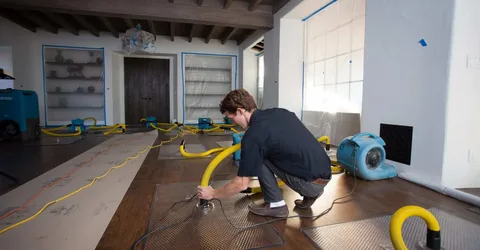
Professional water mitigation services  may include water extraction, moisture assessment, structural drying, cleaning, and preparation for repairs. These steps work together to help return the affected space to a suitable condition.

First, technicians inspect the property and identify visible and concealed damage. Next, they remove standing water with appropriate extraction equipment. They may then position air movers and dehumidifiers to support controlled drying.

Five practical considerations help property owners understand the process:

  • Initial inspection: Identify the source and determine how far the water has spread.
  • Water extraction: Remove standing water using equipment suited to the affected area.
  • Moisture monitoring: Check walls, floors, and other materials throughout the drying process.
  • Cleaning and sanitation: Use suitable methods based on the water source and contamination risks.
  • Restoration planning: Identify damaged materials that require repair or replacement.

Moreover, documentation can help property owners track the work completed and understand any remaining concerns. Ask for an explanation of the findings, recommended procedures, and expected next steps.

Effective services also distinguish mitigation from reconstruction. Mitigation limits further damage, while repairs restore damaged finishes and structures. Depending on the incident, property owners may need both stages to complete the recovery process.

Preventing Mold After Water Damage

Moisture that remains inside a building can create conditions that support mold growth. Mold may develop on damp drywall, wood, insulation, carpet, and other materials. However, the likelihood of growth depends on moisture levels, temperature, available materials, and exposure time.

How Mold Mitigation Protects Indoor Spaces

Mold mitigation in Hephzibah, GA  focuses on addressing moisture problems and managing existing mold when necessary. It starts with identifying the source of dampness rather than simply covering stains or odors.

For example, a wet wall may look dry on the surface while moisture remains inside. Consequently, a thorough assessment can help identify areas that need additional drying or further investigation.

Property owners can reduce moisture-related risks through five practical measures:

  • Repair leaks promptly: Fix damaged pipes, roof openings, and leaking appliances.
  • Dry wet materials quickly: Arrange appropriate drying after spills, leaks, or flooding.
  • Monitor indoor humidity: Use ventilation or dehumidification when conditions remain damp.
  • Inspect concealed areas: Check affected cabinets, baseboards, and flooring for persistent moisture.
  • Seek qualified help: Arrange professional assessment when mold covers extensive areas or involves contaminated water.

Additionally, avoid painting over mold or applying surface treatments without addressing the underlying moisture. These measures may hide visible signs without correcting the cause.

Professional mold mitigation may involve containment, removal of affected materials, cleaning, and moisture control. The appropriate procedure depends on the extent of contamination and the materials involved.

People with asthma, allergies, or other respiratory sensitivities should avoid disturbing suspected mold. Instead, seek suitable professional guidance, particularly when growth is widespread or follows a significant water event.

Preventing recurring dampness is essential. Without correcting the original leak or humidity problem, mold may return even after affected surfaces receive treatment.

Choosing a Water Damage Professional

Selecting the right professional can make the recovery process easier to understand. Property owners should look for clear communication, appropriate experience, and a documented plan that reflects the actual conditions inside the building.

Five Things to Check Before Work Begins

A qualified provider should explain the problem, recommend reasonable next steps, and answer questions about the proposed work. Furthermore, property owners should understand what the service includes before approving significant repairs.

Consider these five points when evaluating a provider:

  • Relevant experience: Ask about experience handling similar water damage situations.
  • Clear assessment: Request an explanation of affected areas and potential hidden moisture.
  • Written estimates: Review the proposed scope, costs, and any exclusions.
  • Safety procedures: Confirm that the provider follows appropriate precautions for contaminated water and suspected mold.
  • Progress updates: Ask how the team will monitor drying and communicate its findings.

These questions can help you compare providers without relying solely on price. The lowest estimate may not include every necessary step, while a higher estimate should clearly explain its additional value.

Blount Desister is the company identified for this article. Property owners should confirm the services available, response arrangements, and scope of work directly with the provider before making a decision.

Insurance documentation may also matter after a significant incident. Keep photographs, receipts, estimates, and relevant communication organized. Contact your insurer to understand your coverage, reporting requirements, and any restrictions on repairs.

Finally, ask whether the recommended work includes mitigation only or also covers reconstruction. Clear expectations can help prevent misunderstandings and make it easier to plan the remaining repairs.

Long-Term Protection Against Future Water Damage

Preventive maintenance can reduce the likelihood of future water problems. Although no property is completely protected from unexpected leaks or severe weather, regular inspections help identify weaknesses before they cause extensive damage.

Practical Maintenance for Homes and Businesses

Start by inspecting plumbing connections, appliance hoses, and water heaters for leaks or corrosion. Replace worn components when necessary, and pay attention to unexplained increases in water usage.

Outside the building, keep gutters clear and direct downspouts away from the foundation. Additionally, inspect roofing, exterior seals, and drainage areas after severe weather. Small defects can allow water to enter gradually and remain unnoticed.

A simple maintenance routine can include these five actions:

  • Check plumbing regularly: Look beneath sinks and around appliances for signs of moisture.
  • Maintain drainage: Remove debris from gutters and ensure downspouts direct water away from the structure.
  • Inspect vulnerable areas: Check basements, crawl spaces, and utility rooms for dampness or musty odors.
  • Test protective equipment: Follow manufacturer guidance when checking sump pumps and leak detectors.
  • Prepare for emergencies: Know the location of the main water shutoff and keep important contact information accessible.

Furthermore, monitor indoor humidity, especially in rooms with limited ventilation. Persistent condensation around windows or on cold surfaces may indicate a moisture problem that needs attention.

If water damage occurs, address the source promptly and arrange an assessment when necessary. Professional water mitigation can help limit the impact of an incident, but regular maintenance remains a valuable part of long-term property care.

Property owners should also review emergency procedures with family members, employees, or building occupants. Knowing how to report a leak and avoid unsafe areas can reduce confusion when an incident occurs.

Conclusion

Water damage can disrupt daily routines, damage valuable belongings, and create problems that extend beyond visible wet areas. However, prompt action and a clear recovery plan can help property owners manage these challenges more effectively. Understanding the source of the water, assessing the affected materials, and arranging appropriate drying are essential steps.

For homeowners and businesses in Thomson, GA, prevention deserves the same attention as cleanup. Regular plumbing inspections, proper drainage, roof maintenance, and humidity control can reduce common risks. Additionally, recognizing persistent odors, discoloration, and damp surfaces may help identify moisture problems before they spread.

When an incident occurs, reliable water mitigation services in Thomson, GA can help address standing water, hidden moisture, and damage that requires professional attention. The appropriate approach depends on the water source, the extent of the damage, and the materials involved. Therefore, property owners should ask questions, review the proposed scope of work, and confirm that the recommended procedures address the underlying problem.

Blount Desister is the company named in this article. Before arranging work, contact the provider to confirm service availability, response times, and the specific assistance offered for your situation.

Ultimately, a well-managed recovery involves more than removing water. It requires identifying the cause, drying affected materials properly, evaluating potential mold concerns, and completing necessary repairs. With timely decisions and consistent maintenance, property owners can make informed choices and better protect their buildings against future water-related problems.

FAQs

What is water mitigation?

Water mitigation involves taking steps to limit damage after a leak, flood, or other water-related incident. It may include inspection, water extraction, drying, and moisture monitoring.

How quickly should water damage be addressed?

Address water damage as soon as possible. Prompt action can reduce moisture exposure and lower the risk of additional damage.

Can water damage cause mold growth?

Yes. Persistent moisture can support mold growth on suitable materials. Thorough drying and correction of the original moisture source help reduce this risk.

What should I do before a professional arrives?

If safe, stop the water source, protect yourself from electrical hazards, document the damage, and move unaffected belongings away from wet areas.

Does water mitigation include repairs?

Not always. Mitigation focuses on limiting further damage, while reconstruction involves repairing or replacing damaged materials. Confirm which services the provider includes.


Comprehensive Mold Remediation and Mitigation Services in Evans, GA

Comprehensive Mold Remediation and Mitigation Services in Evans, GA


Mold can develop in a property long before anyone notices a problem. A small plumbing leak, roof damage, or lingering humidity can create the conditions mold needs to grow. Over time, affected areas may develop musty odors, discolored surfaces, and damage to building materials. Therefore, recognizing moisture problems early helps property owners avoid more extensive repairs.

Reliable expert Mold Remediation and Mitigation helps address existing mold growth while identifying the moisture sources that allow it to return. The process involves inspecting affected areas, controlling moisture, removing contaminated materials when necessary, and taking steps to prevent future growth. However, successful remediation requires more than cleaning visible spots. Hidden moisture behind walls, beneath flooring, and inside ventilation systems may also need attention.

In Evans, GA, changing weather conditions, heavy rainfall, and indoor humidity can contribute to moisture problems. Nearby Martinez, GA, properties can face similar challenges, particularly after plumbing failures, roof leaks, or flooding. Consequently, homeowners and commercial property managers benefit from understanding the causes of mold and the appropriate steps to address it.

Blount Desister helps property owners understand the importance of addressing moisture concerns and maintaining healthier indoor environments. With a practical approach to property care, owners can make informed decisions about inspections, cleanup, and long-term prevention. Knowing when to seek professional assistance can also prevent minor moisture issues from becoming more complicated building problems.

Understanding Mold Growth and Its Impact on Properties

Mold is a type of fungus that grows when moisture, suitable temperatures, and organic materials create favorable conditions. It can develop on drywall, wood, carpeting, insulation, and other materials commonly found inside buildings. Although some mold growth appears as dark spots, other growth may remain hidden behind walls or beneath flooring.

Properties in Evans, GA, can experience mold problems after storms, plumbing leaks, or periods of high humidity. Similarly, homes and businesses in Martinez, GA, may develop moisture issues when ventilation fails to remove excess indoor humidity. Therefore, understanding how mold develops is the first step toward managing it effectively.

Common Signs of a Mold Problem

Property owners should watch for musty odors, unusual discoloration, peeling paint, and recurring damp spots. Condensation around windows and persistent moisture beneath sinks can also indicate conditions that support mold growth.

However, visible mold does not always reveal the full extent of the problem. A small patch on a wall might indicate a larger moisture issue behind the surface. Consequently, investigating the source helps determine the appropriate response.

Mold exposure can trigger allergic reactions or worsen asthma symptoms in some people. The effects vary depending on individual sensitivity and exposure. People experiencing health concerns should consult a qualified healthcare professional.

Why Moisture Control Matters

Mold prevention starts with controlling moisture. Repairing leaks, improving ventilation, and drying wet materials promptly can reduce the likelihood of recurring growth. In addition, property owners should monitor damp areas after storms and plumbing repairs.

The environmental conditions that support mold growth also explain why simply painting over a stain rarely solves the problem. Unless the underlying moisture source receives attention, mold may return. A thorough inspection helps identify the next appropriate steps.

How Professional Mold Remediation and Mitigation Works

A reliable professional Mold Remediation and Mitigation process addresses both visible growth and the conditions that allow mold to develop. Although every property has different needs, effective remediation generally follows a clear sequence. Professionals assess the affected areas, identify moisture sources, establish appropriate containment when needed, and determine which materials require cleaning or removal.

The goal is to address the existing problem while reducing the risk of future growth. However, the right approach depends on the extent of contamination, the building materials involved, and the source of moisture.

Key Steps in the Remediation Process

An effective project typically includes five practical steps:

  • Inspection: Identify visible growth, moisture damage, musty odors, and potential hidden problem areas.
  • Moisture assessment: Investigate plumbing leaks, roof damage, condensation, and other possible sources of water.
  • Containment: Use suitable barriers and work practices when necessary to limit the spread of mold-contaminated dust.
  • Removal and cleaning: Clean suitable surfaces and remove materials that cannot be adequately restored.
  • Drying and verification: Dry affected areas thoroughly and check that the moisture problem has been addressed.

Furthermore, workers should use appropriate protective equipment and follow established safety practices. Disturbing moldy materials without proper precautions can spread spores and contaminated dust into other areas.

Property owners should also understand that mold remediation does not always require extensive demolition. The necessary work depends on the condition of the materials and the extent of moisture damage. An informed assessment helps establish a reasonable scope of work.

Residential and Commercial Mold Remediation Needs

Different buildings require different remediation strategies. Homes often experience mold around bathrooms, kitchens, basements, laundry rooms, and areas affected by roof or plumbing leaks. Commercial properties may face additional challenges because of larger ventilation systems, multiple occupied rooms, storage areas, and complicated building layouts.

In both settings, the priority is to address moisture and manage contamination without creating unnecessary disruption.

Protecting Homes and Businesses

Effective residential mold remediation service begins with identifying affected rooms and checking nearby materials for moisture damage. Homeowners should pay particular attention to areas beneath sinks, around windows, behind furniture placed against exterior walls, and near leaking appliances.

Likewise, commercial mold remediation may require coordination with building managers, maintenance teams, tenants, and cleaning contractors. Clear communication helps establish safe work areas and determine whether certain rooms need temporary access restrictions.

For either property type, five practical considerations can guide the process:

  • Assess the affected area: Determine where mold appears and whether moisture has spread elsewhere.
  • Protect occupants: Keep people away from active remediation areas when necessary.
  • Address building systems: Check ventilation equipment and nearby plumbing for moisture-related problems.
  • Choose suitable methods: Match cleaning or removal techniques to the affected materials.
  • Review the results: Confirm that moisture sources have been corrected and affected areas are appropriately dry.

Additionally, property owners should avoid assuming that every dark stain represents toxic mold. Appearance alone cannot reliably identify mold species or determine health risks.

The term black mold often causes concern, but responsible decisions depend on the actual conditions rather than color alone. When contamination is extensive, hidden, or associated with significant water damage, a qualified remediation professional can help determine the safest course of action.

Addressing Black Mold and Hidden Moisture

Dark mold growth can appear on damp drywall, wood, grout, and other building surfaces. However, mold color does not establish its species or toxicity. Some molds appear black, while other types can have similar coloring. Therefore, property owners should focus on moisture conditions, the extent of growth, and appropriate remediation practices.

When Black Mold Requires Professional Attention

Professional black mold remediation in Martinez, GA  may be appropriate when growth covers a large area, repeatedly returns after cleaning, affects porous building materials, or appears alongside substantial water damage.

Five practical precautions can help property owners respond appropriately:

  • Avoid disturbing mold: Scrubbing or scraping extensive growth without suitable precautions may spread contaminated particles.
  • Investigate moisture: Look for leaks, condensation, and other conditions that keep materials damp.
  • Check surrounding materials: Mold may extend beyond the area visible on a wall or ceiling.
  • Use appropriate protection: Remediation methods should account for the work area and potential exposure.
  • Seek qualified assistance: Extensive contamination or suspected hidden growth may require professional assessment.

Meanwhile, people with asthma, allergies, or other respiratory concerns should avoid exposure to affected areas whenever possible. Anyone experiencing symptoms should seek appropriate medical advice.

Cleaning visible mold without correcting a leak or humidity problem often leads to recurring growth. Consequently, effective remediation combines suitable cleanup methods with lasting moisture control.

Preventing Mold After Remediation

Removing existing mold addresses the immediate problem, but prevention helps protect the property over time. Even a successful cleanup cannot guarantee that mold will never return. New leaks, flooding, condensation, or high humidity can create favorable conditions again.

Therefore, property owners in Evans and Martinez should establish simple maintenance routines that identify moisture problems before they become widespread.

Five Practical Mold Prevention Measures

These five habits can help reduce moisture-related risks:

  • Repair leaks promptly: Check plumbing connections, roof penetrations, windows, and appliance hoses regularly.
  • Control indoor humidity: Use suitable ventilation or dehumidification when indoor air remains damp.
  • Improve airflow: Run bathroom exhaust fans and ensure kitchen ventilation removes moisture effectively.
  • Dry wet materials quickly: Address water intrusion promptly and assess whether porous materials need professional attention.
  • Inspect vulnerable areas: Check basements, crawl spaces, attics, and spaces around windows for signs of dampness.

Additionally, property owners should pay attention to their heating, ventilation, and air-conditioning systems. Blocked condensate drains, poorly maintained equipment, and persistent condensation can contribute to moisture problems.

Building a Long-Term Maintenance Routine

A monthly visual inspection can help homeowners notice small changes before they require major repairs. After heavy rainfall, inspect ceilings, exterior walls, and lower-level rooms for water intrusion.

Commercial property managers can also maintain records of reported leaks, completed repairs, humidity concerns, and previous remediation work. These records make it easier to recognize recurring issues and schedule maintenance.

Finally, avoid relying on paint, fragrance products, or surface cleaners to conceal musty odors. These approaches do not correct hidden moisture. Instead, identify the source and address it directly.

Conclusion

Mold problems can affect building materials, indoor comfort, and the everyday use of a property. However, early action and appropriate moisture management can help prevent many problems from becoming more extensive. Understanding the causes of mold also allows property owners to make informed decisions about inspections, cleanup, and future maintenance.

Reliable remediation begins with identifying the source of moisture. Professionals then assess affected materials, determine suitable cleaning or removal methods, and establish steps to prevent recurring growth. Furthermore, property owners should understand that mold color alone cannot establish toxicity. The extent of contamination, the condition of the building, and the underlying moisture problem matter more when choosing a response.

For homeowners, regular inspections and prompt leak repairs can reduce the likelihood of future mold growth. Commercial property managers can benefit from maintenance records, ventilation checks, and clear procedures for reporting water damage. In either setting, addressing moisture early is generally easier than managing widespread damage later.

Property owners seeking reliable residential mold remediation in Evans, GA, can benefit from understanding the available cleanup options and the importance of correcting the underlying cause. Similarly, businesses in Martinez, GA, should address persistent dampness before it affects additional rooms or building materials.

Blount Desister recognizes the importance of informed property care and practical moisture management. By combining appropriate remediation practices with regular maintenance, property owners can better protect their buildings and reduce the chances of recurring mold problems.

Ultimately, the best approach focuses on lasting results rather than temporary cosmetic fixes. Careful inspections, suitable cleanup methods, and consistent moisture control provide a practical foundation for maintaining residential and commercial properties.

FAQs

What causes mold to grow inside a property?

Mold grows when moisture, suitable temperatures, and materials such as wood, drywall, or carpeting provide favorable conditions. Leaks, flooding, condensation, and high humidity are common causes.

When should I consider professional mold remediation?

Consider professional assistance when mold covers a large area, repeatedly returns, affects hidden spaces, or follows significant water damage. Professionals can assess the affected materials and recommend appropriate steps.

Is black mold always toxic?

No. Mold color alone cannot identify a species or determine its toxicity. However, visible mold should be addressed appropriately, and persistent moisture should be corrected.

How can homeowners prevent mold from returning?

Repair leaks, control indoor humidity, improve ventilation, dry wet materials promptly, and inspect areas prone to moisture. These measures help reduce the conditions that support mold growth.

Can commercial buildings develop mold problems?

Yes. Offices, retail spaces, warehouses, and other commercial buildings can develop mold because of leaks, ventilation issues, flooding, or condensation. Regular maintenance and prompt moisture control help reduce these risks.

Comprehensive Mold Remediation and Mitigation in Blythe, GA

Comprehensive Mold Remediation and Mitigation in Blythe, GA


Moisture problems can develop quietly inside homes and commercial buildings. A small plumbing leak, roof damage, or poor ventilation can create the conditions mold needs to grow. Over time, this growth may affect indoor air quality, damage building materials, and create persistent musty odors. Therefore, addressing moisture problems early helps prevent more extensive repairs.

In Blythe, Georgia, seasonal rainfall, humidity, and plumbing issues can contribute to indoor moisture buildup. Homeowners should pay attention to water stains, peeling paint, damp carpets, and unusual odors. These signs may indicate hidden moisture behind walls, beneath flooring, or inside ceiling cavities. Furthermore, mold can spread when the underlying moisture source remains unresolved.

Professional reliable Mold Remediation and Mitigation involves identifying moisture sources, containing affected areas, removing contaminated materials when necessary, and reducing the risk of future growth. Blount Desister helps property owners understand the importance of addressing mold problems through informed cleanup and moisture control practices.

Property owners in Grovetown, GA, can benefit from the same approach. However, every building has different moisture conditions, materials, and ventilation needs. A careful assessment helps determine the appropriate response rather than relying on surface cleaning alone.

Understanding how mold develops, recognizing warning signs, and following proven prevention practices can help protect your property. Moreover, timely action can reduce unnecessary damage and support a healthier indoor environment.

Understanding Mold Growth and Its Causes

Mold is a type of fungus that grows when moisture and suitable organic materials are available. Common household materials, including drywall, wood, paper, and carpeting, can support mold growth when they remain damp. Consequently, even a minor leak can become a larger problem if nobody addresses it.

Properties in Blythe may experience moisture issues after heavy rain, plumbing failures, roof leaks, or flooding. Meanwhile, condensation can develop around windows, air-conditioning equipment, and poorly ventilated bathrooms. These conditions create opportunities for mold to grow in visible and hidden spaces.

Common Conditions That Encourage Mold

Several factors can contribute to indoor mold growth:

  • Water leaks: Damaged pipes, leaking roofs, and faulty plumbing fixtures introduce unwanted moisture.
  • High humidity: Excess indoor humidity can encourage condensation on cool surfaces.
  • Poor ventilation: Bathrooms, kitchens, and laundry rooms need adequate airflow to remove moisture.
  • Flooding: Water can penetrate drywall, insulation, flooring, and wooden structures.
  • Delayed drying: Damp materials may develop mold when they remain wet for extended periods.

Recognizing these causes helps property owners respond before damage spreads. For example, a ceiling stain may indicate a roof leak that requires repair before cleanup begins.

Furthermore, mold does not always appear as obvious dark patches. It may develop behind furniture, inside cabinets, or beneath flooring. A persistent musty smell can indicate a moisture problem that deserves further investigation.

Property owners should also understand that not every dark stain is mold. A qualified professional can assess suspicious areas and recommend appropriate testing or inspection when needed.

How Professional Mold Remediation Works

Effective mold cleanup requires more than wiping visible growth from a surface. Professionals need to understand the extent of contamination, identify the moisture source, and choose suitable removal methods. Therefore, a structured assessment is an important first step.

Reliable expert Mold Remediation and Mitigation focuses on controlling the affected area, removing contaminated materials when necessary, and addressing the conditions that allowed mold to develop. The exact process depends on the size of the affected area, the materials involved, and whether moisture remains present.

Key Steps in the Remediation Process

A typical professional approach includes five practical steps:

  • Initial inspection: The professional examines visible growth, water damage, moisture levels, and possible hidden problem areas.
  • Moisture source identification: The team investigates leaks, condensation, drainage issues, or other sources of water.
  • Area containment: Appropriate barriers and work practices help limit the spread of mold-contaminated dust.
  • Safe material removal: Porous materials that cannot be adequately cleaned may require removal and replacement.
  • Cleaning and drying: Remaining surfaces receive suitable cleaning, while affected areas undergo thorough drying.

The process should match the property’s actual conditions. For instance, mold on a cleanable surface may require a different response than contamination inside damp insulation.

Professionals should also explain the planned work, safety precautions, and any limitations. In some situations, additional inspection may be necessary before repairs begin.

Furthermore, removing visible mold without correcting the water problem rarely provides a lasting solution. Moisture control remains essential throughout the process.

Mold Remediation Services and Black Mold Concerns

Mold can appear in different colors, including green, white, gray, and black. However, color alone cannot identify a mold species or determine its health risks. Therefore, property owners should avoid assuming that every black patch represents a particular dangerous species.

Professional reliable mold remediation services address visible growth and investigate the moisture conditions supporting it. The appropriate response depends on the affected materials, the extent of growth, and the possibility of hidden contamination.

When Black Mold Requires Professional Attention

Black-colored mold can develop in damp areas such as bathrooms, basements, wall cavities, and locations affected by plumbing leaks. However, visual appearance cannot reliably distinguish one mold species from another.

The following five practices can help property owners respond appropriately:

  • Avoid disturbing growth: Scrubbing, sanding, or removing contaminated materials without proper precautions may spread particles.
  • Investigate moisture: Identify plumbing leaks, roof damage, or condensation contributing to the problem.
  • Protect occupants: Keep children and people with asthma or mold sensitivities away from affected areas during cleanup.
  • Choose suitable cleanup methods: Select procedures based on the material and the extent of contamination.
  • Verify drying: Confirm that the moisture problem has been corrected before completing repairs.

For larger areas, recurring growth, or contamination involving heating and cooling systems, professional assessment is advisable. Similarly, seek professional help when mold develops after substantial flooding or affects materials that are difficult to clean.

Property owners should focus on moisture control and appropriate remediation rather than relying on color as a measure of danger.

Mold Mitigation Services for Long-Term Prevention

Removing existing mold addresses the immediate problem, but mitigation focuses on reducing the conditions that allow it to return. Both approaches work together when a property has experienced repeated leaks, flooding, or persistent humidity.

Professional dependable mold mitigation services can help property owners identify moisture risks and develop practical prevention strategies. However, prevention requires ongoing attention to the building’s plumbing, drainage, ventilation, and indoor humidity.

Five Practical Ways to Reduce Future Mold Growth

Property owners in Blythe and Grovetown can take several steps to manage moisture:

  • Repair leaks promptly: Fix dripping pipes, damaged roof sections, and faulty plumbing connections as soon as possible.
  • Control indoor humidity: Aim to keep indoor relative humidity below 60%, ideally between 30% and 50%, when practical.
  • Improve ventilation: Use bathroom exhaust fans and kitchen ventilation to remove excess moisture.
  • Dry wet materials quickly: Address water intrusion immediately and dry affected materials thoroughly, generally within 24–48 hours when possible.
  • Maintain drainage: Keep gutters clear and direct downspouts away from the foundation to reduce water intrusion.

Additionally, inspect areas beneath sinks, around water heaters, and near washing machines. These locations can develop leaks that remain unnoticed for weeks.

Air-conditioning systems also need proper maintenance. Clogged condensate drains, leaking drain pans, and poorly insulated ducts may contribute to moisture problems.

Finally, monitor rooms that have experienced previous mold growth. Early intervention can prevent a small moisture issue from becoming a larger restoration project.

Choosing the Right Approach for Your Property

Every mold problem has its own causes and challenges. A small patch on a washable bathroom surface may require a different response from extensive contamination inside walls. Therefore, property owners should consider the full situation before deciding how to proceed.

The goal of professional comprehensive Mold Remediation and Mitigation in Grovetown, GA  is to address existing contamination, correct moisture problems, and reduce the likelihood of recurring damage. A suitable plan should reflect the building’s condition rather than rely on a one-size-fits-all method.

Five Considerations Before Starting Remediation

Before choosing a remediation approach, consider these practical points:

  • Extent of the damage: Determine whether the problem affects one surface, several rooms, or concealed building materials.
  • Source of moisture: Confirm whether a leak, condensation, flooding, or drainage problem caused the growth.
  • Affected materials: Assess whether drywall, insulation, carpeting, or other porous materials can be cleaned or need replacement.
  • Safety precautions: Establish appropriate containment and protective measures for the work involved.
  • Repair and prevention plans: Ensure the proposed work includes moisture correction and steps to reduce future growth.

Clear communication also matters. Ask the service provider to explain the inspection findings, recommended procedures, expected timeline, and any additional repairs that may be necessary.

Blount Desister can be included in the evaluation process when property owners are considering their mold-related service needs. Before work begins, discuss the specific services offered and confirm that the proposed work matches your property’s requirements.

Additionally, homeowners should understand that a mold assessment, laboratory testing, remediation, and reconstruction are different services. Not every situation requires laboratory testing, and not every remediation project includes rebuilding damaged areas.

A clear plan helps property owners make informed decisions and understand what the cleanup process can realistically accomplish.

Conclusion

Mold problems can affect homes and commercial buildings when moisture remains trapped in walls, flooring, insulation, or other building materials. However, property owners can reduce the risk of extensive damage by recognizing warning signs and addressing water problems promptly.

Effective remediation begins with identifying the source of moisture. Professionals then assess the affected materials, determine appropriate cleanup procedures, and establish measures to limit contamination during the work. Furthermore, thorough drying and suitable repairs help reduce the likelihood of recurring growth.

Property owners should also remember that prevention continues after cleanup. Regular plumbing inspections, proper ventilation, controlled indoor humidity, and effective drainage can make a meaningful difference. Meanwhile, recurring musty odors or unexplained water stains deserve attention, even when visible mold is absent.

For property owners seeking reliable mold mitigation services in Blythe, GA, understanding the available options is a useful first step. Similar moisture-control practices can help homeowners in Grovetown, GA, protect their properties and respond more effectively to water damage.

Before selecting a service provider, discuss the property’s condition, the suspected moisture source, the recommended procedures, and any necessary repairs. Ask questions about containment, material removal, drying, and prevention so you understand the proposed approach.

Ultimately, successful mold management requires more than removing visible growth. It involves correcting the conditions that support mold and maintaining a dry indoor environment. With prompt action, appropriate professional guidance, and consistent property maintenance, homeowners can make informed decisions and better protect their buildings over time.

FAQs

What causes mold to grow inside homes in Blythe, GA?

Leaks, flooding, condensation, high humidity, and poor ventilation can create the damp conditions mold needs to grow.

How can I tell if my property needs professional mold remediation?

Consider professional help when mold covers a large area, returns after cleaning, develops after flooding, or appears inside walls or ventilation systems.

Is black mold always more dangerous than other mold?

No. Color alone cannot identify a mold species or determine its health risks. Any indoor mold growth should be assessed alongside the moisture problem.

How long does mold remediation usually take?

The timeline depends on the affected area, material damage, moisture levels, and drying requirements. Small projects may take less time than extensive remediation.

How can I prevent mold from returning after cleanup?

Repair leaks, control humidity, improve ventilation, dry wet materials promptly, and correct drainage problems. Regular inspections can also help identify new moisture issues early.


Professional Mold Remediation Services

Professional Mold Remediation Services in Waynesboro, GA

Mold can begin growing within a short time after water damage, plumbing leaks, roof problems, or excessive indoor humidity. Once it starts spreading, it can affect drywall, flooring, ceilings, insulation, and even HVAC systems, creating unhealthy indoor conditions and causing damage to your property. Taking action as soon as mold appears helps reduce repair costs and limits the spread to other areas. Blount Disaster provides Professional Mold Remediation Services in Waynesboro, GA, using proven methods to locate moisture sources, remove contamination, and restore properties safely.

Professional remediation goes beyond cleaning visible mold. The process focuses on identifying hidden mold colonies and correcting the moisture issues that allow mold to grow. This complete approach helps reduce the risk of future mold problems while improving the condition of your home or business.

Understanding Why Professional Mold Remediation Matters

Mold often develops in hidden spaces where property owners cannot easily see it. It commonly grows behind drywall, beneath flooring, inside crawl spaces, around insulation, and within air ducts. Simply wiping away visible mold rarely solves the issue because microscopic mold spores continue spreading whenever moisture remains.

Professional Mold Remediation Services in Waynesboro, GA begin with a detailed inspection to identify both the mold and the moisture source. Once the cause is found, trained technicians remove contaminated materials, clean affected surfaces, and dry the area completely. Addressing both mold growth and excess moisture provides a longer-lasting solution than surface cleaning alone.

Signs Your Property May Need Mold Remediation

Many mold problems develop quietly before becoming obvious. Property owners often notice unusual odors or minor staining long before mold becomes visible. Recognizing these warning signs early can help prevent extensive property damage.

Common indicators include:

  • Persistent musty odors
  • Water stains on walls or ceilings
  • Bubbling or peeling paint
  • Visible black, green, or white mold spots
  • High indoor humidity
  • Previous flooding or plumbing leaks

A professional mold inspection helps identify hidden contamination before it spreads throughout the structure.

Our Complete Mold Remediation Process

Every project begins with a thorough inspection to determine the extent of mold growth and locate the source of moisture. Once the affected areas have been identified, containment barriers may be installed to help prevent mold spores from spreading during the cleanup process.

Damaged materials are removed when necessary, while salvageable surfaces are cleaned using professional remediation techniques. Industrial drying equipment helps eliminate excess moisture, reducing the chance of future mold growth. The final stage includes verifying that the affected areas are clean, dry, and ready for restoration if needed.

Simple Ways to Help Prevent Mold Growth

Preventing mold starts with controlling moisture throughout your property. Regular maintenance and quick repairs can significantly lower the chances of mold returning after remediation.

Helpful prevention tips include:

  • Repair plumbing leaks as soon as possible.
  • Improve ventilation in bathrooms and kitchens.
  • Maintain healthy indoor humidity levels.
  • Clean gutters and downspouts regularly.
  • Dry wet building materials quickly after water damage.
  • Schedule routine property inspections.

Many homeowners also schedule Water Damage Restoration Services in Augusta, GA after flooding or major leaks to reduce the risk of mold developing in moisture-damaged areas.

Why Homeowners Choose Blount Disaster

Successful mold remediation requires the right equipment, proper safety procedures, and experience handling different levels of contamination. Blount Disaster provides customized remediation services based on the condition of each property instead of using the same approach for every project.

Every job includes detailed inspections, effective containment methods, careful mold removal, moisture control recommendations, and thorough cleanup. Whether mold develops after storm damage, plumbing failures, or long-term humidity, the goal is to restore a cleaner and healthier indoor environment while reducing the possibility of future mold issues.

Property owners searching for Professional Mold Remediation Services in Waynesboro, GA appreciate working with a local team that understands the area’s climate and common moisture-related problems.

Protect Your Property with Early Mold Detection

Waiting too long to address mold can allow contamination to spread into additional rooms and structural materials, increasing restoration costs and extending repair times. Scheduling a professional inspection when you notice moisture, musty odors, or visible mold allows the problem to be addressed before it becomes more extensive.

If you suspect mold in your home or business, Blount Disaster can provide a professional inspection and customized remediation plan designed to restore your property safely and efficiently.

Conclusion

Professional mold remediation helps protect your property by removing mold at its source while correcting the moisture conditions that caused the problem. Early action can minimize structural damage, improve indoor air quality, and reduce the risk of recurring mold growth.

Whether you need mold inspections, black mold removal, moisture control, or restoration after water damage, Blount Disaster provides dependable remediation services designed to restore your home or commercial property with lasting results.

FAQs

What causes mold to grow inside a property?

Mold usually develops after plumbing leaks, roof damage, flooding, condensation, or high indoor humidity. Any area that stays damp for an extended period can become a breeding ground for mold.

Can mold grow behind walls and under floors?

Yes. Mold often spreads in hidden spaces such as wall cavities, crawl spaces, insulation, beneath flooring, and inside HVAC systems where moisture is trapped.

Is professional mold remediation better than cleaning mold myself?

Yes. Professional remediation removes hidden mold, addresses the moisture source, safely handles contaminated materials, and helps reduce the chance of mold returning.

How can I prevent mold from coming back?

Repair water leaks quickly, improve ventilation, control indoor humidity, dry wet materials immediately, and schedule inspections after flooding or significant water damage.

When should I schedule a mold inspection?

You should arrange a professional inspection after flooding, plumbing leaks, roof damage, or whenever you notice musty odors, discoloration, or visible mold growth inside your property.


Mold Inspection and Removal

Reliable Mold Inspection and Removal in Waynesboro, GA

Mold can develop quickly in homes and businesses after water leaks, roof damage, plumbing issues, or prolonged humidity. If left untreated, it can spread through walls, ceilings, insulation, and flooring, causing structural deterioration and unpleasant indoor conditions. Acting early helps minimize repair costs and prevents mold from affecting larger areas of the property. Blount Disaster provides professional mold inspection and removal services that identify the source of the problem and restore affected spaces with safe, effective remediation techniques.

Rather than simply cleaning visible mold, professional remediation targets hidden growth and moisture issues to help prevent future infestations. Every project is completed with careful attention to safety, cleanliness, and long-term results.

Understanding the Importance of Professional Mold Removal

Mold often grows in places that are difficult to detect, including crawl spaces, behind drywall, beneath flooring, and inside HVAC systems. Cleaning only the visible surface rarely eliminates the entire problem because mold spores continue spreading wherever moisture is present.

Professional Mold Remediation Services in Waynesboro, GA begin with identifying the moisture source before removing contaminated materials and treating affected areas. Addressing both mold growth and excess moisture helps provide a long-lasting solution instead of temporary relief.

Common Signs Your Property May Have Mold

Not every mold problem is immediately visible. Many property owners first notice musty odors or unexplained discoloration before discovering mold growth.

Some common warning signs include:

  • Persistent musty smells
  • Water stains on ceilings or walls
  • Bubbling or peeling paint
  • Visible mold spots
  • Increased indoor humidity
  • Previous flooding or plumbing leaks

Professional mold inspections help locate hidden contamination before it spreads further throughout the property.

Our Comprehensive Mold Remediation Process

Every mold remediation project starts with a detailed property inspection to determine the extent of contamination and locate the source of moisture. Containment barriers are installed when necessary to prevent spores from spreading during cleanup.

Damaged materials are safely removed or restored, contaminated surfaces are thoroughly cleaned, and drying equipment is used to eliminate excess moisture. The goal is to restore a cleaner environment while reducing the risk of future mold growth.

Tips for Preventing Mold Growth

Preventing mold begins with controlling moisture throughout the property. Routine maintenance and prompt repairs can significantly reduce the likelihood of future mold problems.

Helpful prevention measures include:

  • Repair plumbing leaks immediately
  • Improve ventilation in kitchens and bathrooms
  • Maintain proper indoor humidity levels
  • Clean and inspect gutters regularly
  • Dry water-damaged materials quickly
  • Schedule routine property inspections

Many homeowners also seek Water Damage Restoration Services in Augusta, GA after severe moisture events to help prevent mold from developing following floods or leaks.

Why Property Owners Choose Blount Disaster

Successful mold remediation requires experience, proper equipment, and attention to detail. Blount Disaster provides customized remediation solutions based on the unique needs of each property.

Every project includes careful inspections, effective containment methods, thorough cleanup, and moisture control recommendations designed to minimize future mold concerns. Whether removing mold after storm damage or addressing long-term humidity issues, the team focuses on delivering dependable workmanship and lasting results.

Property owners looking for Mold Removal Services in Waynesboro, GA appreciate working with professionals who understand local environmental conditions and provide reliable restoration solutions.

Protect Your Property with Early Mold Detection

Delaying mold remediation often allows contamination to spread into larger sections of the property, increasing restoration costs. Scheduling a professional inspection at the first sign of moisture or mold helps reduce damage and supports a healthier indoor environment.

Contact Blount Disaster today to schedule a professional mold inspection and receive customized remediation services that restore your property safely and efficiently.

Conclusion

Professional mold remediation is an important investment in protecting your home or commercial property. By removing mold at its source and correcting the moisture conditions that caused it, property owners can reduce future damage and maintain cleaner indoor spaces.

Whether you require mold inspections, moisture control, black mold removal, or complete restoration after water damage, Blount Disaster delivers dependable remediation solutions with quality workmanship and long-term protection.

FAQs

What usually causes mold growth?

Mold commonly develops after plumbing leaks, roof leaks, flooding, condensation, or high indoor humidity.

Can mold spread behind walls?

Yes. Mold frequently grows inside wall cavities, ceilings, insulation, and other hidden areas where moisture is present.

Is professional mold removal better than DIY cleaning?

Professional remediation removes mold safely, identifies hidden contamination, and addresses the moisture source to help prevent future growth.

How can I reduce the chance of mold returning?

Fix water leaks promptly, improve ventilation, control indoor humidity, and schedule inspections after water damage.

When should I schedule a mold inspection?

It’s recommended after flooding, plumbing leaks, roof damage, or whenever you notice musty odors, discoloration, or visible mold growth.


Affordable Mold Remediation Services in Waynesboro, GA

Mold can spread faster than many people realize, especially after leaks, flooding, or excessive humidity. Besides damaging walls, ceilings, and flooring, it can create unpleasant odors and affect indoor air quality. Addressing mold early helps prevent costly structural damage and keeps the property in better condition. Blount Desister provides dependable solutions designed to remove mold safely and restore affected areas with professional care.

Choosing experienced specialists is the best way to eliminate mold at its source instead of covering up the problem. A complete remediation process includes identifying moisture issues, removing contaminated materials when necessary, and preventing mold from returning through proven restoration methods.

Why Professional Mold Removal Matters

Ignoring mold allows it to spread into hidden areas behind walls, beneath flooring, and inside ventilation systems. Small patches can quickly become larger problems that require more extensive repairs. Professional remediation helps stop the spread before greater damage occurs.

After understanding the source of the problem, Mold Remediation Services remove existing mold while addressing the moisture conditions that caused it. This complete approach delivers long-term protection instead of temporary results.

Signs You May Need Mold Remediation

Mold problems are not always obvious. Sometimes the warning signs appear before visible mold is discovered. Musty odors, peeling paint, discoloration, or persistent moisture often indicate hidden mold growth.

Professional inspections help locate mold in areas that are difficult to access. Combined with mold inspection services and water damage restoration, early detection helps reduce repair costs and limits further contamination.

Complete Mold Remediation Process

Successful remediation begins with a detailed inspection to identify affected areas and moisture sources. Containment measures help prevent spores from spreading while damaged materials are safely removed or treated.

Our team also cleans contaminated surfaces, improves drying conditions, and recommends moisture control solutions. Every step focuses on restoring a cleaner, healthier indoor environment with lasting results.

Prevent Future Mold Problems

Preventing mold requires controlling moisture before it creates ideal growing conditions. Fixing leaks, improving ventilation, and reducing indoor humidity are essential parts of long-term protection.

Many property owners also request Mold Remediation Services in Jackson, SC when managing moisture-related issues across multiple locations. Preventive maintenance helps reduce the likelihood of recurring mold problems while protecting interior surfaces.

Why Choose Our Mold Remediation Team?

Experience and attention to detail make a significant difference during mold removal. Every project receives a careful inspection, professional treatment, and thorough cleanup using proven remediation methods.

Clients also benefit from reliable communication, quality workmanship, and solutions designed to address both mold growth and its underlying cause. Whether the issue involves black mold removal or mildew cleanup services, every project is handled with professionalism.

Many customers searching for Mold Removal Services in Waynesboro, GA appreciate working with a team that understands local environmental conditions and provides dependable remediation solutions.

Schedule Your Mold Inspection Today

Waiting too long to address mold often increases repair costs and allows damage to spread. Professional remediation helps restore affected areas while preventing future growth through targeted moisture control.

Contact our experienced team today to schedule an inspection and receive reliable mold remediation solutions tailored to your property. Prompt action today can prevent much larger problems tomorrow.

Conclusion

Professional mold remediation protects both your property and your investment by removing mold safely and addressing the moisture issues behind it. Early treatment helps prevent structural damage while improving indoor conditions.

Whether you need mold inspection services, black mold removal, or complete remediation after water damage, our experienced team is committed to delivering dependable results with quality workmanship and lasting protection.

FAQs

How do I know if I have hidden mold?

A musty odor, discoloration, or recent water damage often indicates hidden mold.

Can mold return after remediation?

Yes, if the moisture source is not properly corrected.

How long does mold remediation take?

Most projects are completed within a few days, depending on the affected area.

Is black mold dangerous?

Black mold should always be professionally inspected and safely removed.

Should I schedule an inspection after water damage?

Yes, early inspections help detect mold before it spreads.

Trusted Mold Remediation Company in Evans, GA

Meta Information

Mold often develops quietly behind walls, beneath flooring, or inside damp spaces after a leak or water damage. By the time it becomes visible, it may already have spread throughout the affected area. Ignoring the problem can lead to structural damage, unpleasant odors, and costly repairs.

That’s why quick action is essential. Blount’s Disaster Restoration provides dependable restoration solutions designed to eliminate mold at its source and restore a cleaner, healthier environment. Our experienced team responds promptly, identifies hidden moisture, and delivers long-lasting solutions tailored to every property.

Why Mold Remediation Should Never Be Delayed

Mold continues growing as long as moisture is present. Even a small leak can create the ideal conditions for spores to spread into drywall, insulation, wood framing, and flooring. Delaying treatment often increases both restoration costs and the size of the affected area.

Professional Mold Remediation addresses more than visible mold. It removes contamination, treats affected materials, and helps prevent future growth by correcting moisture-related issues before they become larger problems.

How Water Damage Leads to Mold Growth

Water damage is one of the leading causes of indoor mold. Broken pipes, appliance leaks, roof damage, or flooding can leave hidden moisture trapped inside walls and ceilings. Without proper drying, mold can begin developing within a short period.

Our Water Mitigation services are designed to remove excess moisture before mold becomes a serious issue. Fast water extraction and structural drying help reduce damage while protecting the property from future contamination.

Professional Mold Inspection and Removal

Successful restoration begins with a thorough inspection. Hidden mold cannot always be identified through visual observation alone. Moisture readings, detailed assessments, and careful inspection help locate affected materials that require treatment.

After identifying the source, our technicians perform professional mold removal services using proven restoration methods. Black mold removal, residential mold cleanup, and contamination control are completed with attention to safety and long-term results.

Restoring Properties After Mold Damage

Every mold situation is different, which is why restoration should never follow a one-size-fits-all approach. Some projects require targeted removal, while others involve replacing damaged materials or addressing structural moisture concerns.

Our specialists provide Water Damage and Mold Restoration in Evans, GA by combining moisture control, cleanup, and restoration into one complete solution. This approach helps restore both safety and peace of mind while reducing the likelihood of recurring mold growth.

Why Experience Matters During Restoration

Mold remediation requires specialized equipment, industry knowledge, and careful planning. Improper cleanup can spread spores into unaffected areas, making the problem even worse. Professional restoration helps ensure contamination is properly contained and safely removed.

Choosing experienced restoration professionals means receiving reliable assessments, accurate solutions, and quality workmanship. Every project is completed according to industry standards with a focus on protecting the property and preventing future issues.

Serving Evans and Nearby Communities

Fast response is critical whenever mold or water damage is discovered. Local experience allows restoration teams to arrive quickly, evaluate damage, and begin mitigation before conditions worsen.

We proudly provide Mold remediation in Waynesboro, GA, and surrounding communities while continuing to deliver dependable restoration services throughout the Evans area. Our commitment to prompt service and quality workmanship helps clients recover faster after water-related damage.

Why Choose Blount’s Disaster Restoration

Choosing the right restoration company can make a significant difference in the outcome of any mold project. Our team focuses on identifying the source of moisture, removing contamination safely, and restoring damaged areas with lasting solutions.

We combine prompt response, modern restoration equipment, and professional expertise to deliver dependable results. Every project receives personalized attention because no two restoration situations are exactly alike.

Contact Us for Professional Mold Remediation

Mold problems rarely improve without professional intervention. The longer moisture remains untreated, the greater the potential damage to walls, flooring, and indoor air quality.

Contact Blount’s Disaster Restoration today for professional mold remediation, water mitigation, and restoration services. Our experienced team is ready to restore your property with safe, efficient, and dependable solutions.

Conclusion

Mold growth should never be ignored. Early inspection, moisture control, and professional remediation help prevent costly structural damage while creating a cleaner indoor environment.

Blount’s Disaster Restoration proudly provides trusted mold remediation and restoration services throughout Evans, Waynesboro, and surrounding Georgia communities. Our experienced professionals are committed to delivering fast response, reliable workmanship, and lasting results.

FAQs

How quickly can mold grow after water damage?

Mold can begin growing within 24 to 48 hours when moisture is present.

What causes indoor mold growth?

Leaks, flooding, high humidity, and poor ventilation are the most common causes.

Is mold remediation different from mold removal?

Yes, remediation removes mold while addressing the moisture source to help prevent its return.

Why is water mitigation important?

Water mitigation removes excess moisture before it causes additional damage or mold growth.

Should I call a professional for black mold?

Yes, professional cleanup is the safest and most effective way to remove black mold.


Professional Mold Remediation and Mitigation in Wrens, GA


Mold can begin growing within a short time after water damage, roof leaks, plumbing failures, or excess humidity. Once it spreads, it can damage drywall, flooring, insulation, ceilings, and wooden framing. Professional Mold Remediation and Mitigation helps remove mold safely, correct moisture problems, and restore a healthier indoor environment. Homeowners and businesses in Wrens, GA often experience mold after heavy rain, flooding, or hidden plumbing leaks. Working with experienced specialists helps stop mold before it spreads further. Companies like Blount’s Disaster Restoration provide complete mold removal, cleanup, and restoration services designed to protect both residential and commercial properties.

Why Professional Mold Removal Matters

Visible mold is only part of the problem. Mold spores often spread behind walls, beneath flooring, inside HVAC systems, and throughout crawl spaces where they remain unnoticed for long periods. Cleaning only the visible surface rarely solves the issue because moisture continues feeding hidden mold colonies.

Professional Mold Remediation in Wrens, GA  focuses on identifying the moisture source, removing contaminated materials, cleaning affected areas, and reducing the risk of future mold growth. Correcting the water problem is the most important step in long-term mold prevention.

Common causes of mold include:

  • Roof leaks
  • Broken water pipes
  • Flood damage
  • High indoor humidity
  • Poor ventilation
  • Air conditioning condensation

Early treatment usually reduces repair costs and limits structural damage.

Common Mold Remediation Services

Each property requires a customized remediation plan based on the amount of contamination and the condition of the building.

Mold Inspection Services

Every project begins with a detailed inspection. Specialists check walls, ceilings, attics, crawl spaces, basements, and HVAC systems for visible mold and hidden moisture. Moisture meters and thermal imaging equipment help locate water intrusion inside building materials.

Mold Testing Services

Mold testing measures airborne spores and identifies mold species when needed. Although every project does not require laboratory testing, it provides useful information for larger contamination problems and commercial buildings.

Black Mold Removal

Black mold often develops after long periods of moisture exposure. Professional Black Mold Removal uses containment barriers, HEPA air filtration systems, and specialized cleaning methods that reduce the spread of mold spores during removal.

Mold Cleanup Services

Once contaminated materials have been removed, technicians clean surrounding surfaces using antimicrobial products and HEPA vacuums. Air scrubbers improve indoor air quality before restoration work begins.

Residential and Commercial Mold Remediation

Both Residential Mold Remediation and Commercial Mold Remediation in Thomson, GA  follow similar procedures, although commercial projects often involve larger buildings and more complex ventilation systems.

Residential services commonly include bathrooms, kitchens, crawl spaces, basements, laundry rooms, and attics. Commercial remediation may involve offices, retail buildings, healthcare facilities, schools, warehouses, and apartment complexes. Every project focuses on removing contamination while minimizing disruption to the property.

How the Mold Remediation Process Works

Professional mold remediation follows a step-by-step process to remove contamination safely and prevent mold from returning. The first step is a complete inspection to identify visible mold, hidden moisture, and the source of water intrusion. Technicians use moisture meters and thermal imaging equipment to locate damp areas behind walls and under flooring.

After the inspection, containment barriers isolate the affected area. HEPA air scrubbers capture airborne mold spores and reduce the chance of contamination spreading to clean rooms. Damaged drywall, insulation, carpeting, or other porous materials that cannot be cleaned safely are removed from the property.

Once contaminated materials have been removed, technicians clean remaining surfaces using antimicrobial solutions and specialized equipment. Commercial dehumidifiers and air movers dry the building completely before restoration begins. New drywall, flooring, insulation, and paint are installed where needed to restore the property.

Factors That Affect Mold Remediation Costs

Every mold problem is different, so remediation costs depend on several factors. Small areas discovered early often require less work than mold that has spread throughout walls, crawl spaces, or attic spaces.

The main factors affecting project costs include:

  • Size of the contaminated area
  • Type of mold present
  • Water damage severity
  • Structural repairs required
  • Accessibility of affected areas
  • Moisture source repairs
  • Restoration work after mold removal

According to the Environmental Protection Agency (EPA), mold can begin growing within 24 to 48 hours after moisture enters a building. The Centers for Disease Control and Prevention (CDC) recommends correcting water problems quickly because mold continues growing until the moisture source is eliminated.

Choosing the Right Mold Remediation Company

Selecting an experienced contractor helps reduce the risk of mold returning after cleanup. Look for companies that provide complete Mold Mitigation Services, use professional drying equipment, and follow industry cleaning procedures.

Ask contractors about their inspection process, containment methods, drying equipment, warranties, and restoration services. Reading customer reviews and requesting references can help you compare local providers before making a decision.

Local companies such as Blount’s Disaster Restoration understand the weather conditions in Wrens, GA and know how seasonal humidity, roof leaks, and storm damage contribute to mold growth. Contractors familiar with local building conditions often identify hidden moisture problems more quickly than companies without regional experience.

For example, a homeowner may notice mold around a bedroom ceiling after heavy rainfall. Cleaning the visible mold without repairing the roof leak allows moisture to remain trapped above the ceiling. Professional remediation removes the mold, repairs the water damage, and addresses the source of moisture to help prevent future growth.

Conclusion 

Professional Mold Remediation and Mitigation helps protect your home or business by removing mold safely, correcting moisture problems, and restoring damaged building materials. Acting early often limits structural damage and reduces the chance of mold spreading throughout the property.

If you need mold removal or restoration services in Wrens, GA, Blount’s Disaster Restoration can inspect your property, explain the remediation process, and recommend practical solutions that restore a safe and healthy indoor environment.

FAQ’s

How long does mold remediation usually take?

Most residential mold remediation projects take one to several days. Larger commercial buildings or widespread contamination may require additional time depending on the amount of damage.

What is included in Mold Remediation and Mitigation?

The process usually includes inspection, moisture detection, containment, mold removal, HEPA air filtration, cleaning, drying, and restoration of damaged materials when necessary.

Is black mold dangerous?

Black mold may affect indoor air quality and can cause health concerns for some individuals. Any indoor mold should be removed promptly to reduce damage and improve living conditions.

Can mold return after professional remediation?

Yes. Mold can return if the moisture source remains. Professional remediation includes finding and correcting water intrusion to reduce the chance of future mold growth.

Do I need mold testing before remediation?

Testing is not required for every project. A professional inspection often identifies visible mold, while testing is helpful for larger contamination issues or indoor air quality concerns.


Professional Mold Removal in Waynesboro GA: Quick Guide


If you spot mold in your house, you may need professional mold removal right away to protect your family. Mold spreads fast, and it can hurt your health and your home. At Blount’S Disaster Restoration LP , we help families in Waynesboro, GA handle mold the safe way. Mold often hides behind walls, under floors, and near small leaks. Because of this, many people miss it until it grows large and spreads. In this guide, we will explain how mold cleanup works, the warning signs to watch for, and how to pick the right help. So, let’s start with the basics.


What Professional Mold Removal Means and Why It Matters


Professional mold removal means trained experts find, clean, and take out mold from your home the right way. First, they check the size of the problem. Then, they use special tools to remove the mold and stop it from coming back. Unlike a quick wipe with bleach, this method treats the root cause. Moreover, experts protect your air and keep spores from spreading to clean rooms. Mold can trigger allergies, coughing, and asthma, so quick action truly matters. Therefore, hiring skilled help keeps your family safe. In short, it fixes the problem fully, not just the surface that you can see.

Many homeowners try to clean mold on their own, but this can make things worse. For example, scrubbing dry mold can push spores into the air. As a result, the mold may spread to other rooms within days. Professional mold removal in Waynesboro GA  stops this risk because experts seal the work area first. In addition, they wear gear that keeps spores off their skin and clothes. They also use safe products that kill mold at the source. Because of this careful work, your home stays cleaner and healthier. So, calling a trained team is the smartest first step you can take.

Signs You Need Mold Removal in Waynesboro, GA


Sometimes mold is easy to see, but other times it hides very well. A musty smell is often the first clue. Also, dark spots on walls, ceilings, or grout can point to a hidden problem. If you notice peeling paint or warped wood, water may be feeding mold behind the surface. In addition, many people feel sick at home but feel better when they leave. That pattern often signals hidden mold somewhere nearby. Because the weather here stays warm and damp, homes in Waynesboro, GA face a higher risk. So, watch for these signs and act fast.

Water problems often lead straight to mold, so keep an eye on damp spots. For instance, a slow roof leak or a burst pipe can soak walls for weeks. After heavy rain, basements and crawl spaces may stay wet far too long. Within a day or two, mold can start to grow in these damp areas. Therefore, you should dry wet spots quickly and fix the leak. If the area stays moist, a small spot can turn into a big problem fast. In these cases, mold removal in Waynesboro, GA helps you stop the damage before it spreads further.

How the Mold Removal Process Works Step by Step


The mold removal process follows clear steps that protect your whole home. First, a team does a careful mold inspection to find every spot. Next, they seal the area so spores cannot travel to other rooms. After that, they take out damaged materials and clean the rest with safe products. Then, they dry the space and fix the moisture source, such as a leak. Finally, they test the air to confirm the mold is gone. This is exactly why professional mold removal services in Waynesboro work so well. Because each step builds on the last, the result lasts much longer.

Good drying is one of the most important parts of the whole job. After cleanup, experts use fans and dehumidifiers to pull moisture from the air. As a result, the space dries fully and mold cannot grow back. They also check hidden spots, like behind baseboards and inside walls. Moreover, a strong plan fixes the cause, not just the mold you can see. For example, the team may repair a leak or improve airflow in a damp room. Because of this, your home stays dry for the long term. So, the process gives you real peace of mind.

Choosing Trusted Mold Removal Experts in Waynesboro, GA


Picking the right team can feel hard, but a few simple tips make it easier. First, look for licensed and insured pros with strong, honest reviews. Also, ask if they offer safe mold remediation for your home and clear, written estimates. A good company explains the plan and answers your questions with patience. Moreover, they should help with water damage too, since water often causes mold in the first place. The team at Blount’s Disaster Restoration LP brings years of skill to every single job. So, choose to help you trust and feel comfortable with from the very start.

Price matters, but the cheapest option is not always the best choice. For instance, a low quote may skip key steps like drying or air testing. As a result, the mold can come back within months. Instead, ask each company what their price includes before you sign. In addition, check how fast they can start, since mold spreads quickly. A team that offers professional mold removal and clear answers gives you better value. To learn more about mold and health, you can read trusted tips from the EPA and the CDC. So, take your time and compare a few options.

Conclusion


Mold is more than an ugly stain on the wall. It can harm your health, weaken your home, and spread fast if you wait. The good news is that quick action makes a huge difference. With professional mold removal services near Evans, GA, you can clean your home and keep it safe for years. Remember to watch for early signs, fix leaks fast, and call trained experts when needed. Blount’s Disaster Restoration LP is ready to help with safe mold remediation for your home from start to finish. So, do not wait. Reach out today and protect the people you love most.

Frequently Asked Questions


How much does professional mold removal cost in Waynesboro, GA? 


The cost depends on the size of the mold and where it grows. Small jobs often cost less, while large or hidden mold costs more. Most teams give a free quote first. So, ask for a clear, written estimate before any work starts.

How long does mold removal usually take?


 Most jobs take one to three days, but it depends on the damage. Small spots clean up fast, while big problems need more time to dry. The team will tell you a timeline after the inspection. In short, larger areas always need more days.

Can I remove mold myself instead of hiring a pro?


 You can clean very small spots, but large mold needs trained help. Scrubbing it yourself can spread spores through the air. As a result, the mold may grow in new rooms. So, it is safer to call experts for anything bigger than a small patch.

Is black mold more dangerous than other mold?


 Black mold can cause stronger reactions in some people, like coughing or rashes. Still, all mold can harm your health over time. Therefore, you should not ignore any type of mold. The safest step is to remove it quickly with proper care.

How can I stop mold from coming back after cleanup?


 Keep your home dry and fix leaks as soon as you see them. Also, use fans or a dehumidifier in damp rooms like the bathroom. Good airflow helps a lot. So, control moisture, and mold will have a much harder time growing back.

Mold Inspection and Removal

Why Hire Residential Mold Remediation in Waynesboro GA,

Blount’S Disaster Restoration LP often helps homeowners understand how serious mold can become when it spreads inside a property. In Waynesboro homes, residential mold remediation in Waynesboro GA becomes important when moisture problems are ignored for too long. This process focuses on identifying mold growth, removing contaminated areas, and restoring healthy indoor air conditions. In many cases, mold starts behind walls, under flooring, or in damp basements where it goes unnoticed until damage becomes visible or odors become strong.


When homeowners first notice mold signs, quick action matters. The goal of residential mold remediation in Waynesboro GA is not only cleaning but also stopping the root cause. Blount’S Disaster Restoration LP uses practical inspection steps to find hidden moisture sources before they turn into bigger structural problems. This approach helps reduce long-term repair costs and supports safer living conditions for families.


Understanding Residential Mold Remediation in Waynesboro GA


Residential mold remediation in Waynesboro GA is a structured process that focuses on controlling mold growth inside homes affected by moisture, leaks, or humidity. In Waynesboro’s climate, warm temperatures and seasonal rain often create ideal conditions for mold to spread. That is why homeowners often need emergency mold removal services Waynesboro GA when water damage occurs after storms or plumbing leaks.


Blount’S Disaster Restoration LP follows a careful inspection method to locate both visible and hidden mold. The process includes isolating affected areas, improving air quality, and removing contaminated materials safely. According to EPA guidance on mold control, moisture management is the most important step in prevention EPA Mold Guidance. Without proper control, mold can return even after cleaning, making professional remediation an important part of home protection.


Common Causes of Mold Growth in Waynesboro Homes


In Waynesboro homes, mold usually starts from everyday moisture problems. Roof leaks, plumbing issues, and poor ventilation are the most common causes. Many homeowners do not notice these issues early, which allows mold to grow behind drywall or under carpets. This is where black mold cleanup after water damage becomes necessary, especially after heavy rainfall or pipe bursts.


Blount’S Disaster Restoration LP often finds that humidity in closed spaces like basements or attics contributes heavily to mold growth. When air does not circulate properly, moisture stays trapped and creates ideal conditions for spores to spread. In such situations, residential mold remediation in Waynesboro GA helps restore normal indoor conditions while preventing future outbreaks. Homeowners are often surprised at how quickly mold spreads when even small leaks are ignored.


Health Risks and Early Warning Signs of Mold


Mold exposure can affect indoor air quality and lead to health discomfort over time. Common symptoms include coughing, sneezing, skin irritation, and breathing issues, especially for children and older adults. When mold spreads deeply, homeowners often require emergency mold removal services Waynesboro GA to reduce health risks quickly and restore safe living spaces.


Blount’S Disaster Restoration LP advises homeowners to watch for early warning signs like musty odors, wall discoloration, or peeling paint. These signs often indicate hidden mold growth behind surfaces. In many cases, residential mold remediation in Waynesboro GA is needed before the problem spreads further. Ignoring these symptoms can make damage worse and increase repair efforts later.


Step-by-Step Mold Remediation Process in Homes


The process of residential mold remediation in Waynesboro GA follows a structured approach to ensure safe and complete cleanup. It begins with a detailed inspection to identify affected areas and moisture sources. After that, containment barriers are set up to prevent mold spores from spreading to other parts of the home.


Next, contaminated materials are removed or cleaned using specialized methods. Air filtration is also used to improve indoor air quality during the process. In severe cases, black mold cleanup after water damage becomes necessary when moisture has deeply affected building materials. Blount’S Disaster Restoration LP ensures each step focuses on both removal and prevention, so mold does not return after treatment.


Basement Mold Inspection and Moisture Control


Basements are one of the most common areas where mold develops in Waynesboro homes. Poor ventilation and high humidity levels create ideal conditions for growth. That is why basement mold inspection in Waynesboro homes is often recommended when homeowners notice dampness or musty smells.


Blount’S Disaster Restoration LP checks for water entry points, foundation cracks, and hidden leaks during inspection. Once identified, the moisture source is addressed before starting remediation. Without this step, residential mold remediation in Waynesboro GA may not deliver long-term results. Homeowners often learn that controlling moisture is just as important as removing mold itself.


Prevention Tips for Long-Term Mold Control


Preventing mold starts with controlling moisture inside the home. Regular maintenance of plumbing systems, roofs, and ventilation units can reduce the chances of mold growth. Homeowners should also keep indoor humidity levels balanced, especially during humid seasons. In cases of water damage, quick action is important to avoid emergency mold removal services Waynesboro GA situations.


Blount’S Disaster Restoration LP often recommends routine inspections for high-risk areas like bathrooms, basements, and attics. These checks help identify early signs before mold spreads. When combined with proper ventilation and timely repairs, residential mold remediation in Waynesboro GA becomes less frequent and easier to manage.


When to Call Professionals for Mold Issues


Not all mold problems can be handled with simple cleaning methods. When mold covers large areas or returns after cleaning, professional help becomes necessary. Blount’S Disaster Restoration LP handles cases where moisture damage has already spread deep into building structures.


In such situations, black mold cleanup after water damage is often required to fully restore the home. Professionals use specialized equipment to detect hidden moisture and ensure complete removal. This approach reduces health risks and prevents future growth. Homeowners should act quickly once they notice recurring mold signs to avoid long-term structural issues.


Conclusion


Residential mold remediation near Evans, GA plays a key role in protecting homes from moisture-related damage and health risks. With proper inspection and timely action, homeowners can prevent mold from spreading and causing long-term issues. Blount’S Disaster Restoration LP supports this process by identifying hidden moisture problems and ensuring safe cleanup practices.


Long-tail concerns like emergency mold removal services Waynesboro GA, black mold cleanup after water damage, and basement mold inspection Waynesboro homes highlight how quickly mold can affect different areas of a property. By addressing these issues early and following preventive steps, homeowners can maintain a safer and healthier indoor environment for the long run.


FAQs

What is residential mold remediation in Waynesboro GA?

It is a process that removes mold from homes and fixes moisture problems causing it. It helps improve indoor air quality and prevents further damage.


How do I know if I need emergency mold removal services Waynesboro GA?


If you notice strong odors, visible mold, or water damage, you may need urgent help. Quick action reduces health risks and property damage.


What is black mold cleanup after water damage?


It refers to removing toxic mold that grows after flooding or leaks. It requires proper equipment and safety steps to avoid contamination.


Why is basement mold inspection for Waynesboro homes important?


Basements often stay damp, making them ideal for mold growth. Regular inspection helps detect problems early before they spread.


Who provides residential mold remediation in Waynesboro GA?


Blount’S Disaster Restoration LP offers structured inspection and cleanup services to manage mold problems and restore safe living spaces effectively.