Mold can become a serious property concern when moisture is allowed to remain indoors. Leaking pipes, roof damage, flooding, condensation, and high humidity can create conditions where mold begins growing in hidden areas. Once established, mold may spread behind walls, beneath flooring, inside crawl spaces, and around other damp materials.
For homeowners and businesses searching for mold inspection and removal in Martinez, Blount Disaster provides professional restoration services designed to identify moisture problems, locate mold growth, and address affected areas.
Early inspection can help property owners understand the extent of a mold problem before it becomes more difficult and expensive to address.
What Causes Mold to Grow Indoors?
Mold requires moisture and a suitable environment to grow. Even a relatively small water problem can create conditions for mold if affected materials are not dried properly.
Common causes include:
- Plumbing leaks
- Roof leaks
- Flooding
- Appliance leaks
- Poor ventilation
- Condensation
- High indoor humidity
- Previous water damage
- Damp crawl spaces
After a water event, property owners should pay attention to areas that remain damp or develop unusual odors. Addressing moisture quickly can reduce the opportunity for mold to establish itself.
Why Is Professional Mold Inspection Important?
Visible mold is not always an indication of the full extent of a problem. Mold may develop in concealed locations where it cannot be easily seen during a normal inspection.
Professional mold inspection services in Martinez can help identify visible and potentially hidden areas of concern. An inspection can also help determine whether moisture has affected drywall, insulation, flooring, ceilings, crawl spaces, or other building materials.
Understanding where the moisture originated is equally important. Removing visible mold without addressing the underlying moisture problem can allow the issue to return.
What Are the Warning Signs of Mold?
Property owners may notice several signs before discovering visible mold. Recognizing these indicators early can make it easier to investigate a potential problem.
Watch for:
- Persistent musty odors
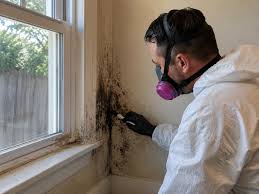
- Dark or discolored spots
- Water stains
- Peeling or bubbling paint
- Damp walls or floors
- Recurring condensation
- Unexplained moisture
- A history of flooding or leaks
If these signs appear after water damage, a professional assessment can help determine whether further investigation is necessary.
How Does Professional Mold Remediation Work?
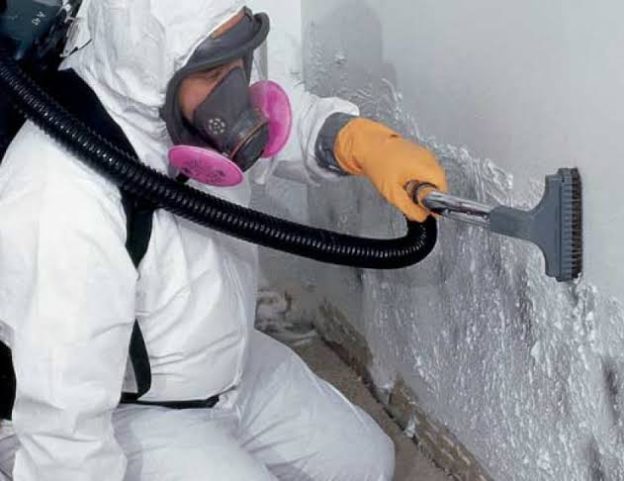
Mold remediation involves more than wiping down affected surfaces. The process should address the source of moisture and the extent of contamination.
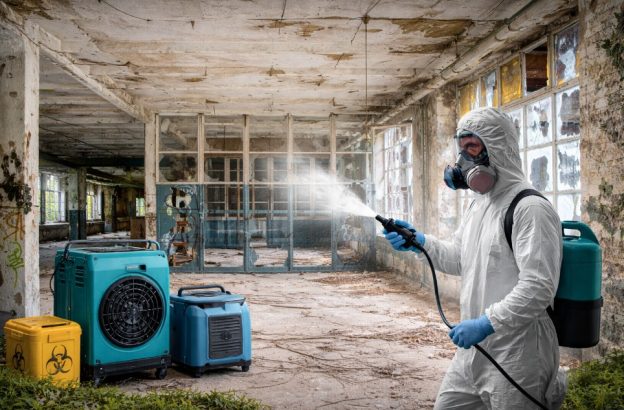
Depending on the property, remediation may include an initial inspection, containment of affected areas, removal of contaminated materials, cleaning, drying, and restoration.
Professional mold remediation in Evans, GA is designed to control the spread of mold during cleanup and address affected materials appropriately.
The exact process depends on the size of the affected area, the materials involved, the source of moisture, and the condition of the property.
Can Water Damage Lead to Mold?
Yes. Water damage is one of the most common conditions associated with indoor mold growth. Materials such as drywall, carpeting, wood, and insulation can retain moisture after a leak or flood.
This is why prompt water damage restoration in Martinez can be an important step following a significant water event. Removing standing water and thoroughly drying affected areas can help reduce the conditions that support mold growth.
Homeowners should not assume that a room is completely dry simply because visible water has disappeared. Moisture can remain inside building materials or hidden spaces.
What Areas of a Property Can Mold Affect?
Mold can develop in many locations where moisture accumulates. Common problem areas include bathrooms, kitchens, basements, attics, crawl spaces, utility rooms, and areas around leaking plumbing.
Mold may also be found behind drywall, beneath flooring, around windows, or inside other concealed areas.
Professional evaluation can help determine whether contamination is limited to a visible surface or extends into surrounding materials.
How Can You Prevent Mold From Returning?
Moisture control is one of the most important parts of mold prevention. Once remediation is complete, property owners should address the conditions that contributed to the original growth.
Helpful measures include:
- Repairing leaks promptly
- Keeping gutters and drainage systems maintained
- Improving bathroom and kitchen ventilation
- Controlling indoor humidity
- Drying wet materials quickly
- Inspecting areas after flooding
- Maintaining plumbing systems
- Checking crawl spaces for moisture
If a property has experienced repeated water problems, identifying the source can be just as important as cleaning the affected area.
When Should You Consider Black Mold Removal?
Dark-colored mold growth should not automatically be identified as a specific type of mold based only on its appearance. Any suspected mold growth should be professionally evaluated when it is extensive, recurring, or associated with significant moisture damage.
Property owners seeking black mold removal in Martinez should focus on professional assessment, safe containment, moisture control, and appropriate removal or remediation rather than attempting to identify mold solely by its color.
Why Choose Blount Disaster?
Blount Disaster provides restoration and remediation services for property owners dealing with mold and water-related damage. Its services are designed around evaluating affected areas, controlling moisture, cleaning or removing damaged materials when appropriate, and restoring the property.
Professional remediation can be particularly valuable when mold is extensive, hidden, recurring, or associated with previous water damage.
Homeowners and businesses can contact Blount Disaster to discuss their property concerns and determine whether an inspection or remediation service is appropriate.
How Can Early Detection Reduce Property Damage?
Waiting to address a moisture or mold problem can allow affected materials to deteriorate further. Moisture may move into surrounding areas, while mold can spread to additional materials under favorable conditions.
Scheduling an inspection when you notice musty odors, visible growth, unexplained stains, or recurring moisture can help identify the issue sooner.
Early action does not guarantee that extensive remediation will be avoided, but it can help property owners understand the problem and determine the appropriate next steps.
Get Professional Mold Inspection and Removal in Martinez
Mold problems should be approached by addressing both the visible growth and the moisture conditions that allowed it to develop. A professional inspection can help property owners understand the affected areas and determine what remediation steps may be necessary.
Blount Disaster provides mold and restoration services for homeowners and businesses in Martinez and surrounding areas. If your property has experienced flooding, leaks, persistent humidity, or suspected mold growth, professional evaluation can help you move toward a cleaner and properly restored space.
Conclusion
Mold can develop quickly when moisture is left untreated, particularly after flooding, plumbing failures, roof leaks, or prolonged humidity. Professional inspection and remediation can help identify affected areas, address moisture sources, and restore damaged portions of a property.
For mold inspection and removal in Martinez, Blount Disaster offers professional restoration solutions designed to address mold and moisture-related property concerns. Acting promptly when you notice signs of mold or water damage can help protect your property and prevent a small problem from becoming more extensive.
Frequently Asked Questions
How quickly can mold develop after water damage?
Mold can begin developing relatively quickly when materials remain wet. The exact timeframe depends on temperature, humidity, the type of material, and the amount of moisture present.
Can mold grow in hidden areas?
Yes. Mold can grow behind drywall, beneath flooring, inside insulation, crawl spaces, attics, and other areas where moisture becomes trapped.
Does removing visible mold solve the problem?
Not necessarily. If moisture remains or mold has spread to hidden materials, simply cleaning the visible surface may not address the entire problem.
Should I have my property inspected after a flood?
A professional inspection can be useful after significant water damage, particularly if materials remained wet, drying was incomplete, or musty odors and discoloration develop afterward.
How can I schedule mold remediation in Martinez?
Contact Blount Disaster to discuss the condition of your property, the suspected source of moisture, and any visible signs of mold. A professional evaluation can help determine the appropriate restoration approach.