
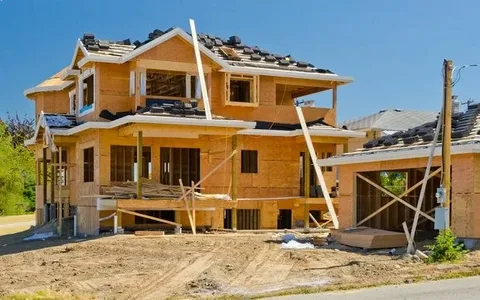
Category Archives: Home Reconstruction

Need Home Reconstruction in Augusta – Who Should You Call?

Need Home Reconstruction in Augusta – Who Should You Call?


Need reconstruction services in Augusta GA? Learn what post-disaster rebuilding involves, realistic costs, timelines, and how to find the right local contractor.

After a disaster — a fire, serious water damage, a sewage event, or severe storm damage — there comes a point where the cleanup and drying are done and the focus shifts to putting the home back together. This is the reconstruction phase, and for most families, it’s the longest part of the recovery process.

It’s also where many homeowners feel the most uncertain. The mitigation crew has packed up. The insurance adjuster has come and gone. And now the question is: who rebuilds the walls, replaces the floors, and gets the kitchen or bathroom back to where it was before the disaster happened?

Reconstruction after a disaster is different from a voluntary renovation, and the differences matter — in how the work is scoped, how it’s priced, how it interacts with the insurance claim, and what the contractor needs to understand about what came before. At Blount’s Disaster Restoration, we handle reconstruction for Augusta area homeowners as part of full disaster recovery, and we want every homeowner to understand the full picture before they sign any contract.
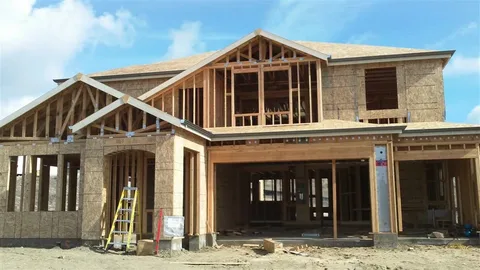
Why Disaster Reconstruction in Augusta GA Requires a Specific Type of Contractor

Not every contractor who builds or remodels understands disaster reconstruction. The work looks similar on the surface — drywall, flooring, paint, trim — but the context creates specific requirements that a standard remodeler isn’t always prepared for.

Insurance claim coordination is one of the most significant differences. Disaster reconstruction costs are typically covered by homeowner’s insurance, and the reconstruction scope must align with the insurer’s approved estimate. A contractor without insurance claim experience may submit pricing that doesn’t match the adjuster’s approved line items, which creates disputes and delays. A contractor with that experience works within the claim structure, documents scope additions correctly when additional damage is discovered, and communicates effectively with adjusters throughout the project.

Moisture and contamination verification is another requirement that standard remodeling doesn’t involve. Reconstruction can only begin after the underlying structure has been confirmed dry to professional standards, decontamination is verified where required, and any mold or sewage-related treatment is complete. A reconstruction contractor who doesn’t verify these conditions before starting work may be enclosing residual moisture or contamination behind new drywall — creating problems that surface months later.

Permit requirements for reconstruction after a covered disaster event are determined by the scope of the rebuild — structural repairs, electrical work, plumbing — and may be more extensive than what a comparable voluntary renovation would require. An experienced reconstruction contractor handles permit applications as a standard part of the project scope.

According to the Insurance Information Institute, fire and lightning claims average over $70,000 and water damage claims average approximately $11,000 in residential insurance — but the actual reconstruction cost depends entirely on how thoroughly the damage was documented and how completely the work scope addresses what was damaged. An experienced reconstruction contractor produces better outcomes because they understand both sides of that equation.

What Reconstruction Services Cover in Augusta GA

Reconstruction encompasses the full range of work needed to return a home to its pre-disaster condition after the mitigation and drying phases are complete.

Structural repairs address any damage to load-bearing walls, floor joists, roof framing, or other structural components caused by fire, water saturation, or storm impact. This work is prioritized because everything else is built on it, and it must be inspected before it’s enclosed.

Drywall installation and finishing replaces walls and ceilings that were removed during mitigation or destroyed by the disaster. New drywall is hung, taped, mudded, and textured to match the existing finish in unaffected areas.

Flooring replacement covers whatever floor covering was damaged — hardwood, tile, carpet, luxury vinyl plank, laminate — along with subfloor replacement where moisture or fire damage reached the structural layer below the finished floor.

Painting and finish work covers walls and ceilings after drywall work, along with reinstalling baseboards, door casings, window trim, and any other finish carpentry that was removed or damaged.

Cabinetry and countertop replacement addresses kitchens and bathrooms where water or fire reached cabinet boxes, doors, or countertop surfaces. This is often one of the more expensive components of a kitchen or bathroom reconstruction.

Mechanical systems work addresses electrical, plumbing, and HVAC components that were damaged — replacing wiring, outlets, fixtures, supply lines, drain connections, or ductwork that was affected by the disaster event.

Common Disasters That Lead to Reconstruction in Augusta GA

Richmond County and the Augusta metro area experience the full range of disaster events that require professional reconstruction.

Disaster Type Primary Reconstruction Work Typical Timeline
House fire Structural framing, drywall, flooring, cabinetry, electrical 6–16 weeks
Major water damage Drywall, flooring, cabinetry, subfloor 3–8 weeks
Sewage backup Flooring, subfloor, drywall, plumbing 2–6 weeks
Storm / roof damage Roof structure, decking, drywall, ceilings 3–10 weeks
Mold remediation follow-up Drywall, insulation, framing in severe cases 2–6 weeks

Homeowners looking for the best restoration company near me in Augusta GA should ask any contractor they’re considering specifically about their experience with disaster reconstruction versus standard renovation work. The experience difference shows up in how they handle the insurance claim, how they verify conditions before starting, and how they document scope changes during the project.

What Reconstruction Services Cost in Augusta GA

Having realistic cost expectations helps you evaluate proposals and understand whether your insurance settlement reflects the actual scope of what needs to happen.

Minor reconstruction following a contained water event — replacing drywall in one or two rooms, flooring in a bathroom or laundry room, and associated trim and painting — typically runs between $3,000 and $8,000.

Reconstruction services in Augusta GA for moderate events — a fire confined to one or two rooms, a burst pipe that affected multiple floors, or storm damage covering a significant portion of the home — generally run between $15,000 and $50,000 depending on the materials involved and the systems requiring replacement.

Major reconstruction following a significant fire, structural damage, or catastrophic water damage involving most of the home can run from $50,000 to well over $150,000 when full structural, mechanical, and finish work is included. At this level, insurance authorization timelines affect the project schedule significantly.

One cost variable that Augusta homeowners should plan for is the difference between insurance coverage and actual replacement costs. Insurance typically covers like-for-like replacement at current market pricing. If material costs have increased significantly since the policy was last reviewed, or if the home was underinsured, there may be a gap between what the insurer pays and what rebuilding actually costs. A reconstruction contractor who provides detailed line-item estimates helps identify these gaps early rather than mid-project.

The Reconstruction Process: What Happens and When

Understanding how reconstruction flows from start to finish helps set realistic expectations and lets you recognize when a project is on track.

Permitting and material procurement happen in parallel before physical work begins. Augusta-area permit applications for structural, electrical, and plumbing work typically take one to three weeks to process. Special-order materials — cabinetry, specific tile, flooring products — can have lead times of two to six weeks. A contractor who submits permits and orders materials immediately after the scope is finalized compresses the overall project timeline significantly.

Structural and rough-in work happens first — any framing repairs, roof structure, electrical rough-in, and plumbing rough-in are completed and inspected before walls are closed. These inspections are not optional; covering unfinished rough-in work is a code violation that creates serious problems.

Drywall installation, taping, and finishing follow once inspections pass. Multiple drying days between coats are built into the schedule — rushing this phase produces nail pops, cracks, and finish problems that appear after painting.

Flooring, cabinetry, countertops, trim work, and painting comprise the final phase. This is the most visible progress for homeowners and the phase where sequencing matters most — flooring before baseboard, countertops before backsplash, painting after trim. A contractor who manages this sequence well keeps the project moving efficiently.

How to Choose a Reconstruction Contractor in Augusta GA

Augusta has a large pool of contractors, but the range in disaster reconstruction experience is significant.

Georgia contractor licensing is required for residential general contracting work above certain thresholds. Verify license status through the Georgia Secretary of State’s contractor licensing portal. Confirm the contractor carries both general liability and workers’ compensation insurance with certificates from the insurer.

Insurance documentation capability is the most important differentiator for disaster reconstruction. Ask directly: How many disaster reconstruction projects have you completed in the past year? Do your estimators use Xactimate or a compatible estimating platform? Do you have experience working with adjusters from the major insurers in Georgia? Contractors who can answer these questions specifically and confidently are operating professionally in this space.

Ask for references from disaster reconstruction projects in Augusta or the surrounding area — not general renovation references. The experience of a homeowner who went through a fire or water damage reconstruction is more relevant to your situation than the experience of someone who had a kitchen remodeled voluntarily.

Written project documentation — detailed scope, project schedule, payment milestones tied to project phases, and change order process — should be standard. A one-page quote with a lump-sum number is not adequate documentation for a disaster reconstruction project.

Closing Thoughts

Reconstruction services in Augusta GA represent the phase of disaster recovery that transforms a damaged house back into a functional, comfortable home. The work requires a contractor who understands both the technical side of construction and the insurance claim process that funds the project — and who has the organizational structure to manage a multi-phase project with multiple trades and a homeowner who has already been through a significant stressful event.

For any homeowner in Augusta facing this process, the investment of time in finding the right reconstruction contractor — verifying credentials, checking disaster-specific references, and reviewing a written scope before signing — is time that pays back throughout the entire project.

Blount’s Disaster Restoration serves Augusta and the surrounding Richmond County area with full-service disaster reconstruction, from permit application through final walkthrough. Call us today for a free assessment and a clear plan for getting your home rebuilt right.

FAQs

How long does reconstruction take after a disaster in Augusta GA? Timeline depends on the scope of damage and the type of reconstruction required. A contained water damage event affecting one or two rooms typically takes three to six weeks from permit approval to completion. A moderate fire reconstruction involving several rooms and systems work generally runs eight to fourteen weeks. Major reconstruction after a significant fire or structural event can take four to eight months. The timeline is affected by permit processing speed, material lead times for special-order items, and the sequential nature of construction work — inspections must pass before certain phases proceed. Your contractor should provide a written project schedule with milestones at the start and communicate promptly when anything changes that schedule. Asking specifically about permit processing times and any long-lead materials before work begins helps set realistic expectations from day one.

How does insurance work during reconstruction in Augusta GA? Your insurer provides a settlement based on the adjuster’s damage assessment. Most settlements include an initial payment when the claim is approved and a recoverable depreciation payment after reconstruction is complete and final costs are confirmed. A reconstruction contractor experienced with Georgia insurance claims works within the adjuster’s approved scope, documents any additional damage found during reconstruction correctly as supplemental claims, and submits pricing in the format insurers recognize. Keep copies of all contractor invoices, change orders, and claim correspondence throughout the project. If your initial settlement appears lower than your actual losses, you have the right to dispute it — a well-documented supplemental claim supported by contractor documentation often results in an adjusted settlement.

Can I choose different materials than what was originally in my home? Yes, with an important financial consideration. Your insurance settlement covers restoring the home to its pre-damage condition using comparable materials. If you want to upgrade — better flooring, higher-grade cabinetry, a premium countertop material — the cost difference above what insurance is paying is yours to cover. Most Augusta homeowners view reconstruction as an opportunity to make improvements they’d been considering anyway, and this is a completely reasonable approach. The key is having your contractor clearly separate the insurance-covered scope from the upgrade portion in the written estimate so you know exactly what each element is costing and what is covered.

What should I do if my contractor finds additional damage during reconstruction? Document it immediately with photographs and written notes before any work proceeds on the newly discovered area. Your contractor should prepare a written supplemental scope describing what was found, why it was not visible in the original assessment, and what work is needed to address it. This supplemental scope goes to your insurance company for review before the additional work begins — not after. A reconstruction contractor who proceeds with undocumented additional work and presents a larger bill at the end creates insurance complications and puts you in a difficult financial position. Ask your contractor at the start of the project how they handle scope changes, and confirm the process is in writing before signing the contract.

Is reconstruction covered if the damage happened gradually rather than suddenly? Standard homeowner’s insurance covers sudden and accidental damage — a burst pipe, a fire, a storm event. It typically does not cover damage that resulted from gradual deterioration, deferred maintenance, or slow leaks that were present for an extended time before the homeowner addressed them. An adjuster reviews the claim and makes a coverage determination based on the nature of the loss. If coverage is denied on the basis that damage was gradual, you have the right to dispute that determination with supporting documentation — including contractor evidence that the damage pattern is consistent with a sudden event rather than long-term neglect. This is another area where a reconstruction contractor with insurance claim experience can help you understand whether the initial determination is accurate and what supporting information to include in a dispute.
How Much Do Reconstruction Services Cost in Evans, GA? 

How Much Do Reconstruction Services Cost in Evans, GA? 


Need reconstruction services in Evans GA? Learn what post-disaster rebuilding involves, realistic costs, timelines, and how to pick the right local contractor.

When a fire, major water damage, or storm event tears through a home, the first few days are all about crisis management — stopping the damage, dealing with insurance, figuring out where the family is going to stay. But the phase that actually determines how well you recover is what comes next: reconstruction.

Evans, GA is one of the most desirable communities in the Augusta metro area. Columbia County consistently ranks among the strongest housing markets in Georgia, and the homes here — from newer subdivisions off Evans to Locks Road to established neighborhoods closer to Washington Road — represent real investment and real roots for the families living in them. When something damages one of those homes, getting it rebuilt properly matters a great deal.

We work with Evans homeowners through the reconstruction process regularly, and the families who come through it with the least stress are the ones who went in with clear expectations about what the process involves. At Blount’s Disaster Restoration, we put together this guide to give you practical, honest information about reconstruction services in Evans GA — what the process looks like, what it costs, and what separates a contractor who does the job right from one who just does it fast.

Why Reconstruction After Disaster Is Different From a Standard Renovation

This is a question we hear often, and it’s worth answering directly. On the surface, reconstruction and renovation look similar — both involve drywall, flooring, painting, and possibly structural work. But the context makes them very different projects.

Post-disaster reconstruction starts where mitigation ends. Before any rebuilding can begin, the affected structure has to be properly dried, cleaned, and cleared of damaged materials. Any moisture left in walls, subfloor, or structural framing before reconstruction starts creates conditions for mold growth inside the new walls — a problem that shows up months later at significant cost and disruption. A contractor who pushes to start rebuilding before drying is confirmed complete is taking a shortcut at your expense.

Insurance documentation is embedded into every decision in disaster reconstruction. Material specifications, labor costs, and scope of work all need to align with the insurance claim and the adjuster’s approved estimate. A contractor without experience in this environment creates delays, underdocumented scope, and sometimes disputes that leave the homeowner responsible for costs the insurer should have covered.

Building code compliance matters in ways it often doesn’t in voluntary renovations. Reconstruction work after a damage event typically requires permits and inspections, and the work has to meet current Columbia County building codes — which may be updated from what was in place when the original home was built. An experienced reconstruction contractor builds this requirement into the project plan from day one rather than discovering it midway through.

What Reconstruction Services in Evans GA Actually Include

Post-disaster reconstruction covers the full scope of work needed to return a home to its pre-damage condition after the mitigation and drying phases are complete. Here’s what that typically involves:

Structural repairs address any damage to load-bearing walls, floor joists, roof framing, or the foundation caused by fire, water saturation, or storm impact. This work must be completed and inspected before anything else is built on top of it.

Drywall installation and finishing replaces walls and ceilings that were removed during mitigation or destroyed by the damage event. New drywall is hung, taped, mudded, and textured to match the existing finish in unaffected areas of the home.

Flooring replacement covers whatever floor covering was affected — hardwood, tile, carpet, luxury vinyl plank, or laminate — along with subfloor replacement where moisture or fire damage reached the structural layer beneath the finished floor.

Painting and finish work covers all wall and ceiling surfaces after drywall work, along with reinstalling baseboards, door casings, window trim, and any other finish carpentry that was removed or damaged.

Cabinetry and countertop replacement addresses kitchens and bathrooms where water or fire damage reached cabinet boxes, doors, or countertop surfaces.

Mechanical systems work — electrical, plumbing, and HVAC — covers any wiring, piping, ductwork, or equipment that was damaged and needs to be replaced or restored to full function.

Common Damage Events That Lead to Full Reconstruction in Evans

Different damage events create different reconstruction scopes. Here’s a practical overview of what each type typically requires:

Damage Event Primary Work Involved Typical Timeline
Kitchen or bedroom fire Structural framing, drywall, flooring, cabinetry, electrical 6–14 weeks
Burst pipe or major appliance leak Drywall, flooring, cabinetry, subfloor 3–8 weeks
Storm damage / partial roof failure Roof framing, decking, drywall, ceiling, flooring 4–10 weeks
Sewage backup Flooring, subfloor, drywall, plumbing 2–6 weeks
Mold remediation follow-up Drywall, insulation, framing in severe cases 2–6 weeks

Homeowners searching for the best reconstruction near me in Evans GA will find that the scope and timeline for any individual project depends heavily on how quickly the initial damage was addressed and how far the secondary effects — water migration, smoke penetration, or mold — traveled through the structure before mitigation began.

Reconstruction services in Evans GA handled by a contractor with genuine insurance claim experience consistently produce more accurate scope documentation, faster insurer approvals, and better final results than those handled by general contractors unfamiliar with the post-disaster process.

What Reconstruction Services Cost in Evans GA

Realistic cost expectations protect you from being surprised and help you evaluate estimates fairly when multiple contractors are bidding on the project.

Minor reconstruction following a contained water event or small fire — replacing drywall and flooring in one or two rooms, with limited cabinetry or mechanical work — typically runs between $5,000 and $12,000. This is the scope for many appliance-related leaks or kitchen fires that were caught quickly.

Moderate reconstruction following an event that affected multiple rooms, a significant portion of the roof, or key systems like electrical or HVAC generally runs between $15,000 and $50,000. This range covers the majority of mid-size residential fire and water damage events in Evans.

Extensive reconstruction after a major fire, a structural failure, or catastrophic water damage affecting most of the home can run from $50,000 to well over $150,000 when full structural, mechanical, and finish work is included.

According to the Insurance Information Institute, fire and lightning damage claims average over $70,000 per event nationally, while water damage claims average around $11,000 — though both figures climb significantly when structural reconstruction is required. For Evans homeowners, having a contractor who understands insurance documentation and can accurately represent the full reconstruction scope to an adjuster directly affects the settlement amount received.

One factor worth planning for is the difference between like-for-like replacement and upgrades. Insurance covers restoring the home to its pre-damage condition using comparable materials. If you want to upgrade during reconstruction — better flooring, higher-end cabinetry, or premium countertops — the difference above the insurance settlement is typically your cost. Many Evans homeowners view reconstruction as an opportunity to make improvements they had been considering, which is a reasonable approach as long as the cost difference is understood upfront.

The Reconstruction Process Step by Step

Understanding how reconstruction actually flows helps you set realistic expectations and recognize when a project is on track or behind schedule.

Permitting and material procurement are the first steps and often the ones that take the most time before visible work begins. Columbia County permit applications for structural, electrical, and plumbing work typically take one to three weeks to process. Special-order materials — certain tile, cabinetry lines, or flooring products — can have lead times of two to six weeks. A contractor who submits permit applications immediately after the mitigation assessment and orders long-lead materials early can significantly compress the overall timeline.

Structural and rough-in work happens after permits are approved. Any framing repairs, roof structure work, electrical rough-in, and plumbing rough-in are completed and inspected before walls are closed up. These inspections are non-negotiable — covering unfinished rough-in work is a code violation that creates significant problems later.

Drywall, taping, and finishing follow once inspections are passed. Multiple drying days between coats are built into the schedule. Rushing this phase results in nail pops, cracks, and finish quality issues that are visible and expensive to fix after painting.

Flooring, cabinetry, countertops, trim work, and painting comprise the finish phase. This is the most visible progress for homeowners, but it’s also the phase with the most sequential dependencies — flooring before baseboard, countertops before backsplash, painting after trim. A contractor who manages this sequencing well keeps the project moving. One who doesn’t creates delays that ripple through the entire finish schedule.

Final walkthrough and punch list work close out the project. A thorough walkthrough identifies any items that need correction before the project is considered complete, and a contractor who addresses punch list items promptly without being chased is operating professionally.

How to Choose a Reconstruction Contractor in Evans GA

Columbia County has a strong contractor market, but the range in quality and insurance experience is wide. Here’s what to focus on.

Insurance claim experience is the most important differentiator for disaster reconstruction. Ask directly: how many post-disaster reconstruction projects have you completed in the past year? Do your estimators use Xactimate? Have you worked with adjusters from the major insurers? A contractor who can answer these questions specifically and confidently is operating in this space professionally.

Georgia contractor licensing and full insurance coverage — general liability and workers’ compensation — are the baseline. Verify both with independent documentation before signing anything.

Local track record in Columbia County matters for a project that will run weeks or months. Ask for references from recent reconstruction projects specifically in Evans or the surrounding area, and follow through on contacting them. A contractor with strong local references has accountability in the community where you live.

Written project documentation throughout the entire engagement — detailed scope, project schedule, payment milestones, change order process, and warranty terms — is non-negotiable for a project of this size. A single-page quote with a lump sum number is not sufficient documentation for disaster reconstruction.

Closing Thoughts

Reconstruction services in Evans GA represent the final and most important phase of disaster recovery — the work that brings your home back to where it was, or better. Done right, with a thorough process, accurate insurance documentation, and quality workmanship, it closes out a difficult chapter and lets your family move forward.

For any homeowner in Evans facing this process, the investment of time in the early stages — verifying contractor credentials, checking references, and understanding the project scope before signing — pays dividends throughout the entire reconstruction. Choosing the right contractor is the single most important decision in the recovery process.

Blount’s Disaster Restoration serves Evans and the surrounding Columbia County area with full-service post-disaster reconstruction, from permit application through final walkthrough. Call us today for a free assessment and a clear plan for getting your home rebuilt right.

FAQs

How long does reconstruction take after a disaster in Evans GA? The timeline varies based on the scope of damage and the type of reconstruction required. A contained water damage event affecting one or two rooms typically takes three to six weeks from permit approval to completion. A moderate fire reconstruction involving several rooms and systems work generally runs eight to fourteen weeks. Major reconstruction after a significant fire or structural event can take four to eight months. The timeline is affected by permit processing speed, material lead times, and the sequential nature of construction work — inspections must pass before certain phases can proceed. Your contractor should provide a written project schedule with milestones at the start of the project and communicate promptly when anything affects that schedule. Ask specifically about the estimated permit timeline and any long-lead materials before work begins.

How does the insurance claim process work during reconstruction in Georgia? Your insurer provides a settlement estimate based on the adjuster’s damage assessment and the scope of work needed to restore the home. That estimate typically covers like-for-like material replacement at current market pricing. Once reconstruction begins, if additional damage is discovered — hidden mold, damaged framing inside walls, deteriorated electrical — those items are documented and submitted as a supplemental claim for the insurer’s review. A contractor with insurance claim experience handles this process smoothly, preparing the documentation in the format adjusters use and following up on approvals before proceeding with additional scope. Keep copies of all contractor invoices, change orders, adjuster correspondence, and claim payments throughout the process — this record protects you if any disputes arise during or after the project.

Can I choose different materials than what was in my home before the damage? Yes, with an important cost consideration. Your insurance settlement covers restoring the home to its pre-damage condition using comparable materials — matching the type and quality of what was there before. If you want to upgrade during reconstruction — choosing a higher-grade hardwood floor, a premium tile, or custom cabinetry — the cost difference above what insurance is paying is yours to cover. This is a completely normal arrangement and many homeowners in Evans take advantage of the reconstruction as an opportunity to make upgrades they had been planning. Just make sure your contractor clearly separates the insurance-covered scope from the upgrade costs in the written estimate so you know exactly what each portion is costing you.

What should I do if the contractor I hired is not performing as expected? Document every concern in writing — emails or texts are fine — and communicate directly with the contractor’s project manager or owner. Specific, written concerns are easier to resolve than verbal complaints and create a record if the situation escalates. If progress has stalled, ask for a written updated schedule and a clear explanation of any delays. If work quality doesn’t meet the contract specifications, point to the specific contract language and request correction before the next payment milestone is reached. Most payment schedules in reconstruction contracts are tied to project milestones — withholding payment for uncompleted or substandard work is a legitimate way to motivate resolution. If a contractor abandons the project or refuses to address legitimate concerns, contact the Georgia State Licensing Board for Residential and General Contractors to understand your options for filing a complaint or claim.

Is reconstruction covered if my home was already in poor condition before the disaster? Insurance covers the damage caused by the covered event — not pre-existing deterioration or deferred maintenance. An adjuster will differentiate between damage directly caused by the covered event and condition issues that were present before the event occurred. For example, if a fire reveals that portions of the roof structure were already rotted before the fire, the insurer typically covers the fire damage but not the pre-existing rot repair. This is one reason a thorough pre-loss home inspection and documentation of your home’s condition is genuinely useful — it establishes a baseline that’s harder to dispute in a claim situation. During reconstruction, if your contractor encounters pre-existing conditions that need to be addressed for the reconstruction to be done properly, those items should be clearly identified and priced separately from the insured scope.