
Tag Archives: Flood Cleanup

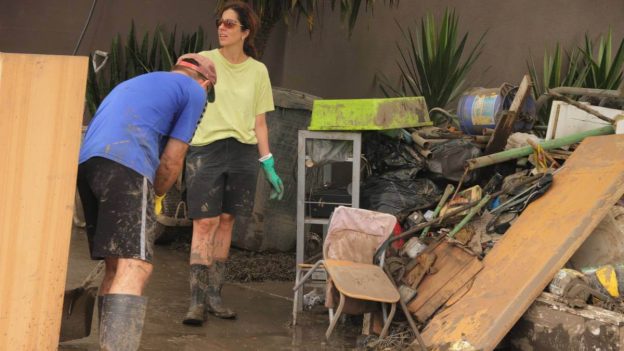
Fast Flood Cleanup Helps to Protect Evans, GA

Flooding can affect a property within minutes, especially when water spreads through flooring, walls, cabinets, furniture, and other building materials. Even after visible water is removed, moisture can remain hidden beneath surfaces and continue causing problems.

Professional emergency flood cleanup services in Evans, GA help homeowners and businesses respond quickly after water damage. The process may involve water extraction, moisture detection, drying, cleaning, damaged-material removal, and restoration depending on the severity of the loss.

Blount’s Disaster Restoration provides disaster restoration services for residential and commercial properties affected by water and other unexpected damage. A structured cleanup approach can help property owners move from the initial emergency toward a cleaner, drier, and more usable space.

What Should You Do First After a Flood?

The first priority is safety.

If flooding is associated with electrical hazards, contaminated water, structural damage, or severe weather, occupants should avoid entering unsafe areas until professionals determine that access is appropriate.

When possible, the source of incoming water should also be controlled.

For example, a leaking appliance or broken plumbing line may need to be shut off before cleanup begins. Stormwater or exterior flooding may require a different response.

Once the immediate source has been addressed, professional flood damage cleanup in Evans, GA can begin with an assessment of how far the water has traveled.

Water Extraction Helps Start the Recovery Process

Removing standing water is one of the first major steps after flooding.

Restoration crews may use professional extraction equipment to remove water from flooring and other affected areas more efficiently than household equipment.

Emergency water removal in Blythe, GA demonstrates the importance of removing excess water before moving to the drying and cleaning stages.

Extraction alone does not complete the restoration process.

Once visible water has been removed, the property still needs to be evaluated for moisture remaining inside building materials.

Why Drywall Often Needs Careful Evaluation

Drywall absorbs water quickly.

When flooding reaches the lower portion of a wall, moisture may travel upward through the material even if staining appears limited to one area.

Some drywall can potentially dry depending on the circumstances, while heavily saturated or contaminated sections may need removal.

Restoration professionals can evaluate moisture levels and determine the appropriate response.

Removing damaged materials when necessary also allows wall cavities to dry properly before reconstruction begins.

Cleaning and Sanitizing Flood-Affected Areas

Flood cleanup involves more than drying.

Water can leave behind dirt, residue, odors, and contaminants depending on its source.

Professional cleaning may involve surfaces, floors, walls, fixtures, furniture, and other affected items.

The appropriate cleaning process depends heavily on the water category.

For example, clean water from a supply line creates different concerns than sewage-contaminated water or exterior floodwater.

Restoration professionals should evaluate the source before determining which materials can be cleaned and which may need disposal.

Flood Cleanup for Homes in Evans

Residential flooding can disrupt bedrooms, kitchens, bathrooms, basements, living rooms, and other areas of the home.

Professional residential flood cleanup in Evans, GA can help homeowners organize the recovery process from water extraction through drying and repairs.

Depending on the damage, services may include:

  • Water removal
  • Moisture inspection
  • Structural drying
  • Cleaning
  • Odor management
  • Removal of damaged materials
  • Repairs
  • Reconstruction

A coordinated approach can make it easier to address multiple damaged areas without treating each issue separately.

Commercial Flood Restoration

Flooding can be especially disruptive for businesses because water damage can affect operations, equipment, inventory, offices, customer areas, and employee workspaces.

Professional commercial flood cleanup in Evans, GA should consider both the physical damage and the need to restore usable portions of the property as efficiently as possible.

Large commercial spaces may require multiple extraction units, drying equipment, and a more detailed restoration plan.

Blount’s Disaster Restoration works with both residential and commercial properties, allowing cleanup strategies to be adjusted according to the building and scope of damage.

Storm Damage Can Affect Multiple Areas at Once

Heavy rain and severe weather can allow water to enter through roofs, exterior openings, damaged building materials, or overwhelmed drainage systems.

Unlike a small plumbing leak, storm-related flooding may affect several rooms or levels at the same time.

Restoration professionals should therefore inspect beyond the most visibly damaged location.

Water may travel along walls, beneath flooring, or into adjoining rooms before it becomes obvious.

A complete assessment can help identify affected areas early in the restoration process.

When Should Damaged Materials Be Removed?

Not every wet material automatically requires replacement.

Some items may be dried and restored depending on how long they were exposed to water, the material involved, and the water source.

Other materials may be too damaged to save.

Common factors that influence removal decisions include:

  • Swelling
  • Warping
  • Separation
  • Heavy saturation
  • Contamination
  • Loss of structural integrity
  • Persistent odors
  • Inability to dry properly

Professional evaluation helps property owners avoid both unnecessary demolition and attempts to save materials that are no longer suitable.

Why Fast Response Matters

The longer moisture remains inside a building, the more opportunities it has to spread into additional materials.

Prompt action can help limit the extent of the damage and make the drying process easier to manage.

This does not mean property owners should enter unsafe areas or attempt hazardous cleanup themselves.

Instead, the goal is to contact qualified restoration professionals quickly once the property can be accessed safely.

Emergency flood cleanup services in Evans, GA can provide an organized response when water damage requires more than basic household cleanup.

Start Restoring Your Evans Property

Flooding can feel overwhelming, but a step-by-step restoration process can help bring order to the situation.

Professional emergency flood cleanup services in Evans, GA can address standing water, hidden moisture, wet building materials, cleaning needs, and necessary repairs.

Blount’s Disaster Restoration provides disaster recovery services for residential and commercial properties affected by flooding and other water-related emergencies.

Whether the problem begins with a plumbing failure, appliance leak, storm, drainage issue, or another source, quick professional evaluation can help determine the safest and most practical path toward recovery.

Frequently Asked Questions

How quickly should flood cleanup begin?

Cleanup should begin as soon as conditions are safe. Prompt water removal and drying can help reduce the amount of time building materials remain wet.

Can water remain hidden after the floor looks dry?

Yes. Moisture can remain beneath flooring, behind walls, inside cabinets, and within other porous materials even after visible water has disappeared.

Does professional flood cleanup include drying?

Yes. Water extraction is typically followed by structural drying and moisture monitoring when building materials have absorbed water.

Does all wet drywall need to be removed?

Not necessarily. The decision depends on the amount of saturation, water source, material condition, and whether the wall can be dried effectively.

Can businesses use professional flood restoration services?

Yes. Commercial flood restoration can address offices, retail properties, warehouses, and other business spaces depending on the restoration company’s capabilities.
 

Water Damage Restoration

24/7 Water Damage Restoration in Jackson, SC

Water damage can happen unexpectedly at any time. A burst pipe, leaking appliance, overflowing toilet, roof leak, or severe storm can quickly leave your home or business with standing water and moisture problems. When an emergency occurs, fast action can help limit property damage and make the restoration process easier.

Blount Disaster provides dependable 24/7 water damage restoration in Jackson, SC, helping property owners respond quickly when water emergencies occur. From emergency water removal to structural drying and cleanup, professional restoration can help return your property to a safe and comfortable condition.

What Causes Water Damage in Jackson, SC?

Water damage can result from many different situations. Plumbing failures, damaged water heaters, appliance leaks, clogged drains, roof problems, and storms are common causes. Even a small leak can become a larger problem when water travels beneath flooring, behind walls, or into insulation.

For Jackson homeowners and businesses, recognizing water damage early is important. Wet drywall, warped flooring, musty odors, discoloration, and unexplained moisture can all indicate a problem that requires attention.

Why Fast Water Removal Matters

The longer water remains inside a property, the greater the opportunity for moisture to spread. Standing water can affect flooring, walls, cabinets, furniture, and other building materials. Persistent moisture can also contribute to mold growth and unpleasant odors.

Professional water extraction services in Jackson, SC can help remove standing water quickly. Restoration technicians use specialized extraction equipment to collect water and prepare affected areas for the drying process.

After extraction, affected areas should be thoroughly dried. Air movers and dehumidification equipment can help reduce remaining moisture and support a more complete restoration.

Our Water Damage Restoration Process

A professional restoration process typically begins with an inspection of the affected property. Technicians identify visible and hidden moisture and determine which areas require immediate attention.

The next step is emergency water removal. Standing water is extracted from floors and other affected areas. Once the bulk of the water has been removed, professional drying equipment is used to reduce moisture in building materials.

Depending on the situation, restoration may also include cleaning, sanitizing, odor control, damaged-material removal, and repairs.

For properties affected by contaminated water, additional safety precautions may be necessary. Sewage backups and other potentially hazardous water sources should be handled by trained professionals rather than treated as a standard cleanup project.

Emergency Water Damage Cleanup in Jackson, SC

Water emergencies do not follow a convenient schedule. A pipe can burst overnight, an appliance can leak while you are away, or a storm can cause water intrusion during the weekend.

That is why having access to emergency water damage cleanup in Jackson, SC can make a difference. A prompt response helps property owners begin addressing the source of the problem instead of allowing moisture to remain for an extended period.

Blount Disaster focuses on practical restoration solutions designed to help homeowners and businesses move from emergency cleanup toward full property recovery.

Flood Damage Restoration in Jackson, SC

Flooding can affect more than just the visible surface of a floor. Water can move into drywall, insulation, crawl spaces, subfloors, and other hidden areas. Professional flood damage restoration in Jackson, SC can help identify affected materials and establish an appropriate cleanup and drying plan.

Flood-related water may also contain contaminants, particularly when it comes into contact with sewage or outdoor materials. Proper assessment and safe cleanup are important before affected areas are considered restored.

Protect Your Property From Secondary Damage

Quick restoration is about more than removing visible water. Hidden moisture can continue affecting a property after standing water has disappeared.

Professional structural drying services in Jackson, SC help target moisture in floors, walls, ceilings, and other building components. Proper drying can reduce the likelihood of ongoing moisture-related problems and help determine whether materials can be restored or need replacement.

Property owners should also document damage with photographs, keep records of restoration work, and contact their insurance provider when appropriate.

Why Choose Blount Disaster?

Choosing a restoration company after water damage can feel overwhelming. Look for a provider that emphasizes rapid response, careful assessment, professional equipment, clear communication, and a complete restoration approach.

Blount Disaster is committed to helping Jackson-area property owners respond to water emergencies with dependable restoration services. Whether the problem involves a plumbing leak, flooding, appliance failure, or storm-related water intrusion, professional assistance can help make the recovery process more manageable.

Conclusion

Water damage can escalate quickly, but immediate professional attention can help reduce the impact on your property. From emergency water extraction and flood cleanup to structural drying and restoration, each stage is important for getting a damaged property back into usable condition.

If you need 24/7 water damage restoration in Beech Island, SC, Blount Disaster can help you take the next step toward recovering your home or business. Acting quickly after a water emergency can help protect your property and support a smoother restoration process.

FAQs

How quickly should water damage be cleaned up?

Water damage should be addressed as soon as possible. Prompt extraction and drying can help limit the spread of moisture and reduce the potential for additional property damage.

Can water damage cause mold?

Yes. Excess moisture can create conditions that support mold growth. Quickly removing water and thoroughly drying affected materials can help reduce moisture-related risks.

What does water damage restoration include?

Depending on the situation, restoration can include inspection, water extraction, structural drying, dehumidification, cleaning, sanitization, odor control, damaged-material removal, and repairs.

Can all water-damaged materials be saved?

Not always. Some materials can potentially be cleaned and dried, while severely damaged or contaminated materials may require removal and replacement. The decision depends on the type and extent of damage.

Does Blount Disaster provide emergency restoration?

Blount Disaster promotes emergency restoration services designed to help property owners respond to unexpected water damage and begin the recovery process quickly.


Flood Cleanup

Professional Emergency Flood Cleanup Services in Evans, GA

Flooding can create serious problems for a home or business in a short amount of time. Whether water enters because of heavy storms, plumbing failures, appliance leaks, or drainage issues, quick cleanup is important to prevent damage from spreading. Property owners searching for emergency flood cleanup services in Evans, GA need a restoration team that can respond quickly, assess the affected areas, and begin the recovery process.

Blount’s Disaster Restoration provides professional disaster restoration services for residential and commercial properties. With the right cleanup approach, affected spaces can be dried, cleaned, and repaired while reducing the potential for additional property damage.

Why Emergency Flood Cleanup Matters

Floodwater can move into flooring, drywall, cabinets, insulation, furniture, and other building materials. Even when standing water has been removed, moisture may remain underneath surfaces or inside wall cavities.

Professional flood damage cleanup in Evans, GA focuses on identifying the affected areas and addressing moisture rather than simply drying visible surfaces.

Acting quickly can also make it easier to determine which materials may be restored and which ones have sustained damage that requires removal or replacement.

Common Causes of Residential Flooding

Flooding can happen for many different reasons. Some incidents develop suddenly, while others begin with a small problem that becomes more serious over time.

Common causes include:

  • Burst or leaking pipes
  • Water heater failures
  • Washing machine leaks
  • Dishwasher or appliance problems
  • Heavy rainfall
  • Storm damage
  • Drainage issues
  • Sewer or plumbing backups
  • Roof leaks

Identifying the source of the water is an important first step. The water source should be controlled whenever it can be done safely before restoration work begins.

Professional Water Removal

Standing water should be removed as quickly as practical after a flood. Professional restoration teams use specialized extraction equipment to remove larger amounts of water from affected areas.

Emergency water removal in Blythe, GA can help prepare the property for the next stages of restoration. Technicians can evaluate affected flooring, walls, furnishings, and structural materials to determine where water has traveled.

Water removal should be followed by appropriate drying and moisture evaluation. Simply extracting visible water may not address moisture trapped beneath flooring or behind walls.

Structural Drying and Moisture Control

After water extraction, affected materials need to be thoroughly dried. Wood, drywall, carpeting, insulation, and other materials can retain moisture long after standing water disappears.

Professional structural drying services may involve air movement, dehumidification, moisture measurements, and continued monitoring.

The drying strategy depends on the extent of the flood, building materials, indoor conditions, and areas affected. Proper drying helps prepare the property for cleaning, repairs, and reconstruction.

Cleaning After a Flood

Flooding can leave behind dirt, debris, stains, and unpleasant odors. Professional cleanup helps restore affected areas after excess water has been removed.

Depending on the circumstances, cleanup may involve affected floors, walls, furniture, fixtures, and other contents.

The appropriate cleaning process depends on the type of water involved and the materials that have been affected. Restoration professionals can evaluate the situation and determine which items can be cleaned and which may need to be discarded.

Flood Damage to Flooring and Drywall

Flooring and drywall are particularly vulnerable to water exposure. Carpet may absorb significant amounts of water, while wood flooring and subfloors can swell or become damaged.

Drywall can also absorb moisture and may require removal if it has sustained significant damage.

Flood damage restoration in Evans may include removing unsalvageable materials and preparing the affected areas for reconstruction.

Replacement decisions should be based on the condition of the material rather than appearance alone. Materials that look acceptable on the surface may still contain excessive moisture.

Commercial Flood Cleanup Services

Flooding can be especially disruptive for businesses. Water can affect offices, retail areas, warehouses, equipment, inventory, and customer spaces.

Commercial restoration requires an organized approach that considers the size of the building and the need to restore usable areas.

Professional commercial flood cleanup services can help business owners address water removal, drying, cleaning, and necessary repairs.

Restoration professionals can evaluate the property and develop a plan based on the extent and location of the damage.

Storm-Related Flood Damage

Severe weather can cause flooding when heavy rain overwhelms drainage systems or allows water to enter through damaged roofs, doors, windows, or other openings.

Storm-related flooding may affect several areas of a property at once. Water can also spread from one room into adjoining spaces.

Quick assessment helps determine where moisture has traveled and which parts of the building require immediate attention.

For homeowners dealing with storm-related water intrusion, professional restoration can provide a structured path from emergency cleanup through necessary repairs.

Conclusion

Flooding can damage a property quickly, but prompt professional action can help limit the effects and begin the recovery process. Emergency flood cleanup services in Evans, GA can address standing water, hidden moisture, damaged materials, cleaning needs, and necessary restoration work.

Blount’s Disaster Restoration provides professional disaster restoration solutions for residential and commercial properties. If your property has experienced flooding from a storm, plumbing failure, appliance leak, or another water-related emergency, professional evaluation and timely cleanup can help move your property toward recovery.

Frequently Asked Questions

How soon should flood cleanup begin?

Flood cleanup should begin as soon as it is safe to do so. Prompt water removal and drying can help limit the amount of time building materials remain exposed to moisture.

Can floodwater damage areas that are not visibly wet?

Yes. Water can travel underneath flooring, inside walls, and into other concealed areas. Professional moisture evaluation can help identify affected materials.

What happens during professional flood cleanup?

The process may include inspection, water extraction, moisture assessment, structural drying, cleaning, removal of damaged materials, and reconstruction when necessary.

Can damaged drywall and flooring be restored?

Some materials may be restorable depending on their condition and the type of water involved. Severely damaged materials may need to be removed and replaced.

Does flood cleanup include commercial properties?

Yes. Professional restoration companies can provide flood cleanup for businesses, offices, retail spaces, warehouses, and other commercial properties depending on the scope of services offered.