
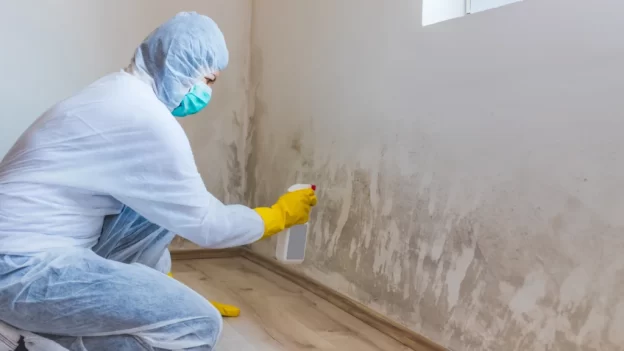
Mold is a silent but serious threat that can develop quickly in homes and commercial buildings. It thrives in damp environments, often following water damage, high humidity, or poor ventilation. While mold may appear as a small discoloration at first, it can rapidly spread behind walls, under flooring, and inside HVAC systems if left untreated.
Beyond property damage, mold poses serious health risks. Mold spores can trigger allergic reactions, asthma symptoms, respiratory problems, headaches, skin irritation, and long-term health concerns — especially for children, elderly individuals, and people with compromised immune systems. Even minimal exposure can impact indoor air quality and overall well-being.
Many property owners attempt DIY mold removal using household cleaners, but these methods rarely solve the underlying issue. Surface cleaning may hide visible mold temporarily, but it does not remove airborne spores or moisture sources. Without addressing the root cause, mold almost always returns — often spreading further than before.
Professional mold remediation involves a comprehensive process. Certified specialists inspect the property, identify moisture sources, contain contaminated areas to prevent cross-spread, remove affected materials, apply antimicrobial treatments, and restore impacted surfaces. Advanced air filtration systems are used to eliminate airborne spores and improve indoor air quality.
Equally important is moisture control. Restoration professionals help fix leaks, improve ventilation, and reduce humidity to prevent mold from returning. This long-term approach ensures a healthier living or working environment.
Early mold detection and professional mitigation protect both your property investment and your family’s health. If you notice musty odors, visible mold, water damage, or unexplained respiratory issues, seeking professional mold remediation as soon as possible is the safest course of action.


