Category Archives: Mold Remediation

Mold Remediation

How Mold Remediation Helps Protect Properties in Wrens, GA

Moisture problems can quickly create the conditions mold needs to grow. Roof leaks, plumbing failures, flooding, poor ventilation, and high humidity can all leave building materials damp for extended periods. When mold develops, it may affect drywall, insulation, flooring, ceilings, framing, and other parts of the property.

Professional Mold Remediation and Mitigation focuses on identifying affected areas, addressing moisture sources, removing contaminated materials when necessary, and preparing the property for restoration. Blount’s Disaster Restoration provides mold cleanup and property restoration services for residential and commercial buildings dealing with water-related damage and indoor mold concerns.

Why Mold Problems Should Be Addressed Early

Mold does not always remain limited to the area where it first becomes visible. Moisture can move behind walls, underneath flooring, into insulation, and through crawl spaces before homeowners notice a problem.

Visible staining may therefore represent only one part of a larger moisture issue.

Professional Mold Remediation in Wrens, GA should begin by determining why moisture is present. Cleaning the visible surface without correcting the source may allow the same conditions to return.

Common moisture sources can include:

  • Plumbing leaks
  • Roof damage
  • Storm-related water intrusion
  • Flooding
  • HVAC condensation
  • Poor ventilation
  • Persistent indoor humidity

Addressing the water source first provides a better foundation for mold cleanup and restoration.

Inspecting the Property for Moisture and Mold

A mold remediation project normally starts with an assessment of the affected property.

Technicians may inspect walls, ceilings, flooring, attics, crawl spaces, basements, cabinets, and other areas where moisture can collect. The objective is to understand how far the problem extends and whether building materials remain damp.

Moisture-detection tools may be used to help locate areas that are not visibly wet.

A detailed inspection can also help determine whether the project involves surface cleaning, removal of damaged materials, drying, or broader restoration work.

Creating Containment Around Affected Areas

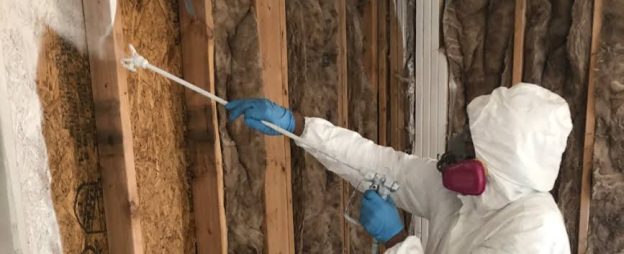
When mold is concentrated in a particular section of the property, containment may be used to separate that space from unaffected rooms.

This can help limit unnecessary movement of dust and disturbed material during cleanup.

Containment requirements depend on the size and location of the affected area. Smaller residential projects may require a different approach than larger commercial spaces or properties with contamination across several rooms.

The remediation plan should be based on actual site conditions rather than using the same process for every property.

Removing Materials That Cannot Be Restored

Some porous building materials may become too damaged to clean effectively after prolonged moisture or mold exposure.

Depending on the condition of the property, this can include drywall, insulation, carpeting, ceiling materials, or other absorbent products.

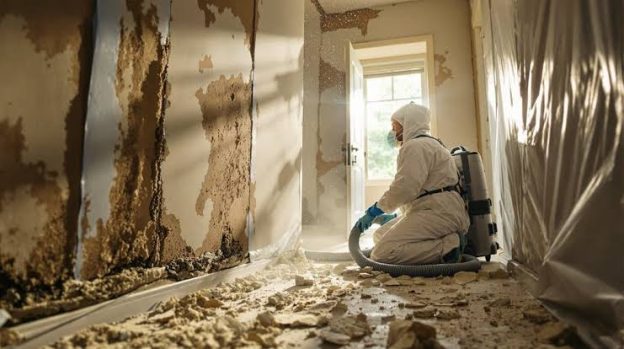
Professional Black Mold Removal and general mold remediation may involve removing affected materials while protecting surrounding areas.

The decision to remove a material should depend on contamination, moisture exposure, material condition, and whether the surface can be cleaned appropriately.

After removal, the underlying area can be inspected and prepared for drying and reconstruction.

Cleaning Remaining Surfaces

Not every material in a mold-affected area needs to be removed.

Some surfaces may be suitable for professional cleaning after the contaminated or damaged materials have been taken out.

Cleaning can involve HEPA vacuuming, surface treatment, and other methods selected according to the affected material.

The goal is to address remaining residue while preparing the space for drying and later restoration.

Air-filtration equipment may also be used during the project depending on conditions inside the property.

Drying the Building Before Reconstruction

Mold remediation is closely connected to moisture control.

Even after contaminated materials are removed, damp framing, flooring systems, walls, or other components may still need time to dry.

Air movers, dehumidification equipment, and moisture monitoring may be used to support the drying process.

Installing new drywall, flooring, insulation, or finishes before the building is sufficiently dry can hide an unresolved moisture problem.

Drying should therefore be completed before reconstruction begins.

Mold Problems in Residential Properties

Homes can develop mold in many locations, especially where water or humidity is common.

Bathrooms, kitchens, attics, crawl spaces, basements, laundry areas, and rooms near plumbing lines may all experience moisture concerns.

Residential Mold Remediation in Wrens, GA can be adapted around the location and extent of the problem.

A small leak affecting one wall may require a relatively focused cleanup, while flooding or long-term water intrusion can affect several rooms.

Homeowners should also consider whether damaged finishes, cabinetry, flooring, or insulation will need restoration after remediation is complete.

Mold Cleanup for Commercial Buildings

Commercial properties can present different challenges because the spaces may be larger and more complex.

Commercial Mold Remediation in Thomson, GA may involve offices, retail spaces, warehouses, multifamily buildings, healthcare properties, or other commercial environments.

The remediation process may need to consider building access, operating hours, HVAC systems, employee areas, and customer spaces.

Clear scheduling and containment can be especially important when sections of the property remain occupied during cleanup.

The Difference Between Mold Mitigation and Restoration

Mold mitigation focuses on controlling the immediate problem and reducing additional spread.

Restoration deals with repairing or replacing building materials after the mold and moisture issues have been addressed.

For example, drywall may need removal during mitigation, followed later by new drywall installation, finishing, and painting.

Flooring, trim, cabinets, insulation, and other materials may also require reconstruction depending on the level of damage.

Working with a company that handles both cleanup and restoration can help create continuity between the two stages.

Factors That Can Affect Mold Remediation Cost

Mold remediation costs vary because no two properties have exactly the same conditions.

Project scope can depend on:

  • Size of the affected area
  • Number of rooms involved
  • Moisture source
  • Accessibility
  • Amount of material removal required
  • Drying needs
  • Containment requirements
  • Structural damage
  • Restoration work after cleanup

A small localized mold issue generally requires a different level of work than widespread moisture damage affecting walls, floors, and framing.

An on-site evaluation can provide a clearer understanding of what the property actually needs.

Preventing Mold From Returning

The most important part of long-term mold control is addressing the moisture source.

If a roof continues leaking, plumbing remains damaged, or indoor humidity stays excessively high, mold may return even after cleanup.

Property owners should watch for water stains, musty odors, condensation, damp building materials, and recurring leaks.

Ventilation and moisture management may also be important in areas such as bathrooms, kitchens, crawl spaces, and attics.

Professional Mold Mitigation Services should focus not only on removing affected materials but also on identifying conditions that contributed to the problem.

Choosing a Mold Remediation Company

Property owners should look for a contractor that can clearly explain the inspection, containment, removal, drying, and restoration process.

Ask which materials can be cleaned, which may need replacement, how moisture will be monitored, and how the underlying water source will be addressed.

Good communication is especially important when several rooms or building components are affected.

Blount’s Disaster Restoration provides mold remediation and property restoration services for homes and businesses in and around Wrens, GA.

Conclusion

Mold problems often begin with moisture, which is why successful remediation involves more than cleaning visible growth. The affected area should be inspected, the moisture source identified, damaged materials addressed, and the building dried before reconstruction begins.

Professional Mold Remediation and Mitigation can help property owners manage mold while protecting surrounding building materials from continued moisture damage.

For homeowners and businesses in Wrens, GA, Blount’s Disaster Restoration can assist with mold cleanup, drying, restoration, and related property recovery services.

Frequently Asked Questions

What is included in mold remediation?

Mold remediation may include inspection, containment, removal of damaged materials, surface cleaning, air filtration, drying, and preparation for restoration.

Does visible mold always mean there is hidden mold?

Not always, but visible mold can sometimes be connected to moisture behind walls, under flooring, or in other concealed areas. An inspection can help determine the extent of the problem.

Can mold return after cleanup?

Yes. Mold can return when the original moisture source remains. Correcting leaks, humidity, or water intrusion is an important part of prevention.

Is mold testing required for every property?

No. Testing may be helpful in some situations, but not every remediation project requires laboratory testing. The need depends on the property and project conditions.

Can damaged drywall and flooring be restored after mold remediation?

Yes. Materials that cannot be cleaned or restored may be replaced after the affected area has been properly remediated and dried.
 

mold remediation

Residential Mold Remediation in Hephzibah, GA

Mold growth inside your home should never be ignored. A musty odor, visible discoloration, damp walls, or recurring moisture can indicate a mold problem that requires professional attention. If you’re searching for residential mold remediation, getting the problem assessed early can help prevent further property damage.

Mold commonly develops when moisture remains present after leaks, flooding, plumbing problems, roof damage, or excessive humidity. Simply cleaning visible mold may not address the underlying moisture source, allowing the problem to return.

Blount Disaster provides restoration services in Hephzibah and the greater CSRA, including mold remediation, mold damage repair, water restoration, and structural drying. The company states that its technicians are IICRC certified and trained in restoration techniques.

Signs Your Home May Need Mold Remediation

Mold is not always immediately visible. It can develop behind walls, beneath flooring, in crawl spaces, around plumbing, or in other areas where moisture accumulates.

Common warning signs include:

  • Musty or earthy odors
  • Visible mold growth
  • Water stains on ceilings or walls
  • Persistent dampness
  • Previous flooding or water damage
  • Condensation around windows or pipes
  • Discolored drywall or flooring
  • Recurring moisture problems

A musty smell can sometimes indicate hidden moisture or mold growth even when no visible mold is present. Professional assessment can help determine whether additional investigation or remediation is appropriate.

For homeowners looking for mold removal services in Hephzibah, GA, identifying the source of moisture is an important part of addressing the problem.

Professional Mold Remediation for Homes

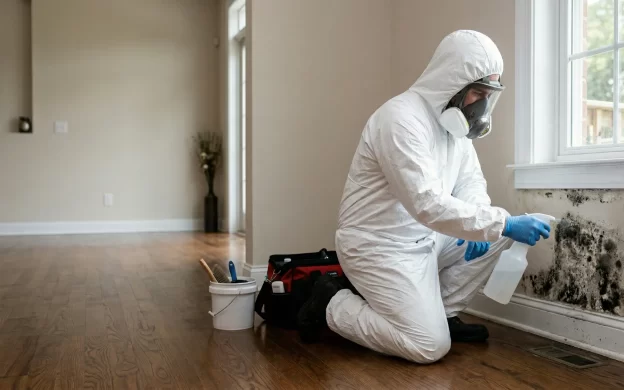
Mold remediation involves more than wiping down affected surfaces. A professional restoration team can assess the affected area, identify moisture sources, contain the affected space when appropriate, remove damaged materials, and clean the area using suitable restoration methods.

Blount’s mold remediation information describes the process as identifying and addressing mold issues, isolating affected areas, removing impacted materials, and eliminating moisture sources to help prevent continued spread.

The exact process depends on the size and location of the affected area, the type of materials involved, and the source of moisture.

Water Damage and Mold Growth

Water damage and mold problems often go hand in hand. A leaking pipe, roof leak, flooding event, or appliance failure can introduce moisture into building materials. If those materials remain damp, mold may develop.

That’s why addressing water damage quickly can be an important step in reducing the possibility of future mold growth.

Blount Disaster offers water damage restoration and structural drying in addition to mold remediation. Its Hephzibah service information emphasizes moisture control and drying after water-related damage.

If your home has recently experienced water damage, professional evaluation can help determine whether hidden moisture remains.

Crawl Space and Basement Mold

Basements and crawl spaces can be particularly vulnerable to moisture. Poor ventilation, plumbing leaks, groundwater, condensation, and humidity can contribute to conditions favorable for mold growth.

If you notice a persistent odor coming from a basement or crawl space, it may be worth having the area evaluated. Addressing moisture problems can be just as important as removing visible mold.

For homeowners comparing basement mold remediation in Evans, GA, the contractor should consider both the visible contamination and the conditions that allowed the mold to develop.

Why Professional Mold Remediation Matters

Attempting to handle extensive mold contamination without appropriate knowledge or equipment can potentially spread contamination to other areas of the home. Professional remediation allows the affected area to be approached systematically.

A restoration professional can also determine whether porous building materials need to be removed and whether additional drying or reconstruction is required.

Blount’s Complete Home Services describes itself as an insurance restoration company serving the Augusta/CSRA area and states that its restoration technicians are IICRC certified.

When comparing professional mold remediation in Hephzibah, GA, homeowners should ask about the remediation process, moisture control, affected-material removal, cleanup, documentation, and any reconstruction that may be required.

Mold Remediation After a Home Emergency

Mold may appear following significant water-related events, including storms, flooding, plumbing failures, or other property emergencies. In these situations, acting quickly can help limit the amount of secondary damage.

Blount Disaster provides emergency restoration services and lists water, fire, and mold restoration among its capabilities. The company also states that it is available 24 hours a day for emergency restoration needs.

If your home has experienced major water damage and you notice signs of mold, contact a restoration professional for an assessment.

Choose Mold Remediation Services in Hephzibah

Choosing the right restoration company is an important part of addressing a mold problem. Look for a provider with appropriate restoration experience, trained technicians, clear communication, and the ability to address related water damage when necessary.

Blount Disaster is located in Hephzibah at 2907 C Old Tobacco Rd and lists 706-793-9080 as its restoration/construction contact number.

Before work begins, ask for an explanation of the affected areas, recommended remediation steps, moisture-control plan, expected timeline, and project costs.

Schedule Residential Mold Remediation Today

Mold and moisture problems can become more difficult to manage when left unresolved. If you have noticed visible mold, persistent odors, or signs of water damage, professional remediation can help determine the appropriate next steps.

Contact Blount Disaster to discuss your home’s mold concerns and schedule residential mold remediation services in Hephzibah, GA.

Conclusion

Mold can affect homes after leaks, flooding, excess humidity, and other moisture problems. Professional remediation focuses not only on removing affected materials but also on identifying and addressing the moisture conditions that contributed to the growth. With trained restoration professionals and appropriate remediation methods, homeowners can work toward restoring affected areas and preventing continued damage. If you need residential mold remediation in Hephzibah, GA, contact Blount Disaster to discuss your property and request professional restoration assistance.

Frequently Asked Questions

What causes mold to grow inside a home?

Mold can develop when moisture remains present because of plumbing leaks, flooding, roof damage, condensation, poor ventilation, or elevated humidity. Controlling the moisture source is an important part of remediation.

How do I know if I have hidden mold?

Musty odors, unexplained moisture, water stains, recurring discoloration, or previous water damage may indicate hidden mold. A professional assessment can help determine whether further investigation is needed.

Does mold remediation include removing damaged materials?

It can. Depending on the extent of contamination and the type of material affected, some porous building materials may need to be removed and replaced as part of the restoration process.

Can mold return after remediation?

Mold can return if the underlying moisture problem is not corrected. Effective remediation should address moisture sources and conditions that contributed to the original growth.

How quickly should I address mold after water damage?

It is best to address moisture and water damage as soon as possible. Prompt drying and professional evaluation can help reduce the opportunity for mold growth and secondary property damage.


Black Mold Remediation

Professional Black Mold Remediation in Grovetown, GA

Black mold growth can become a serious concern when moisture problems are left untreated. Leaks, flooding, high humidity, and poor ventilation can create conditions where mold develops and spreads throughout a property. Professional black mold remediation helps identify the source of moisture, remove affected materials, and restore a safer environment.

Blount Disaster provides professional restoration services for homeowners and businesses dealing with mold-related problems. Their team specializes in mold remediation, water damage restoration, fire damage restoration, and property recovery services.

When mold is discovered, quick action is important. Delaying cleanup can allow mold growth to spread behind walls, under flooring, and into other hidden areas of the property.

Understanding Black Mold Problems

Black mold is a type of fungal growth that can develop in areas with ongoing moisture. It commonly appears after water damage, plumbing leaks, roof issues, flooding, or excessive indoor humidity.

Mold may be found in:

  • Basements
  • Bathrooms
  • Kitchens
  • Crawl spaces
  • Behind drywall
  • Around plumbing areas
  • Near windows and doors

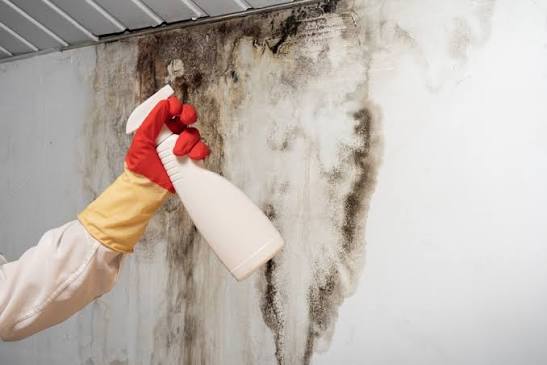
Visible mold is not always the full extent of the problem. Moisture can allow mold to grow in hidden spaces where it may continue spreading without immediate detection.

A professional inspection helps determine the size of the affected area and the appropriate remediation approach.

Why Professional Black Mold Remediation Matters

Removing mold requires more than cleaning visible growth. Improper handling can disturb mold particles and allow them to spread to other areas of the building.

Professional mold remediation services in Grovetown, focus on safely containing, removing, and treating affected areas.

Benefits of professional mold remediation include:

  • Identifying the source of moisture
  • Containing affected areas
  • Removing contaminated materials
  • Reducing future mold growth risks
  • Improving indoor conditions
  • Protecting the property structure

Experienced restoration professionals use proper procedures and equipment to address mold problems more effectively than standard household cleaning methods.

Common Causes of Black Mold Growth

Mold growth usually begins when moisture remains inside a property for an extended period. Understanding the cause helps prevent the problem from returning.

Common causes include:

Water Leaks

Leaking pipes, damaged roofs, and plumbing failures can create hidden moisture that encourages mold growth.

Flood Damage

Standing water from storms or flooding can quickly increase the risk of mold development if the area is not dried properly.

High Humidity

Poor ventilation and excessive humidity can create conditions where mold grows on walls, ceilings, and other surfaces.

Previous Water Damage

Areas that were previously affected by water but not completely dried may develop mold later.

Identifying and correcting the moisture source is a key part of successful remediation.

The Black Mold Remediation Process

A professional mold remediation project follows a detailed process designed to safely address contamination.

Inspection and Assessment

The process begins with a complete evaluation of the property. Technicians identify visible mold, moisture sources, and areas that may require further investigation.

Containment

Affected areas may be isolated to help prevent mold particles from spreading throughout the property during cleanup.

Mold Removal

Specialized equipment and cleaning methods are used to remove mold growth from affected areas. Damaged materials may need removal if they cannot be safely restored.

Cleaning and Treatment

Surfaces are cleaned and treated to reduce remaining contamination and help prevent future growth.

Final Inspection

After remediation, the area is reviewed to confirm that cleanup procedures have been completed properly.

Signs You May Need Mold Remediation

Homeowners should consider professional mold evaluation if they notice:

  • Musty odors
  • Visible mold spots
  • Water stains
  • Recent flooding
  • Persistent moisture
  • Peeling paint or wallpaper
  • Discoloration on walls or ceilings

Even small signs may indicate a larger moisture issue behind surfaces.

Protect Your Grovetown Property From Mold Damage

Homes in Grovetown, GA can experience mold concerns due to humidity, heavy rainfall, and unexpected water issues. Addressing moisture problems quickly helps reduce the chance of extensive damage.

Professional black mold removal in Grovetown, GA provides homeowners with a structured solution for identifying contamination and restoring affected areas.

A qualified restoration company can help determine whether cleaning, material removal, drying, or additional repairs are required.

Choosing the Right Mold Remediation Company

Selecting the right restoration provider is important when dealing with mold problems. Homeowners should look for experience, proper equipment, and a complete approach to remediation.

Important factors include:

  • Experience handling mold damage
  • Professional restoration services
  • Detailed inspections
  • Clear communication
  • Proper cleanup procedures

Blount Disaster provides restoration solutions designed to help property owners recover from mold, water, and other property damage issues.

Preventing Future Mold Growth

After mold remediation is complete, prevention is important for maintaining a healthier property.

Homeowners can reduce future mold risks by:

  • Repairing leaks quickly
  • Improving ventilation
  • Controlling indoor humidity
  • Addressing water damage immediately
  • Checking areas prone to moisture

Regular property inspections can also help identify problems before they become major concerns.

Conclusion

Professional black mold services in Hephzibah, GA helps homeowners address mold problems safely and effectively. Since mold can spread beyond visible areas, proper inspection, containment, and removal are important parts of the restoration process.

Blount Disaster provides reliable mold remediation and restoration services to help homeowners protect their properties and restore comfortable indoor environments.

FAQs

What causes black mold to grow in homes?

Black mold commonly develops due to moisture problems such as leaks, flooding, high humidity, and poor ventilation.

Can black mold spread to other areas?

Yes. Mold particles can spread through air movement and affect additional areas if the problem is not properly contained.

Should I remove black mold myself?

Small areas may sometimes be cleaned, but larger mold problems require professional evaluation and remediation.

How long does mold remediation take?

The timeline depends on the size of the affected area, moisture source, and amount of cleanup required.

Does mold remediation include fixing water problems?

Professional remediation includes identifying moisture sources, but additional repairs may be needed depending on the cause.


Mold Remediation

Professional Mold Remediation Services in Evans, GA

Mold can develop when moisture remains inside walls, ceilings, flooring, or other building materials. Plumbing leaks, roof damage, flooding, and excessive indoor humidity can all create suitable conditions for mold growth. Property owners looking for mold remediation services in Evans, GA need professional assistance to identify affected areas and address the moisture source. Blount Disaster provides remediation solutions for residential and commercial properties dealing with mold and water-related damage. A careful remediation process can help remove contaminated materials, control affected areas, and restore cleaner indoor conditions.

Why Professional Mold Remediation Matters

Visible mold may only represent part of the problem. Moisture can travel behind walls, beneath flooring, and into insulation where growth remains difficult to see.

Professional mold remediation in Evans, GA begins by evaluating the affected area. Technicians can look for moisture problems and determine which materials require attention.

Simply painting over mold or cleaning visible spots may not solve the underlying problem. If moisture remains present, mold may return.

Professional remediation focuses on both contamination and the conditions that allowed it to develop. Addressing the source helps create a more effective long-term solution.

Common Causes of Mold Growth

Mold needs moisture to grow, which means water-related problems often play an important role.

Common causes include leaking plumbing, roof leaks, appliance failures, flooding, and poor ventilation. High humidity can also create moisture problems in certain rooms.

Bathrooms, basements, kitchens, laundry rooms, and areas near plumbing fixtures may require additional attention. Water damage from storms can also leave hidden moisture inside building materials.

Property owners should investigate musty odors, discoloration, or recurring dampness rather than ignoring these warning signs.

Mold Inspection and Moisture Detection

A professional evaluation helps determine how far moisture and visible contamination have spread.

Technicians may inspect walls, ceilings, floors, cabinetry, and other areas where water damage occurred. Moisture detection equipment can help locate damp materials that may not appear wet from the surface.

Finding the moisture source remains an important part of Mold remediation services in Augusta, GA. Without correcting leaks or water intrusion, remediation alone may not provide lasting results.

A detailed assessment also helps create a clear plan before removal and cleanup begin.

Containing Mold-Affected Areas

Mold remediation requires careful control of the affected space. Disturbing contaminated materials without proper procedures may spread particles into nearby rooms.

Professionals may establish containment around the work area before removing damaged materials. This approach helps separate affected spaces from cleaner parts of the property.

The exact containment method depends on the size and location of the problem.

Keeping the work area organized also supports a more controlled cleanup process. Professional equipment and established procedures can help technicians manage affected materials safely and efficiently.

Removing Mold-Damaged Materials

Some building materials can receive professional cleaning, while others may require removal when contamination or moisture damage becomes extensive.

Porous materials such as drywall, insulation, carpeting, or ceiling materials may be difficult to restore after significant mold growth.

Technicians evaluate individual materials before deciding what can remain. Removing only necessary materials can reduce unnecessary demolition.

After affected materials leave the area, technicians can clean appropriate surfaces and prepare the space for drying and eventual restoration.

A careful approach helps property owners understand which parts of the building require replacement.

Structural Drying and Moisture Control

Removing mold-affected materials does not eliminate the need for proper drying. Moisture remaining inside structural components can allow problems to continue.

Professional drying equipment may include air movers and dehumidifiers. These tools help reduce moisture levels throughout affected spaces.

Technicians can monitor the area during drying to determine whether materials are reaching appropriate conditions.

Effective moisture control plays a major role in preventing recurring problems. Property owners should also repair plumbing leaks, roofing problems, or other water sources that contributed to the original damage.

Residential Mold Remediation

Mold inside a home can affect bedrooms, bathrooms, kitchens, basements, attics, and other spaces. Hidden water damage can sometimes allow growth to develop before homeowners notice visible signs.

Residential remediation services near me Hephzibah, GA  helps homeowners identify affected areas and organize the cleanup process.

Services may involve containment, removal of damaged materials, cleaning, drying, and preparation for repairs.

Every property requires a different approach based on the moisture source and extent of contamination. A localized bathroom problem will require different work than widespread mold following flooding.

Commercial Mold Remediation Services

Commercial properties can also develop mold after leaks, plumbing failures, roof damage, or prolonged humidity problems.

Offices, retail spaces, warehouses, rental properties, and other buildings may require prompt remediation to protect interior spaces and reduce operational disruption.

Professional teams can assess the affected areas and create a remediation plan around the property’s needs.

Quick action may also help businesses protect equipment, furnishings, inventory, and building materials from additional moisture damage.

Organized remediation allows property managers to focus on restoring affected sections and returning them to normal use.

Signs You May Need Mold Remediation

Visible mold remains one of the clearest warning signs, but property owners should also pay attention to other indicators.

Musty odors can suggest hidden moisture problems. Water stains, peeling paint, warped materials, or recurring dampness may also require investigation.

Properties that recently experienced flooding or major leaks should receive careful attention even when surfaces appear dry.

Professional evaluation can help determine whether hidden moisture remains inside building materials.

Addressing warning signs early may reduce the amount of restoration required later.

Preventing Mold From Returning

Preventing future growth starts with controlling moisture.

Repair plumbing leaks promptly and address roof problems before water spreads. Keep indoor areas properly ventilated and watch for recurring condensation.

Property owners should also investigate unexplained increases in humidity or persistent damp odors.

After water damage, professional extraction and structural drying can reduce the conditions that encourage mold growth.

Regular property inspections can also help homeowners and businesses identify moisture concerns before they become larger restoration problems.

Conclusion

Mold problems often begin with hidden or unresolved moisture. Effective remediation requires identifying affected areas, controlling contamination, removing damaged materials, and addressing the original water source.

Blount Disaster provides professional mold remediation services in Evans, GA for residential and commercial properties dealing with mold and moisture-related damage. A structured remediation process can help restore affected spaces while reducing the risk of recurring problems.

Contact Blount Disaster when you notice visible mold, musty odors, water damage, or other signs of moisture inside your Evans property.

FAQ’s

What causes mold inside a property?

Mold commonly develops after plumbing leaks, flooding, roof damage, high humidity, condensation, or other conditions that keep building materials damp.

Can mold grow behind walls?

Yes. Moisture can enter wall cavities and create hidden mold growth. Professional inspection and moisture detection can help identify affected areas.

Is cleaning visible mold enough?

Not always. Cleaning the surface may not address hidden contamination or the moisture source. Professional remediation focuses on the complete affected area.

What materials may need removal during mold remediation?

Heavily affected drywall, insulation, carpeting, ceiling materials, and other porous materials may require removal depending on their condition.

How can I help prevent mold after water damage?

Address the water source quickly, remove standing water, dry affected materials thoroughly, maintain ventilation, and control indoor moisture levels.