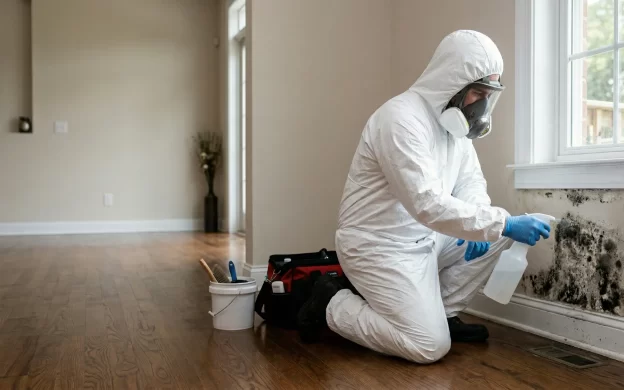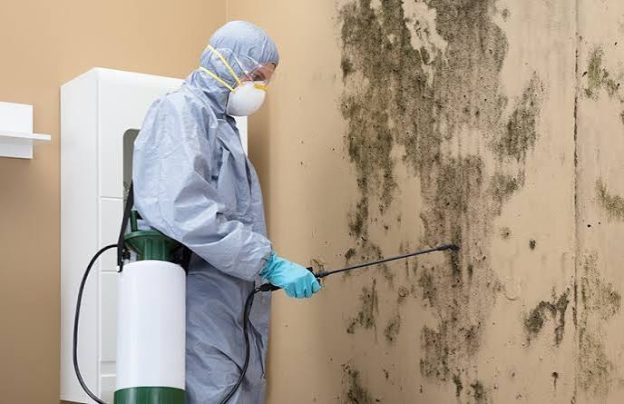
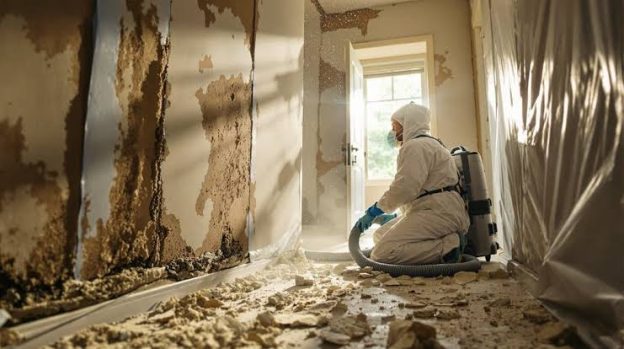
Moisture problems can quickly create the conditions mold needs to grow. Roof leaks, plumbing failures, flooding, poor ventilation, and high humidity can all leave building materials damp for extended periods. When mold develops, it may affect drywall, insulation, flooring, ceilings, framing, and other parts of the property.
Professional Mold Remediation and Mitigation focuses on identifying affected areas, addressing moisture sources, removing contaminated materials when necessary, and preparing the property for restoration. Blount’s Disaster Restoration provides mold cleanup and property restoration services for residential and commercial buildings dealing with water-related damage and indoor mold concerns.
Why Mold Problems Should Be Addressed Early
Mold does not always remain limited to the area where it first becomes visible. Moisture can move behind walls, underneath flooring, into insulation, and through crawl spaces before homeowners notice a problem.
Visible staining may therefore represent only one part of a larger moisture issue.
Professional Mold Remediation in Wrens, GA should begin by determining why moisture is present. Cleaning the visible surface without correcting the source may allow the same conditions to return.
Common moisture sources can include:
- Plumbing leaks
- Roof damage
- Storm-related water intrusion
- Flooding
- HVAC condensation
- Poor ventilation
- Persistent indoor humidity
Addressing the water source first provides a better foundation for mold cleanup and restoration.
Inspecting the Property for Moisture and Mold
A mold remediation project normally starts with an assessment of the affected property.
Technicians may inspect walls, ceilings, flooring, attics, crawl spaces, basements, cabinets, and other areas where moisture can collect. The objective is to understand how far the problem extends and whether building materials remain damp.
Moisture-detection tools may be used to help locate areas that are not visibly wet.
A detailed inspection can also help determine whether the project involves surface cleaning, removal of damaged materials, drying, or broader restoration work.
Creating Containment Around Affected Areas
When mold is concentrated in a particular section of the property, containment may be used to separate that space from unaffected rooms.
This can help limit unnecessary movement of dust and disturbed material during cleanup.
Containment requirements depend on the size and location of the affected area. Smaller residential projects may require a different approach than larger commercial spaces or properties with contamination across several rooms.
The remediation plan should be based on actual site conditions rather than using the same process for every property.
Removing Materials That Cannot Be Restored
Some porous building materials may become too damaged to clean effectively after prolonged moisture or mold exposure.
Depending on the condition of the property, this can include drywall, insulation, carpeting, ceiling materials, or other absorbent products.
Professional Black Mold Removal and general mold remediation may involve removing affected materials while protecting surrounding areas.
The decision to remove a material should depend on contamination, moisture exposure, material condition, and whether the surface can be cleaned appropriately.
After removal, the underlying area can be inspected and prepared for drying and reconstruction.
Cleaning Remaining Surfaces
Not every material in a mold-affected area needs to be removed.
Some surfaces may be suitable for professional cleaning after the contaminated or damaged materials have been taken out.
Cleaning can involve HEPA vacuuming, surface treatment, and other methods selected according to the affected material.
The goal is to address remaining residue while preparing the space for drying and later restoration.
Air-filtration equipment may also be used during the project depending on conditions inside the property.
Drying the Building Before Reconstruction
Mold remediation is closely connected to moisture control.
Even after contaminated materials are removed, damp framing, flooring systems, walls, or other components may still need time to dry.
Air movers, dehumidification equipment, and moisture monitoring may be used to support the drying process.
Installing new drywall, flooring, insulation, or finishes before the building is sufficiently dry can hide an unresolved moisture problem.
Drying should therefore be completed before reconstruction begins.
Mold Problems in Residential Properties
Homes can develop mold in many locations, especially where water or humidity is common.
Bathrooms, kitchens, attics, crawl spaces, basements, laundry areas, and rooms near plumbing lines may all experience moisture concerns.
Residential Mold Remediation in Wrens, GA can be adapted around the location and extent of the problem.
A small leak affecting one wall may require a relatively focused cleanup, while flooding or long-term water intrusion can affect several rooms.
Homeowners should also consider whether damaged finishes, cabinetry, flooring, or insulation will need restoration after remediation is complete.
Mold Cleanup for Commercial Buildings
Commercial properties can present different challenges because the spaces may be larger and more complex.
Commercial Mold Remediation in Thomson, GA may involve offices, retail spaces, warehouses, multifamily buildings, healthcare properties, or other commercial environments.
The remediation process may need to consider building access, operating hours, HVAC systems, employee areas, and customer spaces.
Clear scheduling and containment can be especially important when sections of the property remain occupied during cleanup.
The Difference Between Mold Mitigation and Restoration
Mold mitigation focuses on controlling the immediate problem and reducing additional spread.
Restoration deals with repairing or replacing building materials after the mold and moisture issues have been addressed.
For example, drywall may need removal during mitigation, followed later by new drywall installation, finishing, and painting.
Flooring, trim, cabinets, insulation, and other materials may also require reconstruction depending on the level of damage.
Working with a company that handles both cleanup and restoration can help create continuity between the two stages.
Factors That Can Affect Mold Remediation Cost
Mold remediation costs vary because no two properties have exactly the same conditions.
Project scope can depend on:
- Size of the affected area
- Number of rooms involved
- Moisture source
- Accessibility
- Amount of material removal required
- Drying needs
- Containment requirements
- Structural damage
- Restoration work after cleanup
A small localized mold issue generally requires a different level of work than widespread moisture damage affecting walls, floors, and framing.
An on-site evaluation can provide a clearer understanding of what the property actually needs.
Preventing Mold From Returning
The most important part of long-term mold control is addressing the moisture source.
If a roof continues leaking, plumbing remains damaged, or indoor humidity stays excessively high, mold may return even after cleanup.
Property owners should watch for water stains, musty odors, condensation, damp building materials, and recurring leaks.
Ventilation and moisture management may also be important in areas such as bathrooms, kitchens, crawl spaces, and attics.
Professional Mold Mitigation Services should focus not only on removing affected materials but also on identifying conditions that contributed to the problem.
Choosing a Mold Remediation Company
Property owners should look for a contractor that can clearly explain the inspection, containment, removal, drying, and restoration process.
Ask which materials can be cleaned, which may need replacement, how moisture will be monitored, and how the underlying water source will be addressed.
Good communication is especially important when several rooms or building components are affected.
Blount’s Disaster Restoration provides mold remediation and property restoration services for homes and businesses in and around Wrens, GA.
Conclusion
Mold problems often begin with moisture, which is why successful remediation involves more than cleaning visible growth. The affected area should be inspected, the moisture source identified, damaged materials addressed, and the building dried before reconstruction begins.
Professional Mold Remediation and Mitigation can help property owners manage mold while protecting surrounding building materials from continued moisture damage.
For homeowners and businesses in Wrens, GA, Blount’s Disaster Restoration can assist with mold cleanup, drying, restoration, and related property recovery services.
Frequently Asked Questions
What is included in mold remediation?
Mold remediation may include inspection, containment, removal of damaged materials, surface cleaning, air filtration, drying, and preparation for restoration.
Does visible mold always mean there is hidden mold?
Not always, but visible mold can sometimes be connected to moisture behind walls, under flooring, or in other concealed areas. An inspection can help determine the extent of the problem.
Can mold return after cleanup?
Yes. Mold can return when the original moisture source remains. Correcting leaks, humidity, or water intrusion is an important part of prevention.
Is mold testing required for every property?
No. Testing may be helpful in some situations, but not every remediation project requires laboratory testing. The need depends on the property and project conditions.
Can damaged drywall and flooring be restored after mold remediation?
Yes. Materials that cannot be cleaned or restored may be replaced after the affected area has been properly remediated and dried.