
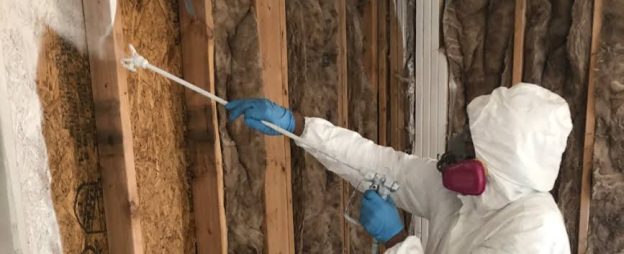
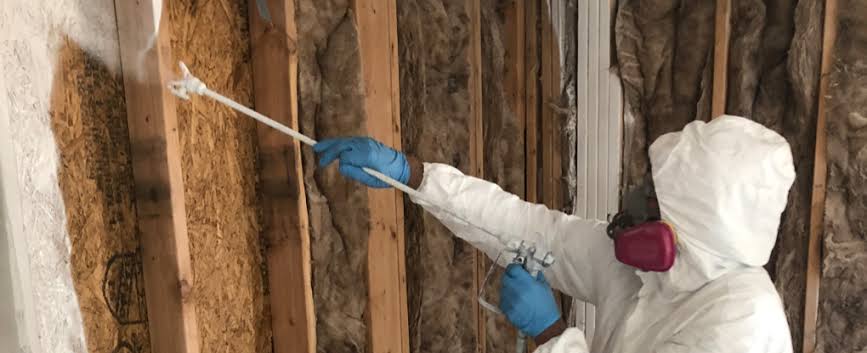
Mold can develop when moisture remains inside walls, ceilings, flooring, or other building materials. Plumbing leaks, roof damage, flooding, and excessive indoor humidity can all create suitable conditions for mold growth. Property owners looking for mold remediation services in Evans, GA need professional assistance to identify affected areas and address the moisture source. Blount Disaster provides remediation solutions for residential and commercial properties dealing with mold and water-related damage. A careful remediation process can help remove contaminated materials, control affected areas, and restore cleaner indoor conditions.
Why Professional Mold Remediation Matters
Visible mold may only represent part of the problem. Moisture can travel behind walls, beneath flooring, and into insulation where growth remains difficult to see.
Professional mold remediation in Evans, GA begins by evaluating the affected area. Technicians can look for moisture problems and determine which materials require attention.
Simply painting over mold or cleaning visible spots may not solve the underlying problem. If moisture remains present, mold may return.
Professional remediation focuses on both contamination and the conditions that allowed it to develop. Addressing the source helps create a more effective long-term solution.
Common Causes of Mold Growth
Mold needs moisture to grow, which means water-related problems often play an important role.
Common causes include leaking plumbing, roof leaks, appliance failures, flooding, and poor ventilation. High humidity can also create moisture problems in certain rooms.
Bathrooms, basements, kitchens, laundry rooms, and areas near plumbing fixtures may require additional attention. Water damage from storms can also leave hidden moisture inside building materials.
Property owners should investigate musty odors, discoloration, or recurring dampness rather than ignoring these warning signs.
Mold Inspection and Moisture Detection
A professional evaluation helps determine how far moisture and visible contamination have spread.
Technicians may inspect walls, ceilings, floors, cabinetry, and other areas where water damage occurred. Moisture detection equipment can help locate damp materials that may not appear wet from the surface.
Finding the moisture source remains an important part of Mold remediation services in Augusta, GA. Without correcting leaks or water intrusion, remediation alone may not provide lasting results.
A detailed assessment also helps create a clear plan before removal and cleanup begin.
Containing Mold-Affected Areas
Mold remediation requires careful control of the affected space. Disturbing contaminated materials without proper procedures may spread particles into nearby rooms.
Professionals may establish containment around the work area before removing damaged materials. This approach helps separate affected spaces from cleaner parts of the property.
The exact containment method depends on the size and location of the problem.
Keeping the work area organized also supports a more controlled cleanup process. Professional equipment and established procedures can help technicians manage affected materials safely and efficiently.
Removing Mold-Damaged Materials
Some building materials can receive professional cleaning, while others may require removal when contamination or moisture damage becomes extensive.
Porous materials such as drywall, insulation, carpeting, or ceiling materials may be difficult to restore after significant mold growth.
Technicians evaluate individual materials before deciding what can remain. Removing only necessary materials can reduce unnecessary demolition.
After affected materials leave the area, technicians can clean appropriate surfaces and prepare the space for drying and eventual restoration.
A careful approach helps property owners understand which parts of the building require replacement.
Structural Drying and Moisture Control
Removing mold-affected materials does not eliminate the need for proper drying. Moisture remaining inside structural components can allow problems to continue.
Professional drying equipment may include air movers and dehumidifiers. These tools help reduce moisture levels throughout affected spaces.
Technicians can monitor the area during drying to determine whether materials are reaching appropriate conditions.
Effective moisture control plays a major role in preventing recurring problems. Property owners should also repair plumbing leaks, roofing problems, or other water sources that contributed to the original damage.
Residential Mold Remediation
Mold inside a home can affect bedrooms, bathrooms, kitchens, basements, attics, and other spaces. Hidden water damage can sometimes allow growth to develop before homeowners notice visible signs.
Residential remediation services near me Hephzibah, GA helps homeowners identify affected areas and organize the cleanup process.
Services may involve containment, removal of damaged materials, cleaning, drying, and preparation for repairs.
Every property requires a different approach based on the moisture source and extent of contamination. A localized bathroom problem will require different work than widespread mold following flooding.
Commercial Mold Remediation Services
Commercial properties can also develop mold after leaks, plumbing failures, roof damage, or prolonged humidity problems.
Offices, retail spaces, warehouses, rental properties, and other buildings may require prompt remediation to protect interior spaces and reduce operational disruption.
Professional teams can assess the affected areas and create a remediation plan around the property’s needs.
Quick action may also help businesses protect equipment, furnishings, inventory, and building materials from additional moisture damage.
Organized remediation allows property managers to focus on restoring affected sections and returning them to normal use.
Signs You May Need Mold Remediation
Visible mold remains one of the clearest warning signs, but property owners should also pay attention to other indicators.
Musty odors can suggest hidden moisture problems. Water stains, peeling paint, warped materials, or recurring dampness may also require investigation.
Properties that recently experienced flooding or major leaks should receive careful attention even when surfaces appear dry.
Professional evaluation can help determine whether hidden moisture remains inside building materials.
Addressing warning signs early may reduce the amount of restoration required later.
Preventing Mold From Returning
Preventing future growth starts with controlling moisture.
Repair plumbing leaks promptly and address roof problems before water spreads. Keep indoor areas properly ventilated and watch for recurring condensation.
Property owners should also investigate unexplained increases in humidity or persistent damp odors.
After water damage, professional extraction and structural drying can reduce the conditions that encourage mold growth.
Regular property inspections can also help homeowners and businesses identify moisture concerns before they become larger restoration problems.
Conclusion
Mold problems often begin with hidden or unresolved moisture. Effective remediation requires identifying affected areas, controlling contamination, removing damaged materials, and addressing the original water source.
Blount Disaster provides professional mold remediation services in Evans, GA for residential and commercial properties dealing with mold and moisture-related damage. A structured remediation process can help restore affected spaces while reducing the risk of recurring problems.
Contact Blount Disaster when you notice visible mold, musty odors, water damage, or other signs of moisture inside your Evans property.
FAQ’s
What causes mold inside a property?
Mold commonly develops after plumbing leaks, flooding, roof damage, high humidity, condensation, or other conditions that keep building materials damp.
Can mold grow behind walls?
Yes. Moisture can enter wall cavities and create hidden mold growth. Professional inspection and moisture detection can help identify affected areas.
Is cleaning visible mold enough?
Not always. Cleaning the surface may not address hidden contamination or the moisture source. Professional remediation focuses on the complete affected area.
What materials may need removal during mold remediation?
Heavily affected drywall, insulation, carpeting, ceiling materials, and other porous materials may require removal depending on their condition.
How can I help prevent mold after water damage?
Address the water source quickly, remove standing water, dry affected materials thoroughly, maintain ventilation, and control indoor moisture levels.