
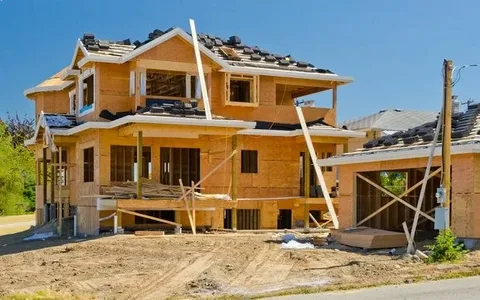
Need reconstruction services in Augusta GA? Learn what post-disaster rebuilding involves, realistic costs, timelines, and how to find the right local contractor.
After a disaster — a fire, serious water damage, a sewage event, or severe storm damage — there comes a point where the cleanup and drying are done and the focus shifts to putting the home back together. This is the reconstruction phase, and for most families, it’s the longest part of the recovery process.
It’s also where many homeowners feel the most uncertain. The mitigation crew has packed up. The insurance adjuster has come and gone. And now the question is: who rebuilds the walls, replaces the floors, and gets the kitchen or bathroom back to where it was before the disaster happened?
Reconstruction after a disaster is different from a voluntary renovation, and the differences matter — in how the work is scoped, how it’s priced, how it interacts with the insurance claim, and what the contractor needs to understand about what came before. At Blount’s Disaster Restoration, we handle reconstruction for Augusta area homeowners as part of full disaster recovery, and we want every homeowner to understand the full picture before they sign any contract.
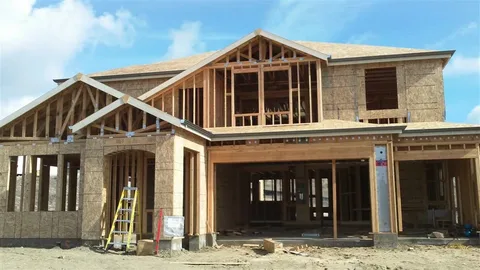
Why Disaster Reconstruction in Augusta GA Requires a Specific Type of Contractor
Not every contractor who builds or remodels understands disaster reconstruction. The work looks similar on the surface — drywall, flooring, paint, trim — but the context creates specific requirements that a standard remodeler isn’t always prepared for.
Insurance claim coordination is one of the most significant differences. Disaster reconstruction costs are typically covered by homeowner’s insurance, and the reconstruction scope must align with the insurer’s approved estimate. A contractor without insurance claim experience may submit pricing that doesn’t match the adjuster’s approved line items, which creates disputes and delays. A contractor with that experience works within the claim structure, documents scope additions correctly when additional damage is discovered, and communicates effectively with adjusters throughout the project.
Moisture and contamination verification is another requirement that standard remodeling doesn’t involve. Reconstruction can only begin after the underlying structure has been confirmed dry to professional standards, decontamination is verified where required, and any mold or sewage-related treatment is complete. A reconstruction contractor who doesn’t verify these conditions before starting work may be enclosing residual moisture or contamination behind new drywall — creating problems that surface months later.
Permit requirements for reconstruction after a covered disaster event are determined by the scope of the rebuild — structural repairs, electrical work, plumbing — and may be more extensive than what a comparable voluntary renovation would require. An experienced reconstruction contractor handles permit applications as a standard part of the project scope.
According to the Insurance Information Institute, fire and lightning claims average over $70,000 and water damage claims average approximately $11,000 in residential insurance — but the actual reconstruction cost depends entirely on how thoroughly the damage was documented and how completely the work scope addresses what was damaged. An experienced reconstruction contractor produces better outcomes because they understand both sides of that equation.
What Reconstruction Services Cover in Augusta GA
Reconstruction encompasses the full range of work needed to return a home to its pre-disaster condition after the mitigation and drying phases are complete.
Structural repairs address any damage to load-bearing walls, floor joists, roof framing, or other structural components caused by fire, water saturation, or storm impact. This work is prioritized because everything else is built on it, and it must be inspected before it’s enclosed.
Drywall installation and finishing replaces walls and ceilings that were removed during mitigation or destroyed by the disaster. New drywall is hung, taped, mudded, and textured to match the existing finish in unaffected areas.
Flooring replacement covers whatever floor covering was damaged — hardwood, tile, carpet, luxury vinyl plank, laminate — along with subfloor replacement where moisture or fire damage reached the structural layer below the finished floor.
Painting and finish work covers walls and ceilings after drywall work, along with reinstalling baseboards, door casings, window trim, and any other finish carpentry that was removed or damaged.
Cabinetry and countertop replacement addresses kitchens and bathrooms where water or fire reached cabinet boxes, doors, or countertop surfaces. This is often one of the more expensive components of a kitchen or bathroom reconstruction.
Mechanical systems work addresses electrical, plumbing, and HVAC components that were damaged — replacing wiring, outlets, fixtures, supply lines, drain connections, or ductwork that was affected by the disaster event.
Common Disasters That Lead to Reconstruction in Augusta GA
Richmond County and the Augusta metro area experience the full range of disaster events that require professional reconstruction.
| Disaster Type | Primary Reconstruction Work | Typical Timeline |
| House fire | Structural framing, drywall, flooring, cabinetry, electrical | 6–16 weeks |
| Major water damage | Drywall, flooring, cabinetry, subfloor | 3–8 weeks |
| Sewage backup | Flooring, subfloor, drywall, plumbing | 2–6 weeks |
| Storm / roof damage | Roof structure, decking, drywall, ceilings | 3–10 weeks |
| Mold remediation follow-up | Drywall, insulation, framing in severe cases | 2–6 weeks |
Homeowners looking for the best restoration company near me in Augusta GA should ask any contractor they’re considering specifically about their experience with disaster reconstruction versus standard renovation work. The experience difference shows up in how they handle the insurance claim, how they verify conditions before starting, and how they document scope changes during the project.
What Reconstruction Services Cost in Augusta GA
Having realistic cost expectations helps you evaluate proposals and understand whether your insurance settlement reflects the actual scope of what needs to happen.
Minor reconstruction following a contained water event — replacing drywall in one or two rooms, flooring in a bathroom or laundry room, and associated trim and painting — typically runs between $3,000 and $8,000.
Reconstruction services in Augusta GA for moderate events — a fire confined to one or two rooms, a burst pipe that affected multiple floors, or storm damage covering a significant portion of the home — generally run between $15,000 and $50,000 depending on the materials involved and the systems requiring replacement.
Major reconstruction following a significant fire, structural damage, or catastrophic water damage involving most of the home can run from $50,000 to well over $150,000 when full structural, mechanical, and finish work is included. At this level, insurance authorization timelines affect the project schedule significantly.
One cost variable that Augusta homeowners should plan for is the difference between insurance coverage and actual replacement costs. Insurance typically covers like-for-like replacement at current market pricing. If material costs have increased significantly since the policy was last reviewed, or if the home was underinsured, there may be a gap between what the insurer pays and what rebuilding actually costs. A reconstruction contractor who provides detailed line-item estimates helps identify these gaps early rather than mid-project.
The Reconstruction Process: What Happens and When
Understanding how reconstruction flows from start to finish helps set realistic expectations and lets you recognize when a project is on track.
Permitting and material procurement happen in parallel before physical work begins. Augusta-area permit applications for structural, electrical, and plumbing work typically take one to three weeks to process. Special-order materials — cabinetry, specific tile, flooring products — can have lead times of two to six weeks. A contractor who submits permits and orders materials immediately after the scope is finalized compresses the overall project timeline significantly.
Structural and rough-in work happens first — any framing repairs, roof structure, electrical rough-in, and plumbing rough-in are completed and inspected before walls are closed. These inspections are not optional; covering unfinished rough-in work is a code violation that creates serious problems.
Drywall installation, taping, and finishing follow once inspections pass. Multiple drying days between coats are built into the schedule — rushing this phase produces nail pops, cracks, and finish problems that appear after painting.
Flooring, cabinetry, countertops, trim work, and painting comprise the final phase. This is the most visible progress for homeowners and the phase where sequencing matters most — flooring before baseboard, countertops before backsplash, painting after trim. A contractor who manages this sequence well keeps the project moving efficiently.
How to Choose a Reconstruction Contractor in Augusta GA
Augusta has a large pool of contractors, but the range in disaster reconstruction experience is significant.
Georgia contractor licensing is required for residential general contracting work above certain thresholds. Verify license status through the Georgia Secretary of State’s contractor licensing portal. Confirm the contractor carries both general liability and workers’ compensation insurance with certificates from the insurer.
Insurance documentation capability is the most important differentiator for disaster reconstruction. Ask directly: How many disaster reconstruction projects have you completed in the past year? Do your estimators use Xactimate or a compatible estimating platform? Do you have experience working with adjusters from the major insurers in Georgia? Contractors who can answer these questions specifically and confidently are operating professionally in this space.
Ask for references from disaster reconstruction projects in Augusta or the surrounding area — not general renovation references. The experience of a homeowner who went through a fire or water damage reconstruction is more relevant to your situation than the experience of someone who had a kitchen remodeled voluntarily.
Written project documentation — detailed scope, project schedule, payment milestones tied to project phases, and change order process — should be standard. A one-page quote with a lump-sum number is not adequate documentation for a disaster reconstruction project.
Closing Thoughts
Reconstruction services in Augusta GA represent the phase of disaster recovery that transforms a damaged house back into a functional, comfortable home. The work requires a contractor who understands both the technical side of construction and the insurance claim process that funds the project — and who has the organizational structure to manage a multi-phase project with multiple trades and a homeowner who has already been through a significant stressful event.
For any homeowner in Augusta facing this process, the investment of time in finding the right reconstruction contractor — verifying credentials, checking disaster-specific references, and reviewing a written scope before signing — is time that pays back throughout the entire project.
Blount’s Disaster Restoration serves Augusta and the surrounding Richmond County area with full-service disaster reconstruction, from permit application through final walkthrough. Call us today for a free assessment and a clear plan for getting your home rebuilt right.
FAQs
How long does reconstruction take after a disaster in Augusta GA? Timeline depends on the scope of damage and the type of reconstruction required. A contained water damage event affecting one or two rooms typically takes three to six weeks from permit approval to completion. A moderate fire reconstruction involving several rooms and systems work generally runs eight to fourteen weeks. Major reconstruction after a significant fire or structural event can take four to eight months. The timeline is affected by permit processing speed, material lead times for special-order items, and the sequential nature of construction work — inspections must pass before certain phases proceed. Your contractor should provide a written project schedule with milestones at the start and communicate promptly when anything changes that schedule. Asking specifically about permit processing times and any long-lead materials before work begins helps set realistic expectations from day one.
How does insurance work during reconstruction in Augusta GA? Your insurer provides a settlement based on the adjuster’s damage assessment. Most settlements include an initial payment when the claim is approved and a recoverable depreciation payment after reconstruction is complete and final costs are confirmed. A reconstruction contractor experienced with Georgia insurance claims works within the adjuster’s approved scope, documents any additional damage found during reconstruction correctly as supplemental claims, and submits pricing in the format insurers recognize. Keep copies of all contractor invoices, change orders, and claim correspondence throughout the project. If your initial settlement appears lower than your actual losses, you have the right to dispute it — a well-documented supplemental claim supported by contractor documentation often results in an adjusted settlement.
Can I choose different materials than what was originally in my home? Yes, with an important financial consideration. Your insurance settlement covers restoring the home to its pre-damage condition using comparable materials. If you want to upgrade — better flooring, higher-grade cabinetry, a premium countertop material — the cost difference above what insurance is paying is yours to cover. Most Augusta homeowners view reconstruction as an opportunity to make improvements they’d been considering anyway, and this is a completely reasonable approach. The key is having your contractor clearly separate the insurance-covered scope from the upgrade portion in the written estimate so you know exactly what each element is costing and what is covered.
What should I do if my contractor finds additional damage during reconstruction? Document it immediately with photographs and written notes before any work proceeds on the newly discovered area. Your contractor should prepare a written supplemental scope describing what was found, why it was not visible in the original assessment, and what work is needed to address it. This supplemental scope goes to your insurance company for review before the additional work begins — not after. A reconstruction contractor who proceeds with undocumented additional work and presents a larger bill at the end creates insurance complications and puts you in a difficult financial position. Ask your contractor at the start of the project how they handle scope changes, and confirm the process is in writing before signing the contract.
Is reconstruction covered if the damage happened gradually rather than suddenly? Standard homeowner’s insurance covers sudden and accidental damage — a burst pipe, a fire, a storm event. It typically does not cover damage that resulted from gradual deterioration, deferred maintenance, or slow leaks that were present for an extended time before the homeowner addressed them. An adjuster reviews the claim and makes a coverage determination based on the nature of the loss. If coverage is denied on the basis that damage was gradual, you have the right to dispute that determination with supporting documentation — including contractor evidence that the damage pattern is consistent with a sudden event rather than long-term neglect. This is another area where a reconstruction contractor with insurance claim experience can help you understand whether the initial determination is accurate and what supporting information to include in a dispute.