
Need disaster cleanup services in Blythe GA? Learn what cleanup involves, how to respond fast, what it costs, and how to find a qualified local contractor.
When a disaster hits a home — a fire that got contained before total loss, a flood from a burst pipe or a hard rain, a sewage backup in the basement, or mold discovered behind a wall during a renovation — the first instinct is to start cleaning up. That instinct makes sense. But the way disaster cleanup is approached in the first few hours makes a significant difference in how much can be saved, how strong the insurance claim is, and whether the problem gets solved or just temporarily covered.
Blythe, GA is a small community in Richmond County east of Augusta, and the homes here reflect the mix of established older properties and newer construction that characterizes the Central Savannah River Area. Every type of disaster — water, fire, mold, sewage — shows up in these homes, and most families who experience one are dealing with it for the first time.
Understanding what professional disaster cleanup covers, what it costs, and what separates a complete cleanup from a partial one gives homeowners the ability to make better decisions when stress is high and time is short. At Blount’s Disaster Restoration, we provide disaster cleanup services across the Blythe area and we want every homeowner to have that understanding before they need it.
Why Disaster Cleanup in Blythe GA Requires Professional Response
The most common mistake homeowners make after a disaster event is underestimating the hidden scope. What’s visible is usually a fraction of what’s actually affected — and the invisible portion is where the most expensive problems develop.
Water that enters a home from flooding or a plumbing failure doesn’t stay on the surface. It moves into wall cavities, soaks into subfloor framing, wicks up into drywall, and pools under flooring materials where it sits in contact with organic building components. In Richmond County’s warm, humid climate, those wet organic materials create ideal mold growth conditions within 24 to 48 hours of water contact — a timeline documented by the Environmental Protection Agency in its guidelines for post-flood response.
Smoke and soot from a fire penetrate well beyond the visible burn area. Soot is acidic and begins etching surfaces, corroding metal fixtures, and staining materials within hours of the fire event. A cleanup that addresses only the burned area leaves soot contamination throughout the rest of the structure — contamination that continues causing damage and produces persistent odor for years.
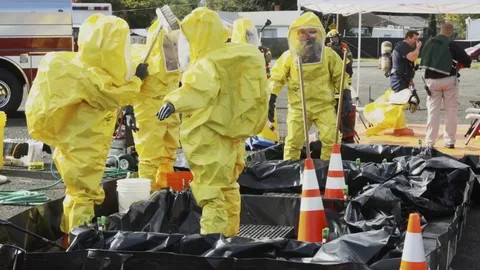
Sewage backup events carry bacterial and pathogen contamination that cannot be addressed with standard cleaning products. Category 3 contaminated water — which includes sewage backup, floodwater that has contacted ground surfaces, or any long-standing water — requires full protective protocols, complete removal of porous materials that contacted the water, and antimicrobial treatment of all structural surfaces. Treating a sewage backup like a water spill is a health risk, not just an aesthetic one.
According to the Insurance Information Institute, the average residential property insurance claim for water and flooding events runs approximately $11,000, while fire damage claims average over $70,000. For Blythe homeowners, having a professional restoration company document the full scope of damage from the start — not just the visible surface damage — directly affects the insurance settlement.
Types of Disaster Cleanup Services Available in Blythe GA
Professional disaster cleanup covers a range of event types, each with its own response requirements and restoration protocols.
Water and flood cleanup addresses damage from burst pipes, appliance failures, roof leaks, foundation water intrusion, and flooding events. The scope includes emergency water extraction, structural drying with commercial equipment, moisture mapping to identify hidden moisture, material removal where necessary, and antimicrobial treatment to prevent mold development.
Fire and smoke cleanup covers the aftermath of residential fires — both the direct burn damage and the smoke, soot, and water damage that affects the rest of the structure. Professional fire cleanup involves removing soot from all affected surfaces using methods matched to the specific residue type, extracting suppression water, deodorizing structural materials, and protecting salvageable contents.
Sewage and biohazard cleanup handles backup events, broken sewage lines, and any situation where contaminated water has entered the living space. This work requires specialized equipment, personal protective protocols, complete removal of porous contaminated materials, and verification testing after treatment.
Mold remediation addresses growth that has developed in wall cavities, under flooring, or in attic and crawl space areas — often as a result of an earlier water event that wasn’t completely addressed. Professional remediation involves identifying and fixing the moisture source, containing the affected area, removing contaminated materials, treating structural surfaces, and post-remediation testing to verify the work was complete.
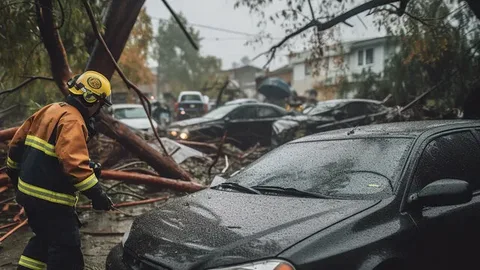
Storm damage cleanup following severe weather events covers wind-damaged roofs, broken windows, tree impacts, and the water intrusion that follows when a structure is breached. Emergency tarping and board-up, combined with interior drying and material removal, are the primary components.
What a Complete Disaster Cleanup Involves
Understanding the full process helps you evaluate whether a contractor is doing complete work or leaving critical steps out.
Emergency stabilization comes first — tarping damaged roofs, boarding windows and doors, shutting off water to stop ongoing intrusion, and making the property safe to work in. This step protects what remains of the structure from additional damage while the full cleanup is organized.
Assessment and documentation record the complete scope of damage. Photographs, moisture readings, written reports, and video documentation create the evidence base for the insurance claim and the restoration plan. A thorough assessment at this stage produces both better insurance outcomes and fewer surprises during the cleanup.
Extraction and removal — water extraction for flooding events, soot-affected materials for fire events, contaminated materials for sewage events — removes the immediate damage and creates the conditions for the drying and treatment phases that follow.
Structural drying and treatment addresses residual moisture in building materials using commercial-grade equipment running continuously with daily monitoring. For fire and sewage events, antimicrobial and deodorization treatment follows the physical cleanup.
Documentation of completion — moisture readings confirming target dryness, post-remediation testing for mold events, written reports of what was done and what was removed — closes out the cleanup phase and prepares the property for reconstruction.
Disaster Cleanup Costs in Blythe GA
Understanding realistic cost ranges protects you from both overpriced proposals and from bids that seem low because they leave out important scope.
| Disaster Type | Typical Cleanup Cost Range | Key Cost Driver | Timeline |
| Minor water/flood event | $1,500 – $4,000 | Material removal extent | 3–5 days drying |
| Moderate water/flood event | $4,000 – $12,000 | Square footage affected | 5–10 days |
| Fire and smoke cleanup | $3,000 – $20,000+ | Smoke penetration extent | 1–3 weeks |
| Sewage backup cleanup | $2,500 – $8,000 | Contamination spread | 3–7 days |
| Mold remediation | $1,500 – $10,000 | Growth extent and location | 1–2 weeks |
| Storm damage cleanup | $2,000 – $15,000 | Structural damage scope | Varies |
Homeowners looking for best disaster cleanup near me in Blythe GA should get written estimates that break out each component of the work — extraction, drying, material removal, treatment, and documentation — separately so they can understand and compare what’s actually being proposed.
How to Respond in the First Hours After a Disaster in Blythe GA
The decisions made in the first few hours after a disaster event shape the entire recovery. Here is what to focus on.
Safety first — do not re-enter a fire-damaged structure until officials confirm it is safe. Do not enter a flooded area if there is any possibility of energized electrical circuits. Do not enter a sewage backup area without appropriate protective equipment.
Disaster cleanup services in Blythe GA should begin with thorough documentation before anything is touched or moved. Photographs and video of all damage — every affected room, every damaged item, every visible water line or burn mark — taken before any cleanup begins are your insurance evidence. The more thorough the documentation, the stronger the claim.
Contact your insurance company promptly. Start the claim before cleanup begins. Ask about emergency advance provisions for temporary housing and immediate needs — most policies include these but families often don’t know to request them. Then call a professional restoration company immediately — the 24 to 48-hour window for limiting secondary damage from mold, soot corrosion, or contamination spread is real and short.
Do not attempt to accelerate drying with household fans before professional equipment is in place. Moving air over wet materials without humidity control spreads moisture to adjacent dry areas rather than removing it, which can expand the damage area.
What to Look for in a Disaster Cleanup Contractor in Blythe GA
IICRC certification is the professional standard for disaster cleanup work. The relevant credentials include WRT (Water Restoration Technician), FSRT (Fire and Smoke Restoration Technician), and AMRT (Applied Microbial Remediation Technician) depending on the type of disaster. Ask any contractor about their IICRC certifications before committing to work.
Georgia requires contractors performing certain types of restoration and reconstruction work to hold appropriate state licenses. Confirm licensing and verify both general liability and workers’ compensation insurance before any work begins.
Insurance claim experience is one of the most practically important things to ask about. A contractor experienced with Georgia homeowner insurance claims knows how to document damage in the format adjusters use, handle supplemental claims when additional damage is discovered during cleanup, and communicate effectively with adjusters throughout the process. This experience directly affects your settlement outcome.
Twenty-four hour emergency availability is a requirement, not a preference, for disaster cleanup. Ask specifically whether they provide genuine 24/7 emergency response with crews available — not just an answering service that calls back during business hours.
Closing Thoughts
Disaster cleanup services in Blythe GA cover some of the most stressful and consequential situations a homeowner can face. Whether the event is water, fire, sewage, or mold, the quality of the cleanup response determines whether the home is genuinely restored or whether hidden problems develop in the months after the visible cleanup is complete.
For any homeowner in Blythe who is dealing with a disaster event or wants to know what to do when one happens, the most important piece of practical knowledge is this: call a professional restoration company the same day the damage is discovered, document everything before cleanup begins, and contact your insurer before any materials are moved or removed.
Blount’s Disaster Restoration serves Blythe and the surrounding Richmond County area with professional disaster cleanup services, including 24-hour emergency response, full insurance documentation support, and complete restoration from cleanup through reconstruction. Call us today for a free assessment.
FAQs
How quickly should I call for disaster cleanup services in Blythe GA? The same day the damage is discovered — ideally within the first few hours. For water and flood events, mold growth risk begins within 24 to 48 hours in Georgia’s warm, humid climate. For fire events, soot corrosion on metal surfaces begins within hours of the fire. For sewage backup events, bacterial contamination spreads through porous materials quickly and creates health risks that compound with time. Every hour of delay in professional response increases the scope of secondary damage — the damage that develops after the initial event — and raises the total cost of the cleanup and restoration. Most professional disaster cleanup companies including Blount’s Disaster Restoration offer 24-hour emergency response specifically because response time has a direct and measurable effect on outcomes.
Does homeowner’s insurance cover disaster cleanup in Blythe GA? Most standard homeowner’s insurance policies in Georgia cover sudden and accidental damage from fire, burst pipes, appliance failures, and storm events. What policies typically exclude is gradual damage from slow leaks left unaddressed over time, flooding from external water sources (which requires separate flood insurance), and mold that developed as a result of a prior unaddressed water event. Sewer backup coverage is an optional endorsement on most policies and is not standard coverage. Contact your insurer immediately after a disaster event and start the claims process before cleanup begins. Document all damage thoroughly. A restoration contractor with insurance claim experience can help ensure damage is documented in the format adjusters use and that the full scope of damage is captured in the initial claim.
What is the difference between disaster mitigation and disaster cleanup? Disaster mitigation refers to the emergency response phase — stopping ongoing damage, stabilizing the structure, extracting water or securing a fire-damaged building, and preventing further loss. The goal is to stop the situation from getting worse as quickly as possible. Disaster cleanup encompasses the full restoration process — mitigation, removal of damaged materials, drying or decontamination, and preparing the structure for reconstruction. Both phases are part of a complete recovery. Some companies offer only the mitigation phase and refer reconstruction to others. Full-service restoration companies handle both phases under one contract, which simplifies insurance documentation, reduces handoff complications, and typically produces a faster overall recovery timeline.
How long does disaster cleanup take in Blythe GA? Timeline varies by disaster type and event scope. Water damage drying typically takes three to seven days with professional equipment. Fire and smoke cleanup for a moderate event affecting several rooms generally takes one to two weeks. Sewage backup cleanup with full decontamination runs three to seven days. Mold remediation depending on the extent of growth typically takes one to two weeks. All of these timelines are for the cleanup phase only — reconstruction of drywall, flooring, and other removed materials adds additional time after cleanup is complete. Your contractor should provide a realistic timeline estimate after the initial assessment of your specific event, and communicate promptly if anything during the work changes that estimate.
What documentation should I receive after disaster cleanup in Blythe GA? A professional disaster cleanup company should provide written documentation covering the full scope of the project. For water events, this includes initial moisture readings from all affected areas, daily drying logs showing moisture levels at each monitoring point, a final report confirming all materials have reached target moisture levels, and photographs of the work throughout. For fire and mold events, documentation should include pre- and post-treatment photographs, written scope of materials removed and treated, and post-remediation testing results confirming the cleanup was complete. For sewage backup events, documentation of decontamination treatment and material removal is essential. All of this documentation protects you in any insurance dispute and gives you a clear record of what was done to your home. Ask for this documentation as a standard deliverable before any work begins, not as an afterthought at the end.