
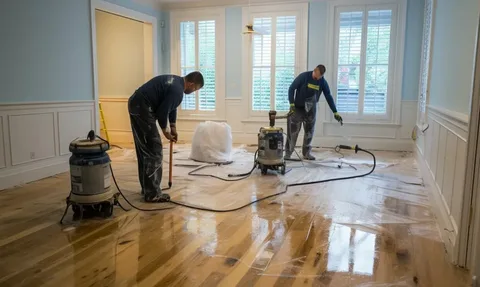
Need water restoration services in Martinez GA? Learn what restoration involves, costs, warning signs, and how to find the right local contractor fast.
Water damage rarely announces itself clearly. It shows up as a stain on the ceiling you keep meaning to look at. A damp smell in the laundry room that comes and goes. A floor that feels slightly soft underfoot near the bathroom. By the time most Martinez homeowners realize the extent of what’s happening, the water has been doing damage for longer than anyone would have guessed.
Martinez, GA sits in Columbia County along the Augusta metro, and the homes here face a specific set of water damage risks. The combination of Georgia’s heavy seasonal rainfall, the clay-heavy soils that shift with moisture changes, aging plumbing systems in established neighborhoods, and HVAC condensation in hot, humid summers all contribute to water intrusion issues that range from minor to serious.
Getting professional help quickly is what separates a manageable recovery from a prolonged, expensive one. We work with Martinez homeowners through water damage situations of all sizes at Blount’s Disaster Restoration, and we want every homeowner to understand what professional water restoration actually involves before they need it — or right when they do.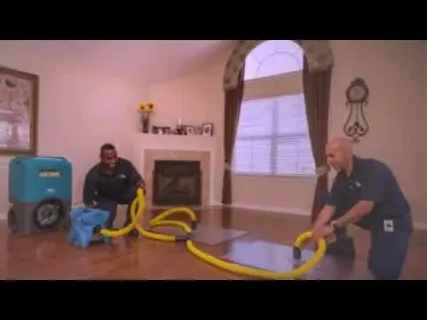
Why Georgia’s Climate Makes Water Damage Worse in Martinez Homes
Augusta and the surrounding Columbia County area receive an average of over 44 inches of rain annually. The summer months bring heavy afternoon storms that can push significant water through foundations, window wells, and compromised roof areas in a single event. Georgia’s humidity stays elevated for most of the year, which means wet materials inside a home don’t dry out on their own — they stay wet and create the conditions mold needs to grow.
When water gets into a home’s structure — walls, floors, subfloor framing — the combination of Georgia’s warmth and humidity accelerates biological growth faster than in drier or cooler climates. The Environmental Protection Agency has documented that mold can begin developing on wet surfaces within 24 to 48 hours under warm, humid conditions. In Martinez’s summer climate, that window can be even shorter during the hottest months.
Older homes in the established parts of Martinez also have specific vulnerabilities. Crawl spaces with inadequate vapor barriers allow ground moisture to move up into the floor framing. Aging supply and drain lines develop slow leaks that go undetected for months. HVAC systems that aren’t properly maintained create condensation in wall cavities. Each of these is a potential water damage source that stays hidden until the damage has been accumulating for a while.
According to the Insurance Information Institute, water damage and freezing events account for nearly one in four homeowner insurance claims by dollar value in the United States, with an average claim cost of approximately $11,000. For Martinez homeowners, understanding the full scope of what water restoration involves — and acting quickly when it’s needed — directly affects both what can be saved and what the final cost looks like.
What Water Restoration Services Actually Cover
Many Martinez homeowners think water restoration means drying things out and maybe replacing some flooring. A complete restoration is significantly more involved, and the steps that often get skipped are the ones that determine whether the recovery is lasting or temporary.
Emergency water extraction removes standing water and surface saturation quickly using industrial-grade extractors. Getting water out of the building in the first few hours dramatically limits how far it spreads into walls, subfloor, and structural framing. Household wet-vacs and towels cannot match the extraction rate of professional equipment, which is why the time between a water event and professional response matters so much.
Structural drying uses commercial air movers and dehumidifiers placed throughout the affected areas to pull moisture from building materials over several days. This equipment runs continuously, and a technician checks moisture readings in the affected materials daily. Drying is complete when materials reach target moisture levels — not when they feel dry on the surface.
Moisture mapping using professional meters and thermal imaging cameras identifies moisture inside wall assemblies and under flooring that isn’t visible from the surface. This step is what separates a restoration that addresses the full scope of the damage from one that only treats what’s obvious and leaves hidden moisture to cause problems later.
Material removal addresses drywall, flooring, insulation, and other porous materials that cannot be effectively dried in place. Clean cuts of drywall, proper documentation of removed materials, and professional disposal all support the insurance claim and set up a clean substrate for reconstruction.
Antimicrobial treatment is applied to structural materials after drying to reduce mold growth risk in the period between drying completion and reconstruction. In Georgia’s climate, this step matters more than in drier regions and should be part of every professional restoration scope.
Types of Water Damage Found in Martinez GA Homes
Water damage in Martinez comes from several different sources, and the source affects both how restoration is approached and what insurance coverage applies.
| Water Source | Category | Health Risk | Restoration Approach |
| Supply line burst | Category 1 (clean) | Low | Standard drying and restoration |
| Appliance overflow | Category 1-2 | Low to moderate | Extraction, drying, antimicrobial |
| Sink/toilet overflow | Category 2 (gray) | Moderate | Antimicrobial treatment + drying |
| Sewage backup | Category 3 (black) | High | Full decontamination protocols |
| Stormwater intrusion | Category 2-3 | Moderate to high | Depends on contamination level |
| Roof leak | Category 1-2 | Low to moderate | Source fix first, then restoration |
Homeowners looking for best water restoration near me in Martinez GA should know that Category 3 water — sewage, floodwater, or heavily contaminated water — requires full decontamination protocols that go well beyond standard drying. Any materials that contacted Category 3 water are typically removed rather than dried in place because the contamination risk cannot be eliminated through drying alone.
What Water Restoration Costs in Martinez GA
Having realistic cost expectations helps you evaluate estimates fairly and avoid bids that seem low because they leave out critical scope.
A minor water damage event — a small appliance leak caught within a few hours, affecting a limited section of flooring and drywall — typically runs between $1,500 and $4,000 for professional restoration including extraction, drying, limited material removal, and antimicrobial treatment.
Water restoration services in Martinez GA for a mid-range event — a washing machine overflow, a supply line failure, or a roof leak that saturated a larger floor area and one or two walls — generally run between $4,000 and $10,000 depending on the materials involved and the drying time required.
A significant event — a burst pipe inside a wall that went undetected for an extended period, basement flooding, or a sewage backup — can run from $10,000 to $30,000 or more when structural material removal and full reconstruction are factored in. IICRC-certified technicians who document moisture readings daily and apply proper antimicrobial treatment cost more than a quick-dry operation — and they produce results that don’t come back as mold problems six months later.
The National Roofing Contractors Association’s research on delayed repair costs shows that water intrusion left unaddressed multiplies total repair costs two to four times within a single year. In Georgia’s humid climate, that timeline compresses further. Calling a professional restoration company quickly after discovering water damage consistently produces lower total costs than waiting.
How to Choose a Water Restoration Contractor in Martinez GA
The quality range among contractors offering restoration services in the Augusta area is wide. Knowing what to look for protects you from poor outcomes and unnecessary expense.
IICRC certification — specifically the Water Restoration Technician (WRT) credential from the Institute of Inspection Cleaning and Restoration Certification — is the professional standard for this work. Technicians who hold current IICRC WRT certification have been trained in the standards and procedures that produce complete, properly documented restoration results. Ask any contractor you’re considering whether their technicians hold this certification.
Twenty-four hour emergency availability matters because water damage doesn’t happen on a schedule. A contractor who can have extraction equipment on-site within a few hours of your call produces significantly better outcomes than one who operates only during business hours and sends someone the following morning.
Ask about their moisture documentation process. Daily moisture readings, equipment logs, and a written drying report at project completion are what a professional restoration company provides as standard. These records protect you in any insurance dispute and confirm the drying was completed to proper standards. A contractor who doesn’t keep written moisture records is not operating to industry standard.
Insurance claim experience affects how your claim is documented and processed. A restoration contractor who understands how to prepare damage documentation in the format insurers use, submit supplemental claims when additional damage is discovered, and work effectively alongside adjusters produces better insurance outcomes than contractors without that experience.
Closing Thoughts
Water restoration is a project where acting quickly and choosing a qualified contractor determines both how much of the home can be saved and what the total recovery costs. Georgia’s climate doesn’t give wet materials time to dry out on their own — professional extraction, drying, and antimicrobial treatment are the steps that prevent a manageable water damage situation from becoming a mold and structural damage problem.
For any homeowner in Martinez who has discovered water damage — or noticed warning signs like musty odors, ceiling stains, soft flooring, or unexplained humidity — getting a professional assessment quickly is the most financially sound response. Early action consistently produces lower total costs and better outcomes than waiting for the situation to worsen.
Blount’s Disaster Restoration serves Martinez and the surrounding Columbia County area with professional water restoration services, including 24-hour emergency response, full moisture documentation, and complete insurance claim support. Call us today for a free assessment.
FAQs
How quickly should I call for water restoration in Martinez GA? As quickly as possible — ideally within the first few hours of discovering the damage. Georgia’s warm, humid climate creates mold growth conditions within 24 to 48 hours in wet materials, and that window compresses during hot summer months. Professional extraction equipment removes significantly more moisture in the first few hours than household approaches can manage over days, which directly limits how far structural damage spreads. Getting professional help on-site the same day water damage is discovered consistently produces better outcomes and lower total costs than waiting even a day or two. Most reputable restoration companies, including Blount’s Disaster Restoration, offer 24-hour emergency response specifically because response time has a direct and measurable effect on recovery outcomes.
Will my homeowner’s insurance cover water restoration in Martinez GA? Standard homeowner’s insurance in Georgia covers sudden and accidental water damage — a burst pipe, an appliance failure, or a roof leak caused by a covered storm event. What policies typically exclude is gradual damage from a slow leak left unaddressed over time, and flooding from external water sources like rising groundwater, which requires separate flood insurance. Contact your insurer immediately after discovering water damage and start the claims process before any cleanup begins. Document everything thoroughly with photos and video before any materials are moved or removed. A restoration contractor with insurance claim experience can help ensure the damage scope is documented correctly for your adjuster and that any additional damage found during restoration is submitted as a supplemental claim.
How long does water damage restoration take in Martinez GA? The extraction and structural drying phase for a standard water damage event typically takes three to five days with professional equipment in place and daily monitoring. Larger events or situations where moisture has penetrated deeply into wall assemblies and structural framing may require a week or more of drying time. Reconstruction — replacing drywall, flooring, and other materials removed during restoration — begins after drying is confirmed complete and adds additional time depending on scope. A single-room event can often be fully restored within two to three weeks total. A larger event involving multiple rooms and structural material replacement can take four to eight weeks from first response to final walkthrough.
What is the difference between water mitigation and water restoration? Water mitigation is the emergency response phase — stopping the water source if possible, extracting standing water, removing materials that cannot be dried in place, setting up drying equipment, and stabilizing the structure to prevent further damage. The goal of mitigation is to stop the situation from getting worse. Water restoration is the reconstruction phase — replacing drywall, flooring, insulation, and other materials that were removed, and returning the home to its pre-damage condition. Both phases are part of a complete recovery. Full-service restoration companies like Blount’s Disaster Restoration handle both phases under one roof, which simplifies coordination, reduces the overall project timeline, and ensures the reconstruction work accounts for exactly what was removed during mitigation.
Can wet hardwood floors be saved after water damage in Martinez GA? Solid hardwood floors can sometimes be saved after water damage, but the outcome depends on how long the floor was wet, how deeply moisture penetrated, whether the subfloor below is also saturated, and whether the wood has already begun to cup or buckle. Engineered hardwood is more prone to delamination when moisture reaches the core layers and is harder to save once significant moisture absorption has occurred. A professional restoration company assesses the floor’s condition with moisture meters, evaluates the subfloor below, and places drying equipment specifically to address the wood. If the floor has been wet for more than 48 hours or has already developed significant cupping, replacement is often the more cost-effective path — but a professional assessment gives you the information to make that call based on the actual condition rather than assumptions.