
Need fire damage restoration in Blythe GA? Learn what restoration involves, what it costs, smoke damage facts, and how to choose the right local contractor.
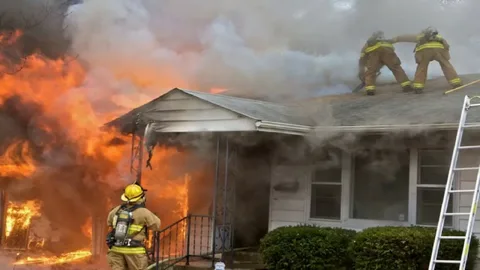
A house fire changes everything in minutes. Even a small fire — a kitchen flare-up, an electrical short in the wall, a dryer fire that gets caught quickly — leaves behind smoke, soot, and water damage from suppression efforts that affect far more of the home than the visible burn area. For most families, the day after a fire is the most disorienting they will ever experience.
Blythe, GA is a small community in Richmond County, and the homes here range from newer builds to older properties that have been in families for years. What they share is that a fire event in any of them creates a situation where what happens in the first 24 to 72 hours determines a lot about how much of the home can be saved, how quickly the family can return, and what the total recovery cost ends up being.
We work with Georgia homeowners through fire recovery situations regularly, and the families who come through it best are the ones who understand what professional fire damage restoration actually involves before they’re standing in a smoke-damaged house trying to make decisions. At Blount’s Disaster Restoration, we put together this guide to give you real, practical information — not generic advice — so you’re prepared if this situation ever touches your home.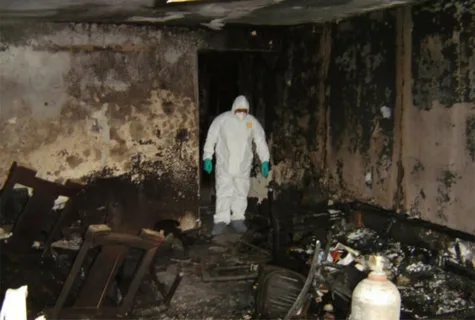
Why Fire Damage in Georgia Homes Is More Than What You Can See
The visible burn damage after a house fire is only part of the story. The hidden damage from smoke, soot, and water often affects more of the home than the fire itself did — and it progresses quickly if it isn’t addressed.
Smoke travels through the entire structure of a home during a fire. It moves through HVAC systems, under doors, into wall cavities, and up through ceiling penetrations to reach areas that never had direct flame contact. Soot — the black residue that smoke leaves behind — is acidic. Left on surfaces, it begins etching and staining within hours. On metal surfaces like appliances, fixtures, and structural fasteners, soot corrosion starts within days.
Water from fire suppression adds another layer of damage. Firefighters use significant amounts of water to control a fire, and that water saturates floors, walls, and structural framing just as thoroughly as any plumbing failure would. In the warm, humid conditions of a Georgia summer, wet materials left in a smoke-damaged structure can develop mold growth within 24 to 48 hours.
According to the National Fire Protection Association (NFPA), home fires cause an average of $7.9 billion in direct property damage annually in the United States. The secondary damage from smoke and water suppression often adds substantially to that figure when restoration is delayed or handled improperly.
Expert Fire damage restoration in Blythe GA that begins within the first 24 to 48 hours consistently produces better outcomes than restoration that starts days later. Every hour that smoke residue sits on surfaces, every hour that wet materials stay wet, adds to the overall scope of damage that needs to be addressed.
What Fire Damage Restoration Actually Involves
A lot of homeowners expect fire restoration to mean cleaning up and repainting. The actual process is considerably more thorough, and understanding it helps you evaluate whether a contractor is doing the job right.
The first step after a fire is an assessment of the full damage scope. A professional restoration contractor documents all affected areas — not just the burn zone — including smoke-affected rooms, soot deposits on surfaces, water damage from suppression, and any structural concerns. This assessment forms the basis of the restoration plan and the insurance documentation.
Emergency board-up and tarping is usually the next immediate step. After a fire, the structure may have broken windows, damaged roof sections, or breached walls that need to be secured against weather and unauthorized entry. This happens before deep cleaning or restoration work begins.
Water extraction and structural drying address the suppression water. The same professional-grade extraction and drying equipment used in water damage restoration is deployed to pull moisture out of floors, walls, and structural framing. This phase has to happen alongside the fire and smoke restoration work, not after it.
Soot and smoke residue removal is one of the most labor-intensive phases of fire restoration. Different surfaces require different cleaning methods — dry chemical sponges for certain walls, wet cleaning for others, ultrasonic cleaning for contents and electronics, ozone treatment or thermal fogging for odor penetration in structural materials. A contractor who uses a single cleaning method across all surfaces will not achieve a complete result.
Deodorization addresses the smoke odor that penetrates porous materials — insulation, framing, drywall, flooring, and even personal belongings. Professional deodorization goes beyond surface cleaning to address odor molecules trapped inside materials. Without this step, smoke odor returns after the home is rebuilt and reoccupied.
Reconstruction is the final phase — replacing damaged structural materials, drywall, flooring, cabinetry, and finishes to return the home to its pre-fire condition.
Types of Fire and Smoke Damage and How Each Is Treated
Not all fire damage is the same, and the type of fire and materials that burned affects the cleaning methods required. Here’s a practical breakdown:
| Damage Type | Common Cause | Residue Characteristics | Cleaning Approach |
| Dry smoke residue | Fast-burning, high-heat fires | Powdery, easier to clean | Dry chemical sponges, HEPA vacuuming |
| Wet smoke residue | Slow-burning, low-heat fires | Sticky, strong odor, smears easily | Specialized wet cleaning agents |
| Protein residue | Kitchen fires, food burning | Nearly invisible, very strong odor | Enzymatic cleaners, deodorization |
| Fuel oil soot | Furnace puffback | Heavy, oily black residue | Chemical cleaning, multiple passes |
| Combination residue | Mixed materials burning | Multiple residue types in same space | Multi-method approach |
Homeowners searching for the best emergency fire restoration in Blythe GA should know that the type of residue present directly affects how long the cleaning process takes and what it costs. A contractor who performs a proper pre-cleaning inspection and identifies the residue types present will give you a more accurate scope and a more complete result than one who starts cleaning without that assessment.
Fire damage restoration in Blythe GA performed by an experienced contractor uses the right method for each surface and residue type — not a one-size-fits-all approach that leaves odor and residue behind in less visible areas.
How Much Does Fire Damage Restoration Cost in Blythe GA
Cost ranges for fire restoration vary significantly based on the size of the fire, the materials burned, and how much of the home was affected by smoke, soot, and water.
A minor fire event — a contained kitchen fire with smoke damage limited to one or two rooms — typically runs between $3,000 and $8,000 for professional restoration. This covers cleaning, deodorization, content pack-out if needed, and minor reconstruction.
A moderate fire affecting a larger area of the home — a bedroom fire, a garage fire with smoke penetrating the house, or a fire that required substantial firefighting water — generally runs between $8,000 and $25,000 depending on the scope of damage and reconstruction needs.
A significant fire involving multiple rooms, structural damage, or roof penetration can run from $25,000 to $100,000 or more when full reconstruction is factored in. At this level, the restoration and reconstruction phases are substantial projects in their own right.
According to the Insurance Information Institute, fire and lightning damage represent the single most costly category of homeowner insurance claims by average payout, with mean claim amounts well above $70,000 for significant residential fires. For Blythe homeowners with fire coverage, thorough documentation of all damage — including secondary smoke and water damage — is the foundation of a fair insurance settlement.
One cost variable that surprises many families is content restoration. Personal belongings — furniture, clothing, electronics, documents, sentimental items — can often be restored rather than replaced if they’re addressed quickly by a restoration contractor with the right equipment. Content pack-out and restoration is a separate service that some restoration companies offer in-house. Asking about it early in the process can save a significant amount in replacement costs.
The First 48 Hours After a Fire: What to Do and What to Avoid
The decisions made in the first two days after a fire directly affect both what can be recovered and what the insurance process looks like. Here’s what matters most.
Do not re-enter the home until fire officials have confirmed it is structurally safe. Even after a fire is extinguished, structural damage, electrical hazards, and air quality concerns can make a home unsafe to occupy. Wait for the official all-clear before going back inside.
Document everything before any cleaning or removal begins. Take photos and video of every room, every damaged item, and every visible sign of smoke and soot throughout the home. This is your insurance documentation, and the more thorough it is, the stronger your claim position.
Contact your insurance company before any restoration work starts. Your insurer needs to be notified promptly after a fire, and most policies require you to take reasonable steps to prevent further damage — which includes emergency board-up and tarping. Keep receipts for any emergency expenses.
Call a professional restoration contractor as quickly as possible. The 24 to 48-hour window for addressing soot corrosion and suppression water is real. Most restoration companies offer emergency response for fire events specifically because timing matters so much. Getting a professional on-site quickly to assess the damage and begin stabilization work consistently produces better recovery outcomes.
Avoid trying to clean smoke or soot yourself before a professional assessment. Wiping soot with a dry cloth typically smears it deeper into surface pores and makes professional cleaning harder and more expensive. Let a restoration contractor assess the surfaces first.
How to Choose a Fire Restoration Contractor in Blythe GA
Georgia has no shortage of contractors after a fire event. Knowing what separates a professional operation from an opportunistic one protects you during a vulnerable time.
IICRC certification — specifically the Fire and Smoke Restoration Technician (FSRT) credential from the Institute of Inspection Cleaning and Restoration Certification — is the industry standard for fire restoration technicians. Ask any contractor you’re considering whether their technicians hold current IICRC FSRT certification. It indicates proper training in the methods and protocols that produce complete restoration results.
Full insurance documentation capability matters enormously for fire claims. A contractor who is experienced with insurance claims knows how to document damage scope, create detailed line-item estimates in the formats insurers use, and work with your adjuster throughout the process. This experience saves homeowners significant time and stress during the claims process.
Ask about their content restoration capabilities. A contractor who can pack out, clean, and restore personal belongings on-site or at a facility rather than advising you to replace everything provides more complete service and often saves money on the overall claim.
Verify licensing and insurance independently. Confirm general liability and workers’ compensation coverage are in place before work begins, and ask for certificates directly from the insurer.
Closing Thoughts
Fire damage restoration is one of the most demanding recovery situations a home can go through. The combination of burn damage, smoke penetration, soot corrosion, and suppression water creates a multi-layered problem that requires professional expertise, the right equipment, and a thorough process to address completely.
For any homeowner in Blythe who is dealing with fire damage right now or wants to understand what the recovery process looks like, the most important thing to know is that response speed matters. The faster a qualified restoration contractor is on-site, the more of the home and its contents can be saved.
Blount’s Disaster Restoration serves Blythe and the surrounding Richmond County area with professional fire damage restoration, including 24-hour emergency response. Call us today for an immediate assessment and a clear plan for getting your home and your family back to normal.
FAQs
How long does fire damage restoration take in Blythe GA? The timeline depends directly on the size and scope of the fire event. Emergency stabilization — board-up, tarping, and water extraction — typically happens within the first 24 hours. The cleaning and deodorization phase for a moderate fire affecting several rooms generally takes one to two weeks. Reconstruction — replacing drywall, flooring, cabinetry, and finishes — depends on the extent of the damage and can range from a few days for a minor repair to several months for a significant structural rebuild. Your contractor should give you a phased timeline estimate after the initial assessment, with realistic milestones for each phase. Insurance processing timelines can also affect the overall schedule, particularly for the reconstruction phase where final scope approval from the insurer may be needed before work begins.
Will my homeowner’s insurance cover fire damage restoration in Georgia? Standard homeowner’s insurance policies cover sudden and accidental fire damage, including the restoration and reconstruction costs up to your policy’s coverage limits. Most policies also cover additional living expenses if the home is uninhabitable during restoration — hotel costs, temporary rental, and food expenses above normal are typically reimbursable up to a daily or total limit. Contact your insurer immediately after a fire and ask specifically about your coverage limits, your deductible, and what documentation they need to process the claim. A restoration contractor experienced with fire insurance claims can prepare detailed damage documentation and estimates that align with what insurance adjusters need, which speeds up the approval process and reduces the back-and-forth that slows many claims down.
Can smoke-damaged belongings be restored after a fire? Many items that appear to be total losses after a fire can actually be restored with professional cleaning and treatment. Clothing and soft goods can often be cleaned with specialized processes that remove smoke odor at the fiber level rather than just masking it. Electronics can be assessed and cleaned by restoration specialists before being written off as damaged. Documents, photographs, and books can sometimes be stabilized and partially restored depending on the damage level. Furniture with smoke and soot contamination can often be cleaned and deodorized rather than replaced. The key is speed — the longer smoke residue and odor compounds sit in porous materials, the harder restoration becomes. Ask your contractor specifically about content pack-out and restoration services early in the process, before items are disposed of.
Is it safe to stay in a home with smoke damage while restoration is happening? In most cases, no. Smoke residue in the air and on surfaces contains combustion byproducts — carbon monoxide, volatile organic compounds, and particulate matter — that pose respiratory and health risks during the restoration process, particularly during aggressive cleaning when residues are being disturbed. HEPA air filtration equipment is typically running throughout the restoration to control air quality, but occupied living spaces during active restoration create both health risks and practical complications. Most insurance policies cover additional living expenses when the home is deemed uninhabitable, which covers temporary housing during the restoration period. Your contractor and your insurance adjuster can help you understand when it’s appropriate to return to the home as the project progresses.
What is the difference between fire restoration and fire reconstruction? Fire restoration refers to the mitigation and cleaning phase — stabilizing the structure, extracting water, removing soot and smoke residue, deodorizing affected materials, and addressing everything that can be cleaned and saved rather than replaced. Fire reconstruction is the rebuilding phase — replacing drywall, flooring, framing, roofing, cabinetry, and finishes that were too damaged to restore. Both phases are part of the overall recovery process. A full-service contractor handles both under one roof, which simplifies coordination, keeps the overall project timeline tighter, and avoids the handoff complications that come from using separate contractors for each phase. When getting estimates, ask whether the contractor handles both phases or only the restoration portion, and factor that into your comparison.