
Need mold restoration contractors in Augusta GA? Learn what mold remediation involves, what it costs, and how to find a contractor you can actually trust.
Mold is one of those problems that people put off dealing with longer than they should. It starts as a dark spot in the corner of a bathroom or a musty smell coming from a closet. It feels manageable — until it isn’t. By the time most Augusta homeowners call a professional, the mold has spread further than what’s visible, and the remediation scope is larger than it would have been if the call came a few weeks earlier.
Augusta, GA sits in the Central Savannah River Area, where hot summers, high humidity, and seasonal rainfall create conditions that mold genuinely likes. Add in the age of many homes in the Augusta area and the frequency of water damage events from summer storms and plumbing failures, and you have a region where mold growth in residential properties is a consistent and serious issue.
We work with Augusta homeowners on mold restoration projects regularly, and the pattern we see again and again is that early action saves both money and stress. At Blount’s Disaster Restoration, our goal with this guide is to give you the practical knowledge to understand what you’re dealing with, what professional remediation actually involves, and how to choose a contractor who will do the job right.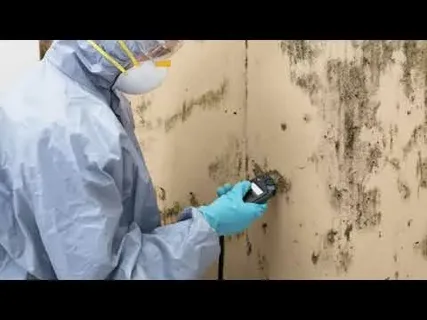
Why Mold Grows So Readily in Augusta Homes
Georgia’s climate is genuinely favorable to mold growth. Augusta averages over 46 inches of rain annually, and summer relative humidity regularly sits above 70%. When that outdoor humidity combines with indoor moisture sources — a slow plumbing leak, poor bathroom ventilation, a condensation problem around HVAC equipment, or water intrusion from a leaky roof — the conditions for mold growth are almost always present.
Mold doesn’t need much. It needs moisture, an organic material to feed on (drywall paper, wood framing, insulation), and temperatures above freezing. Augusta’s warm climate means the temperature requirement is almost never the limiting factor. Moisture is what controls whether mold grows, and moisture in walls and under flooring is something most homeowners don’t detect until it has been present long enough for visible growth to appear.
According to the Environmental Protection Agency, mold can begin growing on wet surfaces within 24 to 48 hours under favorable temperature and humidity conditions. For Augusta homeowners dealing with a water damage event — a burst pipe, an appliance leak, or storm water intrusion — that window is very short. Any water damage that isn’t fully dried within that period creates a meaningful risk of mold development in the affected materials.
The other factor Augusta homes deal with is the age of the housing stock. Older homes often have crawl spaces with poor vapor barriers, aging plumbing that develops slow leaks, and HVAC systems that create condensation in wall cavities. These are all moisture sources that can sustain mold growth for months or years before anyone notices the signs above grade.
What Mold Restoration Contractors Actually Do
Understanding the professional remediation process helps you evaluate whether a contractor is doing the job properly — and recognize when someone is cutting corners.
The process starts with a thorough assessment. A qualified mold restoration contractor inspects both the visible growth and the conditions that caused it. Identifying the moisture source is as important as addressing the mold itself — remediation without fixing the underlying moisture problem is temporary at best. Moisture meters and thermal imaging equipment help locate moisture inside wall assemblies that isn’t visible from the surface.
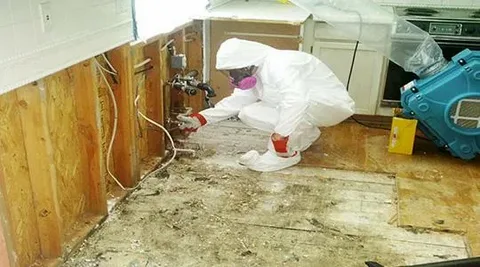
Containment comes next. Before any mold removal begins, the affected area is isolated from the rest of the home using plastic sheeting and negative air pressure systems. This prevents mold spores from spreading to unaffected areas during the disturbance of removal. A contractor who skips containment is allowing spores from the remediation area to contaminate clean parts of your home.
Physical removal of affected materials follows. Drywall, insulation, flooring, and any other porous materials with significant mold growth are removed and properly bagged for disposal. Non-porous surfaces — concrete, metal, solid wood framing — can typically be cleaned and treated with antimicrobial products rather than removed.
HEPA vacuuming and air scrubbing run throughout the process. Air scrubbers with HEPA filters capture airborne mold spores during remediation and continue running until the work is complete and the area has been cleared.
Post-remediation verification — sometimes called a clearance test — confirms that the remediation was successful before reconstruction begins. This testing is done by an independent third party, not the remediation contractor, and involves air sampling or surface sampling to confirm spore counts are within acceptable ranges.
Types of Mold Commonly Found in Augusta Homes
Not every mold situation looks the same, and the type and location of mold growth affects how remediation is approached. Here’s a practical overview:
| Mold Type | Common Location | Appearance | Health Concern Level |
| Cladosporium | HVAC ducts, window sills, carpet | Green, brown, or black spots | Moderate — respiratory irritant |
| Aspergillus | Wall cavities, insulation, damp wood | White, yellow, or green patches | Moderate to high depending on species |
| Stachybotrys (black mold) | Chronically wet drywall, subfloor | Dark black, slimy texture | High — requires full protective protocols |
| Penicillium | Insulation, wallpaper, carpeting | Blue-green with powdery texture | Moderate — spreads quickly |
| Chaetomium | Water-damaged drywall | White to gray, cotton-like | Moderate |
Homeowners searching for the best mold restoration near me in Augusta GA should know that the type of mold doesn’t change the fundamental need for professional remediation — it affects the protocols used and the personal protective equipment required during the work. Stachybotrys, commonly called black mold, gets significant media attention, but any mold growth in a residential environment warrants professional assessment and removal.
Expert Mold restoration contractors in Augusta GA who properly identify the mold type and the extent of the growth from the start design a more accurate remediation scope — which means fewer surprises in cost and timeline once work begins.
How Much Does Mold Restoration Cost in Augusta GA
Realistic cost expectations help you evaluate estimates and avoid both overpriced and suspiciously cheap bids.
A small, localized mold situation — surface growth in a bathroom, a small section of drywall in a laundry room — typically runs between $500 and $2,000 for professional remediation. This scope covers containment, removal of limited affected material, HEPA cleaning, and antimicrobial treatment.
A mid-range mold remediation project — growth in a wall cavity from an undetected plumbing leak, mold under flooring from a slow appliance leak, or a crawl space with vapor barrier failure — generally runs between $2,000 and $6,000. This range covers more material removal, more extensive containment, and potentially crawl space encapsulation work.
Large-scale remediation involving multiple rooms, structural framing, or widespread water damage that created conditions throughout the home can run $6,000 to $15,000 or more. At this scope, reconstruction costs after remediation add significantly to the total project cost.
According to the National Association of Home Builders, unaddressed moisture problems and mold growth are among the leading causes of structural deterioration in residential properties in the Southeast. Delaying remediation doesn’t save money — it increases the amount of material that needs to be removed and replaced and raises the risk of health effects for the home’s occupants.
One cost variable that Augusta homeowners sometimes overlook is the source repair. Finding and fixing the moisture source that allowed mold to grow — whether that’s a plumbing repair, a roof patch, crawl space vapor barrier installation, or HVAC servicing — is a separate cost from the remediation itself but is absolutely necessary for a lasting result. Remediation without source repair is a temporary fix.
Warning Signs Your Augusta Home Has a Mold Problem
Mold isn’t always visible, and waiting until you can see it clearly often means the problem is already well-established. Here’s what to pay attention to:
A persistent musty or earthy smell is one of the most reliable indicators of hidden mold growth. The odor comes from microbial volatile organic compounds that mold produces as it metabolizes organic material. If a room consistently smells musty even after cleaning and airing out, mold in the wall cavity or under the floor is a likely cause.
Unexplained respiratory symptoms — increased allergy symptoms, persistent coughing, eye irritation, or headaches that improve when you leave the house — can point to airborne mold spores. This is especially worth paying attention to in bedrooms and living spaces where people spend extended time.
Visible discoloration on walls, ceilings, or floors that reappears after cleaning is often mold rather than ordinary dirt. Paint bubbling or peeling in areas without obvious moisture exposure can indicate moisture behind the wall that’s promoting mold growth on the drywall paper.
Water stains that were never fully addressed are one of the most reliable predictors of hidden mold. A ceiling stain from a roof leak three years ago that was painted over but never professionally dried and treated very likely has mold growth in the attic insulation or ceiling framing above it.
Warping or soft spots in flooring, particularly in bathrooms, kitchens, and laundry rooms, often indicate prolonged moisture exposure underneath the floor surface — the exact conditions that support mold growth in the subfloor.
How to Choose a Mold Restoration Contractor in Augusta
Georgia doesn’t have a specific state license for mold remediation contractors, which means the quality range among people offering this service is wide. Knowing what to look for protects you.
IICRC certification in Applied Microbial Remediation (AMRT) is the industry standard credential for mold remediation professionals. The Institute of Inspection Cleaning and Restoration Certification sets the training and procedural standards that qualified technicians follow. Ask any contractor you’re considering whether their technicians hold current IICRC AMRT certification.
General liability insurance and workers’ compensation coverage are non-negotiable. Ask for certificates of insurance directly from the insurer — not a copy the contractor provides — and confirm coverage is current before work begins.
Independent post-remediation testing is a mark of a contractor confident in their work. A reputable mold restoration company will encourage clearance testing by a third party after remediation is complete. A contractor who discourages independent testing or claims it isn’t necessary is not giving you the assurance you need that the job was done correctly.
Ask specifically about their moisture source identification process. A contractor who is willing to remediate without identifying and addressing the moisture source that caused the growth is setting you up for a repeat problem within months. Any professional remediation should include a clear explanation of what caused the mold and what needs to be done to prevent recurrence.
Closing Thoughts
Mold restoration in Augusta is a project where the quality of the contractor and the thoroughness of the work genuinely determines whether the problem is solved or just temporarily addressed. The right contractor identifies the full scope of the problem, contains it properly, removes affected materials completely, and confirms the result with independent testing.
For any homeowner in Augusta who has noticed warning signs — a persistent musty smell, unexplained health symptoms, visible discoloration, or a history of water damage that wasn’t fully addressed — getting a professional assessment is the right next step. Early action consistently produces better outcomes and lower total costs than waiting for the situation to become impossible to ignore.
Blount’s Disaster Restoration serves Augusta and the surrounding Richmond County area with professional mold remediation and full disaster restoration services. Call us today for a free assessment and a clear plan for getting your home back to a safe and healthy condition.
Frequently Asked Questions
FAQs
How do I know if I need professional mold restoration or if I can handle it myself? The EPA recommends professional remediation for any mold growth covering more than 10 square feet — roughly a 3-by-3-foot area. For smaller surface mold on non-porous materials like tile grout or a bathroom ceiling, cleaning with an appropriate solution can be effective. The problem is that visible surface mold is often just the indicator of a larger hidden growth inside wall cavities, under flooring, or in insulation. If the mold is associated with any history of water damage, is accompanied by a musty odor throughout the room, or keeps coming back after surface cleaning, professional assessment is the right call. The cost of a professional assessment is far lower than the cost of discovering months later that a DIY cleanup didn’t address the full extent of the growth.
Does homeowner’s insurance cover mold restoration in Augusta GA? Mold coverage in homeowner’s insurance policies varies significantly. Most standard policies cover mold remediation when the mold resulted directly from a covered sudden water damage event — a burst pipe, storm damage, or an appliance failure. What policies typically exclude is mold that resulted from long-term neglect, gradual leaks, or flooding from external water sources, which requires separate flood insurance. Some policies include specific mold coverage limits that cap reimbursement even for covered events. Review your policy’s mold language carefully and contact your insurer before any remediation work begins. Keep thorough documentation — photos of all affected areas, written contractor assessments, and all invoices — throughout the process to support your claim.
How long does mold remediation take in an Augusta home? A straightforward mold remediation project covering one room typically takes two to four days — one to two days for the removal and treatment phase and one to two additional days for post-remediation drying and clearance testing. Larger projects involving multiple rooms or structural material removal can take one to two weeks. The timeline also depends on how quickly clearance test results come back from the laboratory, which typically takes two to three business days. Reconstruction work — replacing drywall, flooring, and insulation removed during remediation — happens after clearance is confirmed and is a separate phase with its own timeline depending on scope and material availability.
Can mold come back after professional remediation? Professional remediation removes the existing mold growth and treats surfaces to reduce the likelihood of regrowth. What remediation cannot do is prevent future mold if the moisture conditions that caused the original growth are not corrected. If the plumbing leak, roof issue, crawl space moisture problem, or ventilation deficiency that created the conditions for mold is not addressed as part of the overall project, mold will return. This is why source identification and source repair are non-negotiable parts of any lasting remediation. Ask your contractor to clearly explain what moisture source they identified as the cause and what needs to be done to eliminate it — not just to treat the mold that grew from it.
Is mold in a crawl space dangerous even if it’s not in the living areas? Yes. Crawl space mold is a serious concern for Augusta homes because the air in a crawl space doesn’t stay in the crawl space. The stack effect — where air moves upward through a home as warm air rises — pulls air from the crawl space up into the living areas through gaps in the subfloor, around plumbing penetrations, and through HVAC systems. Mold spores and the volatile organic compounds that mold produces travel with that air movement. Homeowners with mold in the crawl space often notice musty odors in first-floor rooms and increased allergy or respiratory symptoms without being able to identify an obvious source. Crawl space remediation typically includes mold removal from framing and floor joists, vapor barrier installation or replacement, and sometimes encapsulation to control ongoing moisture levels.

![[make-webp output image]](https://s5.ezgif.com/tmp/ezgif-5ce3db122b849442.webp)