
Need water damage restoration services in Martinez GA? Learn what restoration involves, realistic costs, warning signs, and how to choose the right contractor.
Water damage has a way of making itself known at the worst possible moment. A pipe lets go at two in the morning. You come home to a wet carpet after a hard afternoon rain. The washing machine hose that’s been quietly failing for months finally gives out while you’re at work. By the time most Martinez homeowners discover the problem, it’s already moved well past the point of a simple cleanup.
Martinez, GA sits in Columbia County along the Augusta metro, and the homes here range from well-established neighborhoods to newer developments that have grown with the area over the past decade. What they all have in common is that water damage can happen to any of them without warning — and in Georgia’s warm, humid climate, the consequences of delayed action compound quickly.
The families who come through water damage situations with the least disruption and the best outcomes are the ones who acted quickly and worked with a contractor who knew what they were doing. At Blount’s Disaster Restoration, we’ve worked with Martinez homeowners through water damage situations of every size, and we put this guide together to give you the practical knowledge to handle it well if it ever happens to you.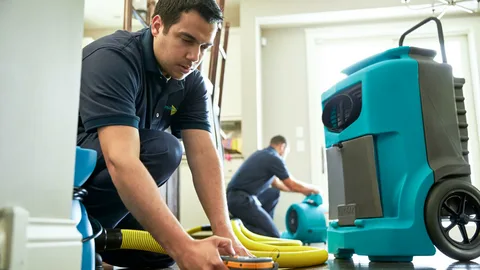
Why Georgia’s Climate Makes Water Damage Worse
Martinez sits in a part of Georgia that gets genuine weather. Columbia County averages around 44 inches of rain annually, and the summer months bring high humidity that keeps indoor moisture levels elevated even when there isn’t active water intrusion. That climate context matters a great deal for how water damage develops in residential properties here.
When water gets into a home — whether from a plumbing failure, a storm, an appliance leak, or a foundation issue — it doesn’t stop where it lands. Water follows gravity and moves along the path of least resistance through flooring, wall assemblies, and structural framing. In Georgia’s warm summer temperatures, wet organic materials create the ideal conditions for mold growth. The Environmental Protection Agency has documented that mold can begin developing on wet surfaces within 24 to 48 hours under favorable temperature and humidity conditions — and Martinez’s summer climate meets those conditions consistently from May through September.
The other factor that affects Martinez homes specifically is the age and construction style of many properties in the area. Older homes often have crawl spaces with inadequate vapor barriers, plumbing systems with aging supply and drain lines, and HVAC systems that can create condensation in wall cavities during humid months. Each of these is a potential slow water intrusion source that can remain undetected for extended periods before visible damage appears above grade.
Acting quickly when water damage is discovered — and choosing a contractor who understands the full scope of what needs to happen — is what separates a manageable recovery from a prolonged, expensive one.
How to Tell How Bad Water Damage Actually Is
One of the most common misunderstandings homeowners have is thinking they can accurately assess the extent of water damage by looking at what’s visible. Surface water and visible staining tell part of the story. What moisture meters and thermal imaging reveal inside walls and under floors tells the rest.
The Institute of Inspection Cleaning and Restoration Certification classifies water damage by class based on how far moisture has spread:
Class 1 damage is the least extensive — limited moisture absorption in one area, affecting materials with low porosity. This is the best-case scenario and typically the fastest to resolve.
Class 2 damage involves a full room with moisture absorbed into walls and floors. Carpet and cushion are typically affected. This is the most common class for appliance-related leaks caught within a day or two.
Class 3 damage means moisture has saturated walls, ceilings, and insulation — often the result of a pipe failure inside a wall or a roof leak that went undetected. This class requires the most equipment and the longest drying times.
Class 4 damage involves specialty drying situations — concrete, hardwood, plaster, or materials with very low permeance that require specific equipment and extended drying times.
A professional assessment that accurately identifies the class of damage from the start determines the right equipment plan, the realistic drying timeline, and the true scope of material removal needed. Getting that assessment right from day one is one of the most important things a water damage restoration contractor does.
What Professional Water Damage Restoration Involves
Here’s what a complete professional restoration looks like from start to finish — and what each phase is actually accomplishing.
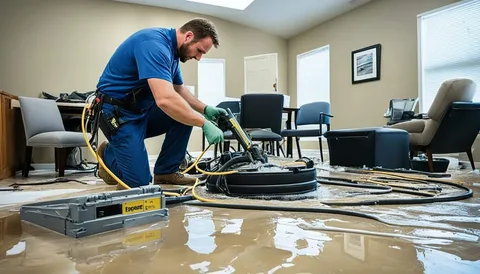
Emergency water extraction removes standing water and surface saturation from floors and affected materials using industrial-grade extractors. This phase happens first and reduces overall drying time significantly by removing the bulk of the moisture before structural drying begins.
Structural drying uses commercial air movers and dehumidifiers placed strategically throughout the affected areas to pull moisture from building materials — not just the air. This equipment runs continuously, typically for three to five days or longer depending on the class of damage and the materials involved. This is not something household fans and dehumidifiers can replicate. The capacity difference between consumer-grade and commercial equipment is substantial.
Daily moisture monitoring tracks readings in affected materials each day throughout the drying process. Drying is not complete when things feel dry to the touch — it’s complete when moisture meter readings in the affected materials reach target levels for that material type. A contractor who pulls equipment before those targets are reached leaves moisture in the structure that leads to mold growth and odor months later.
Material removal addresses drywall, flooring, insulation, and other porous materials that cannot be dried in place — either because the contamination level requires it or because moisture has penetrated too deeply. Clean cuts of drywall, professional removal of flooring, and documentation of everything removed supports the insurance claim and allows for accurate reconstruction scoping.
Antimicrobial treatment is applied to structural materials after drying to reduce the risk of mold growth in the period between drying completion and reconstruction.
Common Causes of Water Damage in Martinez Homes
Understanding the most frequent causes helps Martinez homeowners know what to watch for in their own properties.
| Cause | Risk Level in Martinez | Warning Signs | Prevention |
| Burst or leaking supply lines | High — aging plumbing in many homes | Water stains, low pressure, cabinet dampness | Annual plumbing inspection |
| Appliance failures (washer, dishwasher, ice maker) | High — common in all home ages | Puddles near appliances, slow drains | Replace hoses every 5 years |
| Roof leaks | Moderate to high — heavy summer storms | Ceiling stains, attic moisture | Annual roof inspection |
| HVAC condensation | Moderate — especially in humid months | Stains near vents, musty odors | Regular drain pan inspection |
| Crawl space moisture | High in older homes | Musty smell on first floor, soft flooring | Vapor barrier installation |
| Foundation seepage | Moderate | Wet basement walls, efflorescence | Grading and drainage improvements |
Homeowners looking for the best water restoration near me in Martinez GA should pay particular attention to appliance supply lines and crawl space moisture — two of the most common and most preventable water damage sources in the area.
Water damage restoration services in Martinez GA that include a full moisture assessment using professional equipment — not just a visual inspection — catch problems that surface-level checks miss and give homeowners an accurate picture of what needs to be done.
What Water Damage Restoration Costs in Martinez GA
Having realistic cost expectations helps you evaluate estimates fairly and recognize both overpriced and suspiciously cheap bids.
A minor water damage event — a small appliance leak caught quickly, affecting a limited section of flooring and drywall — typically runs between $1,500 and $4,000 for professional restoration including extraction, drying, and limited material removal.
A mid-range event — a washing machine overflow that saturated a laundry room and adjacent hallway, or a supply line failure that affected a bathroom and the subfloor below — generally runs between $4,000 and $10,000 depending on the extent of material removal and drying time required.
A significant event — a burst pipe inside a wall that went undetected for days, a roof leak that saturated insulation and ceiling framing across a room, or basement flooding — can run from $10,000 to $30,000 or more when structural material removal and reconstruction are factored in.
According to the Insurance Information Institute, water damage and freezing events represent nearly one in four homeowner insurance claims by dollar value in the United States. For Martinez homeowners with water damage coverage, thorough documentation from the first hour — photos, written contractor assessments, daily moisture logs — forms the foundation of a fair insurance settlement.
The National Roofing Contractors Association’s research on delayed repair costs shows that secondary damage from water intrusion that goes unaddressed multiplies total repair costs by two to four times over a single year. In practical terms for Martinez homeowners, a $2,500 repair addressed in week one becomes a $7,000 to $10,000 project if left for months. Calling a professional promptly is almost always the lower-cost decision.
How to Choose a Water Damage Restoration Contractor in Martinez
The quality range among contractors offering restoration services is wide. Knowing what to look for protects you from poor outcomes and unnecessary expense.
IICRC certification — specifically the Water Restoration Technician (WRT) credential from the Institute of Inspection Cleaning and Restoration Certification — is the professional standard for this work. Technicians who hold current IICRC WRT certification have been trained in the standards and procedures that produce complete, properly documented restoration results. Ask any contractor you’re considering whether their field technicians hold this certification.
Twenty-four hour emergency availability is a practical necessity for water damage response. A contractor who only operates during business hours cannot provide the response speed that water damage situations require. Ask specifically whether they offer genuine 24/7 emergency response with crews available — not just an answering service that calls back the next morning.
Insurance claim experience matters enormously. A contractor who has worked alongside adjusters, documents damage in the format insurers use, and understands how to submit supplemental claims when additional damage is found during restoration will get your claim processed faster and more accurately. Ask directly how many insurance claims they’ve handled in the past year.
Written documentation throughout the project — daily moisture logs, equipment placement records, material removal documentation, and a written drying report at completion — protects you in any insurance dispute and confirms the work was completed to professional standards.
Closing Thoughts
Water damage restoration is one of those situations where doing it right the first time matters more than almost any other home repair. Moisture that isn’t fully removed from a structure doesn’t just go away — it stays in the walls and floors, creating conditions for mold growth, structural deterioration, and persistent odor that are far more expensive to address after the fact than they would have been to prevent with a proper restoration from the start.
For any homeowner in Martinez who has discovered water damage — or noticed signs like musty odors, stained ceilings, soft flooring, or unexplained increases in humidity — the right move is getting a professional assessment quickly. Early action consistently produces better outcomes and lower total costs.
Blount’s Disaster Restoration serves Martinez and the surrounding Columbia County area with professional water damage restoration including 24-hour emergency response, full insurance documentation support, and thorough structural drying to professional standards. Call us today for a free assessment.
FAQs
How quickly do I need to call a water damage contractor in Martinez GA? Speed matters more in water damage than almost any other home repair situation. Within the first 24 hours, water continues to spread and absorb into building materials. Between 24 and 48 hours, mold development becomes a real risk in Georgia’s warm, humid climate — and once mold is established in wall cavities or under flooring, the restoration scope and cost increase substantially. Getting professional extraction equipment on-site within the first few hours of discovery limits how far water travels through the structure and reduces the total drying time needed. Most reputable restoration companies offer 24-hour emergency response specifically because response time has a direct, measurable effect on outcomes. If you discover significant water damage after hours, call immediately rather than waiting until the next business day.
Will my homeowner’s insurance cover water damage restoration in Georgia? Standard homeowner’s insurance policies in Georgia cover sudden and accidental water damage — a burst pipe, an appliance failure, or a roof leak caused by a covered storm event. What most policies exclude is gradual damage from a slow leak that was left unaddressed over time, damage from poor maintenance, or flooding from external sources like rising groundwater or overflowing rivers, which requires separate flood insurance. Contact your insurer promptly after discovering damage — most policies have reporting requirements — and document everything thoroughly before any cleanup or material removal begins. A restoration contractor with insurance claim experience can help make sure the scope of damage is properly documented for your adjuster and that any additional damage found during the restoration is submitted as a supplemental claim.
How long does water damage restoration take in Martinez GA? For a minor event with limited material absorption, extraction and drying typically complete within three to five days. Larger events with deeper moisture penetration into wall assemblies and structural framing can require five to ten days of continuous drying before materials reach target moisture levels. Reconstruction after drying — replacing drywall, flooring, and affected materials — adds additional time depending on scope. A straightforward single-room event can be fully restored within two to three weeks total. A larger event involving multiple rooms and structural material replacement can take four to eight weeks from first response to final walkthrough. Your contractor should give you a realistic timeline estimate after the initial assessment and update you promptly if anything changes during the project.
Can wet hardwood floors be saved after water damage? Hardwood floors can sometimes be saved after water damage, but the outcome depends on several factors: how long the floor was exposed to water, the type of finish on the wood, whether the subfloor below is also wet, and whether the wood has already begun to cup or buckle. Solid hardwood has more potential for successful drying and refinishing than engineered hardwood, which tends to delaminate when moisture reaches the core. A professional restoration contractor will assess the floor’s condition, place drying equipment specifically to address the wood, and monitor moisture levels daily to track progress. If the wood has been wet for more than 48 hours or has already developed significant cupping or buckling, replacement is often the more cost-effective path — but a professional assessment gives you a clear picture of which approach makes sense for your specific situation.
What is the difference between water mitigation and water restoration? These terms describe two distinct phases of the recovery process. Water mitigation is the emergency response — stopping the source of water, extracting standing water, removing materials that cannot be dried in place, setting up drying equipment, and stabilizing the structure to prevent further damage. The goal of mitigation is to stop the situation from getting worse. Water restoration is everything that brings the home back to normal after mitigation is complete — replacing drywall, flooring, cabinetry, and any other materials that were removed, and restoring the home to its pre-damage condition. Some contractors handle only mitigation and refer the reconstruction phase to separate companies. Others, like full-service restoration companies, handle both phases under one roof, which simplifies coordination and typically produces a faster overall timeline for the homeowner.