
Tag Archives: Water Restoration near me

Water Restoration

Reliable Water Restoration Contractors in Evans, GA

Water damage can happen without warning and quickly affect floors, walls, ceilings, cabinets, insulation, and other parts of a property. A burst pipe, overflowing appliance, plumbing failure, roof leak, storm, or flooding event can leave behind moisture that continues causing problems even after visible water has been removed.

For property owners searching for dependable water restoration contractors in Evans, GA, Blount’s Disaster Restoration provides professional water damage cleanup and restoration services for residential and commercial properties. Prompt professional assistance can help identify affected areas, remove excess water, dry building materials, and determine what repairs may be necessary.

Why Professional Water Restoration Matters

Water can move farther than expected once it enters a building. Moisture may travel underneath flooring, inside walls, beneath cabinets, or into insulation and structural materials. Areas that appear dry on the surface may still contain hidden moisture.

Professional water damage restoration in Evans, GA focuses on more than visible cleanup. Restoration professionals assess the affected property, identify moisture, remove standing water, and dry materials before permanent repairs are completed.

Acting quickly can also help property owners better understand the extent of the damage and determine which materials may be restored instead of unnecessarily replacing everything.

Emergency Water Extraction

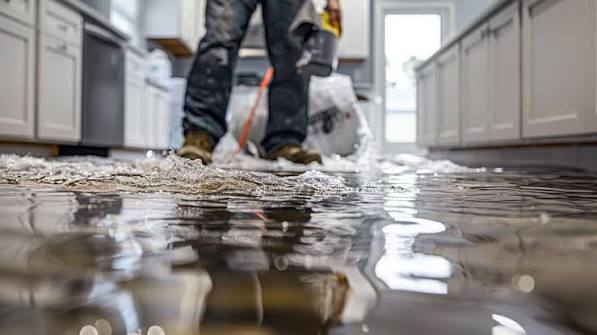
Standing water should be removed as soon as possible after a significant water intrusion. The longer water remains on floors and other materials, the greater the potential for deterioration.

Emergency water extraction in Evans, GA can help remove accumulated water from affected areas and prepare the property for the drying process.

Professional restoration equipment can be used according to the amount of water and the materials involved. Technicians can also evaluate areas where water may have traveled beyond the visibly affected space.

Removing standing water is only the beginning. Flooring, walls, subfloors, and other materials may continue holding moisture after extraction, making thorough drying essential.

Structural Drying Services

After excess water has been removed, affected building materials need to be properly dried. Structural drying can involve floors, walls, framing, subfloors, ceilings, and other areas exposed to moisture.

Professional structural drying services in Grovetown, GA can help address moisture that remains after water extraction.

The drying process depends on the type of building materials, the amount of water involved, the affected areas, and the source of the damage.

Proper drying is especially important before reconstruction begins. Installing new flooring, drywall, or other materials over areas that remain excessively damp can create additional problems later.

What Affects Water Restoration Costs?

The cost of water restoration varies from one property to another. A small localized leak generally requires a different scope of work than widespread flooding.

Factors that may affect the project include:

  • Size of the affected area
  • Amount of standing water
  • Source of the water
  • Duration of exposure
  • Type of flooring
  • Drywall condition
  • Subfloor damage
  • Structural concerns
  • Required demolition
  • Drying requirements
  • Reconstruction needs

A professional inspection can provide a better understanding of the work required and help establish an appropriate restoration plan.

Why Choose Experienced Restoration Contractors?

Water restoration involves more than removing visible water. Proper assessment, extraction, drying, cleaning, and reconstruction all contribute to the final result.

When comparing water restoration contractors in Evans, GA, property owners should consider experience, response capabilities, range of services, communication, and the contractor’s ability to handle both restoration and necessary repairs.

Blount’s Disaster Restoration provides restoration services for residential and commercial properties and can assist property owners dealing with water-related damage.

Choosing a professional restoration company can make the recovery process more organized and help ensure important moisture-related issues are not overlooked.

How to Reduce the Risk of Water Damage

Although not every water emergency can be prevented, routine property maintenance can help reduce certain risks.

Homeowners can:

  • Inspect plumbing connections regularly
  • Check appliances for leaks
  • Maintain gutters and downspouts
  • Inspect the roof for damage
  • Know where the main water shutoff is located
  • Address plumbing leaks promptly
  • Monitor areas around water heaters
  • Check basements and crawl spaces for moisture
  • Maintain proper drainage around the property

Early attention to small leaks can sometimes prevent more extensive damage.

Get Professional Water Restoration Help in Evans, GA

Water damage can quickly turn into a larger property problem when moisture is left untreated. Professional restoration helps property owners move from emergency cleanup toward a complete recovery.

If your home or business has experienced flooding, a burst pipe, appliance leak, storm damage, or another water-related emergency, Blount’s Disaster Restoration can provide professional water damage cleanup and restoration services.

Prompt action can help limit the spread of moisture, protect affected materials, and provide a clearer path toward restoring your property.

Conclusion

Water damage can affect much more than what is immediately visible. Moisture may spread beneath flooring, behind walls, and into structural materials, making professional assessment and drying important parts of the restoration process.

For property owners searching for reliable water restoration contractors in Evans, GA, Blount’s Disaster Restoration provides water extraction, structural drying, cleanup, and restoration solutions for residential and commercial properties. Whether the damage comes from plumbing problems, flooding, storms, or appliance leaks, professional restoration can help return the property to a cleaner, safer, and more functional condition.

Frequently Asked Questions

What do water restoration contractors do?

Water restoration contractors assess water damage, remove standing water, identify affected materials, dry the property, clean damaged areas, and coordinate repairs or reconstruction when necessary.

How quickly should water damage be addressed?

Water damage should be addressed as soon as possible. Prompt extraction and drying can help limit moisture exposure and reduce the possibility of additional damage.

Can water damage exist behind walls?

Yes. Water can travel into wall cavities, insulation, flooring systems, and other concealed areas. Professional moisture evaluation can help identify areas that may not be visible.

Does every water-damaged material need to be replaced?

No. Some materials may be cleaned and dried successfully, while others may be too damaged to restore. The appropriate decision depends on the material, extent of damage, and condition after drying.

Can water restoration include reconstruction?

Yes. Depending on the contractor and project, restoration services may include repairs or reconstruction such as drywall, flooring, trim, and subfloor replacement.
Water Restoration

Water Restoration Contractors in Evans, GA

Water damage can spread quickly through flooring, drywall, insulation, cabinets, and other building materials. A leaking appliance, plumbing failure, overflowing fixture, storm-related intrusion, or damaged supply line can leave behind moisture that is not always visible at the surface. Working with experienced water restoration contractors in Evans, GA can help property owners respond quickly, remove standing water, dry affected materials, and reduce the chance of additional damage. Blount Disaster provides restoration support for homeowners and businesses dealing with unexpected water-related property damage. A professional response focuses not only on removing visible water but also on locating hidden moisture and creating an organized plan for drying and recovery.

Why Fast Water Damage Response Matters

Water rarely stays in one place after entering a building. It can move beneath flooring, soak into drywall, reach wall cavities, and affect materials several feet away from the original source.

The longer moisture remains, the more difficult restoration may become. Wood can swell, drywall may weaken, flooring can separate, and damp materials may develop odors or other moisture-related problems.

Professional water damage restoration in Evans, GA begins with identifying affected areas and controlling the source whenever possible. Once the immediate problem is addressed, technicians can focus on extracting water and beginning the drying process.

Quick action can help limit the amount of material that needs to be removed or replaced.

Emergency Water Removal

Standing water should be removed as soon as practical. Depending on the amount of water and the affected area, professional extraction equipment may be used to remove water from floors, carpets, and other accessible surfaces.

Common causes of water emergencies include:

  • Burst or leaking pipes
  • Broken appliance supply lines
  • Overflowing sinks or bathtubs
  • Water heater leaks
  • Dishwasher failures
  • Washing machine leaks
  • Roof or storm intrusion
  • Plumbing fixture failures
  • Drain backups
  • HVAC-related moisture problems

Professional emergency water removal in Grovetown, GA helps reduce the amount of time building materials remain saturated.

Extraction is only one stage of restoration. Moisture can remain behind walls, beneath flooring, and inside porous materials after visible water has been removed.

Structural Drying and Moisture Control

A room may look dry while hidden materials still contain significant moisture. For this reason, restoration work should include moisture evaluation rather than relying only on visual inspection.

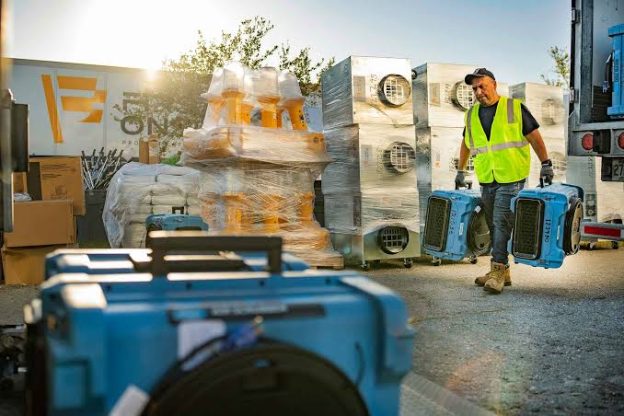
Drying equipment may be positioned strategically to move air through the affected area and reduce moisture levels. Dehumidification can also help remove water vapor from the indoor environment.

Professional structural drying in Evans, GA may involve repeated moisture checks throughout the drying process. These readings help determine whether walls, floors, framing, and other materials are returning to acceptable moisture levels.

The amount of equipment and drying time required depends on how much water entered the property, how long it remained, and which materials were affected.

Water Damage in Walls and Flooring

Water can travel beneath finished surfaces and create damage that is difficult to notice immediately.

Drywall may absorb moisture upward from the floor, while water beneath laminate, hardwood, or other flooring can become trapped and contribute to swelling or separation. Cabinets and baseboards can also absorb moisture where they contact wet flooring.

During professional water restoration, affected materials should be evaluated individually. Some may be suitable for drying, while severely damaged or contaminated materials may require removal.

Making these decisions based on actual moisture conditions can help avoid unnecessary demolition while ensuring compromised materials are not simply covered up.

Residential Water Damage Restoration

A water emergency in a home can interrupt normal routines and affect bedrooms, kitchens, bathrooms, basements, laundry areas, and living spaces.

Residential restoration should focus on making the property safe and usable while protecting materials that can reasonably be saved.

Homeowners may need assistance with:

  • Water extraction
  • Moisture detection
  • Carpet and flooring evaluation
  • Drywall drying
  • Cabinet moisture assessment
  • Structural drying
  • Cleanup
  • Odor control
  • Damaged material removal
  • Restoration planning

Professional residential water restoration in Evans, GA provides a structured approach so homeowners can understand what areas were affected and what steps may be necessary for recovery.

Commercial Water Restoration

Water damage can also create significant disruption for offices, retail properties, warehouses, rental buildings, and other commercial spaces.

A leak may affect work areas, inventory, flooring, walls, equipment, and customer access. Reducing downtime is often an important consideration during commercial restoration.

A professional response may involve isolating affected areas, removing water, setting up drying equipment, monitoring moisture levels, and coordinating restoration activities around ongoing business needs where possible.

Commercial properties can vary significantly in construction and layout, so the restoration plan should reflect the building’s specific conditions rather than using the same approach for every project.

Preventing Secondary Damage

One of the main goals of professional restoration is preventing a manageable water problem from becoming a much larger repair project.

Moisture left inside walls, beneath floors, or around cabinets may continue affecting materials even after standing water is gone.

Property owners should avoid assuming the area is fully dry simply because surfaces no longer feel wet. Moisture detection tools can help identify areas that require additional drying or closer inspection.

Prompt action, proper extraction, controlled drying, and ongoing monitoring work together to reduce the likelihood of hidden moisture continuing to damage the property.

What Happens During Water Restoration?

The exact process depends on the source and severity of the water damage, but restoration commonly begins with an inspection of the affected property.

The source of the water should be stopped or controlled when possible. Technicians then identify affected materials and determine how far moisture has traveled.

Standing water is extracted, and damaged materials may be removed when necessary. Air-moving and dehumidification equipment can then be installed to encourage controlled drying.

Moisture levels are monitored during the process. Once the structure reaches appropriate conditions, cleanup and repair planning can begin.

A methodical process helps ensure important areas are not overlooked during recovery.

Choosing a Water Restoration Contractor

When searching for water restoration contractors near me in Evans, GA, homeowners should consider response capability, restoration experience, communication, drying methods, and how moisture conditions are documented.

Ask how the company identifies hidden water, what equipment may be used, and how technicians determine when drying is complete.

It is also helpful to understand which services are included in the initial restoration work and which repairs may be handled separately.

Clear communication can make an unexpected water emergency easier to manage, particularly when several rooms or building materials are involved.

Conclusion

Water damage can quickly affect areas far beyond the visible leak. Professional restoration can help property owners identify the full extent of the problem, remove excess water, dry affected materials, and develop an appropriate recovery plan.

If you need water restoration contractors in Evans, GA, contact Blount Disaster to discuss the condition of your home or business. Prompt water removal, moisture monitoring, and structural drying can help limit further deterioration and move the property toward a cleaner, safer, and more usable condition.

FAQs

What should I do immediately after discovering water damage?

If it is safe to do so, stop the water source and avoid using electrical equipment in wet areas. Contact a professional restoration contractor so the affected areas can be inspected and drying can begin.

How long does water damage restoration take?

The timeline depends on the amount of water, affected materials, building conditions, and drying requirements. Some areas may dry relatively quickly, while larger or more complex losses can require additional time.

Can water behind walls be detected?

Professional moisture meters and other inspection methods can help identify elevated moisture inside or behind building materials that may not appear visibly wet.

Does all wet drywall need to be replaced?

Not always. Whether drywall can be dried or should be removed depends on the type of water exposure, saturation level, duration, condition, and other project-specific factors.

Can water-damaged flooring be saved?

Some flooring may be recoverable if water is removed quickly and the material responds well to drying. Severely swollen, delaminated, contaminated, or deteriorated flooring may require replacement.