
Category Archives: Emergency Restoration Services

Water Restoration Contractors

Water Restoration Contractors in Grovetown, GA

Find water restoration contractors in Grovetown GA for water damage restoration planning, cleanup steps, and emergency solutions for affected properties.

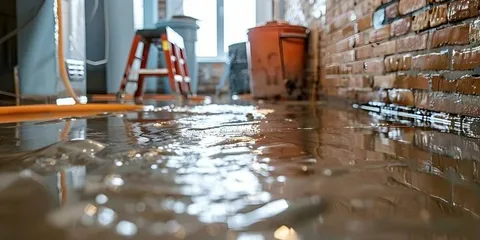
Water damage can affect homes and businesses quickly, creating problems with flooring, walls, furniture, and indoor air quality. Quick action and proper planning help reduce further damage and restore affected areas more effectively. Blount Desister helps property owners understand the restoration process, damage assessment, and important steps involved after water-related issues. Many homeowners searching for water restoration contractors want to learn how restoration works, what causes water damage, and how professionals approach cleanup and repairs.

Water restoration involves more than removing standing water. A proper restoration process includes identifying the source of the issue, drying affected areas, checking moisture levels, cleaning damaged materials, and preventing future problems.

For property owners in Grovetown, GA and Hephzibah, GA, understanding water damage restoration methods, emergency response steps, and common mistakes can help protect their properties and make informed decisions.

Why Water Damage Restoration Is Important

Water damage can affect different parts of a property depending on the amount of water, exposure time, and affected materials. Even small leaks can create larger problems if they are not handled properly.

Professional restoration planning can help address:

  • Water removal needs
  • Moisture control
  • Damaged materials
  • Structural concerns
  • Cleaning requirements
  • Future prevention steps

A timely response helps property owners understand the condition of their space and determine the right restoration approach.

Understanding Water Restoration Contractors

How Water Restoration Contractors Handle Property Recovery

Water restoration contractors in Grovetown, GA evaluate the affected property to understand the extent of damage and create an appropriate restoration plan.

The process usually includes:

  • Inspecting affected areas
  • Identifying moisture sources
  • Removing standing water
  • Drying damaged spaces
  • Cleaning affected materials
  • Reviewing restoration needs

A detailed evaluation helps determine which areas require attention and what steps are needed to restore the property.

Common Causes of Water Damage

Water problems can happen for many reasons. Understanding the source helps property owners respond correctly.

Common causes include:

Plumbing Issues

Broken pipes, leaking fixtures, and plumbing failures can release water into walls, floors, and other areas.

Storm-Related Damage

Heavy rain, flooding, and severe weather can introduce large amounts of water into properties.

Appliance Leaks

Washing machines, water heaters, and other appliances can create unexpected water issues when they fail.

Roof and Structural Problems

Roof leaks and exterior damage can allow moisture to enter the property.

Identifying the cause is an important step before completing repairs.

The Water Damage Restoration Process

Initial Property Assessment

The first step involves reviewing the affected areas and determining the level of damage.

Professionals may check:

  • Water source
  • Moisture levels
  • Damaged materials
  • Affected rooms
  • Possible safety concerns

Water Removal and Drying

Removing excess water helps begin the recovery process.

The drying stage may involve:

  • Water extraction equipment
  • Air movement systems
  • Moisture monitoring
  • Drying affected surfaces

Proper drying helps reduce the risk of ongoing moisture problems.

Cleaning and Restoration

After drying, affected areas may require cleaning and repairs.

This stage can include:

  • Cleaning surfaces
  • Addressing damaged materials
  • Restoring affected areas
  • Reviewing final conditions

Choosing Emergency Water Damage Cleanup Services

Many property owners search for emergency water damage cleanup in Hephzibah, GA when unexpected water problems require immediate attention.

Emergency cleanup typically focuses on:

  • Reducing active water issues
  • Protecting unaffected areas
  • Removing moisture
  • Beginning the restoration process quickly

A proper response depends on the type of damage, property condition, and amount of water involved.

Comparing Water Damage Response Options

Response Option Benefits Considerations
Professional Restoration Includes assessment, drying, and cleanup steps Requires proper planning
DIY Water Removal May help with minor issues May miss hidden moisture problems
Emergency Cleanup Services Provides faster response for urgent situations Damage level affects the process
Basic Cleaning Helps with surface issues Does not address deeper moisture concerns

The right option depends on the severity of the damage and the condition of the property.

Common Water Damage Restoration Mistakes

Waiting Too Long to Address Water Issues

Delays can allow moisture to spread and affect more areas of the property.

Focusing Only on Visible Water

Water can move behind walls, under flooring, or into hidden spaces.

Ignoring Moisture Testing

Without proper checks, remaining moisture may go unnoticed.

Cleaning Without Identifying the Source

The original cause should be addressed to reduce future problems.

Replacing Materials Too Quickly

Damaged areas should be properly evaluated before repairs begin.

Best Practices After Water Damage

Property owners can improve the recovery process by:

  • Turning off water sources when possible
  • Protecting valuable items
  • Documenting affected areas
  • Improving ventilation
  • Monitoring moisture concerns
  • Addressing issues quickly

Good preparation helps reduce confusion during the restoration process.

Actionable Tips Before Water Restoration Begins

Before restoration work starts, property owners should:

  • Identify where water entered the property
  • Move valuable items away from affected areas
  • Avoid electrical hazards near water
  • Document visible damage
  • Contact qualified restoration professionals

Taking early steps can help protect the property and support a smoother restoration process.

Factors That Affect Water Restoration Results

Several factors influence how effectively a property can be restored:

  • Amount of water damage
  • Source of the water
  • Response time
  • Affected materials
  • Drying methods
  • Property conditions
  • Cleaning requirements
  • Maintenance after restoration

Each situation requires an approach based on the specific damage and property needs.

Conclusion

Water damage requires careful evaluation, proper drying methods, and organized restoration planning. Water restoration contractors help property owners understand the steps needed to address moisture problems, cleanup requirements, and recovery decisions.

For homeowners in Grovetown, GA and Hephzibah, GA, understanding water damage restoration and choosing reliable emergency water damage cleanup in Hephzibah, GA options can support better restoration planning. Blount Desister helps property owners approach water-related issues with attention to assessment, cleanup details, and long-term property protection.

FAQ

What do water restoration contractors do?

Water restoration contractors assess damage, remove water, dry affected areas, clean materials, and support property recovery.

How quickly should water damage be addressed?

Water damage should be evaluated as soon as possible because delays may allow moisture problems to increase.

What does water damage restoration include?

Water damage restoration may include inspection, water removal, drying, cleaning, repairs, and prevention planning.

When should I consider emergency water damage cleanup?

Emergency cleanup may be needed when a property experiences sudden flooding, major leaks, or significant water exposure.

How do I choose water restoration contractors?

Property owners should consider experience, restoration methods, communication, and the ability to evaluate different types of water damage.
Water Restoration Contractors

Reliable Water Restoration Contractors in Beech Island, SC

Learn how water restoration contractors address water damage, drying, cleanup, and moisture concerns with practical restoration tips for Beech Island and Gibson.

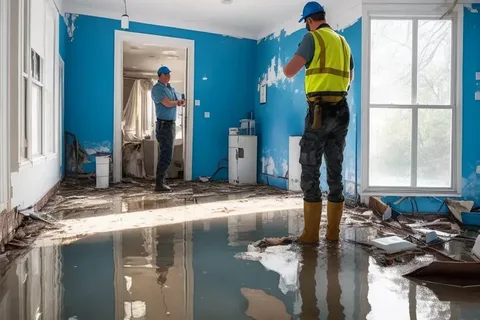
Water damage can develop quickly after a burst pipe, plumbing failure, appliance leak, storm, or other unexpected event. Standing water can affect flooring, walls, ceilings, insulation, and personal belongings if homeowners do not address it promptly. Blount Desister helps property owners understand the practical steps involved in water damage restoration. People researching water restoration contractors often need to know what happens after water enters a property, how drying works, and when professional restoration may be necessary.

Water restoration involves more than removing visible water. Moisture can remain beneath flooring, behind walls, or inside other building materials. A proper response should identify affected areas, remove water, dry the structure, and address damaged materials.

For homeowners and property owners in Beech Island, SC and Gibson, GA, understanding water mitigation, emergency response, drying, cleanup, and restoration can help them respond more effectively when water damage occurs.

Why Water Damage Requires Prompt Attention

Water can spread beyond the area where a leak first appears. Flooring can absorb moisture, while walls and other porous materials may retain water after the surface looks dry.

Common concerns include:

  • Wet flooring
  • Damaged drywall
  • Moisture inside cabinets
  • Saturated insulation
  • Damaged baseboards
  • Persistent odors
  • Mold growth conditions
  • Damage to personal belongings

The longer moisture remains, the more difficult the restoration process may become.

Understanding Water Restoration Contractors

How Water Restoration Contractors Address Property Damage

Water restoration contractors in Beech Island, SC typically assess the affected property before deciding how to approach cleanup and restoration.

A restoration process may include:

Initial Assessment

The affected areas need to be identified first. The source of the water, the amount of water, and the materials exposed can all influence the restoration plan.

An assessment may examine:

  • Flooring
  • Walls and ceilings
  • Cabinets
  • Insulation
  • Structural areas
  • Personal belongings
  • Visible and hidden moisture

Water Removal

Standing water should be removed using appropriate equipment and methods. The goal is to reduce the amount of moisture remaining inside the affected area.

Drying and Dehumidification

Removing visible water does not necessarily mean the property is dry. Air movement and dehumidification can help reduce remaining moisture in affected materials.

Cleaning

Water damage can leave behind dirt, debris, or contaminants. Cleaning requirements depend on the source and condition of the water.

Restoration

The final stage focuses on returning affected areas to an appropriate condition. This may involve repairing or replacing damaged materials depending on their condition.

Water Mitigation Services

Water mitigation services in Gibson, GA focus on reducing the spread and impact of water damage. Mitigation differs from full restoration because its immediate goal involves controlling the damage and limiting additional problems.

Mitigation may include:

  • Removing standing water
  • Moving unaffected belongings
  • Drying wet materials
  • Controlling moisture
  • Removing materials that cannot be restored
  • Monitoring affected areas

Prompt mitigation can help reduce the extent of damage while the property moves toward restoration.

Emergency Water Mitigation After a Water Event

Some water problems require immediate attention. Emergency water mitigation can be important when a significant leak, flooding event, or plumbing failure leaves water inside a property.

Homeowners should first focus on safety.

If possible and safe to do so:

  1. Stop the water source.
  2. Keep people away from electrical hazards.
  3. Move unaffected belongings away from wet areas.
  4. Document visible damage.
  5. Contact the appropriate restoration professionals.
  6. Follow instructions from utility or emergency personnel when necessary.

Do not enter areas where electrical systems may have contacted standing water.

Common Causes of Water Damage

Water damage can result from many sources.

Plumbing Failures

Burst pipes, leaking supply lines, and failed plumbing connections can release significant amounts of water.

Appliance Leaks

Washing machines, water heaters, refrigerators, and other appliances can develop leaks that affect nearby flooring and walls.

Roof and Exterior Leaks

Heavy rain or damaged exterior components can allow water to enter through roofs, windows, or other openings.

Storm and Flood Events

Severe weather can introduce water into homes and buildings through exterior openings, drainage problems, or flooding.

Common Water Restoration Mistakes

Waiting Too Long

Delaying cleanup can allow moisture to spread into additional materials.

Drying Only the Visible Surface

A floor may appear dry while moisture remains underneath or nearby.

Ignoring Hidden Moisture

Walls, cabinets, insulation, and subflooring can retain moisture after surface water disappears.

Using Household Fans Alone

Fans can help move air, but serious water damage may require a more controlled drying approach.

Covering Damaged Materials Too Soon

Painting or closing up a damp area can trap moisture and make later problems harder to identify.

Best Practices After Water Damage

Homeowners can take several practical steps after a water event:

  • Address the water source quickly
  • Prioritize electrical and structural safety
  • Document visible damage
  • Remove standing water when safe
  • Increase appropriate airflow
  • Monitor moisture in affected areas
  • Avoid disturbing potentially contaminated water
  • Follow insurance documentation requirements when applicable

The appropriate response depends on the source, amount, and extent of the water damage.

Actionable Tips for Homeowners

Before restoration work begins, homeowners can:

  • Photography affected rooms and materials.
  • Make a list of damaged belongings.
  • Identify where the water originated.
  • Note when the problem occurred.
  • Keep unaffected areas separated from wet areas.
  • Avoid walking through potentially contaminated water.
  • Ask which materials can be restored and which may require replacement.

Clear documentation can help homeowners understand the scope of the problem.

Factors That Affect Water Restoration

Several factors influence the restoration process:

  • Source of water
  • Amount of water
  • Duration of exposure
  • Type of affected materials
  • Property layout
  • Moisture levels
  • Extent of damage
  • Accessibility of affected areas

A small supply-line leak may require a very different response from widespread flooding.

Conclusion

Water damage requires careful attention because moisture can move into materials and areas that are not immediately visible. Water restoration contractors can address the process through assessment, water removal, drying, cleaning, and restoration based on the condition of the property.

For properties in Beech Island, SC and Gibson, GA, understanding water mitigation services and emergency water mitigation can help homeowners respond more effectively when unexpected water damage occurs. Blount Desister helps property owners approach restoration with practical attention to moisture control, affected materials, cleanup, and the steps needed to restore impacted areas.

FAQ

What do water restoration contractors do?

Water restoration contractors assess water damage, remove standing water, dry affected areas, clean materials, and address damaged portions of a property as appropriate.

What are water mitigation services?

Water mitigation services focus on limiting the spread and impact of water damage through actions such as water removal, drying, moisture control, and removal of materials that cannot be restored.

When is emergency water mitigation needed?

Emergency water mitigation may be needed after major leaks, flooding, burst pipes, or other events that introduce significant amounts of water into a property.

How long does water damage take to dry?

Drying time varies according to the amount of water, affected materials, airflow, humidity, temperature, and the extent of the damage.

Should I repair water-damaged drywall immediately?

Not always. First determine whether the drywall has dried adequately and whether the material remains structurally sound. Severely damaged or contaminated materials may require removal and replacement.