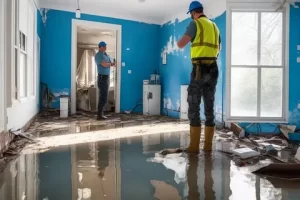
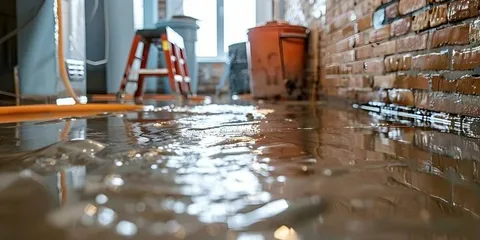
Find water restoration contractors in Grovetown GA for water damage restoration planning, cleanup steps, and emergency solutions for affected properties.
Water damage can affect homes and businesses quickly, creating problems with flooring, walls, furniture, and indoor air quality. Quick action and proper planning help reduce further damage and restore affected areas more effectively. Blount Desister helps property owners understand the restoration process, damage assessment, and important steps involved after water-related issues. Many homeowners searching for water restoration contractors want to learn how restoration works, what causes water damage, and how professionals approach cleanup and repairs.
Water restoration involves more than removing standing water. A proper restoration process includes identifying the source of the issue, drying affected areas, checking moisture levels, cleaning damaged materials, and preventing future problems.
For property owners in Grovetown, GA and Hephzibah, GA, understanding water damage restoration methods, emergency response steps, and common mistakes can help protect their properties and make informed decisions.
Why Water Damage Restoration Is Important
Water damage can affect different parts of a property depending on the amount of water, exposure time, and affected materials. Even small leaks can create larger problems if they are not handled properly.
Professional restoration planning can help address:
- Water removal needs
- Moisture control
- Damaged materials
- Structural concerns
- Cleaning requirements
- Future prevention steps
A timely response helps property owners understand the condition of their space and determine the right restoration approach.
Understanding Water Restoration Contractors
How Water Restoration Contractors Handle Property Recovery
Water restoration contractors in Grovetown, GA evaluate the affected property to understand the extent of damage and create an appropriate restoration plan.
The process usually includes:
- Inspecting affected areas
- Identifying moisture sources
- Removing standing water
- Drying damaged spaces
- Cleaning affected materials
- Reviewing restoration needs
A detailed evaluation helps determine which areas require attention and what steps are needed to restore the property.
Common Causes of Water Damage
Water problems can happen for many reasons. Understanding the source helps property owners respond correctly.
Common causes include:
Plumbing Issues
Broken pipes, leaking fixtures, and plumbing failures can release water into walls, floors, and other areas.
Storm-Related Damage
Heavy rain, flooding, and severe weather can introduce large amounts of water into properties.
Appliance Leaks
Washing machines, water heaters, and other appliances can create unexpected water issues when they fail.
Roof and Structural Problems
Roof leaks and exterior damage can allow moisture to enter the property.
Identifying the cause is an important step before completing repairs.
The Water Damage Restoration Process
Initial Property Assessment
The first step involves reviewing the affected areas and determining the level of damage.
Professionals may check:
- Water source
- Moisture levels
- Damaged materials
- Affected rooms
- Possible safety concerns
Water Removal and Drying
Removing excess water helps begin the recovery process.
The drying stage may involve:
- Water extraction equipment
- Air movement systems
- Moisture monitoring
- Drying affected surfaces
Proper drying helps reduce the risk of ongoing moisture problems.
Cleaning and Restoration
After drying, affected areas may require cleaning and repairs.
This stage can include:
- Cleaning surfaces
- Addressing damaged materials
- Restoring affected areas
- Reviewing final conditions
Choosing Emergency Water Damage Cleanup Services
Many property owners search for emergency water damage cleanup in Hephzibah, GA when unexpected water problems require immediate attention.
Emergency cleanup typically focuses on:
- Reducing active water issues
- Protecting unaffected areas
- Removing moisture
- Beginning the restoration process quickly
A proper response depends on the type of damage, property condition, and amount of water involved.
Comparing Water Damage Response Options
| Response Option | Benefits | Considerations |
| Professional Restoration | Includes assessment, drying, and cleanup steps | Requires proper planning |
| DIY Water Removal | May help with minor issues | May miss hidden moisture problems |
| Emergency Cleanup Services | Provides faster response for urgent situations | Damage level affects the process |
| Basic Cleaning | Helps with surface issues | Does not address deeper moisture concerns |
The right option depends on the severity of the damage and the condition of the property.
Common Water Damage Restoration Mistakes
Waiting Too Long to Address Water Issues
Delays can allow moisture to spread and affect more areas of the property.
Focusing Only on Visible Water
Water can move behind walls, under flooring, or into hidden spaces.
Ignoring Moisture Testing
Without proper checks, remaining moisture may go unnoticed.
Cleaning Without Identifying the Source
The original cause should be addressed to reduce future problems.
Replacing Materials Too Quickly
Damaged areas should be properly evaluated before repairs begin.
Best Practices After Water Damage
Property owners can improve the recovery process by:
- Turning off water sources when possible
- Protecting valuable items
- Documenting affected areas
- Improving ventilation
- Monitoring moisture concerns
- Addressing issues quickly
Good preparation helps reduce confusion during the restoration process.
Actionable Tips Before Water Restoration Begins
Before restoration work starts, property owners should:
- Identify where water entered the property
- Move valuable items away from affected areas
- Avoid electrical hazards near water
- Document visible damage
- Contact qualified restoration professionals
Taking early steps can help protect the property and support a smoother restoration process.
Factors That Affect Water Restoration Results
Several factors influence how effectively a property can be restored:
- Amount of water damage
- Source of the water
- Response time
- Affected materials
- Drying methods
- Property conditions
- Cleaning requirements
- Maintenance after restoration
Each situation requires an approach based on the specific damage and property needs.
Conclusion
Water damage requires careful evaluation, proper drying methods, and organized restoration planning. Water restoration contractors help property owners understand the steps needed to address moisture problems, cleanup requirements, and recovery decisions.
For homeowners in Grovetown, GA and Hephzibah, GA, understanding water damage restoration and choosing reliable emergency water damage cleanup in Hephzibah, GA options can support better restoration planning. Blount Desister helps property owners approach water-related issues with attention to assessment, cleanup details, and long-term property protection.
FAQ
What do water restoration contractors do?
Water restoration contractors assess damage, remove water, dry affected areas, clean materials, and support property recovery.
How quickly should water damage be addressed?
Water damage should be evaluated as soon as possible because delays may allow moisture problems to increase.
What does water damage restoration include?
Water damage restoration may include inspection, water removal, drying, cleaning, repairs, and prevention planning.
When should I consider emergency water damage cleanup?
Emergency cleanup may be needed when a property experiences sudden flooding, major leaks, or significant water exposure.
How do I choose water restoration contractors?
Property owners should consider experience, restoration methods, communication, and the ability to evaluate different types of water damage.