Learn about disaster reconstruction services in Augusta, GA, including post-fire reconstruction, residential rebuilding, damage assessment, and planning.
When a home suffers major damage from fire, storms, water, or another disaster, rebuilding involves much more than replacing damaged materials. Homeowners must understand the condition of the structure, address safety concerns, coordinate repairs, and restore spaces for normal use. Blount Desister helps property owners understand the reconstruction process and the decisions that can affect a damaged property’s recovery. Homeowners researching disaster reconstruction services in Augusta, GA often want to know what happens after the initial damage, which repairs require professional attention, and how a reconstruction project should be planned.
A successful reconstruction project begins with a careful assessment. The visible damage may not represent the full extent of the problem. Moisture can affect areas behind walls, smoke can travel through different parts of a home, and structural damage may require specialized repairs before cosmetic work begins.
For homeowners in Augusta, GA and Grovetown, GA, understanding reconstruction planning, post-fire reconstruction in Grovetown, GA, and residential reconstruction services in Grovetown, GA can make the recovery process easier to understand.
Understanding Disaster Reconstruction Services in Augusta, GA
Planning Disaster Reconstruction Services in Augusta, GA
Disaster reconstruction services in Augusta, GA focus on restoring damaged properties after a major event. The process can involve structural repairs, drywall replacement, flooring, electrical work, plumbing repairs, insulation, painting, and other improvements depending on the condition of the property.
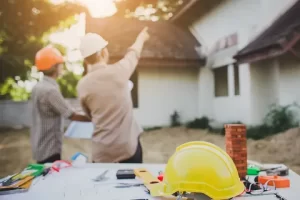
The first stage usually involves evaluating the affected areas and identifying the source and extent of damage. This step matters because repairs made without understanding the full problem can leave hidden damage behind.
A reconstruction plan should also consider which areas require immediate attention and which work can wait until later stages. Safety, structural stability, moisture control, and electrical concerns generally require careful attention before cosmetic improvements begin.
Assessing Damage Before Reconstruction
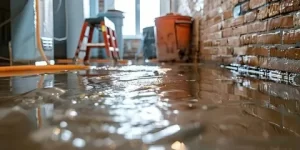
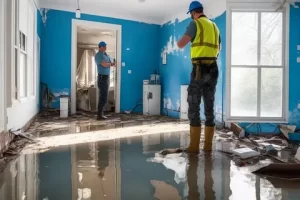
A detailed property assessment helps establish the actual scope of a reconstruction project. Water damage may affect flooring, drywall, insulation, framing, and other materials. Fire damage can involve structural components as well as smoke and odor concerns throughout the property.
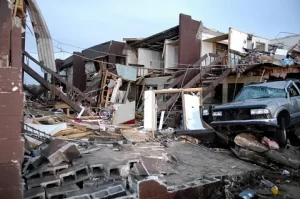
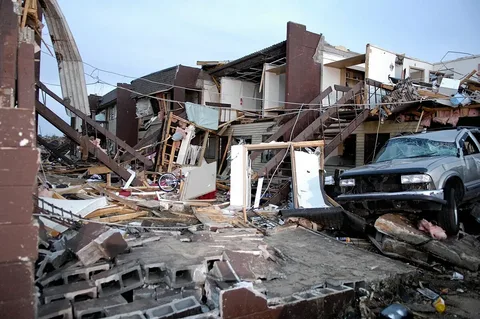
Storm damage can create different challenges. Wind may damage roofing, siding, windows, or exterior structures, while heavy rain can introduce moisture into areas that were previously protected.
The condition of each affected area should guide the repair process. Homeowners should avoid assuming that replacing visible materials will resolve the entire problem. A professional evaluation can help identify areas that need additional attention before reconstruction continues.
Post-Fire Reconstruction Considerations
Post-fire reconstruction in Grovetown, GA can involve several stages because fire damage often extends beyond the areas directly touched by flames. Smoke and soot can affect surfaces, fixtures, ventilation systems, and personal belongings throughout a home.
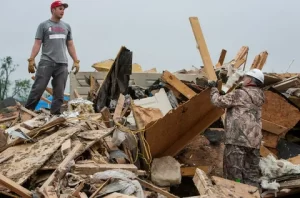
After the property is considered safe for reconstruction, damaged materials may need removal before rebuilding begins. Structural components require careful evaluation, especially when heat has affected framing or other load-bearing elements.
Odor and smoke residue can also remain after damaged materials are removed. Proper cleaning and preparation should take place before new finishes are installed. Rebuilding too quickly without addressing these conditions can create additional problems later.
Residential Reconstruction Services
Residential reconstruction services in Grovetown, GA can address different parts of a home depending on the type and severity of the disaster. Reconstruction may include restoring walls and ceilings, replacing damaged flooring, repairing exterior components, or rebuilding areas that suffered extensive damage.
The project should maintain a clear connection between structural work and finishing work. For example, electrical and plumbing repairs may need to occur before drywall installation. Flooring may need to wait until moisture concerns have been resolved.
This type of coordination helps reduce unnecessary rework and keeps different stages of the project connected.
Comparing Repair and Reconstruction
| Project Type | Typical Purpose | Main Consideration |
| Minor Repair | Addresses isolated damage | Existing materials remain largely usable |
| Partial Reconstruction | Restores several damaged areas | Requires coordination between trades |
| Major Reconstruction | Rebuilds extensively damaged spaces | May involve structural work |
| Complete Restoration | Restores a severely affected property | Requires detailed planning and multiple stages |
The appropriate approach depends on the property’s condition, the type of disaster, and the amount of damage that occurred.
Common Reconstruction Mistakes
One common mistake is beginning cosmetic repairs before addressing structural or moisture concerns. Fresh paint and new flooring cannot solve problems that exist underneath the finished surfaces.
Another mistake is failing to document damage before reconstruction begins. Photographs, inspection information, and repair records can help homeowners understand the original condition of the property and track progress.
Homeowners should also avoid making major design changes without considering the existing reconstruction plan. Changes to layouts, materials, or finishes can affect other parts of the project and may create additional work.
Ignoring ventilation and moisture control can create future problems as well. Reconstruction should address the conditions that contributed to damage rather than simply replacing what was visible.
Best Practices for Disaster Reconstruction
A well-organized reconstruction project starts with a clear scope of work. Homeowners should understand which areas need repair, which materials require replacement, and what sequence the work will follow.
Communication also matters throughout the project. Changes in property conditions may require adjustments to the original plan, so homeowners should understand why changes are necessary before work proceeds.
Material selection should consider both appearance and durability. Replacement materials should suit the room, expected use, and surrounding conditions rather than being selected only for visual appeal.
Actionable Tips Before Reconstruction Begins
Homeowners can make the reconstruction process easier by documenting visible damage, keeping records of previous repairs, and identifying areas that may have experienced moisture or smoke exposure.
It also helps to create a clear list of priorities. Structural and safety concerns should receive attention before decorative improvements. Homeowners should discuss the project sequence and understand how plumbing, electrical, structural, and finishing work connect.
Before selecting replacement materials, consider how the restored space will be used. Choosing durable and practical finishes can help the property remain functional after reconstruction is complete.
Factors That Affect Reconstruction Results
Several factors can influence the outcome of a disaster reconstruction project, including the severity of the original damage, property age, structural condition, moisture exposure, material availability, and the complexity of required repairs.
The timing and order of construction work also matter. A project involving multiple trades requires coordination so one stage does not interfere with another. Careful planning can help reduce unnecessary delays and repeated work.
Conclusion
Recovering from major property damage requires careful assessment, organized planning, and appropriate reconstruction methods. Disaster reconstruction services in Augusta, GA can help homeowners understand the steps involved in restoring damaged spaces while addressing structural, moisture, fire, and finishing concerns.
For homeowners in Augusta, GA and Grovetown, GA, understanding post-fire reconstruction in Grovetown, GA and residential reconstruction services in Grovetown, GA can provide useful direction when planning property restoration. Blount Desister helps homeowners approach reconstruction projects with attention to damage assessment, repair coordination, material selection, and long-term functionality.
FAQ
What do disaster reconstruction services include?
Disaster reconstruction services can include structural repairs, drywall replacement, flooring, painting, electrical work, plumbing repairs, and other restoration work based on the property’s condition.
What is involved in post-fire reconstruction?
Post-fire reconstruction may involve removing damaged materials, evaluating structural components, addressing smoke and soot effects, repairing affected areas, and restoring interior finishes.
When should reconstruction begin after property damage?
Reconstruction should begin after the property has been properly assessed and immediate safety, structural, and moisture concerns have been addressed.
What are residential reconstruction services?
Residential reconstruction services restore damaged parts of a home after events such as fire, storms, water damage, or other major property incidents.
How long does disaster reconstruction take?
The timeline depends on the type and extent of damage, required repairs, material availability, property conditions, and the complexity of the reconstruction work.