Learn how residential reconstruction services restore damaged homes with planning, repair steps, and recovery guidance for Augusta, GA homeowners.
Unexpected property damage can affect the safety, comfort, and functionality of a home. After events such as water damage, storms, fire incidents, or structural problems, homeowners often need a clear path toward restoring their property. Blount Desister helps homeowners understand the reconstruction process and the steps involved in returning a damaged space to a usable condition. Residential reconstruction services provide solutions that address repairs, rebuilding, and improvements needed after significant property damage.
Reconstruction involves more than fixing visible issues. A complete approach considers structural integrity, materials, safety concerns, and long-term property needs.
For homeowners in Augusta, GA, and Blythe, GA, understanding reconstruction options, restoration steps, and common challenges can help them make informed decisions after property damage.
What Is Residential Reconstruction?
Residential reconstruction focuses on repairing and rebuilding homes after major damage. Unlike simple repairs, reconstruction often involves multiple areas of the property and may require structural improvements.
Common situations requiring reconstruction include:
- Water damage
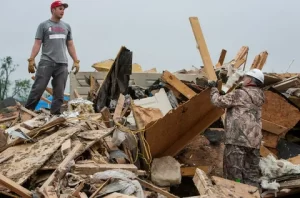
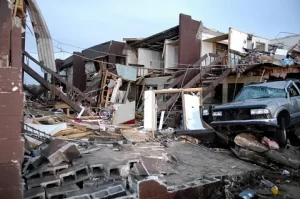
- Storm damage
- Fire and smoke damage
- Structural issues
- Major interior damage
- Damaged building materials
The goal of reconstruction is to restore the property while improving safety and functionality.
Understanding Residential Reconstruction Services
How Residential Reconstruction Services Restore Homes
Residential reconstruction services in Augusta, GA involve evaluating damage, planning repairs, and completing construction work needed to restore a home. Each project requires a different approach based on the type and extent of damage.
A typical reconstruction process includes:
Property Assessment
The first step is understanding the condition of the home. A detailed evaluation helps identify damaged areas and required repairs.
Assessment may include:
- Inspecting structural components
- Identifying damaged materials
- Evaluating moisture concerns
- Reviewing safety issues
- Creating a repair plan
A proper assessment helps establish the scope of the project.
Planning and Preparation
After evaluating the damage, the reconstruction process requires careful planning.
Planning may involve:
- Selecting repair materials
- Creating project timelines
- Coordinating different construction tasks
- Addressing building requirements
- Preparing affected areas
Good planning helps reduce delays and unexpected problems.
Restoration and Construction
The final stage focuses on rebuilding damaged areas and restoring the property.
Work may include:
- Replacing damaged materials
- Repairing structural components
- Updating interior spaces
- Restoring walls and flooring
- Completing finishing details
Each step helps return the home to a safe and functional condition.
Water Damage Reconstruction Process
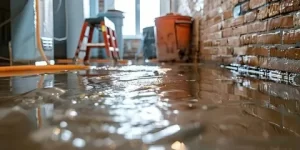
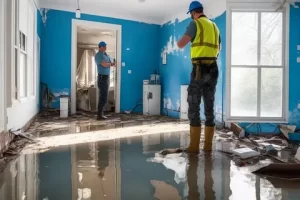
Water damage is one of the most common reasons homeowners require reconstruction. Leaks, flooding, and plumbing failures can affect walls, flooring, insulation, and structural materials.
Water damage reconstruction may involve:
- Removing damaged materials
- Drying affected areas
- Repairing structural components
- Replacing flooring and drywall
- Restoring interior finishes
Quick action after water damage can help reduce additional problems such as mold growth and material deterioration.
Commercial Reconstruction Services and Property Recovery
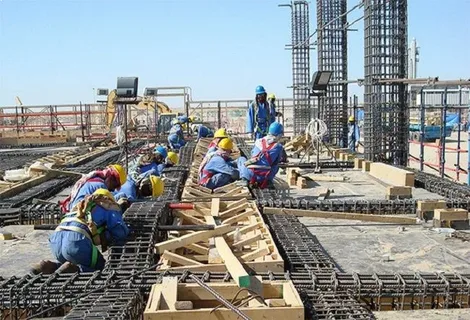
While residential projects focus on homes, businesses may require similar support after major damage. Commercial reconstruction services in Blythe, GA address repair needs for offices, retail spaces, warehouses, and other business properties.
Commercial reconstruction may involve:
- Structural repairs
- Interior rebuilding
- Flooring replacement
- Electrical and mechanical improvements
- Space restoration
Both residential and commercial projects require careful planning and coordination.
Comparing Repairs and Reconstruction
Homeowners often need to decide whether their property requires simple repairs or complete reconstruction.
| Feature | Repairs | Reconstruction |
| Damage Level | Minor to moderate issues | Major property damage |
| Project Scope | Specific areas | Multiple systems or spaces |
| Timeline | Usually shorter | Requires more planning |
| Materials | Limited replacement | Extensive rebuilding |
| Best For | Small repairs | Severe damage recovery |
The right approach depends on the condition of the property.
Common Causes of Reconstruction Needs
Homes may require reconstruction due to several types of damage.
Storm Damage
Strong winds, heavy rain, and severe weather can damage roofs, siding, windows, and interior areas.
Water Damage
Flooding and leaks can weaken structures and damage interior materials.
Fire Damage
Fire incidents can affect structural components, finishes, and safety systems.
Aging Structures
Older homes may require reconstruction to improve safety and replace damaged areas.
Common Reconstruction Mistakes
Avoiding common mistakes can improve the recovery process.
Delaying Damage Assessment
Waiting too long can allow damage to spread and increase repair requirements.
Focusing Only on Visible Damage
Some issues, such as moisture behind walls, may not be immediately noticeable.
Choosing Materials Without Long-Term Planning
Replacement materials should provide durability and match the property’s needs.
Skipping Proper Project Planning
A lack of planning can lead to delays and unexpected changes.
Best Practices for Home Reconstruction
Homeowners can improve reconstruction results by following these practices:
- Document damage before repairs begin
- Create a clear restoration plan
- Choose suitable materials
- Address underlying causes
- Maintain communication throughout the project
A structured approach helps create a smoother recovery process.
Actionable Tips After Property Damage
After experiencing major property damage, homeowners should:
- Prioritize safety
- Document affected areas
- Prevent additional damage when possible
- Contact appropriate professionals
- Keep records of repairs and decisions
Taking organized steps can make the reconstruction process easier.
Factors That Affect Reconstruction Results
Several factors influence the outcome of a reconstruction project:
- Type of damage
- Extent of repairs needed
- Material selection
- Structural condition
- Project planning
- Construction quality
Understanding these factors helps homeowners set realistic expectations.
Conclusion
Major property damage requires careful planning, skilled repairs, and a structured recovery process. Water damage reconstruction helps homeowners restore damaged properties while improving safety, comfort, and long-term functionality.
For homeowners in Augusta, GA, and Blythe, GA, understanding reconstruction steps, water damage recovery, and repair options helps them make informed decisions. Blount Desister helps homeowners approach reconstruction projects with practical solutions focused on restoring their properties.
FAQ
What are residential reconstruction services?
Residential reconstruction services involve repairing and rebuilding homes after major damage caused by events such as water, storms, or fire.
How is reconstruction different from restoration?
Restoration focuses on returning a property to its previous condition, while reconstruction may involve rebuilding damaged areas and making larger repairs.
What causes homeowners to need reconstruction?
Common causes include water damage, storm damage, fire damage, structural problems, and major material failures.
How long does a reconstruction project take?
The timeline depends on the extent of damage, required repairs, materials, and project complexity.
Can water damage require full reconstruction?
Yes, severe water damage can affect structural materials and may require reconstruction to restore the property properly.