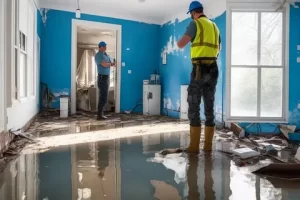
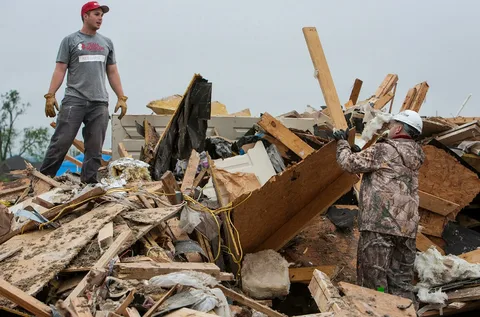
Learn how disaster reconstruction services help restore damaged properties, from emergency assessment and cleanup to structural repairs and final rebuilding.
When a home or building suffers major damage, the repair process involves much more than replacing damaged materials. Blount Desister helps property owners understand what to expect from disaster reconstruction services in Blythe, GA. Fire, storms, water, and other disasters can affect structural components, electrical systems, flooring, walls, insulation, and personal belongings at the same time.
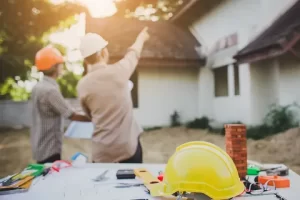
A reconstruction project should begin with a careful assessment of the property. Understanding what can be repaired, what needs replacement, and what requires specialized attention helps create a clear path forward.
The right approach also depends on the type and extent of damage. A small affected area may require targeted repairs, while severe damage may involve rebuilding major portions of the property.
Disaster Reconstruction Services in Blythe, GA: Where to Begin
The first stage of a disaster reconstruction services in Blythe, GA project involves evaluating the property and documenting the damage. This process helps identify visible problems as well as conditions that may not be obvious at first.
A damaged building can have issues behind walls, beneath flooring, or within ceilings. For example, water can travel beyond the area where it first appears. Fire can affect framing and other materials beyond the visibly burned section.
A detailed assessment should consider:
- Structural components
- Roofing and exterior areas
- Walls and ceilings
- Flooring and subfloors
- Electrical systems
- Plumbing systems
- Insulation
- Doors and windows
- Cabinets and built-in features
The property owner should also understand which areas require immediate attention. Openings in the roof or exterior walls can expose the building to additional weather damage, while unstable materials may create safety concerns.
Once the condition of the property is clear, the reconstruction plan can focus on necessary repairs and replacement work.
Understanding the Reconstruction Process
Reconstruction generally follows several stages, although the exact sequence can change depending on the type of disaster.
1. Property Assessment
The condition of the building is reviewed to determine the extent of the damage. Photographs, measurements, and other documentation can help establish what needs attention.
2. Cleanup and Removal
Damaged materials that cannot remain in the building may need to be removed. This can include drywall, flooring, insulation, roofing materials, cabinets, or other components.
3. Structural Repairs
If framing, roofing, walls, or other structural components sustained damage, those areas need attention before cosmetic work begins.
4. System Repairs
Electrical, plumbing, HVAC, and other building systems may require inspection and repair depending on the event.
5. Interior Reconstruction
Once the property is structurally sound, reconstruction can move toward drywall, flooring, cabinetry, doors, trim, and other interior components.
6. Final Repairs and Finishing
The final stage addresses remaining details and brings the affected areas back to a usable condition.
Keeping these stages organized can make a complicated project easier to understand.
Property Reconstruction Services in Gibson, GA
Property owners looking for property reconstruction services in Gibson, GA should consider the entire condition of the building rather than focusing only on visible damage.
For example, a storm may damage roofing while also allowing water to enter attic insulation, ceilings, walls, and flooring. Repairing only the roof may not address the resulting interior problems.
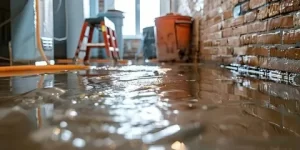
The same principle applies to water damage. Removing standing water does not automatically resolve moisture that has entered building materials. A proper assessment can help identify affected areas before reconstruction begins.
The scope of work should also account for the property’s original layout and existing features. Matching flooring, trim, cabinetry, doors, and other materials may require careful planning.
For larger projects, communication becomes especially important. Property owners may need to coordinate with insurance representatives, inspectors, contractors, and other professionals.
Post-Fire Reconstruction in Gibson, GA
Post-fire reconstruction in Gibson, GA can involve several types of damage at once. Flames may damage structural materials, while smoke and soot can affect areas that the fire did not directly reach.
Water and other substances used during firefighting can also create secondary damage.
After a fire, the property should be assessed before damaged materials are removed or replaced. Some components may look intact but require further inspection because of heat exposure or smoke contamination.
Common areas that may require attention include:
- Framing and structural materials
- Drywall and ceilings
- Flooring and subfloors
- Cabinets and countertops
- Doors and trim
- Electrical components
- Plumbing fixtures
- Insulation
- Roofing and exterior surfaces
The goal is not simply to make the property look normal again. The reconstruction process should address the underlying damage and restore the affected areas appropriately.
Comparing Repair and Reconstruction
| Approach | Best Suited For | Main Consideration |
| Targeted Repair | Limited damage | Only affected areas require work |
| Partial Reconstruction | Several damaged areas | Multiple systems or rooms may need restoration |
| Major Reconstruction | Extensive property damage | Structural and interior work may overlap |
| Full Rebuild | Severe structural loss | Large portions of the property may require replacement |
The appropriate approach depends on the property’s condition, the type of disaster, and the extent of the damage.
Common Reconstruction Mistakes
One common mistake is beginning cosmetic repairs before addressing structural or moisture-related problems. Fresh paint or new flooring cannot solve an underlying building issue.
Another mistake is removing materials without documenting their condition. Photographs and records can help property owners maintain a clear record of the damage and completed work.
Ignoring hidden damage can create problems later. Water, smoke, and fire can affect areas that are not immediately visible.
Homeowners may also underestimate the importance of matching materials. Replacing one section of flooring or cabinetry can look noticeably different from the surrounding areas if materials do not match.
Trying to coordinate every part of a large reconstruction project without a clear scope can also create confusion. A written plan helps define responsibilities and project stages.
Best Practices After a Major Property Loss
Document visible damage as soon as it is safe to do so.
Avoid entering areas that appear structurally unstable.
Protect exposed areas from additional weather damage when appropriate.
Keep records of photographs, reports, estimates, receipts, and project communications.
Identify which building systems may have been affected before reconstruction begins.
Discuss material selections early when matching existing finishes matters.
Keep communication organized between property owners, contractors, insurance representatives, and other involved parties.
Ask questions whenever the scope of work changes. Unexpected conditions can sometimes appear after demolition begins.
Actionable Tips for Property Owners
Start by creating a room-by-room list of visible damage.
Take clear photographs from several angles.
Make note of areas affected by smoke, water, fire, wind, or debris.
Do not discard important documentation before confirming what records may be needed.
Separate immediate safety concerns from cosmetic improvements.
Ask for a clear explanation of what work needs to happen first and why.
Keep copies of all project documents in one location.
Conclusion
Disaster reconstruction services in Blythe, GA can involve structural repairs, system inspections, material replacement, interior rebuilding, and many smaller details. A clear assessment should come before reconstruction so the work addresses both visible and hidden damage.
For property owners in Blythe, GA and Gibson, GA, understanding property reconstruction services in Gibson, GA and post-fire reconstruction in Gibson, GA can make the recovery process easier to organize. Blount Desister focuses on the practical stages involved in returning damaged properties to a safe and usable condition.
FAQ
What are disaster reconstruction services?
Disaster reconstruction services address building damage caused by events such as fire, storms, water incidents, and other major property losses. Work may include cleanup, structural repairs, system repairs, and rebuilding.
How soon should reconstruction begin after a disaster?
The property should first be assessed and made safe. The timing of reconstruction depends on the type of damage, building conditions, necessary inspections, and the scope of repairs.
What does post-fire reconstruction involve?
Post-fire reconstruction can include structural repairs, removal of damaged materials, smoke and soot-related work, interior rebuilding, and repairs to electrical, plumbing, roofing, and other affected systems.
Can hidden damage occur after a disaster?
Yes. Water can move behind walls and beneath flooring, while fire and heat can affect materials beyond visibly damaged areas. A detailed property assessment can help identify these conditions.
Should homeowners document property damage?
Yes. When it is safe, homeowners should photograph affected areas and keep relevant reports, receipts, estimates, and project records. These documents can help maintain an organized record of the recovery process.