Learn how property reconstruction services address structural damage, fire loss, water intrusion, and rebuilding needs for homes and properties in Augusta, GA.
When a home or building suffers serious damage, rebuilding involves much more than replacing visible finishes. Blount Desister provides property reconstruction services in Augusta, GA, with the work focused on restoring damaged areas while addressing the conditions that caused the loss. Fire, water, storms, and other events can affect framing, flooring, walls, electrical systems, insulation, and other parts of a property.
In Hephzibah, GA, property owners researching disaster reconstruction services may be dealing with anything from localized damage to major portions of a building that require extensive rebuilding. The scope depends on the type of damage, how long the property remained exposed, and which building systems require repair or replacement.
Reconstruction works best when the visible damage is not treated as the whole problem. Moisture can move behind walls, smoke can affect materials far beyond the area of a fire, and structural damage may not become obvious until damaged surfaces are removed.
What Property Reconstruction Actually Involves
Property reconstruction services in Augusta, GA focuses on returning a damaged property to a safe, functional condition. The work may involve both structural repairs and the replacement of interior finishes.
The exact scope varies from project to project. A small affected area may require limited repairs, while extensive damage can involve multiple trades and a larger rebuilding plan.
Typical reconstruction work can involve:
- Removal of damaged building materials
- Structural framing repairs
- Drywall replacement
- Flooring replacement
- Ceiling repairs
- Insulation replacement
- Electrical system work
- Plumbing-related repairs
- Cabinet and finish replacement
- Painting and final interior restoration
The sequence matters because one trade can affect another. Electrical or plumbing work, for example, may need to occur before walls are closed and finished.
Assessing the Property Before Rebuilding
A detailed assessment helps establish what can remain and what requires replacement.
Visible damage provides only part of the information. A wall may appear intact while insulation or framing behind it has suffered moisture exposure. Similarly, smoke from a fire can affect porous materials even when flames did not reach them directly.
The assessment should consider the condition of:
- Structural framing
- Walls and ceilings
- Flooring and subflooring
- Insulation
- Electrical components
- Plumbing
- Doors and windows
- Cabinets and built-ins
- Roofing or exterior surfaces
Documentation can also help property owners understand the scope of the work. Photographs, written findings, material information, and repair records create a clearer record of what the reconstruction involves.
Fire, Water, and Smoke Damage Require Different Approaches
Different types of property damage create different reconstruction challenges.
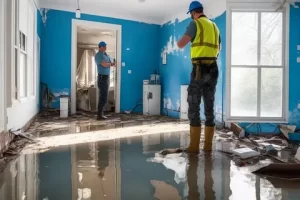
Water damage may affect flooring, drywall, insulation, framing, and electrical components. The source of the water and the length of exposure can influence the extent of the damage.
Fire creates a different set of concerns. Heat can weaken materials, while smoke and soot can affect surfaces throughout the property. Odors may also remain in porous materials after visible residue has been removed.
This makes post-fire reconstruction more involved than simply repainting walls or replacing a few damaged fixtures.
Storm-related damage can introduce another combination of problems, including roof damage, broken windows, water intrusion, and structural concerns.
The reconstruction plan should reflect the specific type of loss rather than apply the same approach to every property.
Structural Repairs Should Come Before Cosmetic Work
A property may look significantly improved after new flooring, drywall, and paint, but those finishes should not hide unresolved structural problems.
If framing requires repair, that work generally needs attention before the surrounding walls and finishes return.
The same principle applies to moisture. Closing a wall before addressing an ongoing water source can create additional problems later.
A sound reconstruction plan coordinates structural, mechanical, and finish work in the appropriate order.
Property Reconstruction Services Must Account for Hidden Damage
Disaster reconstruction services in Hephzibah, GA often require decisions about materials that cannot be evaluated from the surface alone.
For example, removing damaged drywall may reveal compromised insulation or framing. Pulling up flooring may expose subfloor damage that was not visible during the initial inspection.
This is one reason reconstruction estimates can change when concealed conditions become visible. A responsible approach accounts for the possibility of hidden damage without assuming that every property has the same underlying problems.
Rebuilding Materials Should Match the Property
Replacement materials should fit the property’s existing construction and intended use.
Flooring, cabinetry, drywall, trim, doors, and other finishes should work together rather than appear as unrelated replacements.
In some cases, reconstruction provides an opportunity to improve a damaged area. However, improvements should remain distinct from repairs needed to restore the property.
This distinction can make project scope easier to understand, especially when restoration work and optional upgrades occur at the same time.
Coordinating Multiple Areas of the Property
Major damage rarely affects just one trade.
A single room may require structural work, electrical repairs, insulation replacement, drywall installation, flooring, painting, and finish carpentry.
Coordination becomes especially important when several rooms or levels are involved.
Poor scheduling can result in completed work being damaged by later construction. For example, installing finished flooring before heavy reconstruction work ends can create unnecessary replacement work.
A coordinated schedule helps keep different portions of the project connected.
Comparing Limited Repairs With Broader Reconstruction
Not every property needs a complete rebuild. The appropriate scope depends on the actual condition of the structure and affected materials.
| Approach | Typical Situation | Main Focus |
| Limited Repair | Damage affects a small area | Replace or repair specific components |
| Partial Reconstruction | Several systems or rooms are affected | Restore damaged portions of the property |
| Extensive Reconstruction | Major structural or interior damage | Rebuild multiple systems and spaces |
| Full Rebuild | Property has widespread severe damage | Reconstruct substantial portions of the building |
The goal should be to restore what can reasonably remain while replacing materials that no longer provide the required function or condition.
Common Reconstruction Mistakes
One common mistake involves starting cosmetic repairs before identifying hidden damage. New finishes cannot correct problems behind walls or beneath floors.
Another issue involves treating water damage as a surface problem. If moisture entered structural or concealed areas, those materials may require closer evaluation.
Fire damage can also be underestimated when visible soot appears limited. Smoke can travel through a building and affect materials beyond the room where the fire occurred.
Another mistake involves making material selections too early. Final flooring, cabinets, and fixtures should fit the actual reconstruction scope and measurements.
Practical Considerations for a Successful Rebuild
Property owners can make reconstruction easier by keeping project information organized and communicating changes as they arise.
Useful records include:
- Photos of affected areas
- Inspection and assessment information
- Repair documentation
- Material selections
- Change orders
- Contractor communications
- Receipts and project records
It also helps to distinguish necessary reconstruction from optional upgrades. This keeps the original restoration scope easier to track while allowing improvements to be considered separately.
Building Back With Long-Term Performance in Mind
Reconstruction should restore more than the property’s appearance. Structural integrity, moisture control, electrical safety, insulation, ventilation, and durable finishes all contribute to how the building performs after the project ends.
The finished property should also receive appropriate maintenance once reconstruction is complete. Regular inspection can help identify new leaks, damaged finishes, or other concerns before they develop into larger problems.
The objective is not simply to make a damaged room look finished. It is to restore the property in a way that supports safe, practical use for the years ahead.
Conclusion
Post-fire reconstruction requires careful evaluation because serious damage can affect both visible finishes and concealed building systems. Fire, water, storms, and other losses can create different reconstruction requirements, making a property-specific approach important.
For homeowners and property owners in Augusta and Hephzibah, Blount Desister can approach reconstruction around the condition of the building, the type of damage, and the work required to restore affected areas. Careful coordination between structural repairs, building systems, and finished surfaces helps create a more complete restoration rather than a cosmetic fix.
FAQ
What is included in property reconstruction services?
The scope can include structural repairs, drywall, flooring, insulation, electrical or plumbing-related work, cabinetry, painting, and other building components affected by the loss. The exact work depends on the property’s condition.
How is reconstruction different from basic repair?
Basic repair often addresses a specific damaged component. Reconstruction can involve several interconnected systems or larger portions of a property, particularly after significant fire, water, or storm damage.
Why can hidden damage affect a reconstruction project?
Damage can extend behind walls, beneath flooring, or inside ceilings and other concealed areas. Removing damaged surfaces may reveal conditions that were not visible during the initial assessment.
What does post-fire reconstruction involve?
Post-fire reconstruction can involve structural repairs, replacement of damaged materials, smoke and soot-related cleaning, rebuilding interior spaces, and replacement of systems or finishes affected by heat, fire, or smoke.
How long does property reconstruction take?
There is no single timeline for every project. The duration depends on the extent of damage, structural conditions, material availability, project size, required inspections, and the number of trades involved.