Author Archives: aliveadmin

Best Emergency Water Damage Cleanup in Waynesboro, GA

 Blount’S Disaster Restoration LP  helps property owners understand why emergency water damage cleanup matters after unexpected leaks, floods, or pipe issues. In Waynesboro, GA, quick action reduces damage and supports a safer recovery process. Homeowners often face problems like soaked flooring, damaged walls, and mold risks. Therefore, learning the right steps can help prevent larger issues. Many people search for reliable information before making decisions, and understanding the process makes recovery easier. In addition, knowing when to start cleanup can protect valuable belongings and reduce stress after water-related emergencies.

What Is Emergency Water Damage Cleanup and Why Is It Important?

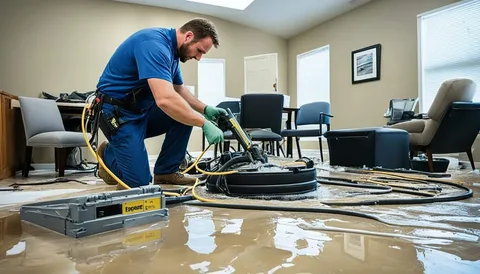
Emergency water damage cleanup involves removing standing water, drying affected materials, and preventing additional damage inside a property. This process becomes important because water can spread quickly through floors, walls, and furniture. As a result, delaying cleanup often creates larger problems. Many homeowners look for professional emergency water damage cleanup services after heavy rain or plumbing failures. In addition, fast response water damage restoration for homes helps reduce moisture and limits mold growth. Blount’S Disaster Restoration LP shares educational information so residents can understand why timely cleanup plays a major role in protecting a home.

How Does Emergency Water Damage Cleanup Help Prevent Mold Problems?

Water that remains inside a building creates ideal conditions for mold growth. Therefore, proper drying and moisture control are necessary after any leak or flood. Emergency water damage cleanup removes excess moisture and helps preserve structural materials. In many cases, carpets, drywall, and insulation absorb water quickly. Consequently, professional teams use special drying equipment to address hidden moisture. Homeowners searching for same day water damage cleanup near me often want solutions that minimize long-term issues. Blount’S Disaster Restoration LP explains that acting early supports healthier indoor conditions and helps avoid expensive repairs in the future.

What Steps Are Included in Emergency Water Damage Cleanup?

Several important steps make the cleanup process effective. First, technicians inspect the affected areas and identify the source of water. Next, they remove standing water and begin drying the property. After that, cleaning and sanitizing help restore safer conditions. Finally, professionals monitor moisture levels to ensure proper drying. Emergency water damage cleanup works best when each step happens without unnecessary delays. Many residents also search for affordable emergency water damage cleanup services in Waynesboro, GA because they want dependable solutions. Furthermore, understanding these stages helps property owners feel more prepared during stressful situations.

Why Should Homeowners in Waynesboro, GA Act Quickly After Water Damage?

Residents in Waynesboro, GA often experience storms, plumbing leaks, and appliance failures that lead to water-related problems. Because moisture spreads rapidly, immediate attention helps limit destruction. Emergency water damage cleanup reduces the risk of weakened structures and damaged belongings. In addition, quick action supports faster restoration and less disruption. People frequently search for 24 hour emergency water damage cleanup company information because emergencies can happen at any time. Blount’S Disaster Restoration LP encourages property owners to recognize warning signs early and address problems before they become more severe.

Simple Signs of Water Damage in Waynesboro, GA

Homeowners should understand the common signs that indicate hidden water problems. Damp odors often suggest trapped moisture behind walls or under flooring. Stains on ceilings and peeling paint may also point to leaks. Moreover, warped wood and soft drywall deserve immediate attention. Emergency water damage cleanup becomes more effective when issues are discovered early. Therefore, regular inspections can help identify problems before they spread. Many residents in Waynesboro, GA notice these warning signs after storms or plumbing failures. Recognizing them quickly helps protect both property and indoor comfort.

Common Causes of Water Damage in Waynesboro, GA

Several situations can lead to serious water damage inside homes and businesses. Broken pipes, overflowing appliances, and roof leaks rank among the most common causes. Heavy rainfall and severe weather also create unexpected flooding. Consequently, moisture can enter areas that are difficult to dry without proper methods. Emergency water damage cleanup helps address these situations before additional issues develop. Furthermore, homeowners should monitor plumbing systems and roofing materials regularly. Blount’S Disaster Restoration LP often highlights the importance of preventive maintenance because it supports long-term property protection and reduces emergency risks.

Tips for Reducing Water Damage Risks in Waynesboro, GA

Property owners can take several simple steps to reduce the chances of water damage. First, inspect plumbing fixtures regularly and repair leaks immediately. Next, clean gutters and ensure proper drainage around the foundation. In addition, checking appliances and water lines helps prevent unexpected problems. Emergency water damage cleanup remains important when accidents occur, but prevention still offers valuable benefits. Homeowners searching for same day water damage cleanup near me often realize that maintenance plays a major role in avoiding emergencies. Therefore, consistent inspections support safer and healthier living conditions.

Conclusion

Emergency situations require quick decisions and reliable information. Emergency water damage cleanup helps minimize damage, reduce mold risks, and support a smoother recovery process. Residents in Waynesboro, GA can benefit from understanding the causes, warning signs, and prevention methods related to water problems. Blount’S Disaster Restoration LP emphasizes the importance of acting quickly whenever leaks or flooding occur. In addition, homeowners looking for fast response water damage restoration for homes, affordable emergency water damage cleanup services, or a 24 hour emergency water damage cleanup near Evans, GA company should focus on timely action. Early response often leads to better results and greater peace of mind.

FAQS

How soon should emergency water damage cleanup begin?

Cleanup should begin as quickly as possible after discovering water damage. Immediate action helps prevent mold growth and protects walls, flooring, and furniture. Early drying also supports easier restoration and reduces long-term problems.

Can water damage create mold inside a home?

Yes, mold can develop when moisture remains for an extended period. Damp conditions encourage growth behind walls and under flooring. Therefore, quick drying and moisture control are important for maintaining healthier indoor spaces.

What causes emergency water damage most often?

Broken pipes, appliance leaks, roof damage, and severe storms are common causes. These problems can spread moisture rapidly throughout a property. Regular maintenance helps reduce the likelihood of unexpected emergencies.

Why is professional drying important after water damage?

Professional drying equipment helps remove hidden moisture that may remain inside walls and flooring. Proper drying reduces structural damage and supports a more complete recovery. It also helps limit mold-related concerns.

How can homeowners reduce the risk of future water damage?

Homeowners can inspect plumbing systems, maintain gutters, and repair leaks quickly. Regular maintenance helps identify small issues before they become serious. Preventive care supports long-term protection for the property.

Trusted Flood Damage Restoration in Waynesboro, GA Guide

Blount’S Disaster Restoration LP understands how stressful water emergencies can be for homeowners and businesses. Flood damage restoration in Waynesboro, GA plays an important role in protecting buildings from long-term problems. Quick action helps reduce damage and supports a safer environment inside the property. Many people search for trusted ways to restore their homes after heavy rain, burst pipes, or unexpected water events. Understanding the process helps property owners make informed decisions. Knowing what steps to take after water intrusion can also prevent costly repairs and additional structural issues.

What Is Flood Damage Restoration in Waynesboro, GA?

Flood damage restoration in Waynesboro, GA refers to the process of removing water, drying affected areas, and repairing damage caused by flooding. This service helps homeowners recover from unexpected water disasters while reducing the chance of mold growth and structural problems. In addition, restoration experts inspect hidden moisture that may remain behind walls or flooring. Early treatment often prevents larger issues later. Many residents look for professional flood cleanup services in Waynesboro, GA because proper restoration supports healthier indoor spaces and protects valuable belongings from further deterioration over time.

Why Do Homes in Waynesboro, GA Need Flood Damage Restoration?

Homes in Waynesboro, GA can experience flooding due to severe storms, plumbing failures, or overflowing appliances. Flood damage restoration helps reduce moisture and prevents long-lasting problems. Standing water may weaken walls, flooring, and furniture if homeowners delay cleanup. Moreover, excess moisture creates conditions where mold can develop quickly. Prompt action protects indoor air quality and preserves building materials. Property owners often search for emergency flood damage restoration near Waynesboro, GA when unexpected situations occur. Addressing the problem early improves the chances of saving important items and limiting repair needs.

How Does the Flood Damage Restoration Process Work?

The restoration process begins with a detailed inspection to determine the extent of water damage. Technicians remove standing water using specialized equipment and then start drying affected surfaces. Dehumidifiers and air movers help eliminate moisture from hidden areas. Afterward, professionals clean and sanitize surfaces to reduce contamination risks. Flood damage restoration in Waynesboro, GA also includes repairing damaged materials when necessary. Understanding how to restore a home after flood damage in Waynesboro, GA helps property owners recognize the importance of each stage and why professional methods provide better long-term results.

What Problems Can Flooding Cause Inside a Property?

Flooding affects more than visible surfaces. Water can seep beneath flooring, enter wall cavities, and damage insulation materials. If moisture remains trapped, mold growth may occur within a short time. Structural components may weaken, and unpleasant odors can develop. In addition, electrical systems sometimes require inspection after significant water exposure. Professional flood cleanup services in Waynesboro, GA focus on identifying hidden issues before they become larger concerns. By addressing moisture quickly, homeowners can reduce health risks and improve the overall condition of their property after water-related incidents.

Why Is Quick Water Removal Important?

Fast water removal reduces the amount of damage caused by flooding. The longer water stays inside a building, the greater the risk of deterioration. Carpets, drywall, and wooden surfaces absorb moisture quickly. Therefore, immediate action helps preserve materials and lower restoration needs. Flood damage restoration in Waynesboro, GA emphasizes timely drying because hidden moisture can lead to mold growth and unpleasant smells. Homeowners searching for emergency flood damage restoration near Waynesboro, GA often understand that acting quickly provides better results and supports a smoother recovery process for their property.

Can Flood Damage Lead to Mold Problems?

Mold thrives in damp environments and often appears after flooding when moisture remains untreated. Small amounts of water trapped behind walls or beneath flooring can create favorable conditions for growth. Mold may affect indoor air quality and contribute to unpleasant odors inside the home. Because of this, proper drying becomes an essential part of restoration. Blount’S Disaster Restoration LP focuses on moisture control to help reduce these risks. Learning how to restore a home after flood damage in Waynesboro, GA includes understanding the importance of preventing mold before it spreads further.

What Areas of a Home Are Commonly Affected?

Floodwater can affect several parts of a property, including floors, walls, ceilings, and furniture. Basements and crawl spaces often experience heavy moisture because water naturally moves downward. Appliances, insulation, and personal belongings may also suffer damage. Furthermore, wooden materials can warp when exposed to prolonged moisture. Professional flood cleanup services in Waynesboro, GA involve inspecting every area to identify hidden damage. Thorough evaluations help ensure no moisture remains behind surfaces. This detailed approach supports better restoration results and helps property owners avoid future complications caused by lingering water.

Why Should Property Owners Understand the Restoration Process?

Knowing how flood damage restoration works allows homeowners to make informed decisions during stressful situations. Understanding the stages of inspection, drying, cleaning, and repairs helps people recognize the importance of professional equipment and techniques. Flood damage restoration in Waynesboro, GA requires more than simply removing visible water. Hidden moisture can create problems that appear weeks later. Therefore, learning about the process supports better preparation for future emergencies. Blount’S Disaster Restoration LP encourages property owners to address water issues quickly to help protect their homes and maintain a healthier environment.

How Can Homeowners Reduce Future Flood Risks?

Although some emergencies are unavoidable, homeowners can take several steps to reduce future flood risks. Regular plumbing inspections help identify leaks before they become major problems. Cleaning gutters and maintaining drainage systems also support proper water flow during storms. Additionally, sealing foundation cracks may help prevent water intrusion. Residents who understand how to restore a home after flood damage in Waynesboro, GA often become more proactive about prevention. These efforts contribute to a safer property and reduce the chaof extensive damage during severe weather events or plumbing failures.

Conclusion

Flood damage restoration in Waynesboro, GA helps homeowners recover from unexpected water emergencies while protecting the structure and indoor environment of their properties. Proper inspection, drying, and cleanup reduce the risk of mold and long-term deterioration. Blount’S Disaster Restoration LP understands the importance of responding quickly when flooding occurs. Professional flood cleanup services in Waynesboro, GA provide support during difficult situations, while emergency flood damage restoration near Augusta, GA helps minimize additional damage. Knowing how to restore a home after flood damage in Waynesboro, GA also allows property owners to make informed decisions and protect their investments for years to come.

 FAQS

What does flood damage restoration include?

Flood damage restoration includes water extraction, drying, cleaning, and repairing affected areas. The process also focuses on removing hidden moisture. Proper restoration helps reduce mold risks and protects the structure of the property.

Why is fast flood cleanup important?

Quick cleanup prevents water from causing additional damage to walls, floors, and furniture. Early drying also reduces the chance of mold growth. Acting fast often helps save more materials inside the home.

Can flooding cause mold inside a home?

Yes, mold can develop when moisture remains in hidden areas. Damp conditions create an ideal environment for mold growth. Proper drying and moisture control help prevent these problems after flooding.

How long does the restoration process usually take?

The timeline depends on the amount of water damage and the affected materials. Minor situations may require only a few days. Larger restoration projects often take longer because drying and repairs need careful attention.

How can homeowners prepare for future flooding?

Regular maintenance of plumbing systems and gutters can help reduce water-related problems. Property owners should also inspect drainage areas and address leaks quickly. Preventive steps support better protection against future flooding.

Best Water Mitigation Services: How Do They Help in Waynesboro?

Blount’S Disaster Restoration LP provides trusted water mitigation services in Waynesboro, GA for homeowners and businesses that need quick action after water damage. Water problems can happen because of storms, broken pipes, overflowing appliances, or plumbing leaks. Fast response helps reduce damage and prevents costly repairs later. Many property owners search for professional solutions because they want to protect their floors, walls, and belongings. Understanding the process helps people make better decisions when unexpected water damage affects their property.

What Are Water Mitigation Services and Why Are They Important?

Water damage can spread quickly throughout a home or commercial building. That is why water mitigation services focus on stopping further damage and removing excess moisture. Professionals use specialized equipment to dry affected areas and restore a safer environment. In addition, quick action helps prevent mold growth and structural problems. Homeowners in Waynesboro, GA often rely on these services after heavy rainfall or plumbing issues. Blount’S Disaster Restoration LP understands how important immediate response can be when protecting valuable property and keeping repair costs under control.

Water damage may seem minor at first, yet hidden moisture can create serious issues over time. Therefore, early mitigation reduces the risk of damaged drywall, flooring, and insulation. Professional technicians inspect affected areas and develop a proper restoration plan. They also monitor moisture levels to ensure complete drying. Many people delay treatment because they underestimate the problem. However, taking fast action can save money and reduce stress. Reliable solutions help families return to normal life sooner while protecting the long-term condition of their homes.

How Do Water Mitigation Services Work in Waynesboro, GA?

The process begins with a detailed inspection to identify the source and extent of water damage. Afterward, specialists remove standing water using powerful extraction equipment. This step helps minimize further damage and speeds up the drying process. Fans and dehumidifiers then remove hidden moisture from walls, carpets, and flooring materials. Water mitigation services also include cleaning and sanitizing affected areas. These steps improve indoor conditions and reduce the chance of bacteria or mold development. Property owners in Waynesboro, GA benefit from a thorough approach that addresses both visible and hidden damage.

Many homeowners ask about the best emergency water mitigation services in Waynesboro, GA for flooded homes because every minute matters during an emergency. Rapid response helps preserve furniture, electronics, and important belongings. Technicians often document the damage and provide guidance throughout the restoration process. Furthermore, moisture detection tools help locate water behind walls and under floors. Blount’S Disaster Restoration LP follows proven methods to ensure effective drying and restoration. As a result, property owners gain peace of mind and avoid additional complications caused by lingering moisture.

When Should Homeowners in Waynesboro, GA Call Professionals?

People should contact professionals immediately after discovering water damage. Waiting too long allows moisture to spread and increases the risk of mold growth. Signs such as stained walls, damp carpets, peeling paint, and musty odors often indicate hidden moisture. Therefore, early intervention is essential for preventing more extensive repairs. Blount’S Disaster Restoration LP helps residents in Waynesboro, GA understand the importance of acting quickly. Professional inspections can reveal issues that are not visible to the naked eye, making the restoration process more effective and reducing long-term property damage.

Many residents search for how to choose reliable water mitigation services in Waynesboro GA because selecting experienced professionals is important. Property owners should consider response times, equipment quality, and restoration experience. In addition, trained specialists understand how to address different types of water damage. Clear communication and proper inspection methods also play an important role in successful restoration. Fast and efficient service helps reduce stress after unexpected flooding or leaks. Taking action quickly protects both the property and the health of everyone living inside the home.

What Problems Can Water Mitigation Services Prevent?

Untreated water damage creates several serious problems over time. Moisture trapped inside walls and floors can weaken structural materials and encourage mold growth. In addition, unpleasant odors and damaged belongings often become more difficult to address later. Water mitigation services focus on preventing these issues before they become severe. Proper drying and cleaning help maintain indoor comfort and improve overall safety. Homeowners in Waynesboro, GA benefit from preventive measures because they reduce the likelihood of expensive repairs and preserve the value of their property for years to come.

Property owners often wonder about the benefits of professional water mitigation services after pipe leaks. Professional assistance helps identify hidden moisture and ensures complete drying. Technicians use advanced equipment that reaches areas homeowners may overlook. Furthermore, proper moisture removal supports healthier indoor air quality. Blount’S Disaster Restoration LP works to reduce damage and restore affected spaces efficiently. Timely mitigation also protects flooring, drywall, and personal belongings from further deterioration. As a result, families experience fewer disruptions and enjoy a safer living environment after water-related incidents.

Simple Water Mitigation Solutions for Waynesboro, GA Residents

Residents in Waynesboro, GA can take several steps to minimize damage before help arrives. Turning off the water source, moving valuable items, and avoiding electrical hazards are important safety measures. However, complete drying requires professional equipment and expertise. Water mitigation services provide solutions that go beyond simple cleanup efforts. Specialized tools remove hidden moisture and support effective restoration. Blount’S Disaster Restoration LP helps homeowners understand the importance of proper drying techniques. Taking the right steps early often reduces repair costs and prevents additional complications from developing later.

Seasonal storms and plumbing failures can affect homes without warning. Therefore, preparation and awareness are valuable for reducing risks. Regular maintenance of pipes and appliances can help prevent unexpected leaks. Homeowners should also inspect basements and crawl spaces for signs of moisture. Prompt action after discovering water damage remains one of the best ways to protect a property. Experienced professionals provide guidance and support throughout the process. Their expertise helps ensure affected areas receive the attention needed for successful recovery and long-lasting protection.

Conclusion

Water mitigation services play a vital role in protecting homes and businesses from the effects of water damage. Quick response, proper drying, and professional restoration help prevent costly problems and support healthier indoor conditions. Residents in Waynesboro, GA benefit from understanding the importance of timely action after leaks or flooding. Blount’S Disaster Restoration LP continues to assist property owners with dependable restoration solutions. Whether someone needs the best emergency water mitigation services for flooded homes, wants to learn how to choose reliable water mitigation services near Augusta, GA, or understands the benefits of professional water mitigation services after pipe leaks, early action remains the key to protecting valuable property.

FAQS

What are water mitigation services used for?

Water mitigation services help reduce damage caused by leaks, floods, and plumbing problems. They focus on removing water, drying affected areas, and preventing mold growth. These services help protect homes and businesses from further structural damage.

How quickly should I call professionals after water damage?

You should contact professionals as soon as possible after discovering water damage. Fast action helps prevent moisture from spreading and reduces repair costs. Immediate drying also lowers the risk of mold development.

Can water mitigation prevent mold growth?

Yes, proper drying and moisture removal help reduce the chances of mold growth. Professionals use specialized equipment to remove hidden moisture. Early mitigation creates a healthier indoor environment and protects building materials.

What causes water damage in homes?

Common causes include burst pipes, heavy storms, appliance leaks, and plumbing failures. Overflowing sinks and damaged roofs may also lead to water problems. Identifying the source quickly helps minimize additional damage.

Why should homeowners in Waynesboro, GA choose professional water mitigation services?

Professional services provide advanced equipment and experienced restoration techniques. Specialists can detect hidden moisture and ensure complete drying. This approach helps protect property value and prevents long-term structural issues.

Reliable Water Restoration Contractors in Augusta, GA Guide

Blount’S Disaster Restoration LP provides trusted support for property owners who need help from experienced water restoration contractors in Augusta, GA. Water damage can happen after storms, pipe leaks, appliance failures, or unexpected flooding. Quick action helps reduce damage and protects walls, flooring, and personal belongings. Many homeowners look for reliable solutions because delays often create larger problems. Therefore, understanding the restoration process can help property owners make better decisions. Knowing when to call professionals and how restoration works can also help families restore their homes faster and avoid additional issues that may develop over time.

Why Do Homeowners Need Water Restoration Contractors in Augusta, GA?

Many people wonder why professional water restoration contractors are important after water damage. Water can move quickly through walls, flooring, and insulation. As a result, even a small leak may create serious issues. Professional teams use specialized equipment to remove moisture and dry affected areas. In addition, they inspect hidden spaces that homeowners may overlook. Blount’S Disaster Restoration LP understands that every property has different needs. Because of this, experts create customized solutions that focus on restoring safety and preventing future problems while helping residents return to normal life as soon as possible.

Water damage often comes from broken pipes, overflowing appliances, roof leaks, and severe weather. Therefore, property owners in Augusta, GA should act quickly when they notice standing water or damp surfaces. Delays may increase repair costs and create structural concerns. Professional water restoration contractors help identify the source of damage and stop further problems. They also remove excess moisture before it affects other parts of the property. In many situations, fast response makes a major difference. Consequently, homeowners benefit from early intervention and proper restoration techniques that support long-term protection.

How Can Water Restoration Contractors Handle Emergency Water Damage Restoration Services?

Emergency situations require immediate attention because Water Restoration Contractors in Augusta, GA . Many homeowners search for emergency water damage restoration services in Augusta, GA when sudden flooding affects their properties. Professional crews begin by assessing the damage and removing standing water. Next, they use drying equipment and moisture detection tools to locate hidden water. This process helps prevent additional damage and supports faster recovery. Furthermore, experienced teams document the condition of affected areas. As a result, property owners receive a clear understanding of the restoration process and the steps needed to return the property to good condition.

Blount’S Disaster Restoration LP focuses on organized restoration procedures that help homeowners recover after unexpected incidents. Restoration specialists inspect flooring, walls, and furniture before beginning the drying process. Moreover, advanced equipment improves efficiency and reduces moisture levels more effectively. Since hidden moisture can create long-term issues, professionals monitor affected areas carefully. Homeowners searching for emergency water damage restoration services in Augusta, GA often prefer companies that provide detailed evaluations and timely service. Therefore, professional restoration remains an important part of minimizing damage and restoring peace of mind for families throughout the area.

What Steps Are Included in Residential Water Damage Cleanup Near Augusta, GA?

Many families ask about the process involved in residential water damage cleanup near Augusta, GA. Restoration normally starts with inspection and water extraction. Once standing water is removed, specialists begin drying and dehumidification. Afterward, they clean and sanitize affected areas to improve safety and comfort. Finally, damaged materials may require repair or replacement depending on their condition. Every property has unique circumstances. Therefore, professionals adjust the restoration plan according to the amount of damage and the materials involved. This organized approach helps create better results for homeowners dealing with water-related emergencies.

Another important aspect of restoration involves monitoring moisture levels throughout the process. Moisture meters and thermal imaging equipment help specialists identify hidden water that may remain behind walls or beneath floors. Consequently, technicians can address issues before they become larger concerns. Blount’S Disaster Restoration LP understands the importance of thorough inspections and careful drying procedures. Homeowners searching for residential water damage cleanup near Augusta, GA often value services that focus on complete restoration rather than temporary solutions. Because of this, proper moisture control remains a critical part of every successful restoration project.

Where Can Property Owners Find Flood Damage Restoration Experts in Augusta, GA?

Flooding can create extensive damage and affect many parts of a property. Therefore, homeowners frequently search for flood damage restoration experts in Augusta, GA after heavy rain or plumbing failures. Restoration professionals begin by evaluating the extent of the damage and identifying areas that require immediate attention. Water extraction and drying follow shortly afterward. In addition, experts inspect structural components to ensure safety and stability. This process allows homeowners to understand the condition of their property and make informed decisions regarding repairs and restoration.

Blount’S Disaster Restoration LP recognizes that flood damage often affects more than visible surfaces. Hidden moisture may remain trapped inside walls and subfloors if proper drying methods are not used. Consequently, professionals rely on advanced equipment to improve efficiency and reduce moisture levels. Homeowners searching for flood damage restoration experts in Augusta, GA usually want dependable solutions that address both visible and hidden damage. Therefore, detailed inspections and careful restoration procedures remain essential. Professional support helps property owners recover faster and reduce the likelihood of future complications associated with water damage.

Conclusion

Water damage can affect homes and businesses in many ways, but prompt action often helps minimize problems. Professional water restoration contractors near Evans, GA provide essential support by removing water, drying affected areas, and restoring damaged spaces. Blount’S Disaster Restoration LP continues to assist property owners throughout Augusta, GA with dependable restoration solutions. Whether homeowners need emergency water damage restoration services in Augusta, GA, residential water damage cleanup near Augusta, GA, or assistance from flood damage restoration experts in Augusta, GA, understanding the restoration process helps families make informed decisions and protect their properties from long-term damage.

FAQs

How quickly should I contact water restoration contractors after water damage?

Homeowners should contact professionals as soon as possible after discovering water damage. Fast response helps reduce damage and limits moisture spread. Early restoration also improves the chances of saving flooring, walls, and furniture.

What causes most water damage in homes?

Common causes include broken pipes, leaking roofs, overflowing appliances, and severe storms. Even small leaks can create major problems over time. Regular inspections can help homeowners detect issues before they worsen.

Can hidden moisture remain after visible water is removed?

Yes, hidden moisture may remain behind walls, under flooring, and inside insulation. Professional equipment helps identify these areas. Thorough drying prevents additional damage and supports complete restoration.

Why are emergency water damage restoration services important?

Emergency services help stop damage from spreading quickly. Immediate water extraction and drying reduce risks and improve recovery. Fast action often prevents larger repair needs in the future.

How can homeowners prevent water damage problems?

Regular maintenance is one of the best ways to reduce risk. Checking pipes, appliances, gutters, and roofs helps identify issues early. Quick repairs and routine inspections provide additional protection for the property.

Water Damage Cleanup

Affordable Water Damage Repair Services in Aaugusta, Ga

Blount’S Disaster Restoration LP understands how stressful water problems can be for homeowners and businesses. Water damage repair services in Augusta, GA help protect your property and prevent long-term issues. Quick action reduces structural damage and lowers the risk of mold growth. Many property owners look for trusted solutions after storms, plumbing leaks, or appliance failures. Therefore, learning about restoration methods can help you make better decisions. Professional technicians inspect affected areas and create a plan that supports faster recovery. Proper repairs also help maintain a safe and comfortable environment for everyone.

What Causes Water Damage Repair Services Problems in Augusta, GA?

Many situations can lead to the need for water damage repair services. Heavy rain, broken pipes, leaking roofs, and damaged appliances often create unexpected problems. In Augusta, GA, seasonal weather changes can also increase the risk of indoor flooding. Therefore, homeowners should inspect plumbing systems regularly. Small leaks may seem harmless at first, but they often become serious over time. Early detection prevents expensive repairs and protects valuable belongings. Understanding the causes of water damage helps property owners respond quickly and reduce the chance of long-term structural issues.

How Do Water Damage Repair Services in Augusta, GA Protect Homes?

Water damage repair services involve several important steps that restore damaged areas safely. Technicians remove standing water, dry wet materials, and clean affected surfaces. They also inspect walls, floors, and ceilings for hidden moisture. As a result, property owners avoid future mold growth and structural concerns. Blount’S Disaster Restoration LP focuses on detailed inspections and proper restoration methods. Homeowners often search for emergency water damage repair services near me because quick responses help minimize property loss. Fast action improves indoor conditions and helps families return to normal routines sooner.

Why Is Immediate Flood and Water Damage Restoration Important?

Delaying repairs can create bigger problems inside a home or business. Moisture spreads quickly and damages drywall, flooring, and insulation. In addition, damp conditions encourage mold growth and unpleasant odors. Professional restoration teams use advanced equipment to remove excess moisture efficiently. Many people search for affordable water damage repair services in Augusta, GA because timely solutions reduce overall repair costs. Blount’S Disaster Restoration LP helps property owners understand the restoration process and maintain healthy indoor spaces. Immediate attention also protects furniture, electronics, and personal belongings from further damage.

What Should Property Owners Know About Water Extraction and Drying?

Water extraction and drying play a major role in successful restoration projects. Specialists remove standing water before using professional drying equipment to eliminate hidden moisture. This process prevents damage from spreading to nearby rooms. Furthermore, complete drying helps preserve walls, flooring, and wooden structures. Property owners looking for residential water damage repair services in Augusta, GA often prioritize companies with proper drying methods. Blount’S Disaster Restoration LP emphasizes careful moisture control because untreated water can weaken building materials. Thorough drying creates a stronger foundation for repairs and reduces future concerns.

Simple Tips for Preventing Water Damage in Augusta, GA

Preventive maintenance helps homeowners avoid costly repairs. Regularly inspect pipes, roofs, and appliances for signs of leaks. Clean gutters and ensure proper drainage around your property. Additionally, replace damaged hoses and check water heaters frequently. Installing leak detection devices can provide early warnings and prevent larger issues. Property owners searching for emergency water damage repair services near me often discover that routine inspections could have reduced the damage. Blount’S Disaster Restoration LP encourages homeowners to stay proactive. Preventive measures save time and help maintain the condition of your home.

Conclusion

Water problems can affect any property, but timely action makes a significant difference. Water damage repair services help restore safety, comfort, and structural stability. Homeowners in Augusta, GA should address leaks and flooding quickly to prevent long-term issues. Blount’S Disaster Restoration LP supports property owners by providing information about restoration and prevention methods. Whether you need emergency water damage repair services near me, affordable water damage repair services in Augusta, GA, or residential water damage repair services near Evans, GA, understanding the restoration process helps you protect your property and avoid future complications.

FAQs

What are water damage repair services?

Water damage repair services focus on removing water, drying affected areas, and restoring damaged materials. These services help prevent mold growth and structural problems. Quick action also protects furniture and personal belongings.

How quickly should I address water damage?

You should address water damage as soon as possible. Delays allow moisture to spread and increase repair needs. Fast response helps reduce damage and supports a safer indoor environment.

Can water damage lead to mold growth?

Yes, excess moisture creates conditions where mold can develop. Mold may affect walls, floors, and air quality. Proper drying and restoration help prevent these issues and improve indoor safety.

What are common causes of water damage?

Broken pipes, leaking roofs, heavy rain, and faulty appliances are common causes. Small leaks can become serious over time. Regular inspections help identify problems before they worsen.

How can homeowners prevent water damage?

Routine maintenance plays an important role in prevention. Inspect plumbing systems, clean gutters, and repair leaks quickly. Preventive care reduces the risk of major water-related problems and protects your property.


Emergency Water Damage Cleanup Services in Gibson GA

Emergency Water Damage Cleanup Services in Gibson, GA

Glascock County property owners frequently face severe indoor water spikes that demand immediate professional intervention to defend their assets against hidden microbial growth. Severe storms, broken supply pipes, and structural roof leaks introduce large volumes of liquid into residential subfloors, porous wallboards, and ceiling cavities. Local families experiencing sudden indoor flooding choose professional emergency water damage cleanup services in Gibson, GA to extract standing water before structural decay begins. The highly responsive remediation crew at Blount’s Disaster Restoration coordinates your entire property recovery from initial moisture mapping to final structural dry-out. We remove soaked carpets, sanitize contaminated building materials, and dry damp crawl spaces using advanced commercial equipment.

Securing rapid property mitigation balances fast surface liquid extraction with advanced thermal moisture inspection to protect wood frames against secondary mold colonization. Homeowners who select untrained amateur workers frequently experience continuing structural deterioration because inexperienced builders overlook hidden moisture pockets inside insulated walls. Investing in reliable emergency water damage cleanup services in Gibson, GA provides your household with a systematic decontamination process that completely eliminates bacterial hazards. We check your flooring stability, deploy industrial air movers, and install high-capacity dehumidifiers to restore balanced interior humidity levels. Our structured approach keeps your emergency clean-up moving forward steadily while minimizing stressful disruptions during a difficult home crisis.

Why Local Families Need Professional Water Mitigation

Georgia weather conditions bring severe seasonal thunderstorms that drop heavy rain, which easily penetrates compromised residential roofs and weak crawl space barriers. Local families request certified emergency water damage cleanup services in Gibson, GA to address plumbing failures before moisture completely ruins structural sill plates. A broken washing machine hose can release hundreds of gallons of pressurized water into your utility room while your family sleeps. This hidden liquid migration quickly soaks through floor underlayments, travels down interior wall cavities, and damages lower-level ceiling plasterboards.

Many expanding households depend on 24/7 water damage restoration services in Gibson, GA to save saturated basement concrete slabs after sudden flash flooding events. Data from the Institute of Inspection Cleaning and Restoration Certification (2024) indicates that initiating drying protocols within twenty-four hours reduces material replacement needs by more than sixty percent. Lingering moisture creates a distinct musty odor throughout your bedrooms while weakening iron fasteners and expanding pressed particleboard cabinets. Upgrading your emergency response with certified 24/7 water damage restoration services in Gibson, GA preserves your real estate assets and protects your indoor breathing environment.

Sustained indoor dampness encourages fast toxic mold production that can threaten your family’s physical safety if left unaddressed. Professional cleanup technicians apply specialized botanical antimicrobial treatments to exposed wall studs to stop fungal spores from spreading through air vents. Experienced remediation crews use industrial truck-mounted vacuum units to pull standing gray water from deep within your carpet pads. This targeted material extraction maintains structural stability for your home when unexpected pipe breaks flood your primary living areas.

24/7 water damage restoration services in Gibson, GA

Different water intrusion scenarios require unique containment strategies to protect dry rooms and eliminate biological contaminants safely. Minor supply line breaks require straightforward extraction, whereas raw sewage backups necessitate aggressive hazardous material disposal protocols. Property owners who request professional Emergency water damage cleanup services in Gibson, GA receive customized mitigation plans tailored to the exact contamination level. We analyze your structural conditions to deploy drying systems that restore your property without causing unneeded demolition.

The following table details the standard restoration classifications and drying methods used during local property stabilization projects:

Liquid Category Contamination Risk Primary Equipment Core Action Step
Clean Water Low structural risk Axial air movers Focused surface evaporation
Gray Water Moderate chemical load Low-grain dehumidifiers Controlled moisture extraction
Black Water High biological hazard HEPA air scrubbers Controlled structural demolition
Bound Moisture Deep structural trapping Injection drying systems Targeted hardwood preservation

Retaining wet building materials often leads to severe structural sagging because damp wood cannot support regular household weight loads. Selecting professional 24/7 water damage restoration services in Gibson, GA eliminates these safety risks entirely by drying the entire structural frame. Heavy desiccant dehumidifiers shield your home structure because they pull deep moisture out of thick wall studs and underlying sill plates. Thorough structural sanitizing removes bacterial hazards completely, offering a clean, restored space for your family after stressful pipe failures. We manage the entire drying process to balance rapid structural drying with meticulous structural safety standards.

Detailed Structural Cleaning Steps and Technical Extraction Standards

Restoring saturated properties requires a highly disciplined field strategy to satisfy structural safety guidelines and national sanitation regulations. Delays in removing standing water allow moisture to travel higher up your drywall panels and increase your eventual reconstruction timeline. We implement a clear, multi-phase mitigation plan to advance your home from a flooded state back to a completely dry condition.

Subsurface Liquid Extraction and Pumping

Technicians must deploy heavy-duty submersible pumps and truck-mounted vacuum systems to pull the bulk volume of water from your floors. This high-volume extraction process removes the vast majority of the liquid load before it can soak deep into underlying wood subfloors. Consequently, this step drastically shortens the overall duration of the mechanical drying phase and prevents water from migrating into adjacent rooms.

Specialized Structural Evaporation Setup

Centrifugal air movers are placed at precise angles along the baseboards to force high-velocity air across wet drywall faces. This focused airflow pulls trapped moisture out of the building materials and turns it into airborne vapor for collection. Therefore, the relative humidity drops steadily as the air currents circulate through the sealed containment zones.

Advanced Thermal Moisture Tracking

Our field supervisors monitor these drying patterns daily using precise moisture tracking logs to confirm the building materials return to dry standards. This proactive management prevents ambient humidity from settling on dry items, which protects your secondary structural components from indirect moisture damage.

Final Antimicrobial Sanitization Processes

Applying EPA-registered disinfectants across the exposed framing eliminates lingering odor-causing bacteria and prevents fungal colonies from establishing a foothold in your home. Technicians fog the hidden cavities within your wall framing to sanitize spaces that are impossible to reach with standard hand wipes. As a result, your home remains entirely clean, safe, and ready for the final drywall reconstruction crew to begin their work.

Regional Mitigation Cost Drivers and Building Material Challenges

Emergency property restoration investments depend heavily on the contamination category, the volume of standing liquid, and the structural materials involved. Evaluating these technical components helps homeowners plan their restoration process carefully without experiencing unexpected cleanup charges during the extraction phase.

Material Contamination Categories and Sanitation Needs

Highly contaminated water events require extensive safety gear, hazardous material disposal fees, and aggressive chemical treatments to make the space safe. Certified mitigation teams must remove saturated drywall sections and throw away compromised insulation blankets to protect your indoor environment from dangerous pathogens. Managing these hazardous cleanups increases your initial labor needs but guarantees that your home remains free from biological residues after a backup. Cleaning your framing with industrial disinfectants ensures your living spaces satisfy local public health guidelines before you rebuild.

Structural Access Constraints and Subfloor Drying Challenges

Crawl spaces with tight access hatches require specialized compact ducting systems to deliver dry air directly to wet joists. Technicians must slide heavy extraction tubes into narrow spaces beneath your home to pull out trapped water before mold develops. A licensed contractor in Gibson notes that restricted crawl space access extends structural drying times because tight spaces trap humid air. This advanced structural drying equipment shields your home investment from persistent wood rot that forms when dead air spaces remain damp.

Porous Material Replacement Requirements

Hardwood flooring and antique tongue-and-groove planks absorb water rapidly, which causes the edges to swell and cup under pressure. Technicians must install specialized rubber floor mats connected to high-vacuum blowers to draw moisture vertically through the wood grain. If the wood remains wet for too long, the cell walls collapse permanently, which necessitates complete floor replacement.

Atmospheric Humidity Control Demands

High regional humidity levels often slow down natural evaporation rates during summer water extraction projects in the South. Remediation teams must deploy low-grain refrigerant dehumidifiers to pull gallons of water from the indoor air each day. This aggressive atmospheric control keeps the drying process on schedule regardless of outdoor weather conditions.

Selecting an Experienced Remediation Professional

Choosing an experienced restoration firm protects your family’s health and guarantees your completed drying protocols satisfy regional property insurance guidelines. General house cleaning teams rarely possess the commercial drying machinery required to stabilize saturated building structures before mold colonies form. Working with an established company that provides expert emergency water damage cleanup services in Gibson, GA ensures your project complies with every industry standard.

Verifying Professional Extraction Certifications

How do you distinguish an authentic restoration specialist from an ordinary neighborhood handyman? A dedicated drying professional understands how to calculate specific grain-per-pound measurements to maintain ideal evaporation rates throughout your property. Homeowners who request Reliable 24/7 water damage restoration services in Gibson, GA deserve daily atmospheric monitoring reports that prove their structure has achieved equilibrium. Our field teams maintain highly organized containment zones to protect your unaffected rooms from airborne dust and drifting mold spores.

Reviewing Regional Mitigation Experience

Established local restoration groups maintain active communication channels with major property insurance adjusters throughout the Central Savannah River Area. A contractor who works exclusively on emergency property mitigation—like Blount’s Disaster Restoration—will have handled the local permit process, know which materials hold up in the local climate, and carry the trade-specific insurance that general builders skip. We manage the complex drying chemistry so you can focus entirely on returning your family to a normal, safe daily routine. Local companies like Blount’s Disaster Restoration focus specifically on water mitigation for Georgia homeowners, which means they understand the local conditions, permit process, and material performance in this climate.

Conclusion

When a major plumbing failure occurs, restoring your home requires a fast response, accurate thermal tracking, and aggressive dehumidification. Relying on professional emergency water damage cleanup services Gibson GA eases the shift from a wet property back to a safe environment. Hiring a non-certified restoration company increases the risk of structural decay, hidden mold growth, and denied insurance claims. To protect your real estate investment and keep your family healthy, choose a specialized mitigation company.

Our experienced field supervisors monitor every step, from initial water extraction to final moisture cleaning. Blount’s Disaster Restoration manages your moisture logs, sets up professional drying equipment, and conducts final structural building inspections. Our 24/7 water restoration services in Gibson, GA, are professionally executed to minimize interference with your daily household schedule. All our operations keep your living environment dry, safe, and organized during an emergency restoration process.

Contact Blount’s Disaster Restoration for a free quote on industrial dehumidification options, structural thermal imaging, or emergency water extraction. Our organization provides the dedicated project management and technical extraction expertise needed to deliver a complete, high-quality property restoration solution.

FAQ’s

What immediate actions should homeowners take before emergency water damage cleanup services in Gibson, GA arrive?

Property owners should safely turn off the main water shutoff valve and shut down electrical breakers connected to flooded rooms. Removing small valuable items and lifting trailing drapes off wet floors helps minimize total structural staining while technicians travel to your home.

How do professional 24/7 water damage restoration services in Gibson, GA detect hidden moisture behind insulated walls?

Remodeling specialists use non-destructive infrared cameras that reveal cold spots caused by hidden liquid pockets behind your drywall surfaces. Penetrating moisture meters are also used to measure the exact electrical resistance inside wood studs to locate trapped water.

Why must technicians remove wet fiberglass insulation after a major residential plumbing failure?

Fiberglass insulation blankets lose their thermal resistance properties completely and pack tightly together when they absorb large volumes of water. This packed material traps moisture directly against structural wood framing, creating an ideal environment for fast fungal growth.

How many days does the typical structural drying process require to complete?

Most standard water mitigation projects require three to five days of continuous commercial dehumidifier operation to reach pre-loss moisture standards. Dense materials like thick subfloors, plaster surfaces, or hardwood layouts can require extra drying time to stabilize safely.

Which sanitizing solutions protect residential properties from mold growth after a gray water spill?

Certified mitigation crews apply EPA-registered botanical disinfectants that eliminate surface bacteria and neutralize fungal spores without releasing harsh chemical fumes. This targeted treatment restores porous wood framing while ensuring your indoor air remains safe for children.


Water Restoration Contractors

Why Water Damage Restoration in Gibson, GA Demands Immediate Professional Action

Water damage doesn’t wait for a convenient moment. One burst pipe, one overnight storm, or one slow leak behind a wall can quietly destroy the structural integrity of your home or business in ways that take months or even years to fully reveal. That’s why homeowners and business owners across Glascock County trust Blount’s Disaster Restoration when water turns their property upside down.

The small town of Gibson, GA is no stranger to significant water events due to its storm corridor status, aging infrastructure, and weather conditions. Whether it’s floodwaters into basements following a rainfall or sewage-backed into a business building, the requirement for urgent, specialist water damage restoration in Gibson, GA is as legitimate as anywhere else in the state. 

How Much Does Water Damage Restoration Cost in Martinez, GA? 

What Happens to a Property When Water Damage Goes Untreated

Water damage can rapidly become a major issue for most people. In less than an hour, water is permeating the floor, causing warping in wood, and wicking into drywall. After 24 hours, the spores of mold that are present in most indoor environments begin to grow on damp surfaces. The EPA reports that under the proper temperature conditions, mold can start to grow in damp building materials within 24 to 48 hours. 

The Hidden Cost of Waiting

Water will absorb more as it sits longer. The initial carpet drying process turns into a sub floor replacement when the carpet continues to dry without the help of wet carpet drying machines. A small water-stain on the ceiling turns into a water loss in the drywall that goes behind the wall in the insulation. Correct drying of structure needs commercial grade drying equipment and moisture detection equipment – not fans and open windows.

Delayed action also makes insurance claims difficult. Insurers commonly refuse or limit coverage when they feel that the homeowner has not taken quick mitigation measures. When the damage occurs, it is important to document it as soon as possible, and to contact a professional water restoration company to protect your property and your claim. 

How Water Travels Through a Building

Water takes the path of least resistance, and it is hardly ever where you think it is. If the bathroom is leaking on the 2nd floor, it can drip through the wall cavities and accumulate in the basement without being noticed until a single wet spot is found. The only way to map water movement is with moisture detection using thermal imaging and a professional moisture meter. The problem is only discovered during surface level inspection 50% of the time. 

Water Damage Restoration Services Available in Gibson, GA

Property restoration is not a one-size-fits-all process; it’s a series of activities that must take place in a particular order, using the right equipment, and performed by trained professionals. 

Emergency Water Extraction

The first thing that is always needed is water extraction. Water standing must be removed prior to anything else. Professional extraction equipment truck mounted units and submersible pumps and wet vacuums can extract hundreds of gallons of water very quickly and efficiently. This is not a “shop-vac” job. An overrun basement and a basement with water in it because of a storm will need industrial equipment to deal with safely.

Water events don’t come with an 8 to 5 schedule, which is why Blount’s Disaster Restoration has 24/7 water damage restoration services available in Gibson, GA. A burst pipe at 2 am is the same as one that occurs on a Tuesday afternoon.A 2AM burst pipe is the same as a burst pipe on Tuesday afternoon. 

Structural Drying and Dehumidification

If water removal is finished then structural drying starts. In this stage, high velocity air movers and commercial dehumidifiers are strategically placed to remove moisture from walls, floors and ceilings. The aim is to re-establish the moisture content of building materials to acceptable standards, normally measured with a pin or pinless moisture meter.

This stage requires some time. Drying typically takes place in most residential restoration jobs for 3-5 days with daily monitoring. One of the most common errors made in do-it-yourself restoration efforts is haste, and one of the fastest paths to mold remediation calls is haste. 

Mold Remediation and Prevention

Mold starts to grow wherever water is present. A key part of a full flood damage restoration is mold remediation. Certified technologists identify contaminated areas, extract contaminated materials, treat them with an antimicrobial agent and restore air quality by applying HEPA filters. IICRC (Institute of Inspection, Cleaning and Restoration Certification) establishes the mold remediation industry standard and reputable restoration firms do exactly that.

Mold prevention services don’t end with cleaning. The only way to prevent a recurrence is to solve the root cause of the moisture issue, such as a leaky pipe, poor drainage or a failing vapor barrier. If mold grows back after remediation, it’s a sign that the moisture issue was not addressed. 

Sewage Cleanup and Contaminated Water Removal

Not all water damage involves clean water. Sewage backup cleanup is one of the most hazardous restoration scenarios a property owner can face. Category 3 water the industry term for water contaminated with sewage, chemicals, or biological hazards requires full protective equipment, specialized disinfection protocols, and proper disposal procedures.

Attempting to clean up sewage backup without professional training puts you at serious health risk. It also risks cross-contaminating other areas of the home if containment barriers aren’t established correctly.

Residential and Commercial Water Damage Restoration in Gibson, GA

The restoration process looks different depending on whether you’re dealing with a single-family home or a commercial building, and experienced restoration companies treat these scenarios differently.

Residential Water Damage Restoration

When working at home, it is important to keep the family as little disturbed as possible and to work efficiently to restore the home. The most prevalent water removal services offered on a residential level are carpet water removal, drywall water damage repair, ceiling water damage repair, and wet carpet drying. Technicians dry and restore, as much as possible, room by room.

Homeowners with basement water damage restoration in Gibson, GA, may discover that the damage goes beyond what they expected after spring rains, for example. Basement flooding is more likely to be expansive. Water will seep into concrete block walls, flow under the finished floor and may damage HVAC systems situated at floor level. 

Commercial Water Damage Repair

For commercial properties, speed is revenue. A flooded office, retail space, or warehouse costs money every hour it sits out of operation. Commercial flood restoration requires more equipment, larger crews, and a structured project management approach to restore operations as quickly as possible. It also involves more complex insurance documentation and may require coordination with building management, tenants, and local authorities.

Storm Damage and Burst Pipe Repair in Gibson, GA

Georgia’s storm season brings heavy rainfall, high winds, and — occasionally — winter ice events that stress aging plumbing systems. Storm water damage restoration in Gibson, GA is a recurring need, particularly for properties with older roofing, inadequate gutters, or low-lying foundations.

Burst pipe water damage repair is especially common in winter. When temperatures drop quickly, pipes in uninsulated exterior walls or crawl spaces can freeze and rupture. A single half-inch pipe can release hundreds of gallons in just a few hours. Fast leak detection, shutoff, and water mitigation services are essential to limiting the damage.

Storm damage repair goes beyond water removal. Roof damage that allows water intrusion, window failures during high winds, and compromised exterior walls all create entry points for moisture. A full property damage restoration plan addresses the water damage and the structural vulnerabilities that caused it.

Navigating Insurance Claims After Water Damage

Filing a water damage insurance claim is stressful enough without also managing an active restoration project. Insurance claims assistance from an experienced restoration company makes the process significantly more manageable.

Restoration professionals document damage thoroughly with photos, moisture readings, and detailed scope-of-work reports in the format insurers need. This documentation speeds up claim approval and reduces disputes about what was damaged and what repairs will cost.

Understanding your policy matters too. Most homeowner policies cover sudden and accidental water damage, a burst pipe, an appliance failure, storm-driven rain intrusion but exclude flooding from external sources. Flood damage typically requires separate NFIP (National Flood Insurance Program) coverage. Knowing which policy applies before you call your adjuster saves time and prevents costly confusion.

Choosing a Water Restoration Company in Gibson, GA

Not all water damage restoration companies are equal, and the difference shows up in outcomes. When choosing a local water damage specialist in Gibson, GA, look for IICRC certification, the gold standard for restoration training. Confirm the company carries both general liability and workers’ compensation insurance, uses commercial-grade equipment, and provides written estimates with daily drying logs.

Response time matters enormously. The best affordable water damage restoration services don’t cut corners on equipment or training 

they simply have the operational infrastructure to respond quickly without inflating costs unnecessarily. Fast water damage cleanup done properly the first time is always less expensive than remediation that has to be repeated.

Conclusion 

Blount’s Disaster Restoration brings experienced technicians, proper certification, and the right equipment to every job in Gibson, GA and the surrounding areas. Whether you’re managing emergency water cleanup at midnight or coordinating a multi-week commercial restoration project, the approach is the same: thorough, professional, and focused on returning your property to pre-loss condition.

Frequently Asked Questions

How quickly should I call for water damage restoration after a flood or leak?

 Call immediately 

within the first hour if possible. Every hour of delay allows water to penetrate deeper into building materials. Mold can begin growing within 24 to 48 hours of initial saturation.

Does homeowner’s insurance cover water damage restoration in Gibson, GA? Most homeowner policies cover sudden and accidental water damage from internal sources like burst pipes or appliance failures. Flood damage from external water sources typically requires separate flood insurance. Your restoration company can help document the damage properly for your claim.

How long does the structural drying process take? 

Most residential structural drying takes three to five days with professional equipment. The timeline depends on the extent of saturation, the materials involved, and ambient conditions. Technicians monitor moisture levels daily to track drying progress accurately.

Can I stay in my home during water damage restoration? 

It depends on the scope. Minor water damage in one room often allows normal occupancy elsewhere in the home. Extensive damage, active mold remediation, or sewage cleanup situations may require temporary relocation for health and safety.

What is Category 3 water damage? 

Category 3 refers to grossly contaminated water sewage backup, floodwater from rivers or streams, or water containing biological or chemical hazards. It requires specialized cleanup protocols and professional protective equipment. This is not safe to handle without trained personnel on site.

How do I know if there’s hidden water damage behind my walls?

 Signs include musty odors, bubbling or staining on walls or ceilings, soft spots in flooring, and unexplained spikes in your water bill. Professional technicians use thermal imaging cameras and moisture meters to find hidden moisture without unnecessary demolition.

What’s the difference between water mitigation and water restoration?

 Water mitigation is the emergency phase stopping the damage from worsening through extraction, drying, and containment. Water restoration is the repair phase replacing or repairing damaged materials to return the property to pre-loss condition. Both are essential parts of a complete disaster recovery process.

Affordable water restoration contractors services in Blythe GA

Affordable water restoration contractors services in Blythe, GA

Discover the top water restoration contractors in Blythe, GA. Get dependable water restoration services in Blythe, GA to keep your property safe.

Southeastern residential buildings frequently face severe moisture infiltration challenges due to sudden plumbing failures or heavy regional storm cycles. Homeowners throughout Richmond County often experience hidden crawlspace flooding, sagging drywall panels, or saturated hardwood flooring planks. Hiring the best water restoration contractors services in Blythe, GA helps you remove standing structural water before deep organic rot destroys your framing timbers. Blount’s Disaster Restoration deploys these professional structural drying extraction processes to ensure that local families maintain completely dry, stable, and safe home interiors. Because typical household fans cannot evaporate deep subfloor dampness, upgrading to industrial-grade desiccant equipment remains an absolute necessity for local properties. Property owners across the greater Augusta area select these targeted emergency interventions to preserve their structural real estate investments and avoid long-term building foundation degradation.

Why local property owners choose professional extraction processes

Georgia households encounter severe indoor humidity issues because of intense summer heat patterns and sudden tropical storm fronts. Booking reliable Water restoration services in Blythe, GA ensures your main structural support beams stay solid after experiencing a major broken pipe incident. Have you checked if your downstairs baseboards show warping or discoloration since that last heavy thunderstorm passed through our neighborhood? Because hidden moisture pockets behind plaster walls can quickly feed wood-destroying wood rot fungi, setting up an immediate professional drying strategy remains an excellent choice.

The best water restoration contractors services in Blythe, GA help you rebuild a balanced, moisture-free atmosphere across your entire residential structure. Specialized cleanup crews inspect your insulation layers meticulously to confirm that no hidden water pockets continue to damage your ceilings. According to research published by the Institute of Inspection Cleaning and Restoration Certification (2024), fast structural drying within forty-eight hours lowers overall material replacement requirements by more than sixty percent. Utilizing reliable Water restoration services in Blythe, GA shields your suburban property or rural farmhouse from continuous moisture degradation. If your property stands near low-lying drainage creeks, your lower concrete foundation might require long-term dehumidification upgrades to remain stable.

Extraction Tier Primary Equipment Water Removal Speed Optimal Placement Upkeep Monitoring
Submersible Pump Heavy Duty Motor Ultra Rapid Flow Flooded Basements Constant Visual Scans
Weighted Extractor Deep Extraction Pad Subfloor Deep Pull Saturated Carpeting Daily Moisture Checks
LGR Dehumidifier Low Grain Refrigerant Continuous Capture Open Living Areas Daily Drain Line Clean
Axial Air Mover High Velocity Fan Fast Evaporation Damp Wall Cavities Position Adjustments

The step-by-step structural drying and remediation workflow

Extraction teams launch your property drying project by performing a thorough thermal imaging scan of all stained walls and ceilings. They utilize advanced infrared cameras to trace hidden water paths traveling behind your finish materials without tearing down your intact drywall. This detailed diagnostic phase ensures that the best water restoration contractors services in Blythe, GA isolate every damp pocket before deploying heavy equipment. Eliminating deep structural wetness involves pulling up ruined carpet padding and pumping out deep pockets of standing water from low crawlspaces. Do you know if your current residential insurance policy requires official structural dry-down logs to approve your property loss claim? Since professional crews manage these documentation guidelines systematically, they record daily humidity metrics to keep your claims process moving smoothly forward.
[make-webp output image]

Once the bulk water removal phase finishes, the technical crew sets up commercial low-grain refrigerant dehumidifiers across your rooms. They direct high-velocity axial air movers toward damp sill plates to force trapped moisture out into the open room air. This aggressive airflow focus means your reliable Water restoration services in Blythe, GA dry your structural timbers completely before mold spores can ever germinate. Technicians apply specialized botanical sanitizers over all wet subfloors to prevent unpleasant mildew odors from developing after the drying ends. Finally, they execute terminal moisture meter assessments with the property owner to confirm that all building elements have reached safe equilibrium.

Regional variables that alter home water extraction projects

Every residential building features a distinct architectural layout that dictates how efficiently cleanup teams can circulate dry air through tight framing spaces. The total volume of trapped water and the specific class of fluid contamination serve as primary operational timeline variables. Spaces impacted by unsanitary gray or black water require extra chemical washing steps to guarantee safety before reconstruction begins. A licensed contractor in Blythe noted that local property owners frequently overlook the risks of unvented crawlspace spaces. Upgrading these lower foundation areas with durable vapor barriers prevents damp soil moisture from continuously rotting your floor joists.

Understanding structural moisture tracking variables

Thick timber frames require deep-penetrating pin meters to verify that the core of each support post has dried properly. If your property features multi-layer flooring, technicians must install specialized injector drying panels to pull moisture out through the seams. Reliable Water restoration services in Blythe, GA focus on protecting your existing subfloor layers to prevent costly floor replacement projects. Choosing the best water restoration contractors services in Blythe, GA means relying on technical crews who understand how different building materials release trapped water vapor.

Evaluating professional extraction assets over retail shop vacuums

Standard retail utility vacuums lack the extreme lift capacity required for the best water restoration contractors services in Blythe, GA. You need an industrial provider that utilizes truck-mounted extraction platforms, large desiccant wheels, and professional disinfecting agents. Local companies like Blount’s Disaster Restoration focus exclusively on these critical property preservation tasks to safeguard regional structures from permanent structural rot. A contractor who works exclusively on property water damage—like Blount’s Disaster Restoration—will have handled the local permit process and carry the trade-specific insurance that general handymen skip. Professional specialization ensures your building receives deep structural drying that protects your family from hidden fungal growth.

Smart maintenance habits to prevent indoor water damage

Establishing a routine plumbing inspection schedule offers an excellent path to keep your residential structure safe from unexpected interior flooding. Many homeowners replace their standard rubber washing machine hoses with braided stainless steel lines to prevent sudden pressure bursts. Since the best water restoration contractors services in Blythe, GA establish a clean baseline, keeping your appliances updated preserves your structural integrity. This proactive maintenance prevents major ceiling failures caused by hidden utility lines leaking inside your upper closet walls over time. You might also consider installing automated shutoff valves that close your main water line instantly when unusual flow patterns occur.

Optimizing your yard drainage infrastructure

Maintaining clear roof gutters ensures that heavy rain cascades far away from your home’s lower siding panels during summer downpours. Modern downspout extensions direct thousands of gallons of roof water toward safe drainage zones, keeping your concrete basement walls dry. Utilizing reliable Water restoration services in Blythe, GA helps you identify if your lawn slope inadvertently channels rainwater back toward your foundation plates. Correcting these minor landscape grades prevents persistent subfloor dampness issues from destabilizing your home framing through the wet seasons.

Preparing your home utilities for seasonal shifts

Property owners must insulate their exterior hose bibbs before winter cold snaps bring freezing temperatures down into the region. Draining your outdoor garden lines prevents frozen water from expanding inside your walls and splitting your copper pipes open. Seeking out reliable summer kitchen services in Spring, TX or nearby emergency support means learning how to manage your home utilities proactively. These straightforward preservation strategies keep your structural plumbing safe and functional through every sudden weather transition.

Conclusion

Drying your home infrastructure with an experienced restoration crew is an excellent way to prevent structural decay and protect your real estate value. By utilizing the best water restoration contractors services in Blythe, GA, you defend your property investment with industrial-grade, certified water extraction methods. Professional structural dehumidification eliminates the hidden mold hazards that stem from incomplete drying attempts and incorrect equipment positioning. Focus your contractor search on regional service providers that hold active industry extraction certifications and perform comprehensive thermal imaging checks beforehand. This careful approach ensures your indoor living spaces remain dry, solid, and completely healthy while adapting to unpredictable seasonal weather shifts. Whether you need a simple burst pipe cleanup or a complete whole-house extraction plan, local water damage specialists can assist you.

FAQ’s

How can I determine if my property requires reliable Water restoration services in Blythe, GA after a plumbing leak?

You should watch for soft drywall panels, bubbling wall paint finishes, or faint musty scents originating from behind your cabinets. If your hardwood floor planks begin to cup or separate along the seams, request immediate professional moisture tracking equipment to test the subfloors.

What specific operational training separates the best water restoration contractors services in Blythe, GA from general remodeling carpenters?

Certified crews complete rigorous training courses focusing on psychrometrics, advanced structural drying science, category contamination management, and professional sanitizing protocols. They utilize specialized moisture meters to guarantee that your structural framing reaches official dry standards before any new drywall goes up.

Do regional building safety codes require official permits for home water extraction and dry-down work?

Simple extraction, running dehumidification equipment, and removing ruined carpet padding do not require formal building permits from county enforcement offices. Rebuilding structural wall sections, altering your primary plumbing lines, or replacing load-bearing floor joists requires official municipal permit applications and inspections.

How does high local humidity affect the natural drying timeline of an unvented crawlspace structure?

Persistent atmospheric dampness prevents wet foundation timbers from releasing water vapor naturally, extending your structural drying timeline by several weeks. Professional extraction services use specialized low-grain dehumidifiers to lower vapor pressure artificially, pulling deep water out of wet wood framing.

Can saturated wood flooring panels be saved or must they be replaced completely after a flood?

Experienced technicians can often save premium hardwood floorboards by deploying high-powered vacuum drying mats directly over the cupped wood surfaces. This advanced suction process draws trapped moisture straight up through the wood pores, restoring flat dimensions without requiring total replacement.

24/7 Restoration Specialists in Hephzibah – Who’s Available Now?

24/7 Restoration Specialists in Hephzibah – Who’s Available Now?

Need restoration specialists in Hephzibah GA? Learn what full property restoration covers, how to choose the right contractor, and what to expect from the process.

Property restoration is one of those services most homeowners never think about — until the day they absolutely need it. A burst pipe soaks through two floors of a home. A kitchen fire sends smoke through every room in the house. A sewage line backs up and floods the laundry room. Mold gets discovered behind a wall during a bathroom update. These aren’t rare events — they happen to families all across Richmond County, and when they do, having access to a qualified restoration specialist changes how the recovery goes.

Hephzibah, GA is a community in the southern part of Richmond County where homes range from established older properties with mature trees and aged infrastructure to newer construction in growing neighborhoods. Both types face property damage risks, and both need the same quality of professional response when something goes wrong.

What most Hephzibah homeowners don’t know before facing a damage event is what a restoration specialist actually does, what separates a good one from a poor one, and what the full scope of restoration work looks like from first call to final walkthrough. At Blount’s Disaster Restoration, we provide full-service restoration across the Hephzibah area and want every property owner to have that knowledge before they need it.
What Property Restoration Specialists Actually Do

The term “restoration specialist” gets used broadly, so it’s worth being specific about what it means in a professional context.

A full-service restoration specialist handles the complete recovery process after a property damage event — from the initial emergency response through mitigation, drying, remediation, and reconstruction. This is different from a general contractor who does renovation work, a mold remediation company that only handles biological growth, or a water extraction service that only performs the emergency response phase.

The value of a full-service specialist is that one company carries responsibility for the entire process. There’s no handoff between a mitigation company and a reconstruction contractor that creates scope gaps, scheduling delays, and insurance documentation problems. The same team that extracts the water, documents the damage, and dries the structure also replaces the drywall, installs the new flooring, and repaints the affected rooms.

Emergency response is the first function. When a property damage event occurs, a qualified restoration specialist arrives quickly — typically within a few hours for emergency situations — with the equipment and expertise to stabilize the property. Stopping ongoing damage, extracting standing water, securing a fire-damaged structure, or responding to a sewage backup requires immediate action that most restoration specialists offer on a 24-hour basis.

Damage assessment and documentation follows. This phase determines the full scope of what was affected, creates the evidence base for the insurance claim, and establishes the restoration plan. A thorough assessment using professional moisture meters, thermal imaging cameras, and written documentation captures what would otherwise be missed — moisture inside wall cavities, soot penetration in rooms that look unaffected, or subfloor damage under intact flooring.

Mitigation — the active phase of stopping the damage from getting worse — includes water extraction, structural drying, smoke and soot cleanup, sewage decontamination, or mold remediation depending on the event type. This phase runs until the property is stabilized and verified ready for reconstruction.

Reconstruction returns the property to its pre-damage condition — replacing drywall, flooring, cabinetry, structural components, and finish work as needed. This phase requires permits, inspections, and sequenced construction work that a qualified restoration specialist manages from start to finish.

Why Hephzibah Homes Need Qualified Restoration Specialists

Richmond County’s climate creates specific conditions that make professional restoration work more demanding — and more important — than in drier or cooler parts of the country.

Georgia’s warm, humid summers mean that wet building materials from a water event create mold growth conditions within 24 to 48 hours, as documented by the Environmental Protection Agency. That window compresses during Hephzibah’s hottest months. A restoration response that’s delayed by even a day or two allows mold to establish in wall cavities and under flooring — turning a water damage project into a combined water and mold remediation project at higher cost and longer timeline.

Older homes in the established parts of Hephzibah have additional vulnerability points. Aging plumbing with small slow leaks that went undetected for months. Crawl spaces without adequate vapor barriers. HVAC systems that create condensation in wall cavities. These issues often reveal themselves during a larger damage event — a water damage project that exposes long-standing moisture accumulation beneath the original problem area.

According to the Insurance Information Institute, the average water damage claim in the United States runs approximately $11,000, while fire damage claims average over $70,000. For Hephzibah homeowners, the quality of the restoration specialist they choose directly affects whether the insurance claim covers the full scope of what actually needs to be repaired — and whether the work that gets done is complete and lasting.

Types of Restoration Work Hephzibah Properties Need

Restoration specialists in Hephzibah handle a full range of property damage events, each with its own response requirements and restoration protocols.

Water damage restoration addresses flooding, pipe failures, appliance leaks, and roof leaks. It’s the most common restoration category and includes emergency extraction, structural drying, moisture documentation, material removal where needed, and antimicrobial treatment.

Fire and smoke restoration handles residential fire events — both the direct burn damage and the smoke, soot, and suppression water damage that affects the rest of the structure. Complete fire restoration requires residue cleanup matched to the specific soot type, structural deodorization, and full reconstruction of damaged areas.

Mold remediation addresses biological growth in walls, crawl spaces, attics, and under flooring — typically as the result of an earlier water event that wasn’t fully resolved. Proper remediation involves source identification, containment, material removal, antimicrobial treatment, and post-remediation verification testing.

Sewage and biohazard cleanup requires specialized decontamination protocols for Category 3 water events, including full material removal from affected areas and antimicrobial treatment of structural surfaces.

Storm damage restoration covers wind damage, tree impacts, and the water intrusion that follows when a structure is breached. Emergency tarping and board-up combined with interior drying and systematic reconstruction are the primary components.

What to Expect From the Restoration Process

Understanding how a complete restoration unfolds from first call to final completion helps homeowners set realistic expectations and evaluate whether their contractor is following professional standards.

Phase What Happens Typical Duration
Emergency response Extraction, stabilization, board-up/tarp Hours to 1 day
Assessment and documentation Full scope documented, insurance claim started 1–2 days
Mitigation Drying, decontamination, material removal 3–14 days
Insurance coordination Scope approval, supplemental claims Ongoing
Reconstruction Drywall, flooring, finish work, systems 2–16 weeks
Final verification Moisture confirmation, post-remediation testing 1–3 days

Homeowners looking for best complete property restoration in Hephzibah GA should ask any restoration specialist they’re considering to walk through each of these phases for their specific event type and explain how they handle the transition from mitigation to reconstruction within one project scope.

What Restoration Specialists Cost in Hephzibah GA

Cost ranges vary significantly based on the type and extent of the damage event.

Minor water events affecting a limited area — a small pipe leak caught within a few hours, a contained appliance overflow — typically run $1,500 to $4,000 for the full mitigation and basic reconstruction scope.

Restoration specialists in Hephzibah GA handling moderate events — a burst pipe that saturated multiple rooms, a fire contained to one area with significant smoke spread, or a mold discovery in a wall cavity — typically charge between $5,000 and $20,000 for the complete scope depending on what was affected and what needs to be replaced.

Significant events involving major structural damage, widespread fire or water damage throughout the home, or complex contamination cleanup can run $20,000 to $100,000 or more for the full restoration scope. These projects require detailed insurance documentation, phased approvals, and careful project management from start to finish.

One cost consideration that often surprises homeowners is the gap between insurance settlement amounts and actual restoration costs. Insurance pays for like-for-like replacement at current market rates, but those rates may not account for material price increases since the policy was last reviewed, or for scope additions discovered during the restoration that weren’t visible in the initial assessment. A restoration specialist experienced with insurance claims identifies these gaps early and handles supplemental documentation correctly.

How to Choose a Restoration Specialist in Hephzibah GA

The IICRC (Institute of Inspection Cleaning and Restoration Certification) sets professional standards for restoration work. Relevant certifications include WRT (Water Restoration Technician), FSRT (Fire and Smoke Restoration Technician), and AMRT (Applied Microbial Remediation Technician). Ask any specialist about their IICRC certifications before committing to any work.

Georgia contractor licensing is required for reconstruction work above certain thresholds. Verify licensing through the Georgia Secretary of State portal. Confirm general liability and workers’ compensation insurance with certificates from the insurer.

Twenty-four hour emergency availability is a baseline requirement for a full-service restoration specialist — not just an answering service that calls back during business hours. Property damage events don’t follow business schedules, and a delayed response in the first few hours compounds the total scope of what needs to be repaired.

Ask specifically about their insurance claim process. A restoration specialist who understands Georgia insurance claims, uses professional estimating platforms, documents damage in the format adjusters use, and handles supplemental claims when additional damage is discovered produces better settlement outcomes. This experience is one of the most practically important things to ask about.

References from recent restoration projects in Hephzibah or the surrounding Richmond County area tell you more about what the company actually delivers than any marketing claim. Ask for them and follow up.

Closing Thoughts

Restoration specialists in Hephzibah GA are the professionals who turn a damaged, disrupted property back into a functioning home. The quality of the specialist — their certifications, their insurance experience, their process from emergency response through final reconstruction — determines whether the recovery is complete and lasting or whether problems resurface months later.

For any homeowner in Hephzibah who has experienced property damage or wants to know what to do when it happens, the most important preparation is knowing who to call and what questions to ask before the emergency arrives.

Blount’s Disaster Restoration serves Hephzibah and the surrounding Richmond County area with full-service property restoration including 24-hour emergency response, complete mitigation, and full reconstruction. Call us today for a free assessment.

FAQs

What is the difference between a restoration specialist and a general contractor in Hephzibah GA? A general contractor builds and renovates properties — they’re the right choice for a voluntary kitchen remodel or a room addition. A restoration specialist is trained and equipped for the specific challenges of post-disaster recovery — emergency response, contamination protocols, structural drying, insurance claim documentation, and the particular sequencing that disaster reconstruction requires. The work looks similar on the surface but the context, the regulatory requirements, and the insurance coordination process are meaningfully different. For any work following a property damage event covered by insurance, a restoration specialist with disaster recovery experience is the right choice. A general contractor who occasionally takes on fire or water damage jobs may not have the IICRC certifications, the specialized equipment, or the insurance claim experience to handle the full scope correctly.

How quickly should I contact a restoration specialist in Hephzibah GA after property damage? The same day the damage is discovered — as quickly as possible. Georgia’s warm, humid climate creates mold growth conditions within 24 to 48 hours in wet structural materials, which means a delayed response directly increases the scope and cost of the restoration. For fire events, soot begins corroding metal surfaces within hours. For sewage backup events, bacterial contamination spreads through porous materials quickly and compounds the health risk with time. Most professional restoration specialists offer 24-hour emergency response because response time has a direct and measurable effect on outcomes. Calling immediately after contacting your insurer — not the next morning — is the right approach.

Does homeowner’s insurance cover restoration specialist services in Hephzibah GA? Most standard homeowner’s insurance policies in Georgia cover sudden and accidental property damage from fire, burst pipes, appliance failures, and storm events. Restoration specialist services — including emergency response, mitigation, and reconstruction — are covered under these claims. What policies typically exclude is damage from gradual leaks left unaddressed, external flooding (which requires separate flood insurance), and mold that developed as a result of a prior unaddressed moisture problem. Sewer backup coverage is available as a policy endorsement but is not standard. Contact your insurer immediately after a damage event and document everything thoroughly before cleanup begins. A restoration specialist with insurance claim experience helps ensure the full scope of damage is captured in the initial claim and that supplemental documentation is prepared correctly when additional damage is discovered during the restoration.

Can a restoration specialist handle both the cleanup and the reconstruction in Hephzibah GA? Yes — and working with a full-service specialist who handles both phases under one contract is generally the better approach. When mitigation and reconstruction are split between two different contractors, scope gaps occur — areas that were partially affected during mitigation but not fully addressed before the reconstruction contractor took over, or documentation that doesn’t transfer completely between companies. A full-service restoration specialist carries responsibility for the entire process, maintains continuity of insurance documentation from the damage event through final completion, and manages the transition between phases without the homeowner having to coordinate between two separate companies.

How long does full property restoration take in Hephzibah GA? The timeline depends on the type and extent of the damage. Emergency response and initial mitigation for a water event typically takes three to seven days with professional equipment. Fire and smoke cleanup for a moderate event affecting several rooms generally takes one to two weeks. Reconstruction — replacing drywall, flooring, cabinetry, and finish work — begins after mitigation is complete and adds additional time depending on scope and insurance authorization. A limited single-room event might be fully restored in two to three weeks total. A significant fire or major water damage event involving multiple rooms and systems work can take two to four months from first response to final completion. Your restoration specialist should provide a realistic phased timeline after the initial assessment of your specific situation.

Need Home Reconstruction in Augusta – Who Should You Call?

Need Home Reconstruction in Augusta – Who Should You Call?


Need reconstruction services in Augusta GA? Learn what post-disaster rebuilding involves, realistic costs, timelines, and how to find the right local contractor.

After a disaster — a fire, serious water damage, a sewage event, or severe storm damage — there comes a point where the cleanup and drying are done and the focus shifts to putting the home back together. This is the reconstruction phase, and for most families, it’s the longest part of the recovery process.

It’s also where many homeowners feel the most uncertain. The mitigation crew has packed up. The insurance adjuster has come and gone. And now the question is: who rebuilds the walls, replaces the floors, and gets the kitchen or bathroom back to where it was before the disaster happened?

Reconstruction after a disaster is different from a voluntary renovation, and the differences matter — in how the work is scoped, how it’s priced, how it interacts with the insurance claim, and what the contractor needs to understand about what came before. At Blount’s Disaster Restoration, we handle reconstruction for Augusta area homeowners as part of full disaster recovery, and we want every homeowner to understand the full picture before they sign any contract.

Why Disaster Reconstruction in Augusta GA Requires a Specific Type of Contractor

Not every contractor who builds or remodels understands disaster reconstruction. The work looks similar on the surface — drywall, flooring, paint, trim — but the context creates specific requirements that a standard remodeler isn’t always prepared for.

Insurance claim coordination is one of the most significant differences. Disaster reconstruction costs are typically covered by homeowner’s insurance, and the reconstruction scope must align with the insurer’s approved estimate. A contractor without insurance claim experience may submit pricing that doesn’t match the adjuster’s approved line items, which creates disputes and delays. A contractor with that experience works within the claim structure, documents scope additions correctly when additional damage is discovered, and communicates effectively with adjusters throughout the project.

Moisture and contamination verification is another requirement that standard remodeling doesn’t involve. Reconstruction can only begin after the underlying structure has been confirmed dry to professional standards, decontamination is verified where required, and any mold or sewage-related treatment is complete. A reconstruction contractor who doesn’t verify these conditions before starting work may be enclosing residual moisture or contamination behind new drywall — creating problems that surface months later.

Permit requirements for reconstruction after a covered disaster event are determined by the scope of the rebuild — structural repairs, electrical work, plumbing — and may be more extensive than what a comparable voluntary renovation would require. An experienced reconstruction contractor handles permit applications as a standard part of the project scope.

According to the Insurance Information Institute, fire and lightning claims average over $70,000 and water damage claims average approximately $11,000 in residential insurance — but the actual reconstruction cost depends entirely on how thoroughly the damage was documented and how completely the work scope addresses what was damaged. An experienced reconstruction contractor produces better outcomes because they understand both sides of that equation.

What Reconstruction Services Cover in Augusta GA

Reconstruction encompasses the full range of work needed to return a home to its pre-disaster condition after the mitigation and drying phases are complete.

Structural repairs address any damage to load-bearing walls, floor joists, roof framing, or other structural components caused by fire, water saturation, or storm impact. This work is prioritized because everything else is built on it, and it must be inspected before it’s enclosed.

Drywall installation and finishing replaces walls and ceilings that were removed during mitigation or destroyed by the disaster. New drywall is hung, taped, mudded, and textured to match the existing finish in unaffected areas.

Flooring replacement covers whatever floor covering was damaged — hardwood, tile, carpet, luxury vinyl plank, laminate — along with subfloor replacement where moisture or fire damage reached the structural layer below the finished floor.

Painting and finish work covers walls and ceilings after drywall work, along with reinstalling baseboards, door casings, window trim, and any other finish carpentry that was removed or damaged.

Cabinetry and countertop replacement addresses kitchens and bathrooms where water or fire reached cabinet boxes, doors, or countertop surfaces. This is often one of the more expensive components of a kitchen or bathroom reconstruction.

Mechanical systems work addresses electrical, plumbing, and HVAC components that were damaged — replacing wiring, outlets, fixtures, supply lines, drain connections, or ductwork that was affected by the disaster event.

Common Disasters That Lead to Reconstruction in Augusta GA

Richmond County and the Augusta metro area experience the full range of disaster events that require professional reconstruction.

Disaster Type Primary Reconstruction Work Typical Timeline
House fire Structural framing, drywall, flooring, cabinetry, electrical 6–16 weeks
Major water damage Drywall, flooring, cabinetry, subfloor 3–8 weeks
Sewage backup Flooring, subfloor, drywall, plumbing 2–6 weeks
Storm / roof damage Roof structure, decking, drywall, ceilings 3–10 weeks
Mold remediation follow-up Drywall, insulation, framing in severe cases 2–6 weeks

Homeowners looking for the best restoration company near me in Augusta GA should ask any contractor they’re considering specifically about their experience with disaster reconstruction versus standard renovation work. The experience difference shows up in how they handle the insurance claim, how they verify conditions before starting, and how they document scope changes during the project.

What Reconstruction Services Cost in Augusta GA

Having realistic cost expectations helps you evaluate proposals and understand whether your insurance settlement reflects the actual scope of what needs to happen.

Minor reconstruction following a contained water event — replacing drywall in one or two rooms, flooring in a bathroom or laundry room, and associated trim and painting — typically runs between $3,000 and $8,000.

Reconstruction services in Augusta GA for moderate events — a fire confined to one or two rooms, a burst pipe that affected multiple floors, or storm damage covering a significant portion of the home — generally run between $15,000 and $50,000 depending on the materials involved and the systems requiring replacement.

Major reconstruction following a significant fire, structural damage, or catastrophic water damage involving most of the home can run from $50,000 to well over $150,000 when full structural, mechanical, and finish work is included. At this level, insurance authorization timelines affect the project schedule significantly.

One cost variable that Augusta homeowners should plan for is the difference between insurance coverage and actual replacement costs. Insurance typically covers like-for-like replacement at current market pricing. If material costs have increased significantly since the policy was last reviewed, or if the home was underinsured, there may be a gap between what the insurer pays and what rebuilding actually costs. A reconstruction contractor who provides detailed line-item estimates helps identify these gaps early rather than mid-project.

The Reconstruction Process: What Happens and When

Understanding how reconstruction flows from start to finish helps set realistic expectations and lets you recognize when a project is on track.

Permitting and material procurement happen in parallel before physical work begins. Augusta-area permit applications for structural, electrical, and plumbing work typically take one to three weeks to process. Special-order materials — cabinetry, specific tile, flooring products — can have lead times of two to six weeks. A contractor who submits permits and orders materials immediately after the scope is finalized compresses the overall project timeline significantly.

Structural and rough-in work happens first — any framing repairs, roof structure, electrical rough-in, and plumbing rough-in are completed and inspected before walls are closed. These inspections are not optional; covering unfinished rough-in work is a code violation that creates serious problems.

Drywall installation, taping, and finishing follow once inspections pass. Multiple drying days between coats are built into the schedule — rushing this phase produces nail pops, cracks, and finish problems that appear after painting.

Flooring, cabinetry, countertops, trim work, and painting comprise the final phase. This is the most visible progress for homeowners and the phase where sequencing matters most — flooring before baseboard, countertops before backsplash, painting after trim. A contractor who manages this sequence well keeps the project moving efficiently.

How to Choose a Reconstruction Contractor in Augusta GA

Augusta has a large pool of contractors, but the range in disaster reconstruction experience is significant.

Georgia contractor licensing is required for residential general contracting work above certain thresholds. Verify license status through the Georgia Secretary of State’s contractor licensing portal. Confirm the contractor carries both general liability and workers’ compensation insurance with certificates from the insurer.

Insurance documentation capability is the most important differentiator for disaster reconstruction. Ask directly: How many disaster reconstruction projects have you completed in the past year? Do your estimators use Xactimate or a compatible estimating platform? Do you have experience working with adjusters from the major insurers in Georgia? Contractors who can answer these questions specifically and confidently are operating professionally in this space.

Ask for references from disaster reconstruction projects in Augusta or the surrounding area — not general renovation references. The experience of a homeowner who went through a fire or water damage reconstruction is more relevant to your situation than the experience of someone who had a kitchen remodeled voluntarily.

Written project documentation — detailed scope, project schedule, payment milestones tied to project phases, and change order process — should be standard. A one-page quote with a lump-sum number is not adequate documentation for a disaster reconstruction project.

Closing Thoughts

Reconstruction services in Augusta GA represent the phase of disaster recovery that transforms a damaged house back into a functional, comfortable home. The work requires a contractor who understands both the technical side of construction and the insurance claim process that funds the project — and who has the organizational structure to manage a multi-phase project with multiple trades and a homeowner who has already been through a significant stressful event.

For any homeowner in Augusta facing this process, the investment of time in finding the right reconstruction contractor — verifying credentials, checking disaster-specific references, and reviewing a written scope before signing — is time that pays back throughout the entire project.

Blount’s Disaster Restoration serves Augusta and the surrounding Richmond County area with full-service disaster reconstruction, from permit application through final walkthrough. Call us today for a free assessment and a clear plan for getting your home rebuilt right.

FAQs

How long does reconstruction take after a disaster in Augusta GA? Timeline depends on the scope of damage and the type of reconstruction required. A contained water damage event affecting one or two rooms typically takes three to six weeks from permit approval to completion. A moderate fire reconstruction involving several rooms and systems work generally runs eight to fourteen weeks. Major reconstruction after a significant fire or structural event can take four to eight months. The timeline is affected by permit processing speed, material lead times for special-order items, and the sequential nature of construction work — inspections must pass before certain phases proceed. Your contractor should provide a written project schedule with milestones at the start and communicate promptly when anything changes that schedule. Asking specifically about permit processing times and any long-lead materials before work begins helps set realistic expectations from day one.

How does insurance work during reconstruction in Augusta GA? Your insurer provides a settlement based on the adjuster’s damage assessment. Most settlements include an initial payment when the claim is approved and a recoverable depreciation payment after reconstruction is complete and final costs are confirmed. A reconstruction contractor experienced with Georgia insurance claims works within the adjuster’s approved scope, documents any additional damage found during reconstruction correctly as supplemental claims, and submits pricing in the format insurers recognize. Keep copies of all contractor invoices, change orders, and claim correspondence throughout the project. If your initial settlement appears lower than your actual losses, you have the right to dispute it — a well-documented supplemental claim supported by contractor documentation often results in an adjusted settlement.

Can I choose different materials than what was originally in my home? Yes, with an important financial consideration. Your insurance settlement covers restoring the home to its pre-damage condition using comparable materials. If you want to upgrade — better flooring, higher-grade cabinetry, a premium countertop material — the cost difference above what insurance is paying is yours to cover. Most Augusta homeowners view reconstruction as an opportunity to make improvements they’d been considering anyway, and this is a completely reasonable approach. The key is having your contractor clearly separate the insurance-covered scope from the upgrade portion in the written estimate so you know exactly what each element is costing and what is covered.

What should I do if my contractor finds additional damage during reconstruction? Document it immediately with photographs and written notes before any work proceeds on the newly discovered area. Your contractor should prepare a written supplemental scope describing what was found, why it was not visible in the original assessment, and what work is needed to address it. This supplemental scope goes to your insurance company for review before the additional work begins — not after. A reconstruction contractor who proceeds with undocumented additional work and presents a larger bill at the end creates insurance complications and puts you in a difficult financial position. Ask your contractor at the start of the project how they handle scope changes, and confirm the process is in writing before signing the contract.

Is reconstruction covered if the damage happened gradually rather than suddenly? Standard homeowner’s insurance covers sudden and accidental damage — a burst pipe, a fire, a storm event. It typically does not cover damage that resulted from gradual deterioration, deferred maintenance, or slow leaks that were present for an extended time before the homeowner addressed them. An adjuster reviews the claim and makes a coverage determination based on the nature of the loss. If coverage is denied on the basis that damage was gradual, you have the right to dispute that determination with supporting documentation — including contractor evidence that the damage pattern is consistent with a sudden event rather than long-term neglect. This is another area where a reconstruction contractor with insurance claim experience can help you understand whether the initial determination is accurate and what supporting information to include in a dispute.