Learn how property reconstruction services restore damaged homes with disaster recovery solutions, post-fire reconstruction, and repair planning.
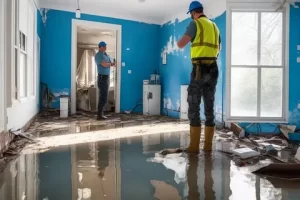
Property damage can affect more than the structure of a home. Events such as fires, storms, water damage, or other disasters can disrupt daily life and create uncertainty for property owners. Reconstruction focuses on restoring damaged spaces while improving safety, function, and long-term reliability.
Homeowners searching for property reconstruction services often want to understand the restoration process, available solutions, and what steps are involved after serious property damage. A successful reconstruction project requires careful planning, skilled workmanship, and attention to structural details.
Blount Desister helps homeowners understand reconstruction options and the important steps involved in restoring properties in Hephzibah, GA, and Jackson, SC.
Why Property Reconstruction Is Important After Damage
Reconstruction goes beyond repairing visible problems. Severe damage can affect structural components, electrical systems, plumbing, insulation, and interior finishes.
A proper reconstruction process helps address:
- Structural damage
- Safety concerns
- Damaged building materials
- Interior restoration needs
- Long-term property function
- Future protection improvements
A complete approach helps restore a property to a safe and usable condition.
Understanding Property Reconstruction Services
How Property Reconstruction Services Restore Damaged Properties
Property reconstruction services in Hephzibah, GA involve rebuilding and restoring areas that have suffered significant damage. The process requires evaluating the condition of the property, creating a repair plan, and completing necessary construction work.
The reconstruction process may include:
- Initial property assessment
- Damage documentation
- Removal of damaged materials
- Structural repairs
- Interior rebuilding
- Final inspections
Each stage helps ensure the property receives the appropriate repairs based on the extent of damage.
Common Causes That Require Reconstruction
Different situations can create the need for major property restoration. Understanding the cause of damage helps determine the right reconstruction approach.
Common causes include:
- House fires
- Severe storms
- Water damage
- Mold-related issues
- Structural problems
- Accidental damage
Each situation requires different repair methods and planning considerations.
Comparing Repair and Reconstruction
Not every damaged property requires full reconstruction. The right solution depends on the severity of the damage.
| Service Type | Best For | Main Focus |
| Minor Repairs | Small damage areas | Fixing specific problems |
| Restoration | Recoverable damage | Cleaning and repairing affected areas |
| Reconstruction | Major structural damage | Rebuilding damaged sections |
Understanding the difference helps homeowners choose the right path after property damage.
The Role of Disaster Reconstruction Services
Why Disaster Reconstruction Services Require Careful Planning
Disaster reconstruction services in Jackson, SC address properties affected by major events that impact safety and usability. These projects require coordination between assessment, repairs, materials, and construction steps.
Important parts of disaster reconstruction include:
- Evaluating structural conditions
- Creating a restoration plan
- Removing unsafe materials
- Repairing damaged areas
- Rebuilding affected spaces
- Completing quality checks
A detailed process helps ensure the property is restored properly.
The Importance of Post-Fire Reconstruction
What Homeowners Should Know About Post-Fire Reconstruction
Post-fire reconstruction involves restoring properties after fire-related damage. Fire damage can affect more than burned areas because smoke, soot, and heat can impact walls, ceilings, flooring, and systems throughout the property.
Post-fire reconstruction may involve:
- Removing damaged materials
- Repairing structural components
- Addressing smoke effects
- Restoring interior spaces
- Replacing affected systems
- Improving safety features
A careful approach helps rebuild the property while addressing hidden damage.
Common Reconstruction Mistakes
Reconstruction projects require careful planning. Mistakes during the process can create delays or additional problems.
Common mistakes include:
- Starting repairs without a full assessment
- Ignoring hidden structural damage
- Choosing unsuitable materials
- Skipping proper planning
- Focusing only on appearance
- Not considering future protection
A detailed evaluation helps prevent these issues.
Best Practices for a Successful Reconstruction Project
A well-managed reconstruction project focuses on safety, quality, and long-term performance.
Recommended practices include:
- Complete a detailed damage assessment.
- Create a clear repair plan.
- Use appropriate construction materials.
- Address structural issues first.
- Document project progress.
- Review completed work carefully.
Following these practices helps create better reconstruction results.
Reconstruction Considerations in Hephzibah and Jackson
Properties in Hephzibah, GA, and Jackson, SC may experience different environmental conditions that affect reconstruction planning. Local weather, building styles, and property layouts can influence repair decisions.
Important considerations include:
- Local construction requirements
- Weather exposure
- Existing property design
- Material selection
- Structural conditions
A customized reconstruction approach helps meet the specific needs of each property.
Preparing for a Reconstruction Project
Before beginning reconstruction, homeowners should:
- Document visible damage.
- Avoid disturbing unsafe areas.
- Review repair priorities.
- Understand the reconstruction process.
- Discuss material options.
- Plan for future maintenance.
Preparation helps homeowners make informed decisions during recovery.
Actionable Tips for Property Owners
After major property damage:
- Contact professionals for an assessment.
- Protect unaffected areas from further damage.
- Keep records of repairs and inspections.
- Review project plans carefully.
- Consider improvements during rebuilding.
- Maintain restored areas regularly.
Taking organized steps can make the reconstruction process easier.
Why Professional Reconstruction Support Matters
Reconstruction involves multiple areas of expertise, including structural work, materials, safety requirements, and finishing details. Professional support helps coordinate these elements effectively.
Professional reconstruction guidance helps with:
- Damage evaluation
- Repair planning
- Construction coordination
- Material selection
- Quality control
A structured approach helps restore properties with better results.
Conclusion
Choosing reliable Post-fire reconstruction in Hephzibah, GA, and Jackson, SC helps homeowners restore damaged properties after major events. From disaster recovery to post-fire rebuilding, careful planning and skilled construction play important roles in creating safe and functional spaces.
Blount Desister helps property owners understand reconstruction options and the steps involved in restoring their homes. With proper evaluation, quality materials, and organized project management, damaged properties can be rebuilt for long-term use.
FAQs
1. What is included in property reconstruction services?
Property reconstruction may include structural repairs, rebuilding damaged areas, interior restoration, and final improvements.
2. When does a property need reconstruction instead of repairs?
Reconstruction is usually needed when damage affects major structural areas or large portions of the property.
3. What happens during post-fire reconstruction?
Post-fire reconstruction addresses fire, smoke, and soot damage while restoring affected structural and interior areas.
4. How long does a reconstruction project take?
The timeline depends on damage severity, project size, materials, and required repairs.
5. Can reconstruction improve a damaged property?
Yes. Reconstruction can restore functionality while allowing improvements that support future durability and safety.